03
2026
-
02
Understanding Nano PCC: Innovations in Fine Chemical Compounds
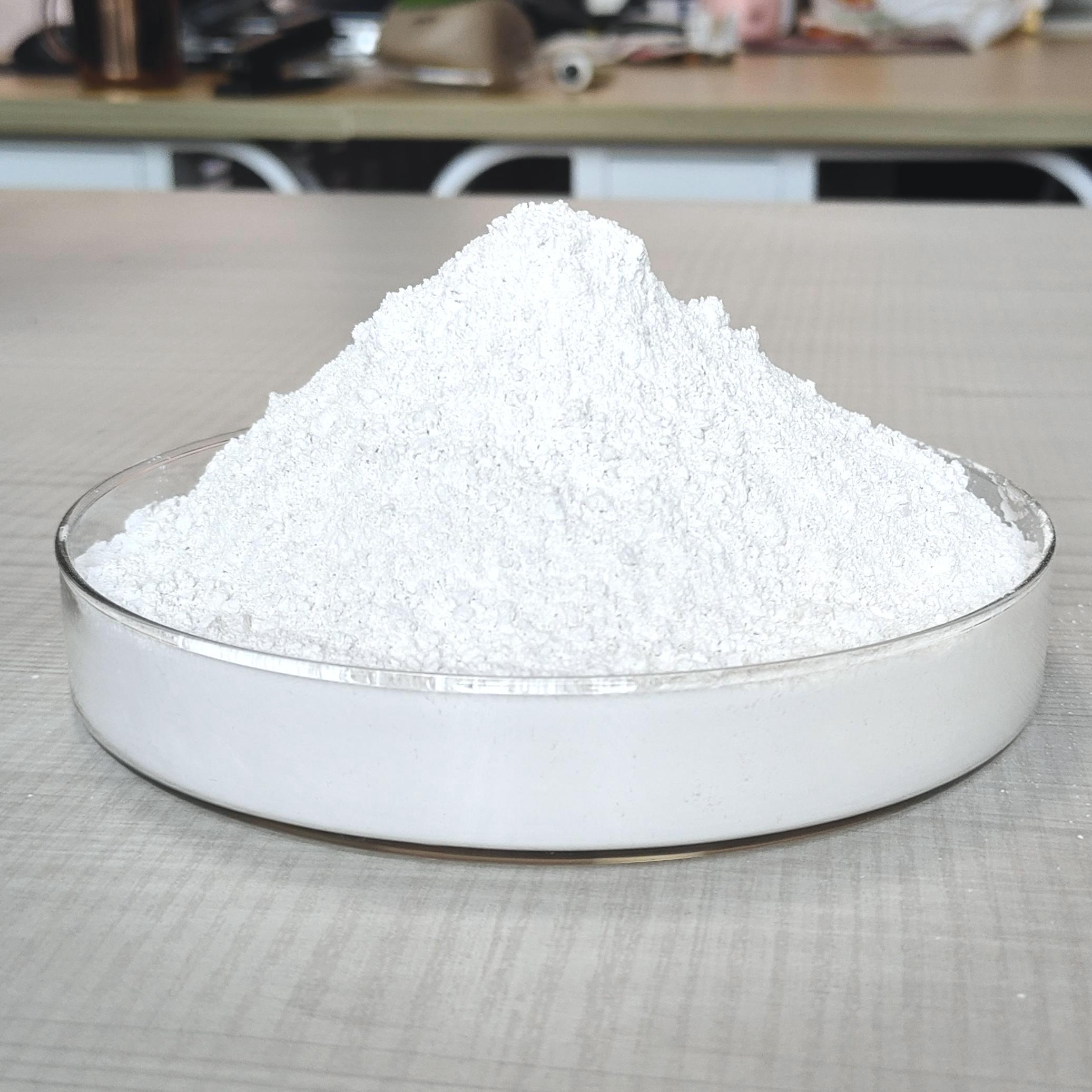
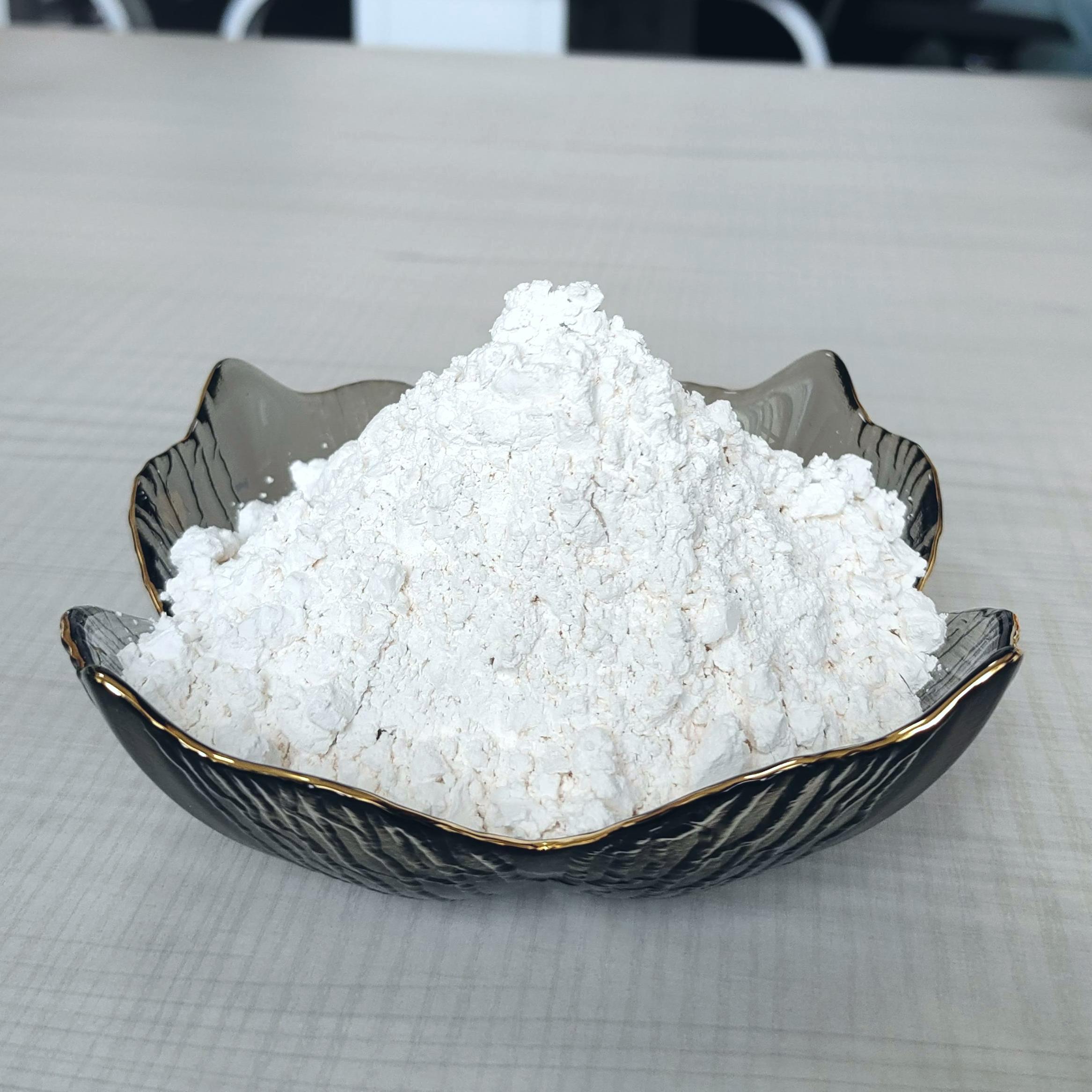
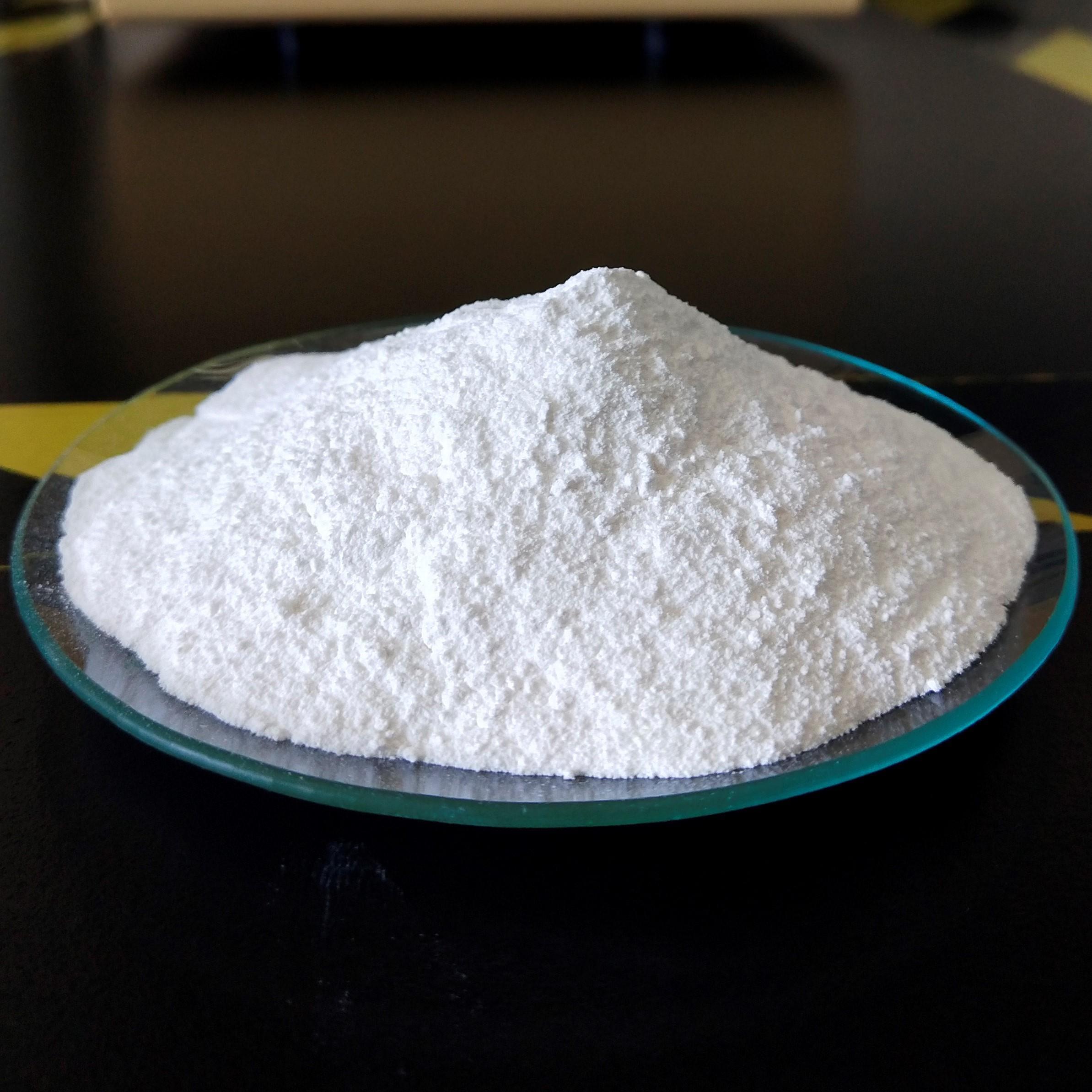
Nano PCC, or Nano Precipitated Calcium Carbonate, is a finely divided form of calcium carbonate that has gained significant attention in the chemical industry due to its unique properties and versatility. This material is produced through a controlled precipitation process, resulting in nanoparticles that are less than 100 nanometers in size. These tiny dimensions not only increase the surface are
One of the key advantages of nano PCC is its ability to improve the physical properties of products. In coatings and paints, for instance, nano PCC can enhance opacity, brightness, and gloss levels, making it a preferred additive for manufacturers looking to optimize performance. The small particle size also allows for better dispersion in formulations, which can lead to improved stability and uniformity.
In addition to its role in coatings, nano PCC is increasingly being used in the plastics and rubber industries. When incorporated into polymer matrices, nano PCC can contribute to improved mechanical properties, such as tensile strength and impact resistance. This is particularly valuable in applications where durability and longevity are critical. Moreover, the use of nano PCC as a filler can reduce the overall cost of materials without compromising quality, offering an economical solution for manufacturers.
Another significant application of nano PCC is in the field of pharmaceuticals and food products. The fine particle size allows for better bioavailability of active ingredients, leading to more effective formulations. Additionally, nano PCC can serve as a safe and effective excipient in tablet formulations, enhancing the overall product performance.
The environmental benefits of nano PCC should not be overlooked either. As a naturally occurring mineral, calcium carbonate is abundant and can be produced sustainably. Utilizing nano PCC can also contribute to reducing the environmental impact of various products by enhancing their efficiency and reducing waste. For example, coatings that use nano PCC may require fewer coats, leading to less material usage and lower emissions during application.
In conclusion, nano PCC represents a significant advancement in the realm of fine chemical compounds. Its unique properties and versatility make it an invaluable material across a wide range of industries, from coatings to pharmaceuticals. As research and development continue to explore new applications, the potential for nano PCC to contribute to innovation and sustainability in the chemical sector remains promising. Understanding and leveraging its benefits could lead to enhanced product performance and environmental responsibility in manufacturing practices.
nano PCC

Get in Touch with Us Today

EZ Chemical is one of the best suppliers of calcium carbonate series products in China.
CONTACT US
E-mail: kevin_song@ezchemical.cn
ADD:Room 2008, Building 8, Jinse Yangguang, Xin'an East Road, Xin'anjiang Street, Jiande City, Zhejiang Province, China.