08
2026
-
02
Exploring the Benefits of Nano PCC in Modern Chemical Applications
Exploring the Benefits of Nano PCC in Modern Chemical Applications Table of Contents 1. Introduction to Nano PCC 2. What is Nano Precipitated Calcium Carbonate? 3. Unique Properties and Advantages of Nano PCC 4. Applications of Nano PCC in the Chemical Industry 5. The Role of Nano PCC in Coatings and Paints 6. Enhancing Plastics with Nano PCC 7. Nano PCC in Personal Ca
Exploring the Benefits of Nano PCC in Modern Chemical Applications
Table of Contents
- 1. Introduction to Nano PCC
- 2. What is Nano Precipitated Calcium Carbonate?
- 3. Unique Properties and Advantages of Nano PCC
- 4. Applications of Nano PCC in the Chemical Industry
- 5. The Role of Nano PCC in Coatings and Paints
- 6. Enhancing Plastics with Nano PCC
- 7. Nano PCC in Personal Care Products
- 8. Sustainability Aspects of Using Nano PCC
- 9. Future Trends in Nano PCC Applications
- 10. Conclusion
- 11. Frequently Asked Questions
1. Introduction to Nano PCC
In the rapidly evolving world of chemical applications, the necessity for advanced materials that enhance product performance and sustainability has never been greater. One such innovative material is **Nano Precipitated Calcium Carbonate (PCC)**. This article aims to explore the myriad benefits of Nano PCC, shedding light on its significant role in modern chemistry and its applications across various industries.
2. What is Nano Precipitated Calcium Carbonate?
Nano PCC is a refined form of calcium carbonate synthesized via a controlled precipitation process. Characterized by its **nanoscale particle size**, typically ranging from **20 to 200 nanometers**, Nano PCC offers unique properties that distinguish it from traditional calcium carbonate. Unlike conventional PCC, which has larger particle sizes, Nano PCC demonstrates enhanced **surface area and reactivity**, allowing for improved performance in various applications.
The Production Process of Nano PCC
The production of Nano PCC involves a precisely controlled process where calcium hydroxide reacts with carbon dioxide in a water-based solution. This reaction leads to the formation of calcium carbonate, which is then subjected to various treatments to achieve the desired nanoparticle size and distribution. The result is a product that boasts excellent dispersibility and stability, crucial for its effectiveness in chemical applications.
3. Unique Properties and Advantages of Nano PCC
Nano PCC is distinguished by several unique properties that contribute to its growing popularity in the chemical sector:
High Surface Area
The nanoscale nature of Nano PCC results in a significantly larger surface area compared to its macro counterparts. This high surface area enhances its interactions with polymer matrices and other materials, leading to improved mechanical properties and performance.
Improved Mechanical Strength
Incorporating Nano PCC into formulations has been shown to improve the mechanical strength of products. For instance, in plastics, Nano PCC can enhance the tensile strength and impact resistance, making them more durable and suitable for demanding applications.
Better Dispersion Stability
Nano PCC exhibits superior dispersion stability due to its fine particle size, which minimizes sedimentation and aggregation. This property is particularly advantageous in liquid formulations, such as paints and coatings, ensuring consistent performance over time.
Enhanced Optical Properties
The unique size and shape of Nano PCC particles also contribute to improved optical properties in applications such as coatings and plastics. This improvement can result in better gloss, opacity, and brightness, enhancing the aesthetic appeal of the final products.
4. Applications of Nano PCC in the Chemical Industry
The versatility of Nano PCC makes it suitable for a wide range of applications within the chemical industry. Below are some notable areas where Nano PCC is making significant contributions.
In Paints and Coatings
Nano PCC is increasingly used in paints and coatings to enhance performance characteristics. Its ability to improve **covering power and gloss** makes it an ideal choice for manufacturers aiming to produce high-quality finishes. Additionally, Nano PCC contributes to improved durability and resistance to weathering, extending the lifespan of coatings.
In Plastics Manufacturing
The incorporation of Nano PCC in plastics production not only improves mechanical properties but also reduces material costs. By replacing a portion of more expensive additives with Nano PCC, manufacturers can achieve lower production costs without sacrificing quality.
In Adhesives and Sealants
Nano PCC enhances the performance of adhesives and sealants, providing better adhesion and flexibility. This is particularly beneficial in construction and automotive applications where durability and reliability are paramount.
5. The Role of Nano PCC in Coatings and Paints
In the coatings industry, Nano PCC serves as a **functional filler**, improving the overall performance of paints. Its fine particles lead to:
Enhanced Coverage and Opacity
The small size of Nano PCC allows for more efficient packing in the coating matrix, resulting in better coverage and opacity. This characteristic is crucial for achieving the desired aesthetic and protective qualities in paints.
Improved Resistance to UV Degradation
Nano PCC also provides a level of protection against ultraviolet (UV) radiation, enhancing the longevity of coatings exposed to sunlight. This feature is particularly important for outdoor applications where UV stability is critical.
6. Enhancing Plastics with Nano PCC
The use of Nano PCC in plastics offers numerous benefits, including:
Cost Reduction
By substituting a portion of resin with Nano PCC, manufacturers can reduce production costs while maintaining product quality. This cost-effectiveness is especially appealing in competitive markets.
Improved Thermal Stability
Nano PCC contributes to enhanced thermal stability in plastics, making them more suitable for applications exposed to high temperatures. This quality expands the range of applications for various plastic products.
7. Nano PCC in Personal Care Products
The personal care industry has also embraced Nano PCC for its beneficial properties.
As an Opacifier in Cosmetics
In cosmetics, Nano PCC is often utilized as an opacifier, providing a soft focus effect that enhances the appearance of skin products. Its fine particles help achieve a smooth texture and even application.
In Formulations for Skin Care
Nano PCC's biocompatibility makes it an excellent choice for skin care formulations, offering benefits such as improved texture and increased product stability.
8. Sustainability Aspects of Using Nano PCC
In an era focused on sustainability, the use of Nano PCC aligns with environmentally friendly practices.
Reduction in Raw Material Use
By effectively replacing other, more resource-intensive materials, Nano PCC contributes to a reduction in overall raw material usage, promoting resource conservation.
Low Environmental Impact
The production of Nano PCC typically involves less energy compared to other synthetic fillers, resulting in lower carbon emissions and a reduced environmental footprint.
9. Future Trends in Nano PCC Applications
As research continues to unveil the potential of Nano PCC, future trends are expected to include:
Innovative Applications
Emerging technologies may lead to new applications in sectors such as construction, pharmaceuticals, and electronics, where Nano PCC can be tailored for specific functions.
Advancements in Production Techniques
Continued advancements in production methodologies will likely enhance the efficiency and scalability of Nano PCC manufacturing, making it more accessible for various industries.
10. Conclusion
In conclusion, Nano Precipitated Calcium Carbonate represents a pivotal advancement in modern chemical applications. Its unique properties and manifold benefits make it an indispensable material across diverse sectors, from coatings to plastics and personal care products. As industries continue to embrace sustainability and innovation, the role of Nano PCC is set to expand, offering exciting possibilities for the future of chemical formulations.
11. Frequently Asked Questions
1. What is the primary advantage of using Nano PCC?
The primary advantage of using Nano PCC is its high surface area and reactivity, leading to improved mechanical properties, stability, and optical characteristics in various applications.
2. Can Nano PCC be used in food products?
While Nano PCC is widely used in many industries, its application in food products is limited and should adhere to safety regulations and guidelines specific to food-grade materials.
3. How does Nano PCC differ from traditional PCC?
Nano PCC differs from traditional PCC primarily in particle size, with Nano PCC being significantly smaller, resulting in enhanced properties such as better dispersion and mechanical strength.
4. Is Nano PCC environmentally friendly?
Yes, Nano PCC is considered environmentally friendly due to its lower energy production process and ability to replace more resource-intensive materials.
5. What industries are adopting Nano PCC?
Industries including coatings, plastics, personal care, and adhesives are among those actively adopting Nano PCC for its numerous benefits.
In summary, the exploration of Nano PCC reveals its potential to revolutionize various industries, highlighting the need for continued research and development in this exciting field.
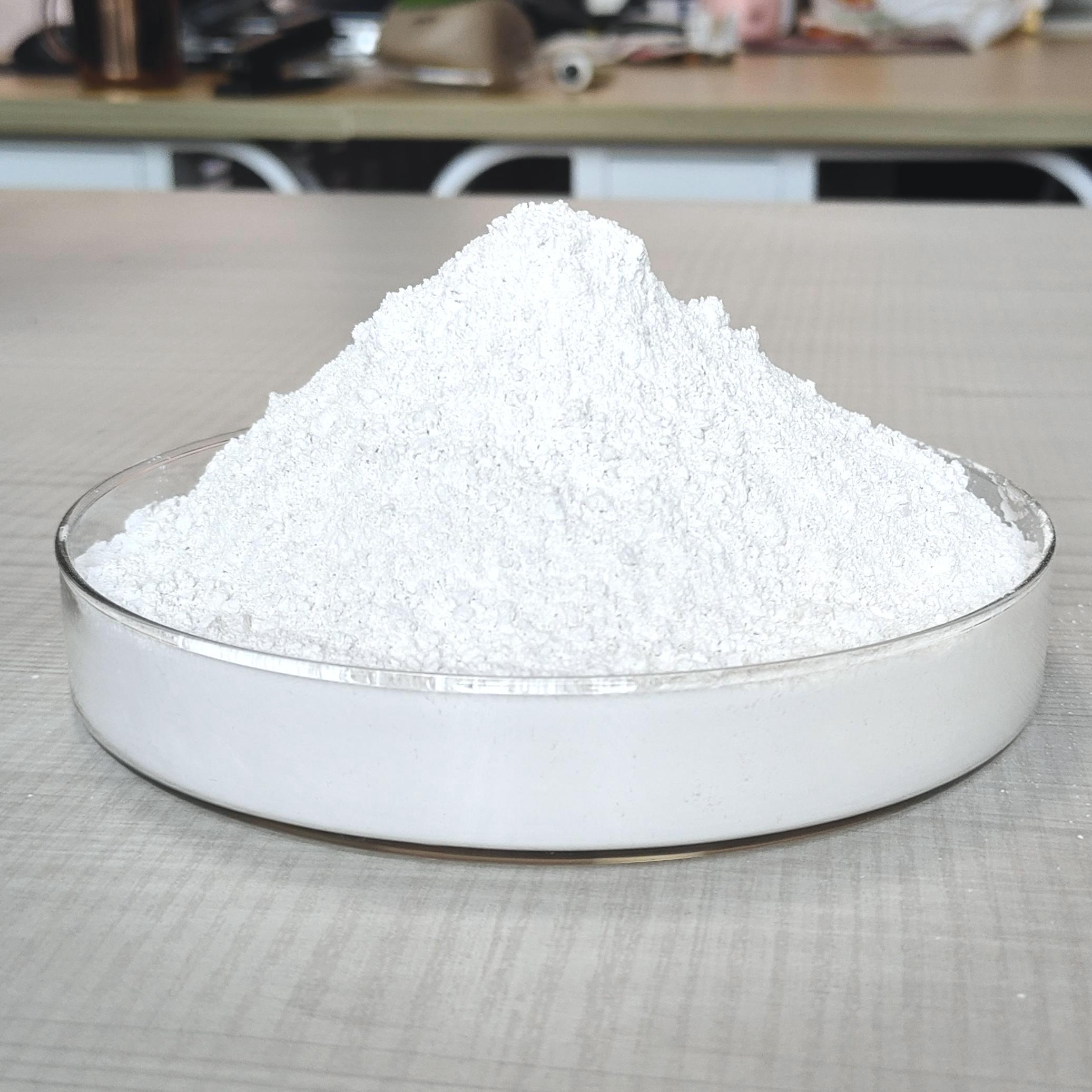
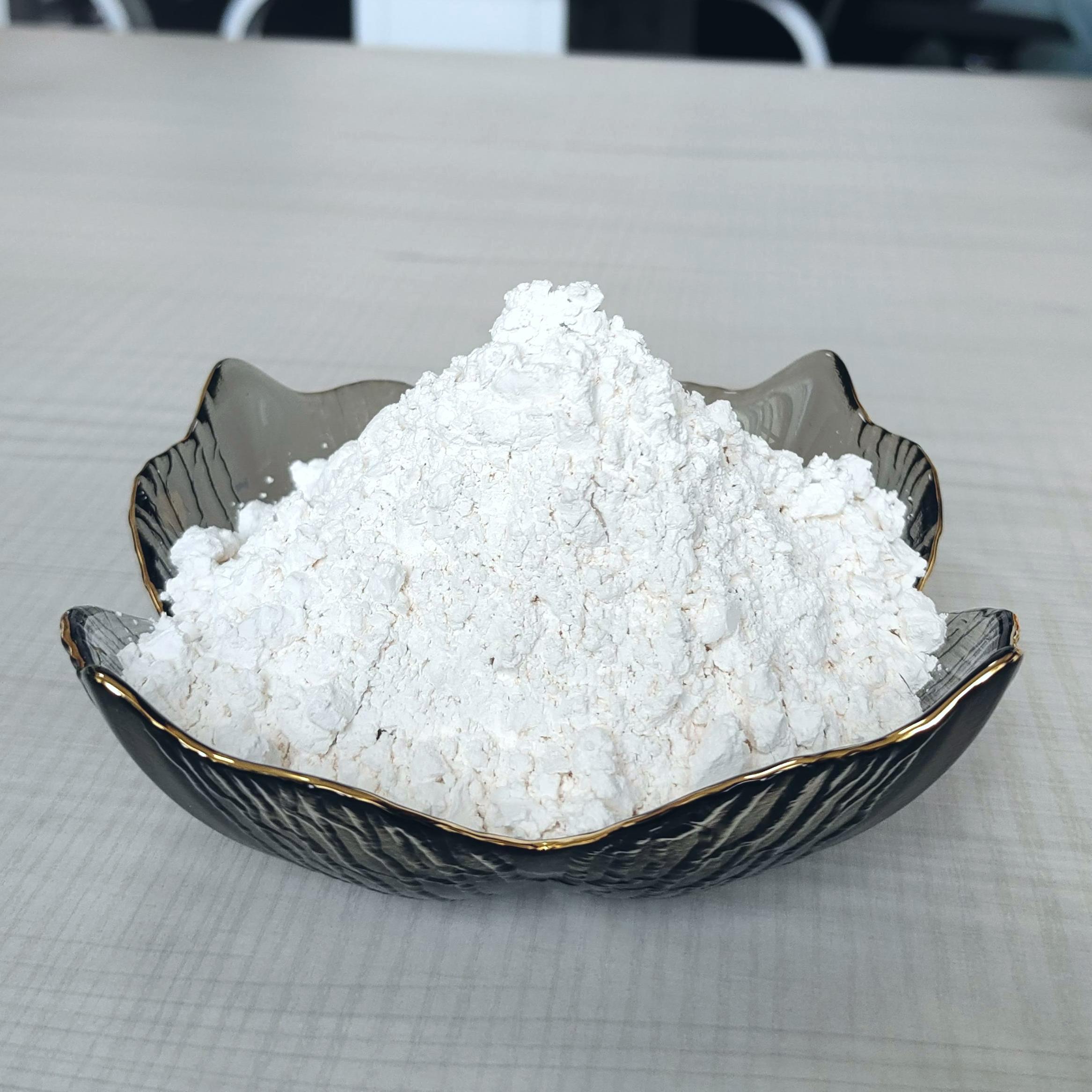
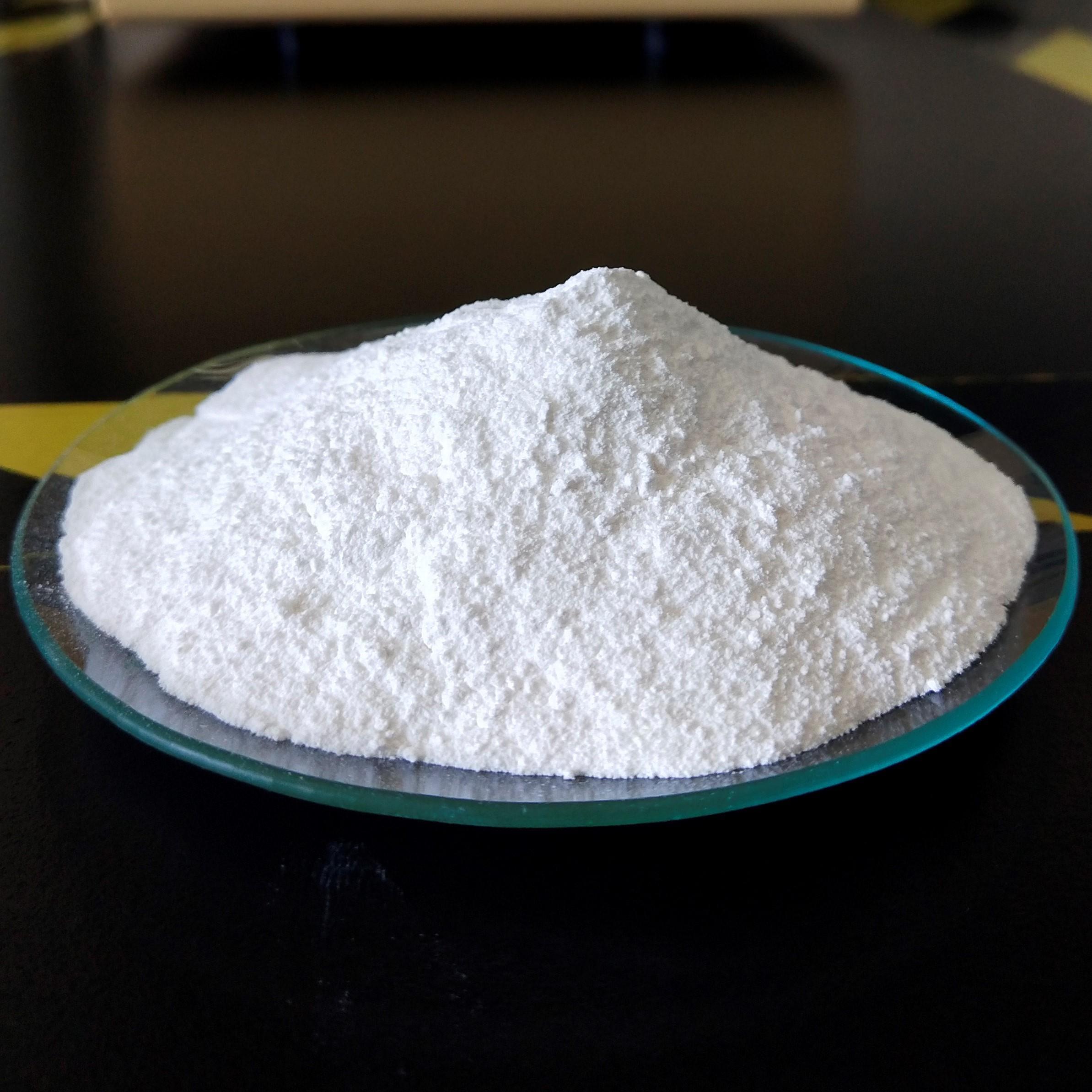
nano PCC

Get in Touch with Us Today

EZ Chemical is one of the best suppliers of calcium carbonate series products in China.
CONTACT US
E-mail: kevin_song@ezchemical.cn
ADD:Room 2008, Building 8, Jinse Yangguang, Xin'an East Road, Xin'anjiang Street, Jiande City, Zhejiang Province, China.