26
2026
-
10
How Ultrafine Calcium Carbonate Improves Product Quality in Dyes and Pigments
How Ultrafine Calcium Carbonate Improves Product Quality in Dyes and Pigments Table of Contents Introduction to Ultrafine Calcium Carbonate What is Ultrafine Calcium Carbonate? Applications of Ultrafine Calcium Carbonate in Dyes and Pigments Enhancing Color Pigmentation Improving Adhesion and Stability Advantages of Using Ultrafine Calcium
How Ultrafine Calcium Carbonate Improves Product Quality in Dyes and Pigments
Table of Contents
- Introduction to Ultrafine Calcium Carbonate
- What is Ultrafine Calcium Carbonate?
- Applications of Ultrafine Calcium Carbonate in Dyes and Pigments
- Advantages of Using Ultrafine Calcium Carbonate
- Case Studies and Examples
- Frequently Asked Questions
- Conclusion
Introduction to Ultrafine Calcium Carbonate
Ultrafine calcium carbonate (UCC) has emerged as a crucial additive in the production of dyes and pigments. This fine mineral not only enhances the quality of products but also plays an integral role in various industrial applications. As manufacturers strive for superior performance, UCC proves to be an excellent choice due to its unique properties.
What is Ultrafine Calcium Carbonate?
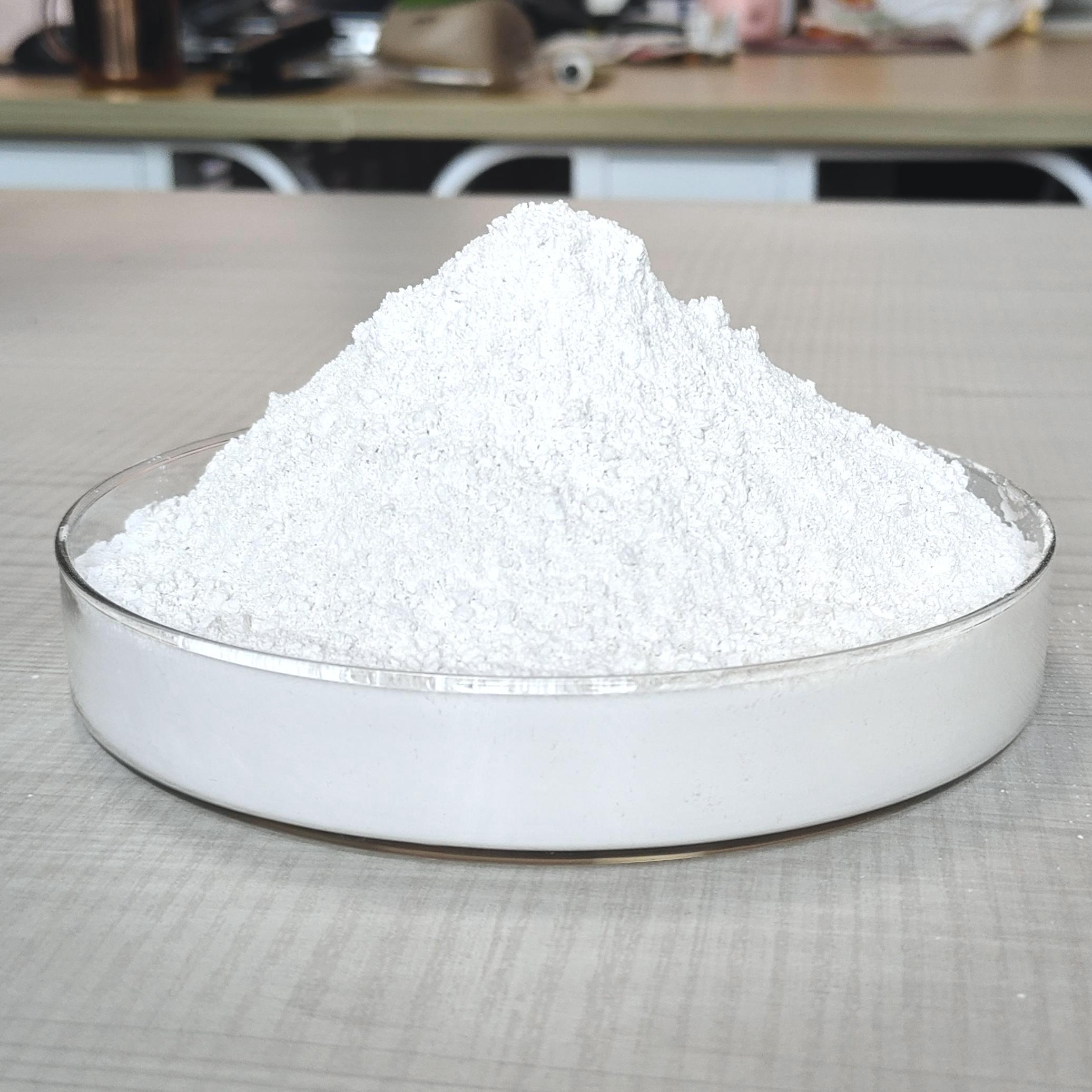
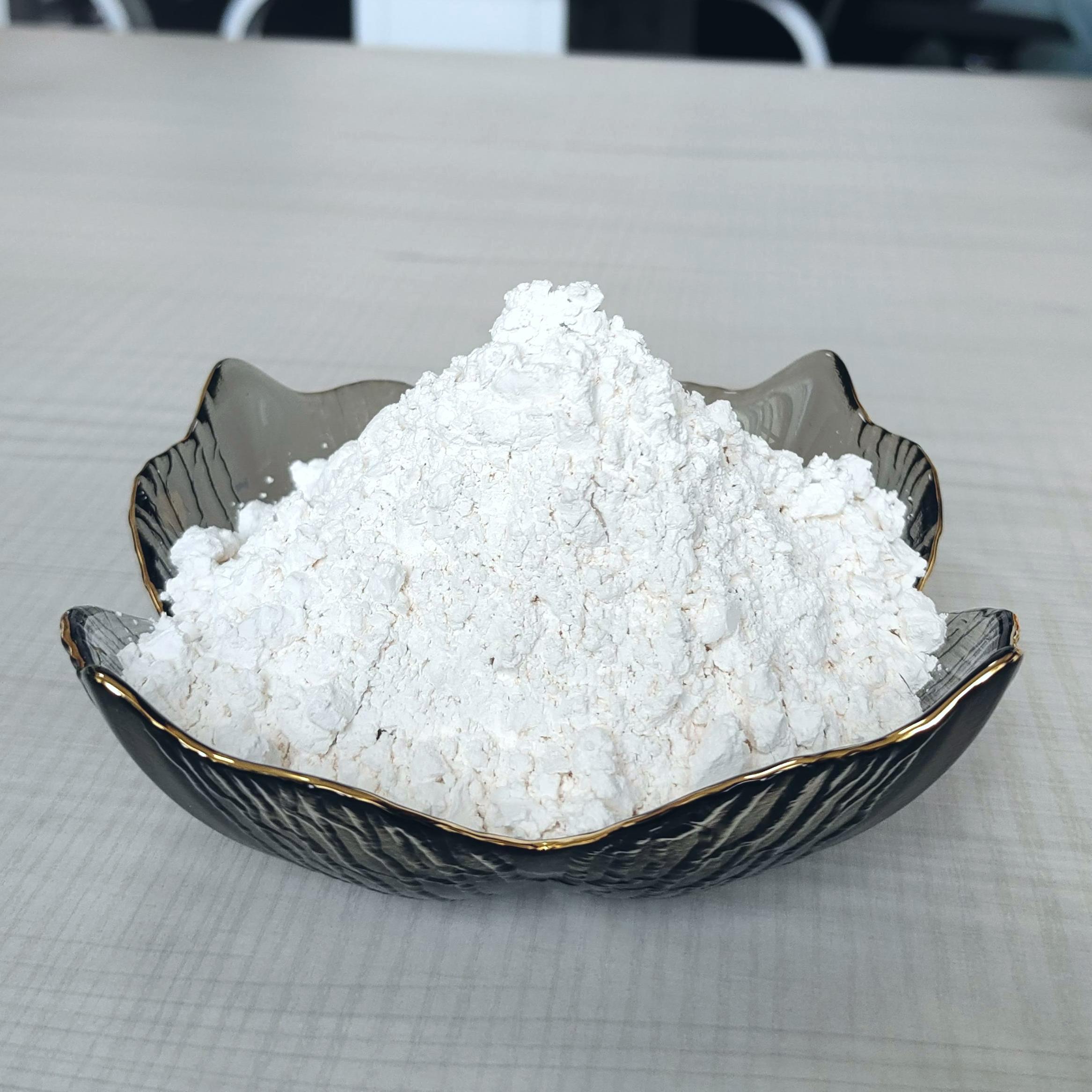
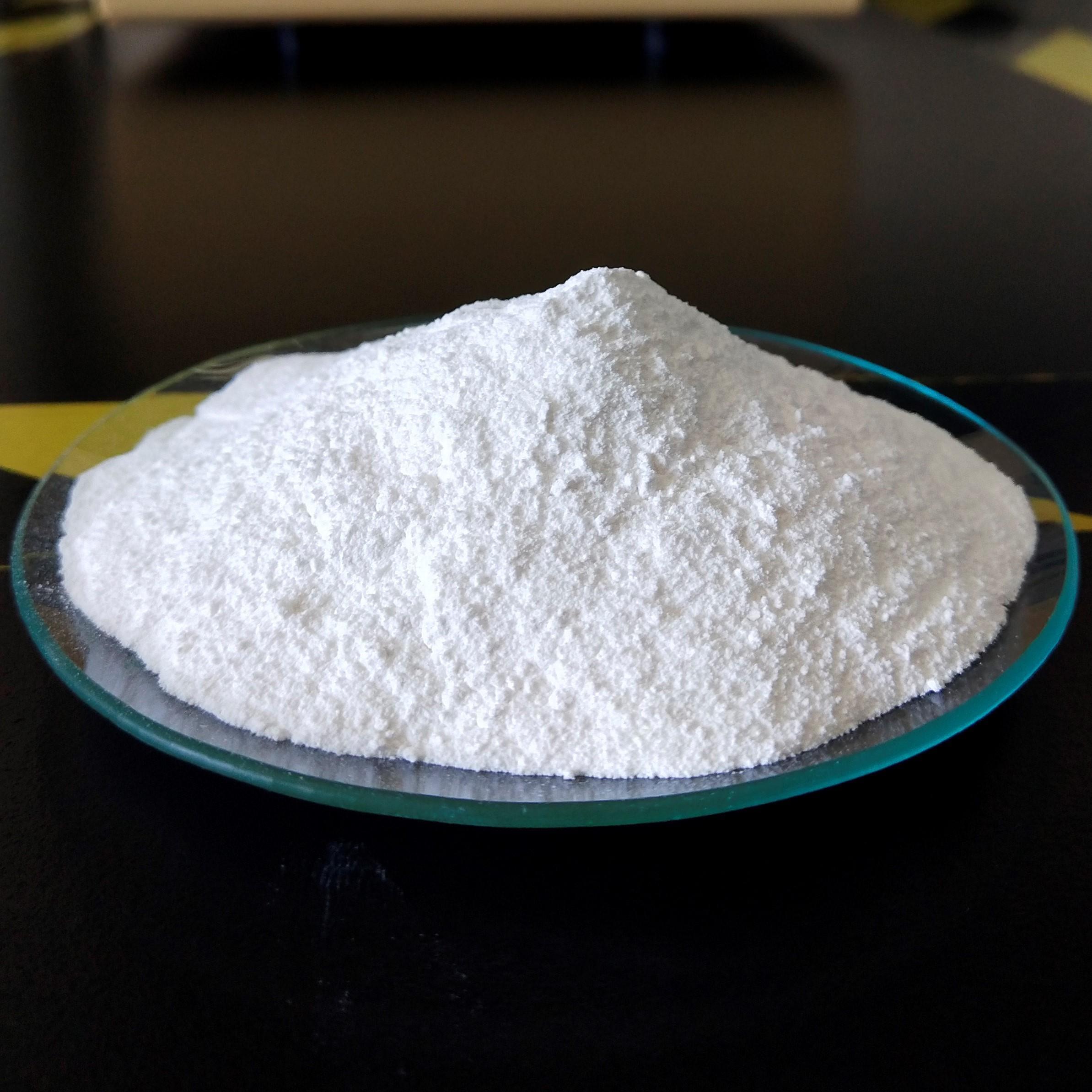
Ultrafine calcium carbonate is a finely processed form of calcium carbonate, characterized by its extremely small particle size, typically ranging from 0.1 to 10 micrometers. This fine particle size enhances its surface area, allowing it to interact effectively with other materials in formulations. UCC is widely used across industries, particularly in the production of paints, coatings, plastics, and, notably, dyes and pigments.
Applications of Ultrafine Calcium Carbonate in Dyes and Pigments
Enhancing Color Pigmentation
One of the primary applications of ultrafine calcium carbonate in the dye and pigment industry is its role in enhancing color pigmentation. The high surface area of UCC allows for better dispersion in liquid formulations, leading to more uniform color distribution. This uniformity not only improves the aesthetic appeal of the final product but also ensures consistency in color strength and tone.
Improving Adhesion and Stability
UCC also contributes to improved adhesion of dyes and pigments to various substrates. When used in formulations, ultrafine calcium carbonate promotes better bonding between the pigments and the surface being coated. This leads to enhanced durability and stability of the color over time, reducing the risk of fading or discoloration. Additionally, UCC helps to stabilize emulsions, ensuring that the pigments remain evenly dispersed and do not settle over time.
Advantages of Using Ultrafine Calcium Carbonate
Cost-Effectiveness
Utilizing ultrafine calcium carbonate in dye and pigment formulations can significantly reduce production costs. Its availability and natural abundance make it a cost-effective alternative to more expensive synthetic additives. By incorporating UCC, manufacturers can achieve desired product quality without incurring excessive costs, ultimately benefiting both producers and consumers.
Environmental Impact
In an era where sustainable practices are paramount, ultrafine calcium carbonate stands out as an environmentally friendly option. Derived from natural sources, UCC is non-toxic and biodegradable, making it an ideal choice for manufacturers seeking to reduce their environmental footprint. By using UCC in dyes and pigments, companies can promote eco-friendly products that meet consumer demand for sustainability.
Case Studies and Examples
To illustrate the effectiveness of ultrafine calcium carbonate in improving product quality, consider the following examples:
1. **Paints and Coatings**: A leading paint manufacturer incorporated UCC into their formulations and reported enhanced color vibrancy and improved adhesion properties. The results not only elevated the quality of their products but also increased customer satisfaction.
2. **Textile Dyes**: A textile company utilizing ultrafine calcium carbonate in dye formulations observed a marked improvement in the washfastness of their dyes. This enhancement reduced the fading of colors during washing, leading to more durable textiles.
3. **Plastics and Composites**: In the plastics industry, companies that integrated UCC into their pigment formulations experienced smoother processing and improved color stability. This resulted in a more consistent product with a longer shelf life.
Frequently Asked Questions
1. What are the primary benefits of using ultrafine calcium carbonate in dyes and pigments?
The primary benefits include enhanced color pigmentation, improved adhesion to substrates, cost-effectiveness, and a reduced environmental impact.
2. How does ultrafine calcium carbonate enhance color pigmentation?
UCC improves dispersion in formulations, leading to a more uniform color distribution and consistent color strength.
3. Is ultrafine calcium carbonate environmentally friendly?
Yes, UCC is derived from natural sources, is non-toxic, and biodegradable, making it a sustainable choice for manufacturers.
4. Can ultrafine calcium carbonate be used in other industries?
Absolutely, UCC is widely used in various industries, including paints, plastics, rubber, paper, and food additives.
5. How does ultrafine calcium carbonate affect the cost of production?
Using UCC can lower production costs due to its availability and natural abundance, allowing manufacturers to create high-quality products without high expenses.
Conclusion
Ultrafine calcium carbonate plays a transformative role in enhancing the quality of dyes and pigments. Its unique properties facilitate improved color pigmentation, adhesion, and stability while also providing cost-effective and environmentally friendly solutions for manufacturers. As the demand for high-quality, sustainable products continues to rise, the incorporation of ultrafine calcium carbonate promises to be a vital factor in the advancement of the dye and pigment industry. Embracing this innovative additive will not only improve product quality but also align with the growing need for responsible production practices.
ultrafine calcium carbonate

Get in Touch with Us Today

EZ Chemical is one of the best suppliers of calcium carbonate series products in China.
CONTACT US
E-mail: kevin_song@ezchemical.cn
ADD:Room 2008, Building 8, Jinse Yangguang, Xin'an East Road, Xin'anjiang Street, Jiande City, Zhejiang Province, China.