29
2026
-
01
The Long-Term Benefits of Integrating Nano PCC into Chemical Practices
The Long-Term Benefits of Integrating Nano PCC into Chemical Practices Introduction to Nano PCC in Chemical Practices Integrating Nano Precipitated Calcium Carbonate (PCC) into chemical practices is not just a trend; it is a pivotal shift that offers substantial long-term benefits. As industries increasingly prioritize sustainability and efficiency, Nano PCC emerges as a game-changer. This artic
The Long-Term Benefits of Integrating Nano PCC into Chemical Practices
Introduction to Nano PCC in Chemical Practices
Integrating Nano Precipitated Calcium Carbonate (PCC) into chemical practices is not just a trend; it is a pivotal shift that offers substantial long-term benefits. As industries increasingly prioritize sustainability and efficiency, Nano PCC emerges as a game-changer. This article delves into the multifaceted advantages of adopting Nano PCC, highlighting its role in innovative chemical practices and its impact on product performance.
A Comprehensive Overview of Nano PCC
What is Nano PCC?
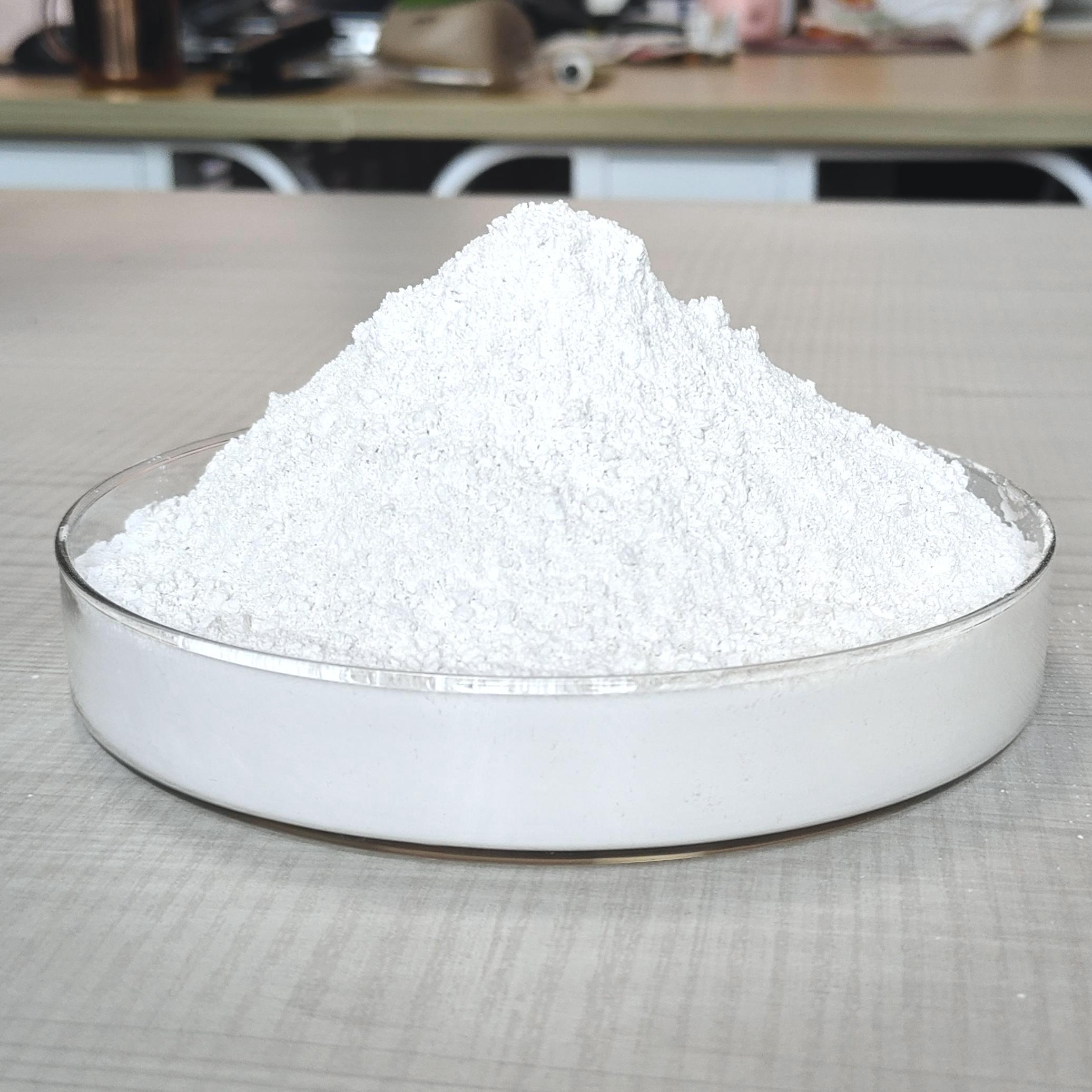
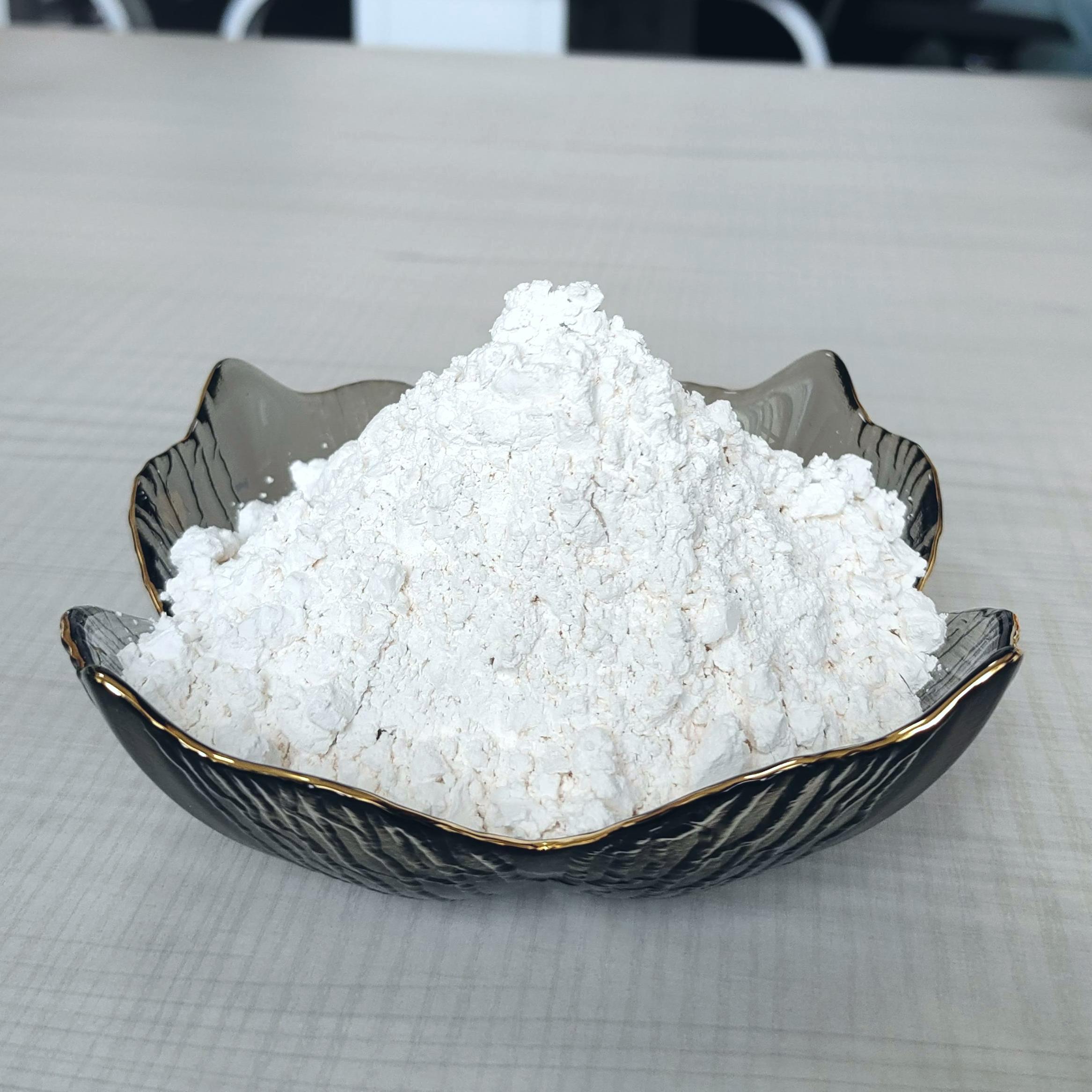
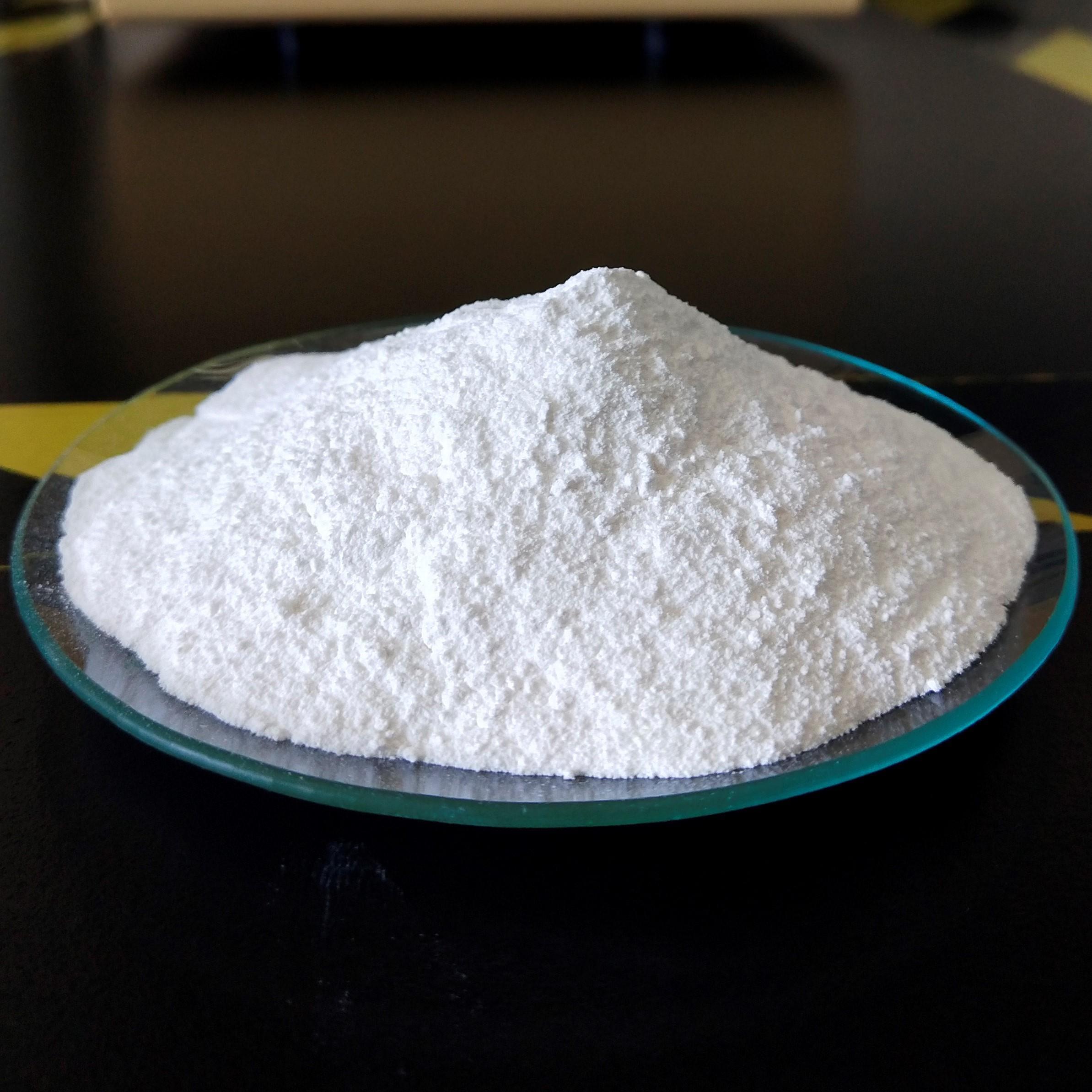
Nano PCC is a form of calcium carbonate that has been precipitated at the nanoscale, resulting in a product with unique properties. The reduction in particle size enhances the surface area and reactivity, paving the way for its application in various chemical processes. This material is characterized by its ultrafine particles, which allow for improved dispersion and compatibility with other substances.
The Manufacturing Process of Nano PCC
The production of Nano PCC involves a precise process that includes carbonation and subsequent precipitation. During this process, carbon dioxide reacts with calcium salts, leading to the formation of calcium carbonate. The control over particle size and morphology is critical, ensuring that the end product meets the specific requirements of various applications.
Key Benefits of Integrating Nano PCC
1. Enhanced Product Performance
One of the most significant advantages of incorporating Nano PCC is the enhancement of product performance. The small particle size contributes to better mechanical and physical properties, improving the strength and durability of end products. Industries such as plastics, paints, and coatings benefit from the improved opacity and whiteness that Nano PCC provides.
2. Sustainability and Environmental Impact
Integrating Nano PCC into chemical practices aligns with the growing demand for sustainable manufacturing processes. By replacing traditional fillers and additives with Nano PCC, companies can reduce their carbon footprint. Nano PCC is derived from abundant natural resources, making it an environmentally friendly alternative that supports the circular economy.
3. Cost-Effectiveness and Efficiency
The use of Nano PCC can lead to significant cost savings in chemical production. Its high purity level and low required dosage make it an economically viable option. Furthermore, the incorporation of Nano PCC can streamline processes, reducing waste and improving overall efficiency.
4. Versatility Across Applications
Nano PCC is not limited to a single industry; its versatility extends across various sectors. From the paper and plastics industries to paints and coatings, the applications of Nano PCC are vast. Its ability to enhance the properties of different materials makes it an invaluable addition to diverse chemical practices.
5. Improved Dispersion and Stability
The nanoscale dimensions of PCC facilitate better dispersion within matrices, leading to improved stability of formulations. This characteristic is particularly beneficial in paint and coatings applications, where uniform distribution of additives is crucial for achieving desired performance characteristics.
Challenges in the Adoption of Nano PCC
While the benefits of Nano PCC are substantial, there are challenges to its integration into existing chemical practices. Understanding these challenges is essential for industries considering this transition.
1. Technical Barriers
The production of Nano PCC requires advanced technologies and equipment, which can pose a barrier for some manufacturers. The initial investment in technology and process adaptation may deter companies from making the switch.
2. Regulatory Considerations
As with any new material, Nano PCC is subject to regulatory scrutiny. Companies must navigate the regulatory landscape to ensure compliance and address any health or environmental concerns associated with its use.
3. Market Acceptance
Despite its benefits, market acceptance can be slow, as customers may be hesitant to embrace new materials without extensive testing and validation. Providing evidence of performance improvement and sustainability is vital for overcoming this hurdle.
Case Studies: Success Stories of Nano PCC Integration
Examining real-world applications of Nano PCC provides insight into its transformative potential.
1. Nano PCC in the Paint Industry
A leading paint manufacturer integrated Nano PCC into its formulation, resulting in enhanced opacity and reduced pigment usage. This change not only improved product performance but also reduced production costs, showcasing the dual benefits of Nano PCC.
2. Applications in Plastics
A plastics company adopted Nano PCC to enhance the mechanical properties of its products. The addition of Nano PCC resulted in increased strength and reduced weight, making their products more competitive in the market.
Future Trends in Nano PCC Adoption
As industries evolve, the role of Nano PCC is expected to grow. Future trends may involve advancements in production technology, leading to even finer control over particle size and distribution. Additionally, as sustainability continues to be a priority, the demand for eco-friendly alternatives like Nano PCC is likely to increase, solidifying its place in chemical practices.
Frequently Asked Questions (FAQs)
1. What industries can benefit from Nano PCC integration?
Nano PCC can be beneficial across various industries, including paints, plastics, rubber, paper, and coatings, due to its versatile properties.
2. How does Nano PCC improve product performance?
The ultrafine particles of Nano PCC enhance mechanical properties, improve dispersion, and contribute to better opacity and whiteness in various applications.
3. Is Nano PCC environmentally friendly?
Yes, Nano PCC is derived from natural resources and can reduce the carbon footprint of manufacturing processes, making it an environmentally sustainable choice.
4. What are the production challenges of Nano PCC?
The primary challenges include the need for advanced manufacturing technology, regulatory compliance, and market acceptance among consumers and manufacturers.
5. How can companies overcome the barriers to adopting Nano PCC?
Companies can conduct thorough research, provide extensive testing data, and engage in customer education to promote the benefits and performance improvements associated with Nano PCC.
Conclusion
Integrating Nano Precipitated Calcium Carbonate into chemical practices presents a unique opportunity for industries to enhance product performance, improve sustainability, and achieve cost savings. As we navigate the future of chemical manufacturing, the advantages of Nano PCC will likely position it as a crucial component in the evolution of chemical practices. Embracing this innovative material can lead to significant advancements in efficiency and effectiveness, reinforcing the importance of adapting to emerging technologies and methodologies within the chemical sector.
nano PCC

Get in Touch with Us Today

EZ Chemical is one of the best suppliers of calcium carbonate series products in China.
CONTACT US
E-mail: kevin_song@ezchemical.cn
ADD:Room 2008, Building 8, Jinse Yangguang, Xin'an East Road, Xin'anjiang Street, Jiande City, Zhejiang Province, China.