10
2025
-
12
Understanding the Benefits of Precipitated Calcium Carbonate in Various Industries
Understanding the Benefits of Precipitated Calcium Carbonate in Various Industries Table of Contents 1. Introduction to Precipitated Calcium Carbonate 2. What is Precipitated Calcium Carbonate? 3. The Production Process of PCC 4. Applications of Precipitated Calcium Carbonate in Various Industries 4.1 PCC in Papermaking 4.2 PCC in
Understanding the Benefits of Precipitated Calcium Carbonate in Various Industries
Table of Contents
- 1. Introduction to Precipitated Calcium Carbonate
- 2. What is Precipitated Calcium Carbonate?
- 3. The Production Process of PCC
- 4. Applications of Precipitated Calcium Carbonate in Various Industries
- 4.1 PCC in Papermaking
- 4.2 PCC in Plastics
- 4.3 PCC in Food Products
- 4.4 PCC in Pharmaceuticals
- 4.5 PCC in Construction
- 5. Benefits of Using Precipitated Calcium Carbonate
- 6. Frequently Asked Questions
- 7. Conclusion
1. Introduction to Precipitated Calcium Carbonate
Precipitated Calcium Carbonate (PCC) is a high-purity form of calcium carbonate that is produced through a chemical process that allows for precise control over its particle size and morphology. This unique quality makes PCC a valuable ingredient across various industries, from paper and plastics to pharmaceuticals and construction. In this article, we aim to highlight the numerous benefits and applications of PCC, demonstrating its versatility and importance in modern manufacturing.
2. What is Precipitated Calcium Carbonate?
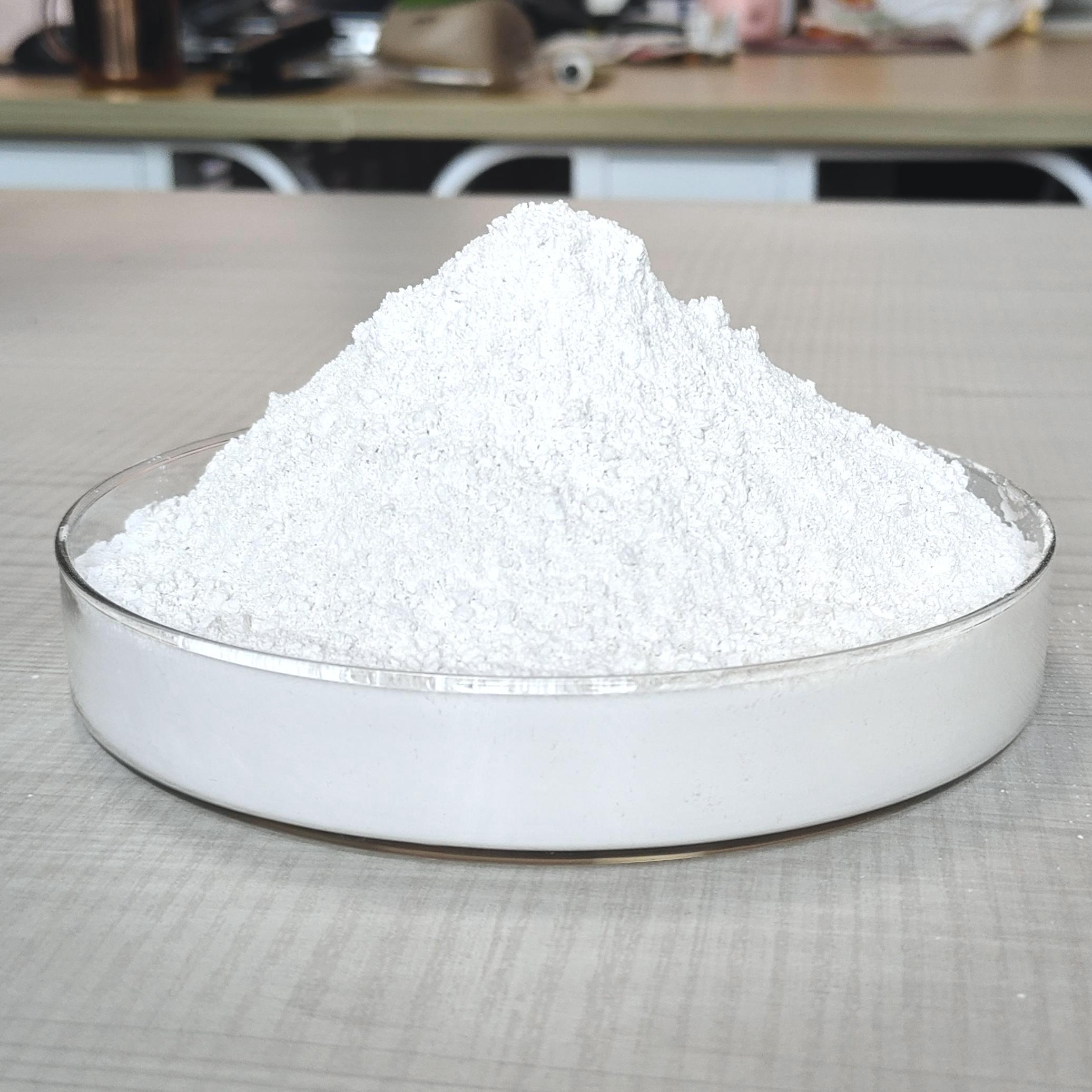
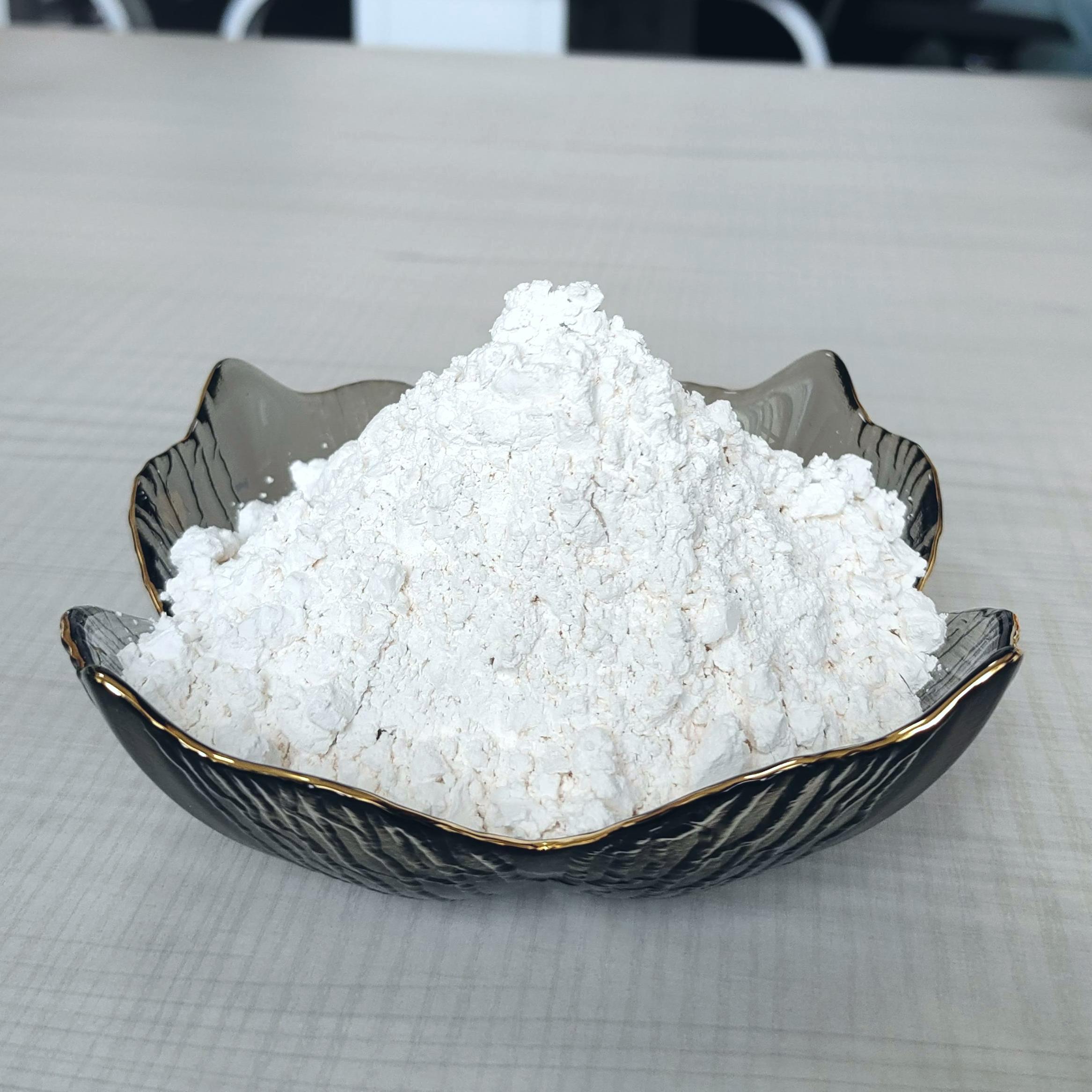
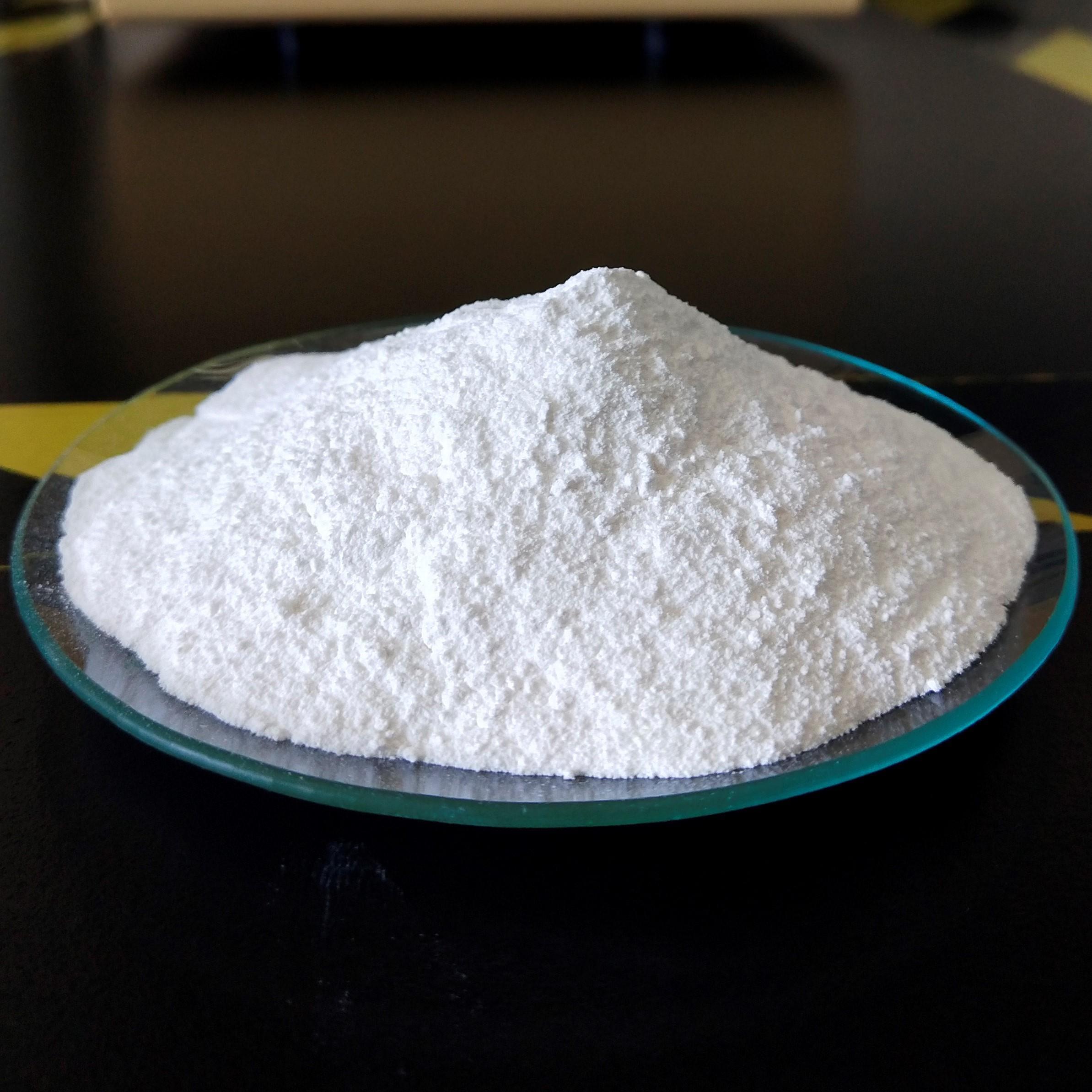
PCC is a fine white powder that is synthesized from lime and carbon dioxide. It has distinct physical and chemical properties that differentiate it from ground calcium carbonate (GCC). PCC particles are smaller and more uniform in size, allowing them to provide specific functionalities in various applications. Due to its high whiteness and excellent dispersibility, PCC is particularly sought after in industries requiring bright white products.
3. The Production Process of PCC
The production of PCC involves several critical steps:
1. **Calcination**: Limestone is heated to produce quicklime (calcium oxide).
2. **Hydration**: Quicklime is mixed with water to produce slaked lime (calcium hydroxide).
3. **Carbonation**: Carbon dioxide is bubbled through the slaked lime suspension, leading to the precipitation of calcium carbonate.
4. **Separation and Drying**: The resulting PCC is separated from the liquid phase, washed, and then dried to obtain a fine powder.
This process allows manufacturers to tailor the properties of PCC to meet specific end-use requirements, such as particle size, surface area, and purity.
4. Applications of Precipitated Calcium Carbonate in Various Industries
PCC has a broad range of applications across numerous sectors, enhancing product quality and performance. Below are some key industries where PCC plays a vital role:
4.1 PCC in Papermaking
In the paper industry, PCC is used as a filler and coating pigment, significantly improving brightness and opacity. Its fine particle size allows for excellent dispersion in pulp, enhancing the overall quality of paper products. Furthermore, using PCC can reduce costs by replacing more expensive materials while maintaining high performance.
4.2 PCC in Plastics
PCC serves as a functional filler in plastic manufacturing, providing improved mechanical properties and surface finish. By incorporating PCC, manufacturers can achieve lightweight designs without compromising strength. Additionally, it helps in lowering production costs, making plastics more affordable.
4.3 PCC in Food Products
In the food industry, PCC is utilized as a food additive, primarily for its calcium content and functionality as an anti-caking agent. It acts as a bulking agent and helps improve the texture of various food products, such as baked goods and dairy items. Its high purity ensures that it is safe for consumption.
4.4 PCC in Pharmaceuticals
PCC is widely used in the pharmaceutical industry as an excipient in tablet formulations. It provides bulk and enhances the flow properties of powders, ensuring uniformity in tablet production. Its neutral taste and excellent compressibility make it a preferred choice for many pharmaceutical applications.
4.5 PCC in Construction
In construction, PCC is used as a filler in cement and concrete, improving their durability and workability. Its high whiteness contributes to the aesthetics of building materials, while its fine particle size enhances the performance of construction products, including paints and coatings.
5. Benefits of Using Precipitated Calcium Carbonate
Utilizing PCC in manufacturing processes offers several advantages that contribute to overall efficiency and product quality.
5.1 Cost-Effectiveness
PCC provides a cost-effective solution for manufacturers by reducing the reliance on more expensive raw materials. Its ability to improve product performance without significant cost increases makes it an attractive option for various industries.
5.2 Environmental Sustainability
As a naturally occurring mineral, PCC is an environmentally friendly choice for manufacturing. Its production process can be optimized to minimize waste and emissions, contributing to sustainability initiatives. By using PCC, companies can enhance their eco-friendliness while meeting regulatory requirements.
5.3 Enhanced Product Performance
The unique properties of PCC lead to improved product performance across multiple applications. Its fine particle size and high purity enable manufacturers to create superior products, whether in paper, plastics, or construction materials. This enhancement in quality can lead to increased customer satisfaction and loyalty.
6. Frequently Asked Questions
What is the difference between PCC and GCC?
PCC is produced through a controlled chemical process, resulting in a finer and more uniform particle size compared to ground calcium carbonate (GCC), which is obtained from natural limestone.
Is PCC safe for food and pharmaceutical use?
Yes, PCC is recognized as safe for food and pharmaceutical applications due to its high purity and compliance with regulatory standards.
How does PCC enhance the quality of paper products?
PCC improves the brightness and opacity of paper products while serving as a cost-effective filler that enhances overall paper quality.
What are the environmental benefits of using PCC?
PCC is a natural mineral, and its production can be optimized to reduce waste and emissions, contributing to more sustainable manufacturing processes.
Can PCC replace other materials in manufacturing?
Yes, PCC can often replace more expensive materials in various applications, providing similar or enhanced performance at a lower cost.
7. Conclusion
Precipitated Calcium Carbonate is more than just a filler; it is a versatile material that enhances the quality and performance of products across multiple industries. From papermaking to plastics, food, pharmaceuticals, and construction, the benefits of using PCC are evident in cost savings, environmental sustainability, and improved product properties. As industries continue to evolve, the importance of PCC will only grow, making it an essential component in modern manufacturing processes. Embracing the advantages of PCC can lead to significant advancements in product quality, sustainability, and overall operational efficiency.
precipitated calcium carbonate

Get in Touch with Us Today

EZ Chemical is one of the best suppliers of calcium carbonate series products in China.
CONTACT US
E-mail: kevin_song@ezchemical.cn
ADD:Room 2008, Building 8, Jinse Yangguang, Xin'an East Road, Xin'anjiang Street, Jiande City, Zhejiang Province, China.