05
2025
-
12
Understanding Precipitated Calcium Carbonate: Properties, Applications, and Benefits
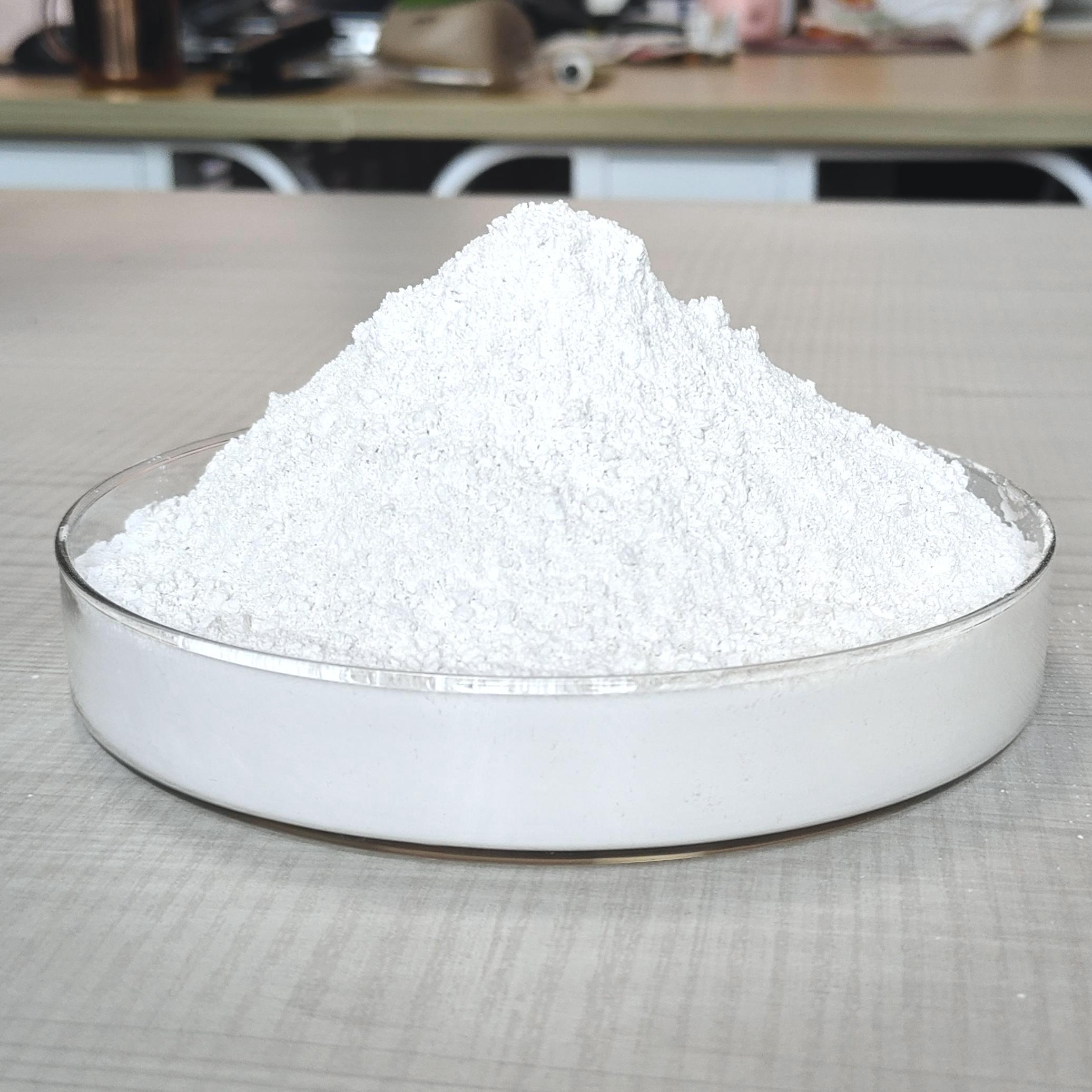
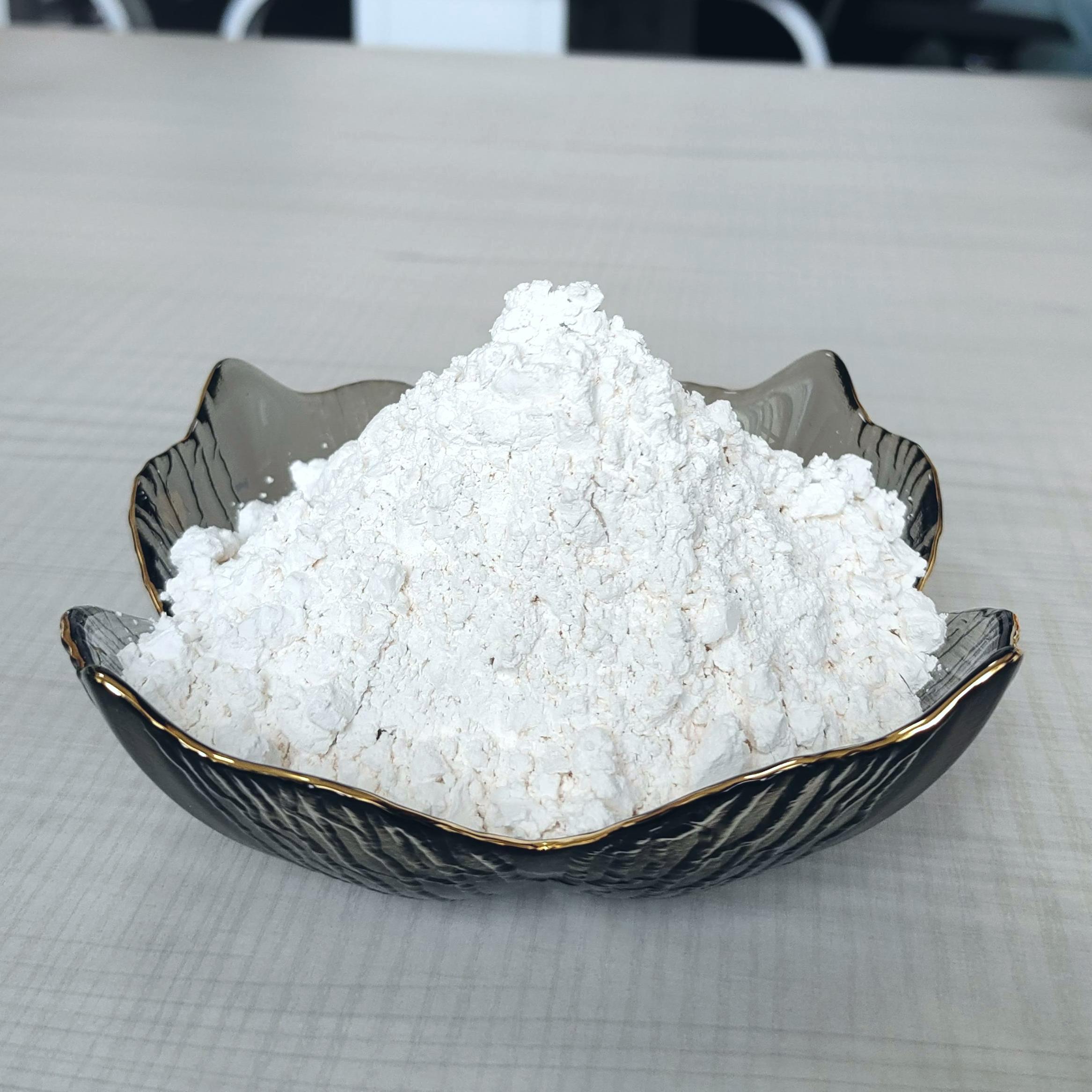
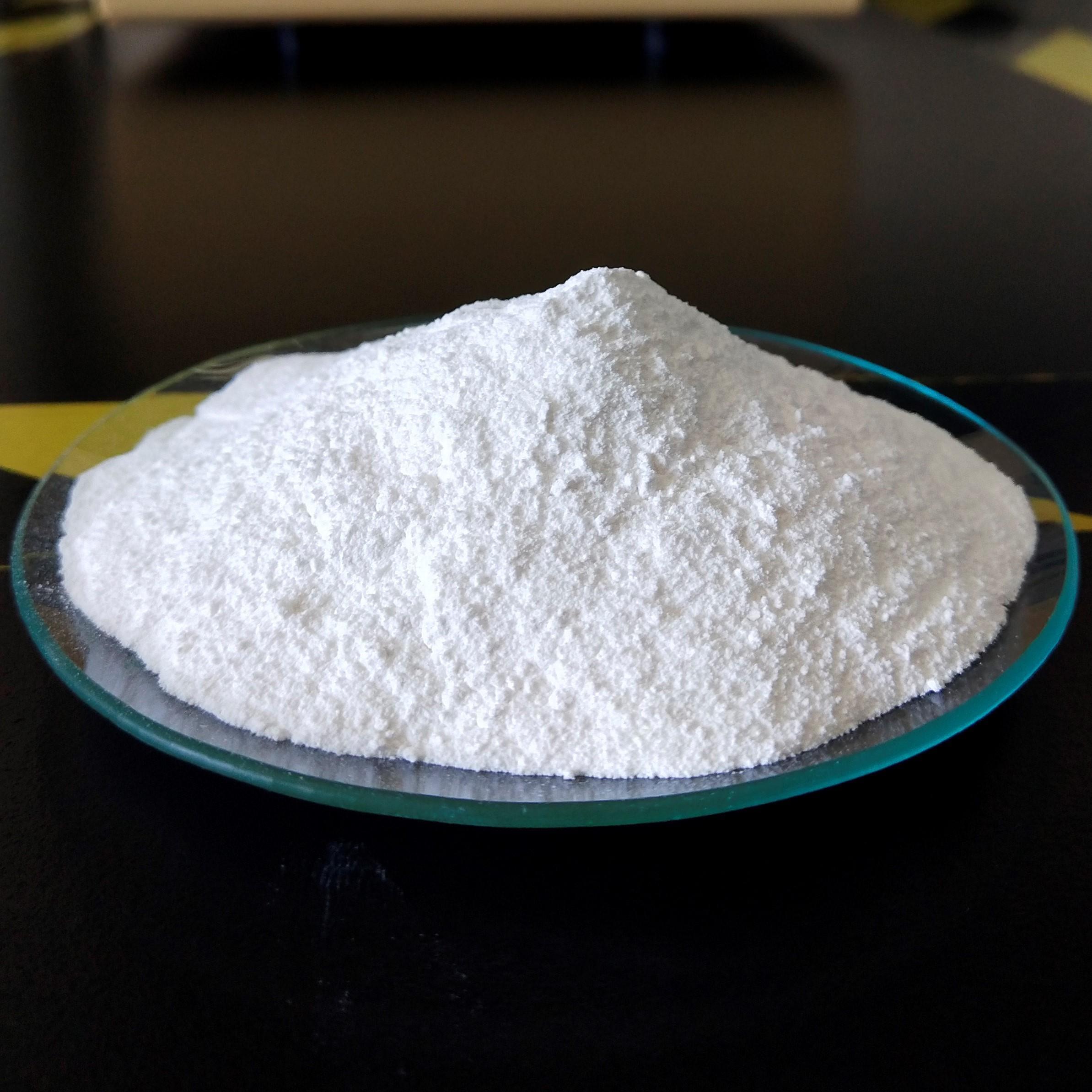
Precipitated calcium carbonate (PCC) is a versatile synthetic form of calcium carbonate, created by the reaction of carbon dioxide with calcium hydroxide. This process yields fine, white powder that is widely utilized in various industrial applications due to its unique properties. One of the remarkable features of PCC is its high purity level, which is essential in sectors where contamination can
One of the remarkable features of PCC is its high purity level, which is essential in sectors where contamination can compromise product quality. This purity is achieved through controlled precipitation processes, allowing for consistent particle size and shape, which directly influences its application efficiency.
In the paint and coatings industry, PCC serves as a vital filler and pigment. Its fine particle size contributes to the smooth texture of paints, improves opacity, and enhances the overall brightness of colors. Additionally, PCC can act as a rheology modifier, controlling the viscosity of the paint formulation, thus ensuring ease of application and improved performance.
PCC also plays a significant role in the paper industry, where it is used both as a filler and a coating pigment. The use of precipitated calcium carbonate in paper production enhances the brightness and opacity of the final product while also reducing costs, as it can partially replace more expensive materials without compromising quality.
In the plastics sector, PCC is used to improve the mechanical properties of plastic products. By incorporating PCC as a filler, manufacturers can achieve better dimensional stability and enhanced surface finish in plastic goods. The addition of PCC can also reduce production costs, making it an attractive option for many plastic manufacturers.
Another important application of PCC is in the food and pharmaceutical industries, where it is utilized as an additive due to its non-toxic nature. In these sectors, it serves as a calcium supplement, improving the nutritional value of certain products while also acting as a free-flow agent and stabilizer.
Moreover, PCC is increasingly being explored for its environmental benefits. It can be used in carbon capture processes, where it helps sequester carbon dioxide from industrial emissions, contributing to sustainability efforts and reducing the carbon footprint of manufacturing processes.
In summary, precipitated calcium carbonate is a multifaceted compound with applications spanning across various industries, including paints, paper, plastics, food, and pharmaceuticals. Its unique properties and benefits make it an indispensable material in many manufacturing processes. For professionals in the chemical industry, understanding the potential of PCC can lead to innovative solutions and improved product performance.
precipitated calcium carbonate

Get in Touch with Us Today

EZ Chemical is one of the best suppliers of calcium carbonate series products in China.
CONTACT US
E-mail: kevin_song@ezchemical.cn
ADD:Room 2008, Building 8, Jinse Yangguang, Xin'an East Road, Xin'anjiang Street, Jiande City, Zhejiang Province, China.