10
2025
-
12
Global Demand for Precipitated Calcium Carbonate Rises as Industries Shift Toward High-Performance Fillers
Precipitated calcium carbonate offers high purity, fine particle size, and stable performance for paper, plastics, coatings, and rubber manufacturing
The global industrial materials market is experiencing significant growth in demand for precipitated calcium carbonate (PCC), a highly refined form of calcium carbonate widely used across paper manufacturing, plastics, coatings, rubber, adhesives, pharmaceuticals, and food industries. As companies seek materials with enhanced performance, improved consistency, and sustainability benefits, PCC has become an essential ingredient in multiple industrial applications.
Precipitated calcium carbonate is produced through a controlled chemical process that allows manufacturers to achieve exceptional purity, fine particle size, and customizable morphology. Unlike ground calcium carbonate, PCC can be tailored to meet specific performance needs, offering superior brightness, opacity, and dispersion quality. These characteristics make PCC especially valuable in high-end products where material consistency and efficiency are critical.
Over the past few years, the paper industry has remained the largest consumer of PCC. With the continued expansion of packaging and printing sectors, demand for high-brightness fillers has increased substantially. PCC enhances paper opacity, smoothness, and printability, while reducing production costs by replacing more expensive pulp materials. The shift toward lightweight and high-performance packaging has also accelerated PCC adoption worldwide.
In the plastics and polymer sector, PCC is gaining traction as manufacturers look for ways to improve mechanical strength, thermal stability, and surface finish. The ability to engineer PCC particles with controlled size and shape enables enhanced reinforcement effects, making PCC a preferred additive in PVC, polypropylene, polyethylene, and biodegradable plastics. As sustainability becomes a priority, PCC’s compatibility with recycled plastics is further driving its market growth.
The coatings and paints industry is another key area where precipitated calcium carbonate is increasingly used. PCC provides excellent whiteness, gloss control, and rheological stability, enabling paint formulators to achieve smooth texture and consistent color quality. With rising demand for eco-friendly water-based coatings, PCC has emerged as a cost-effective and high-performance pigment extender.
In rubber and adhesive applications, PCC helps improve elasticity, tensile strength, and durability. Its fine particle distribution allows for better mixing and enhances bonding performance. The construction sector, which relies heavily on sealants and elastomers, is contributing to the rising consumption of PCC-based additives.
Technological advancements in PCC production are instrumental in expanding its global use. Modern manufacturing techniques allow precise control of crystal formation, resulting in specialized PCC types such as rhombohedral, scalenohedral, and needle-shaped particles. These variations offer specific performance advantages depending on the end-use industry. Manufacturers are also investing in low-carbon production processes and energy-efficient technologies to meet environmental regulations.
Asia-Pacific continues to dominate the global PCC market due to rapid industrialization, strong demand from paper and plastics manufacturers, and growing investment in chemical processing capabilities. China and India are leading production hubs, supplying PCC to global markets while expanding domestic usage. Meanwhile, Europe and North America are experiencing steady demand driven by sustainable packaging, advanced coatings, and high-purity pharmaceutical-grade PCC.
With increasing pressure on industries to improve efficiency, reduce environmental impact, and enhance product quality, the demand for precipitated calcium carbonate is expected to rise steadily in the coming decade. As manufacturers develop more specialized PCC grades and adopt greener production technologies, PCC will continue to strengthen its position as a vital component in modern industrial materials.
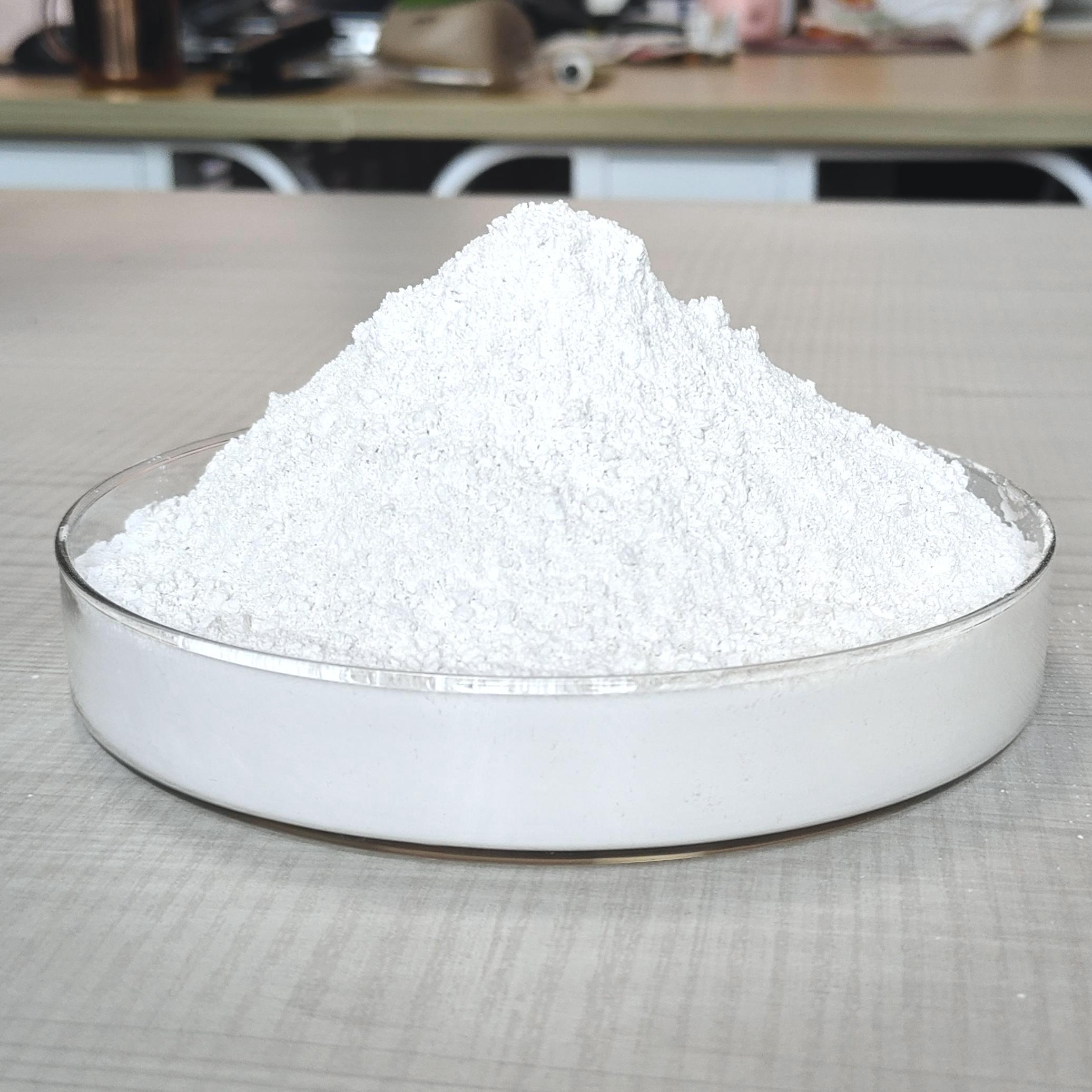
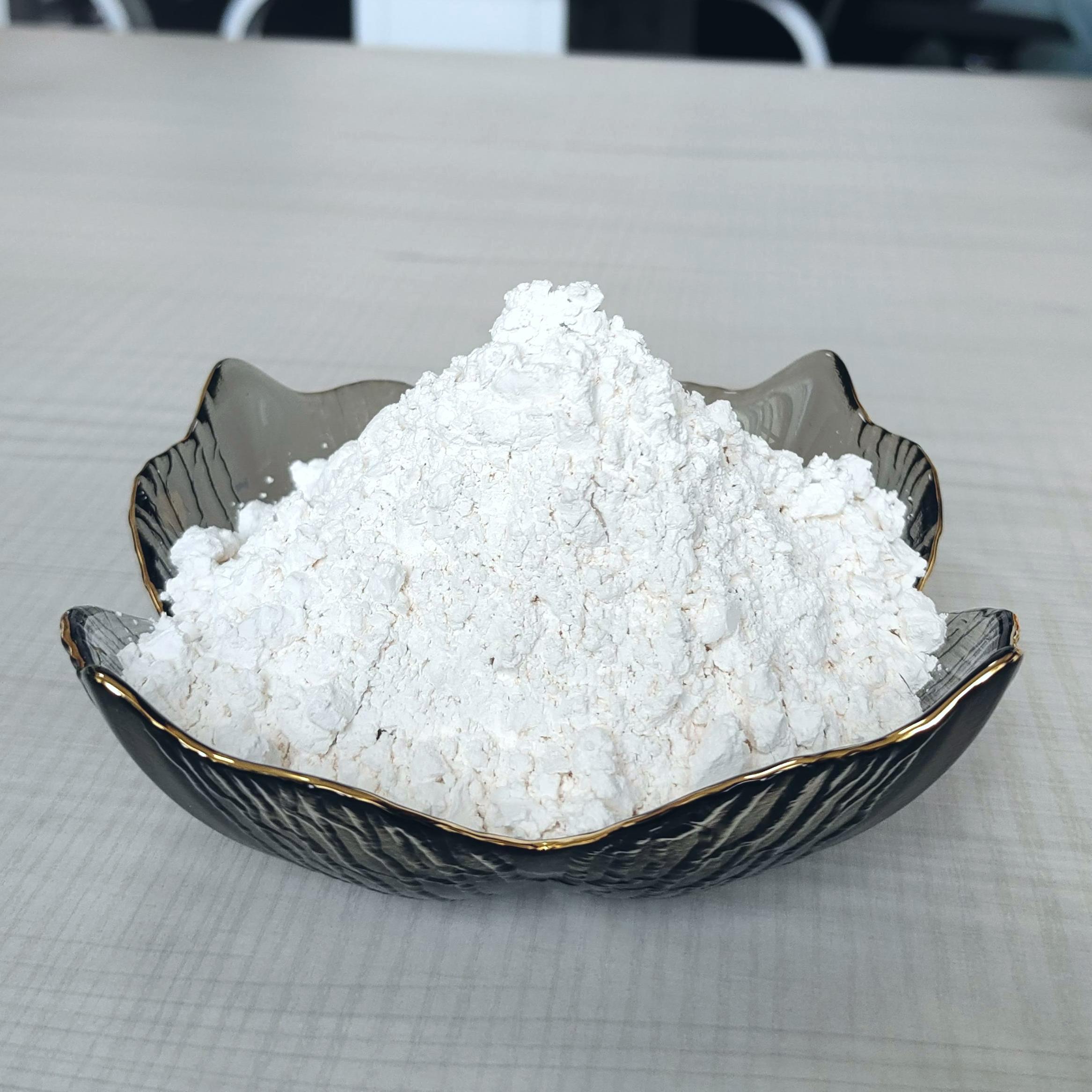
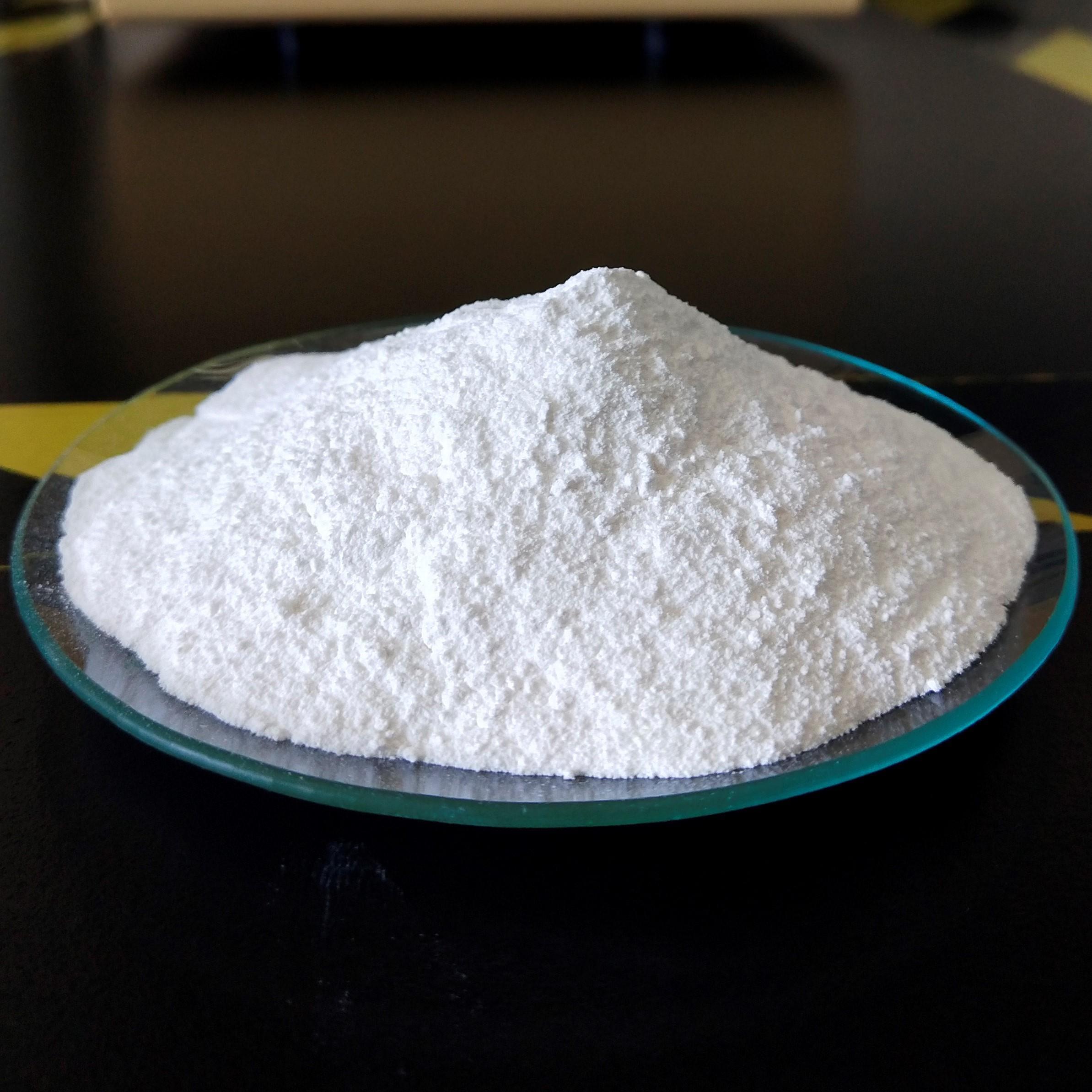
precipitated calcium carbonate

Get in Touch with Us Today

EZ Chemical is one of the best suppliers of calcium carbonate series products in China.
CONTACT US
E-mail: kevin_song@ezchemical.cn
ADD:Room 2008, Building 8, Jinse Yangguang, Xin'an East Road, Xin'anjiang Street, Jiande City, Zhejiang Province, China.