30
2025
-
11
Discovering Calcium Hydroxide: Enhancing Food Safety and Quality
Calcium Hydroxide and its Role in Enhancing Food Safety Table of Contents 1. Introduction to Calcium Hydroxide 2. Chemical Properties of Calcium Hydroxide 3. Understanding Food Safety 4. Applications of Calcium Hydroxide in the Food Industry 4.1 Role as a Preservative 4.2 pH Control in Food Processing 4.3 Water Treatment and Food Safety
Calcium Hydroxide and its Role in Enhancing Food Safety
Table of Contents
- 1. Introduction to Calcium Hydroxide
- 2. Chemical Properties of Calcium Hydroxide
- 3. Understanding Food Safety
- 4. Applications of Calcium Hydroxide in the Food Industry
- 5. Benefits of Calcium Hydroxide in Food Safety
- 6. Regulatory Framework for Calcium Hydroxide in Food
- 7. Safety Considerations in the Use of Calcium Hydroxide
- 8. Future Trends in the Use of Calcium Hydroxide
- 9. Frequently Asked Questions
- 10. Conclusion
1. Introduction to Calcium Hydroxide
Calcium Hydroxide, also known as slaked lime or hydrated lime, is a versatile inorganic compound with the chemical formula Ca(OH)₂. This colorless crystalline solid plays a significant role in various industries, including construction, water treatment, and food processing. In recent years, its importance in enhancing food safety has garnered attention. This article delves deep into how Calcium Hydroxide contributes to food safety, quality enhancement, and preservation.
2. Chemical Properties of Calcium Hydroxide
Calcium Hydroxide is produced by hydrating quicklime (calcium oxide). Its properties include:
- **Solubility**: It is sparingly soluble in water, forming a milky suspension known as milk of lime.
- **Alkalinity**: This compound exhibits basic properties, making it useful for neutralizing acids.
- **Reactivity**: Calcium Hydroxide reacts with carbon dioxide, leading to the formation of calcium carbonate, which is a crucial aspect of its application in food safety.
Understanding these properties is essential for leveraging Calcium Hydroxide effectively in food processing and preservation.
3. Understanding Food Safety
Food safety encompasses the handling, preparation, and storage of food in ways that prevent foodborne illness and injury. It is a critical aspect of public health, ensuring that food products are safe for consumption. The role of additives and preservatives, such as Calcium Hydroxide, is paramount in maintaining food safety by inhibiting microbial growth, enhancing shelf life, and ensuring product quality.
4. Applications of Calcium Hydroxide in the Food Industry
Calcium Hydroxide serves multiple functions in the food industry, contributing to enhanced food safety and quality.
4.1 Role as a Preservative
Calcium Hydroxide is increasingly recognized as a natural preservative. Its high pH level creates an unfavorable environment for pathogenic bacteria, yeasts, and molds. By incorporating Calcium Hydroxide into food products, manufacturers can extend shelf life while maintaining quality.
4.2 pH Control in Food Processing
Maintaining optimal pH levels is crucial in food processing. Calcium Hydroxide's alkaline properties help regulate acidity in various food products, ensuring safety and enhancing flavors. For example, it's commonly used in the processing of beverages, dairy products, and canned foods.
4.3 Water Treatment and Food Safety
Calcium Hydroxide plays a vital role in water treatment processes. By treating water with Calcium Hydroxide, harmful microorganisms are effectively neutralized, ensuring the safety of water used in food preparation. This application is particularly significant in areas where water quality is compromised.
5. Benefits of Calcium Hydroxide in Food Safety
Utilizing Calcium Hydroxide in food processing offers numerous benefits, including:
- **Extended Shelf Life**: By preventing microbial growth and spoilage, Calcium Hydroxide helps extend the shelf life of various food products.
- **Improved Quality**: The compound aids in maintaining the taste, color, and texture of food, contributing to overall product quality.
- **Cost-Effective Preservation**: As a natural additive, Calcium Hydroxide can reduce dependence on synthetic preservatives, appealing to health-conscious consumers.
- **Environmental Benefits**: Its use in food safety aligns with sustainable practices, as it is a naturally occurring compound.
6. Regulatory Framework for Calcium Hydroxide in Food
The use of Calcium Hydroxide in food products is regulated by various food safety authorities worldwide. In the United States, the Food and Drug Administration (FDA) recognizes it as Generally Recognized as Safe (GRAS) for specific applications. Regulatory bodies ensure that Calcium Hydroxide is used within safe limits and guidelines to protect consumer health.
7. Safety Considerations in the Use of Calcium Hydroxide
While Calcium Hydroxide is generally safe, certain considerations must be addressed:
- **Dosage**: Adhering to recommended dosages is crucial to avoid adverse effects, as excessive use can lead to increased alkalinity in food products.
- **Handling Precautions**: Workers in food processing plants should be trained to handle Calcium Hydroxide safely, as it may cause irritation to the skin and eyes.
- **Consumer Awareness**: Educating consumers about its role and safety can enhance public perception and acceptance of Calcium Hydroxide as a food ingredient.
8. Future Trends in the Use of Calcium Hydroxide
As the food industry evolves, the demand for natural preservatives is rising. Calcium Hydroxide is expected to gain traction due to its effectiveness and safety profile. Innovations in food processing technologies may lead to new applications, enhancing its role in food safety. Research into its potential benefits will also continue, providing further insights into its applications.
9. Frequently Asked Questions
1. What is Calcium Hydroxide?
Calcium Hydroxide, also known as slaked lime, is an inorganic compound used in various industries, including food processing, where it enhances safety and quality.
2. Is Calcium Hydroxide safe for food use?
Yes, Calcium Hydroxide is recognized as safe by regulatory bodies when used according to guidelines and recommended dosages.
3. How does Calcium Hydroxide improve food safety?
It improves food safety by acting as a natural preservative, controlling pH levels, and treating water used in food preparation.
4. Can Calcium Hydroxide be used in all food products?
While it is effective in many applications, its use is regulated, and manufacturers should adhere to specific guidelines regarding its applications.
5. What are the benefits of using Calcium Hydroxide in food processing?
Benefits include extended shelf life, improved product quality, cost-effective preservation, and alignment with sustainable practices.
10. Conclusion
Calcium Hydroxide plays an essential role in enhancing food safety, offering numerous benefits that resonate with both manufacturers and consumers. Its applications as a natural preservative, pH regulator, and water treatment agent underscore its importance in the food industry. As we continue to seek safer, more sustainable food solutions, Calcium Hydroxide stands out as a valuable ingredient that not only preserves food but also contributes to the overall quality and safety of our food supply. Embracing this compound can pave the way for innovative practices that align with evolving consumer demands and regulatory standards.
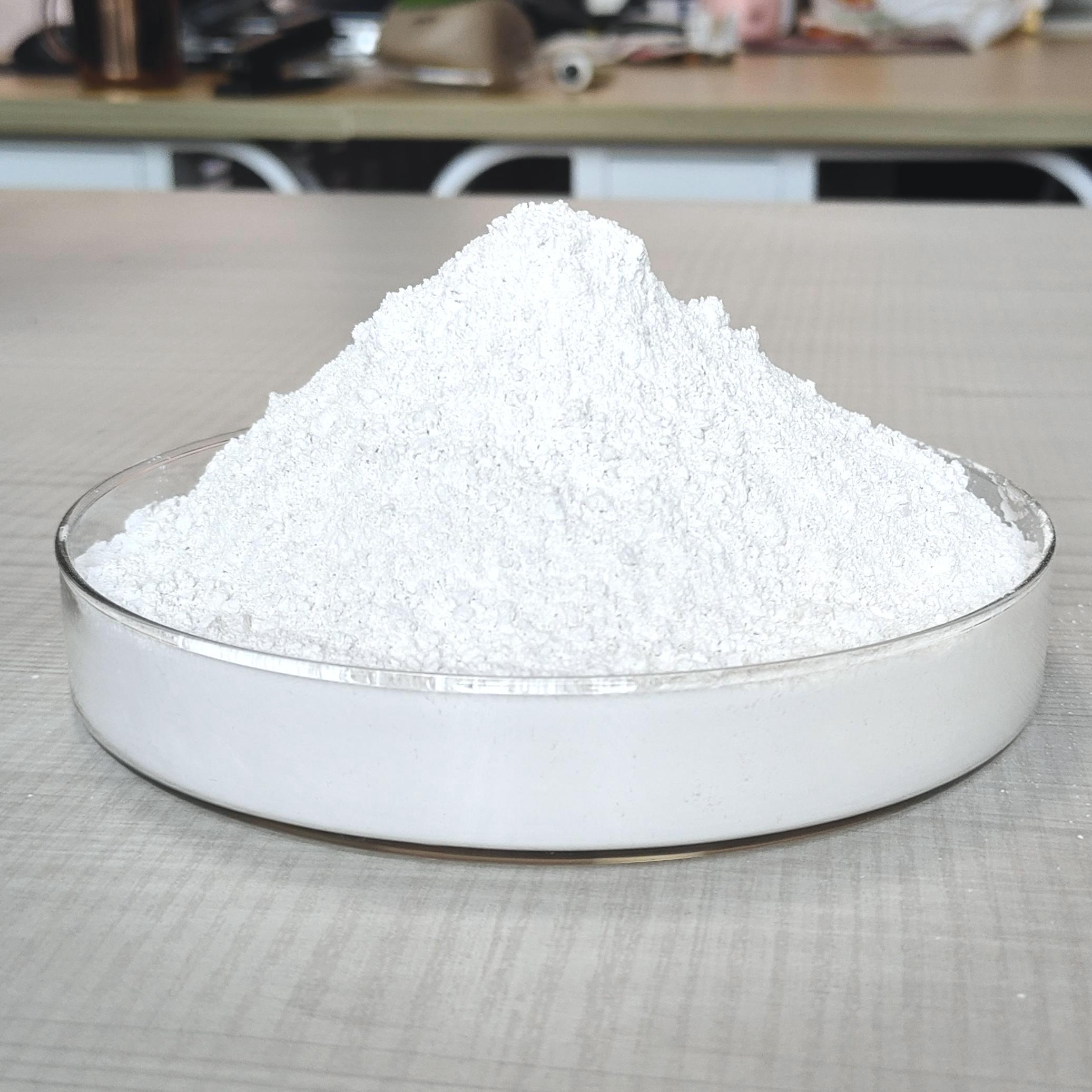
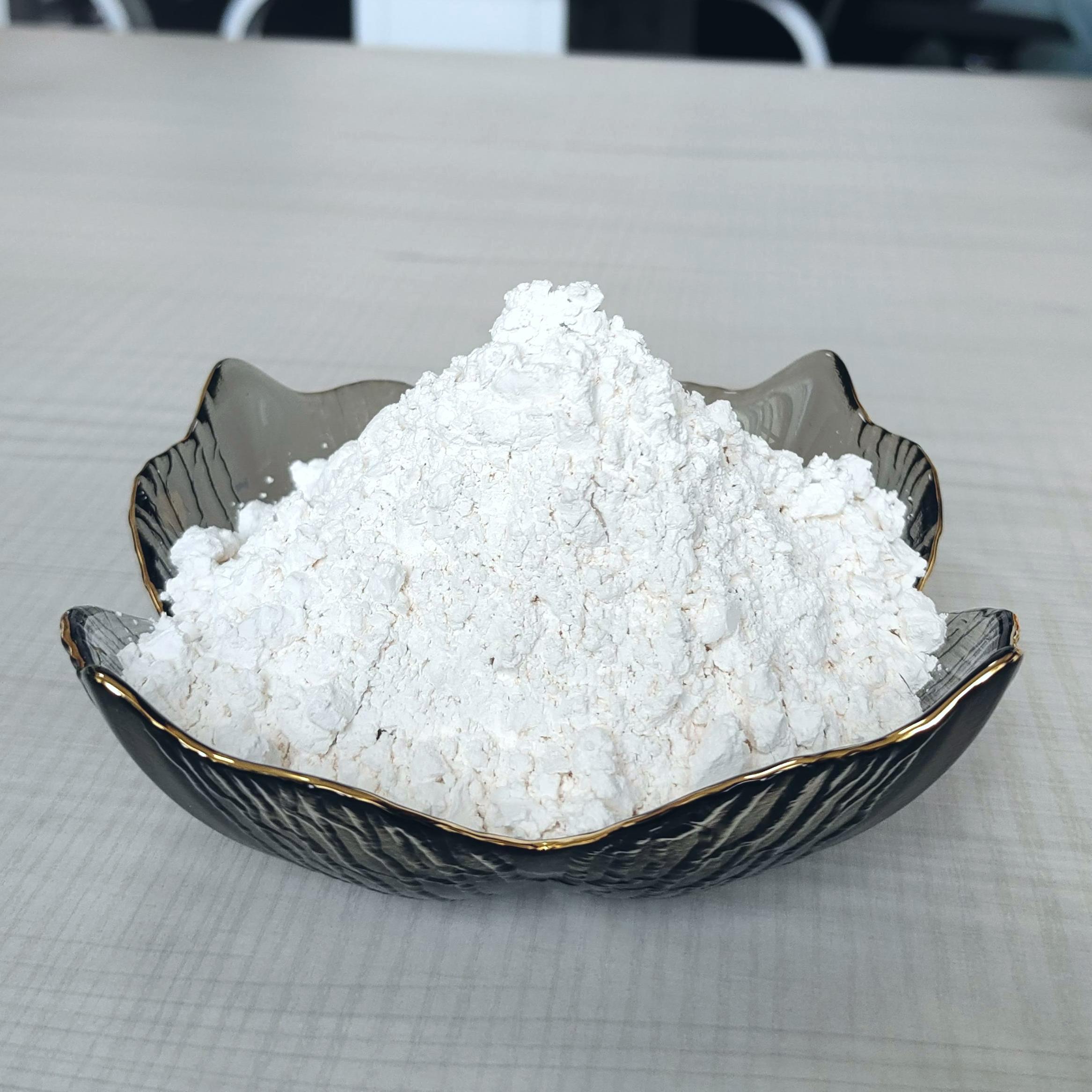
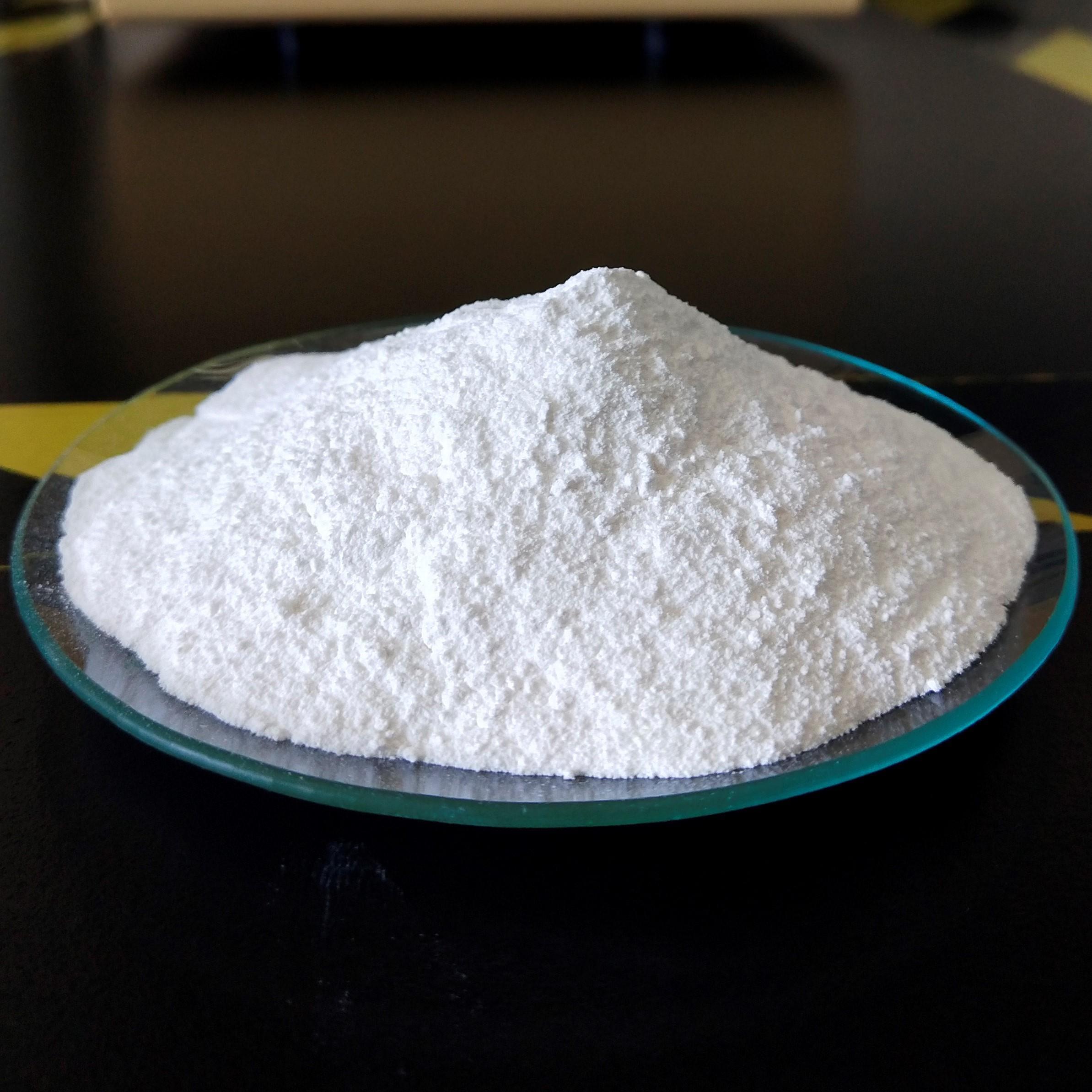
calcium hydroxide

Get in Touch with Us Today

EZ Chemical is one of the best suppliers of calcium carbonate series products in China.
CONTACT US
E-mail: kevin_song@ezchemical.cn
ADD:Room 2008, Building 8, Jinse Yangguang, Xin'an East Road, Xin'anjiang Street, Jiande City, Zhejiang Province, China.