15
2025
-
11
Understanding Calcium Hydroxide: Applications and Properties
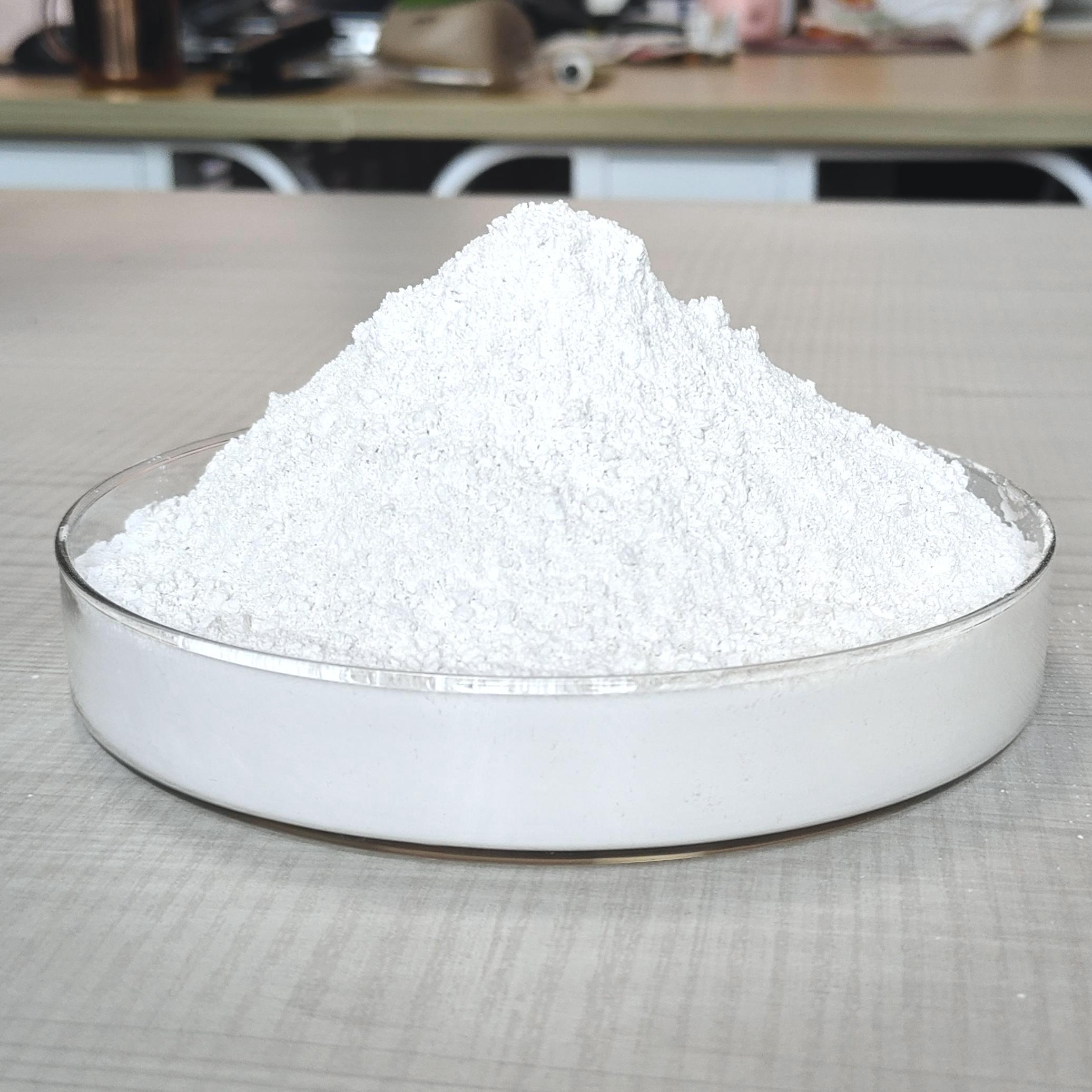
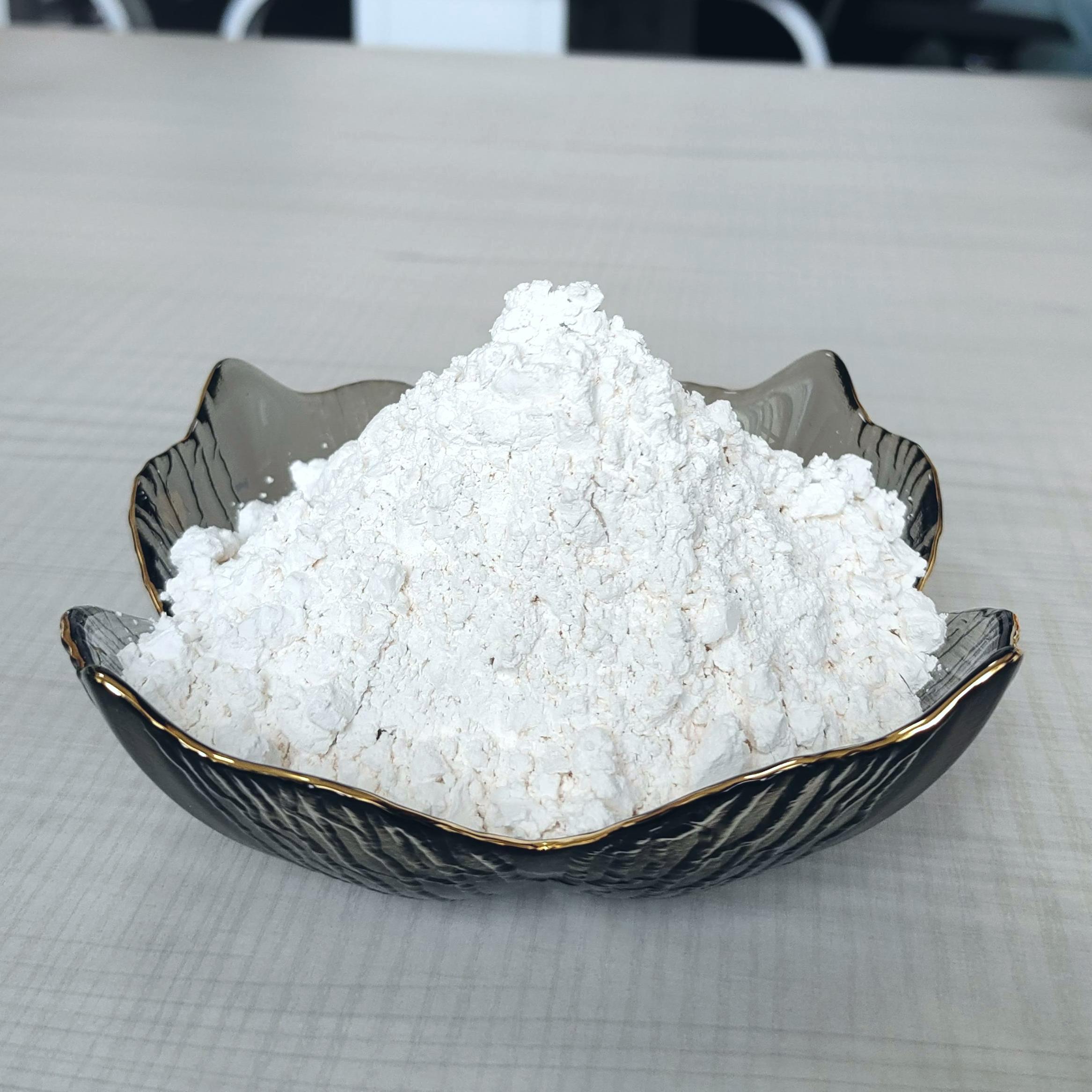
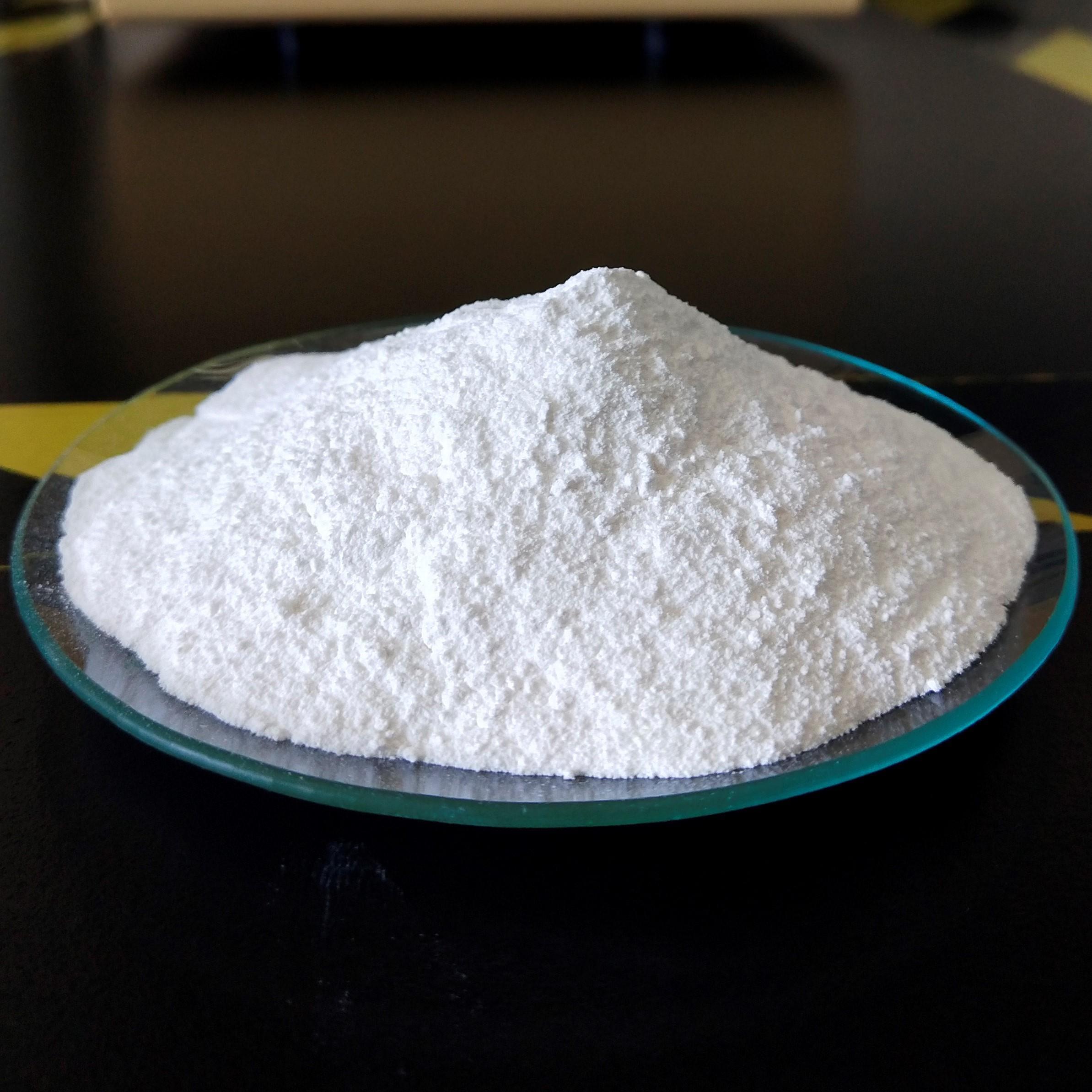
Calcium hydroxide, represented by the chemical formula Ca(OH)₂, is an inorganic compound that appears as a white powder or crystalline solid. It is produced through the hydration of calcium oxide (quicklime) and is soluble in water, creating a strongly alkaline solution often referred to as limewater. The unique properties of calcium hydroxide make it an essential component in various applications
One of the primary uses of calcium hydroxide is in the construction industry, where it acts as a key ingredient in mortars and plasters. Its ability to enhance the workability of cementitious materials while also providing antimicrobial properties makes it a valuable addition to building materials. Furthermore, calcium hydroxide’s capacity to absorb carbon dioxide from the atmosphere allows structures to become more environmentally friendly over time, as it can contribute to the process of carbon sequestration.
In agriculture, calcium hydroxide plays a crucial role in soil treatment and improvement. It is used to neutralize acidic soils, enhancing soil quality and promoting healthy crop growth. By maintaining an optimal pH level in the soil, calcium hydroxide helps to increase nutrient availability to plants, ultimately leading to better yields. Additionally, it is used in the production of calcium-based fertilizers, contributing to soil health and plant nutrition.
The chemical industry also relies on calcium hydroxide for various processes. It is commonly used in water treatment to remove impurities and neutralize acidic waters. The compound reacts with dissolved carbon dioxide to precipitate calcium carbonate, effectively clarifying water. Moreover, calcium hydroxide is employed in the production of other chemicals, serving as a precursor for various calcium salts and compounds.
In the food industry, calcium hydroxide is utilized in processes such as lime washing of fruits and vegetables, enhancing their shelf life and safety. It is also used in the preparation of certain food products, such as tortillas, where it assists in improving texture and flavor.
In summary, calcium hydroxide is a multifaceted chemical compound with a wide range of applications in construction, agriculture, water treatment, and food processing. Its unique properties, including alkaline nature and ability to react with carbon dioxide, contribute to its significance across various sectors. Understanding the importance and uses of calcium hydroxide can help industries make informed decisions regarding its application, ultimately enabling them to harness its benefits effectively.
calcium hydroxide

Get in Touch with Us Today

EZ Chemical is one of the best suppliers of calcium carbonate series products in China.
CONTACT US
E-mail: kevin_song@ezchemical.cn
ADD:Room 2008, Building 8, Jinse Yangguang, Xin'an East Road, Xin'anjiang Street, Jiande City, Zhejiang Province, China.