10
2025
-
11
Calcium Hydroxide: The Natural Enhancer for Agricultural Yield
Calcium Hydroxide: A Natural Way to Improve Agricultural Yield Table of Contents 1. Introduction to Calcium Hydroxide in Agriculture 2. Understanding Calcium Hydroxide 3. Benefits of Calcium Hydroxide for Agricultural Yield 4. Improving Soil Health with Calcium Hydroxide 5. Calcium Hydroxide as a Natural Pesticide 6. Effective Application Techniques for Maximum Yield 7
Calcium Hydroxide: A Natural Way to Improve Agricultural Yield
Table of Contents
- 1. Introduction to Calcium Hydroxide in Agriculture
- 2. Understanding Calcium Hydroxide
- 3. Benefits of Calcium Hydroxide for Agricultural Yield
- 4. Improving Soil Health with Calcium Hydroxide
- 5. Calcium Hydroxide as a Natural Pesticide
- 6. Effective Application Techniques for Maximum Yield
- 7. Sustainability and Environmental Impact of Calcium Hydroxide
- 8. Frequently Asked Questions (FAQs)
- 9. Conclusion: The Future of Agriculture with Calcium Hydroxide
1. Introduction to Calcium Hydroxide in Agriculture
Calcium hydroxide, commonly known as slaked lime, is an inorganic compound with significant implications in agricultural practices. With an increasing emphasis on sustainable farming, this natural mineral offers a plethora of benefits that can enhance the agricultural yield. By understanding its properties and applications, farmers can leverage calcium hydroxide to promote healthier crops and more productive soils.
2. Understanding Calcium Hydroxide
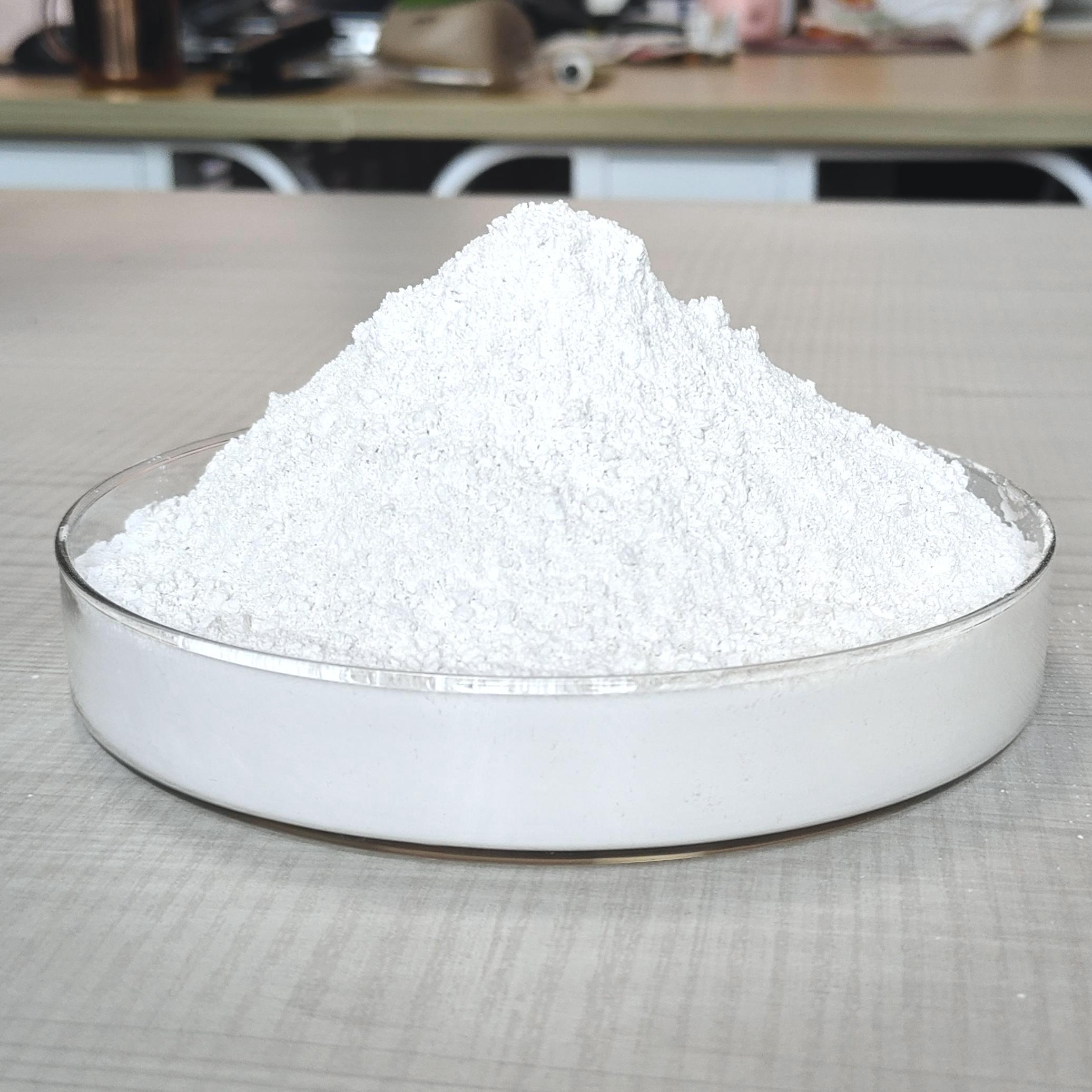
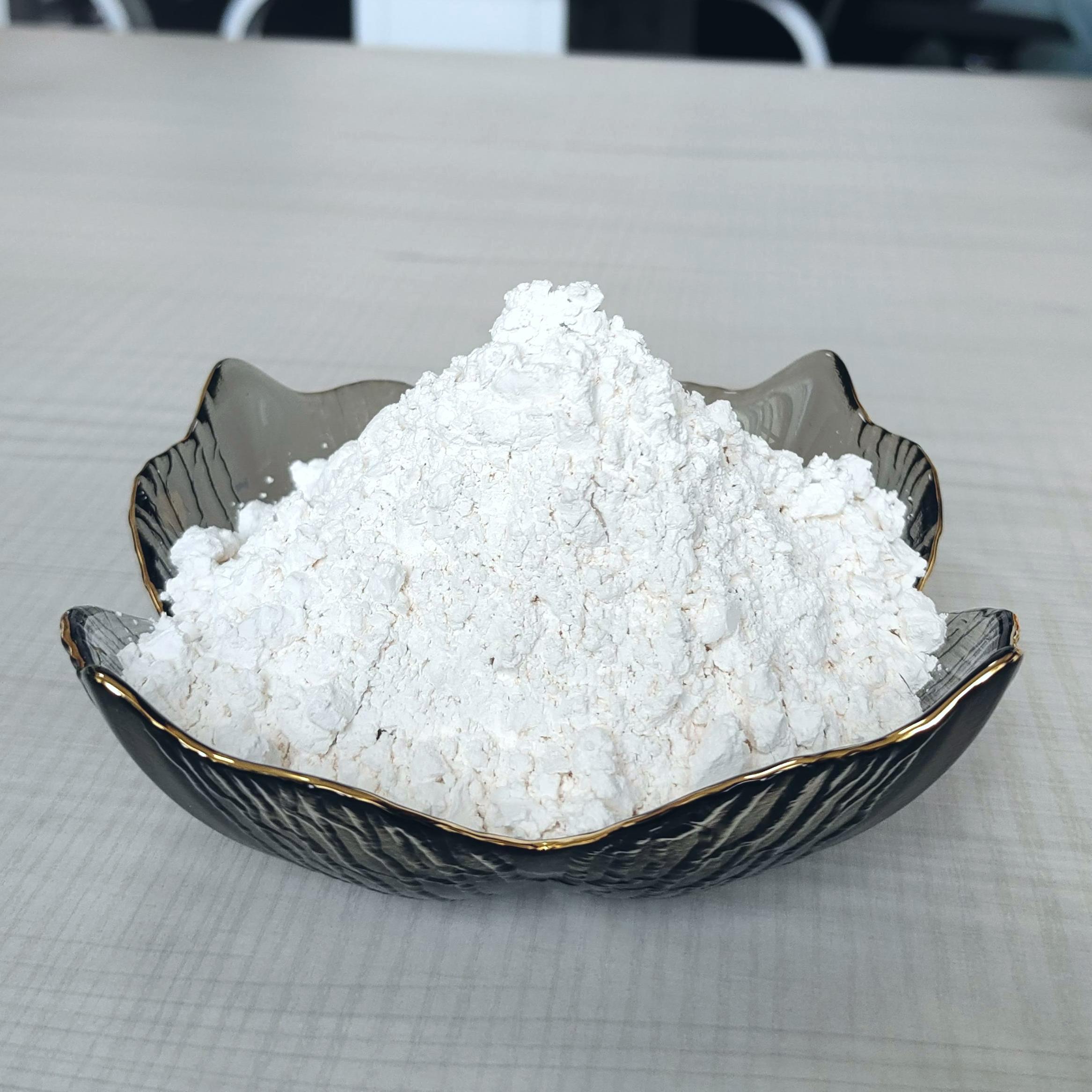
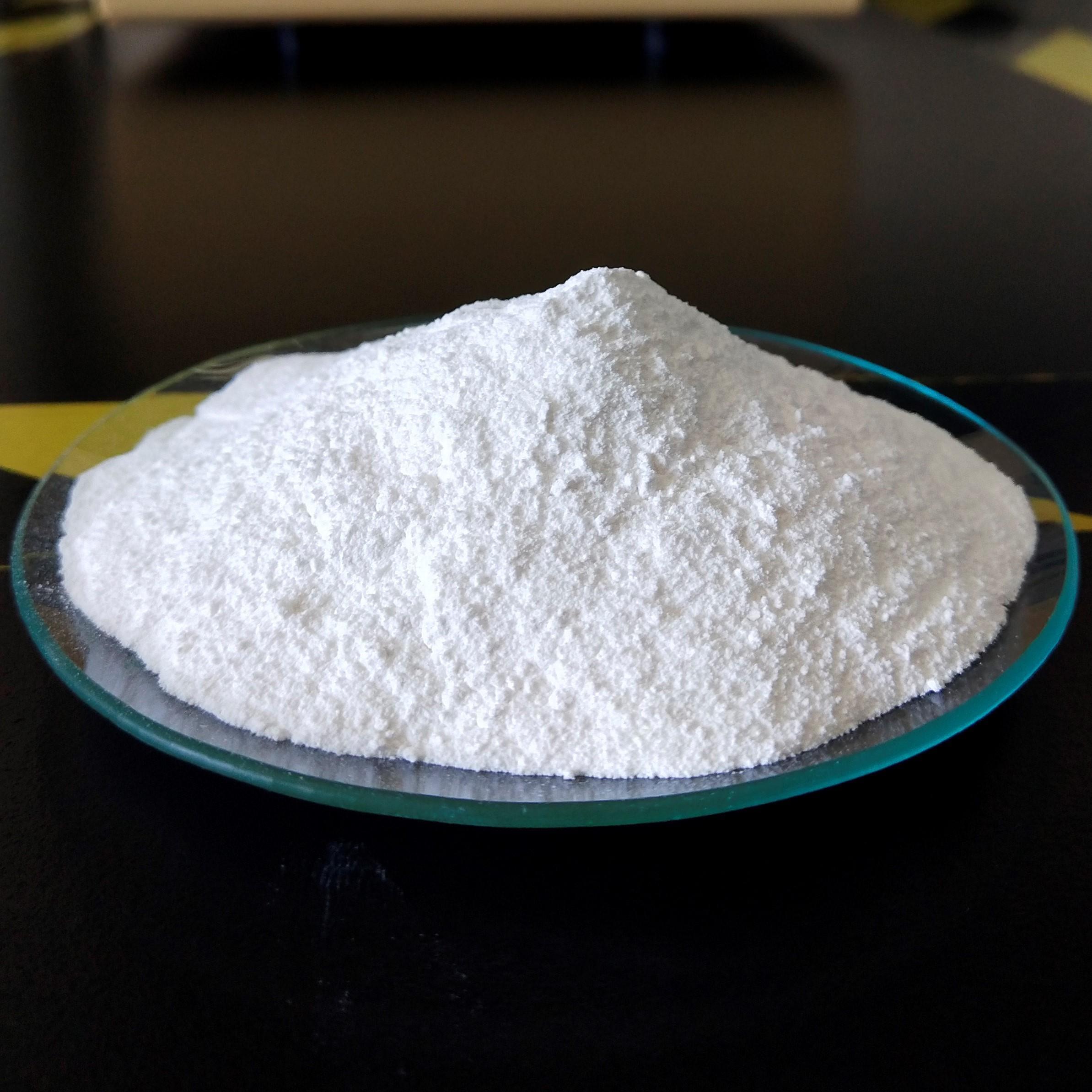
Calcium hydroxide is produced through the hydration of calcium oxide, a process that involves adding water to quicklime. This white, powdery substance is not only a staple in construction and industry but also plays a crucial role in agriculture. Its chemical formula, Ca(OH)₂, indicates its composition: one calcium ion bonded to two hydroxide ions.
The advantages of calcium hydroxide stem from its alkalinity, allowing it to neutralize acidic soils and improve nutrient availability. Moreover, it serves as a source of calcium, an essential nutrient for plant growth.
3. Benefits of Calcium Hydroxide for Agricultural Yield
The use of calcium hydroxide in agriculture comes with an array of benefits that contribute to improving crop yields:
3.1 Enhances Soil pH Balance
An imbalanced pH level can hinder plant growth. Calcium hydroxide effectively raises the pH of acidic soils, creating a more hospitable environment for crops. This adjustment allows for greater nutrient availability, enabling plants to absorb essential minerals more efficiently.
3.2 Increases Nutrient Availability
In addition to balancing soil pH, calcium hydroxide enhances the availability of critical nutrients such as nitrogen, phosphorus, and potassium. These nutrients are vital for the development of robust plants and contribute significantly to increased agricultural yields.
3.3 Promotes Root Development
Calcium plays a pivotal role in root development. By providing a steady supply of calcium ions, calcium hydroxide fosters stronger root systems, leading to healthier plants that can access more water and nutrients from the soil.
3.4 Reduces Soil Compaction
Soil compaction can stifle plant growth and reduce agricultural productivity. Calcium hydroxide helps to alleviate compaction, enhancing soil structure and aeration to promote better root penetration and growth.
4. Improving Soil Health with Calcium Hydroxide
Healthy soil is the foundation of successful agriculture. By integrating calcium hydroxide into soil management practices, farmers can significantly improve soil health:
4.1 Enhancing Microbial Activity
Calcium hydroxide positively influences the soil microbiome. The balanced pH environment promotes the growth of beneficial microorganisms, which play a crucial role in nutrient cycling and organic matter decomposition.
4.2 Preventing Soil Erosion
The physical and chemical improvements brought about by calcium hydroxide contribute to increased soil stability. This helps prevent erosion, ensuring that fertile topsoil remains intact for future crop generations.
4.3 Suppressing Soil-Borne Diseases
By adjusting the soil pH and promoting beneficial microbial activity, calcium hydroxide can assist in suppressing soil-borne pathogens, reducing the reliance on chemical pesticides and promoting healthier crops.
5. Calcium Hydroxide as a Natural Pesticide
Calcium hydroxide also serves as a natural pesticide, effectively controlling various pests and diseases:
5.1 Managing Fungal Diseases
Fungal infections can devastate crops. Calcium hydroxide can be used as a natural fungicide, preventing and treating infections by altering the environmental conditions that foster fungal growth.
5.2 Protecting Against Insect Pests
The alkaline nature of calcium hydroxide can deter certain insects and pests, reducing the need for synthetic pesticides. This not only lowers production costs but also aids in maintaining ecological balance.
6. Effective Application Techniques for Maximum Yield
To maximize the benefits of calcium hydroxide, proper application techniques are essential:
6.1 Soil Testing
Before application, conducting a soil test is crucial. This helps determine the current pH level and nutrient status, allowing farmers to apply the appropriate amount of calcium hydroxide to achieve optimal results.
6.2 Timing of Application
The timing of calcium hydroxide application plays a significant role in its effectiveness. Ideally, it should be applied before planting, allowing adequate time for the soil to adjust its pH and nutrient availability.
6.3 Application Methods
Calcium hydroxide can be applied through various methods, including broadcasting, incorporation into the soil, or as a foliar spray. The method chosen should align with the specific agricultural practices and crop types involved.
7. Sustainability and Environmental Impact of Calcium Hydroxide
The sustainable benefits of calcium hydroxide extend beyond immediate agricultural outcomes:
7.1 Organic Farming Compatibility
As a natural mineral, calcium hydroxide aligns perfectly with organic farming practices. Its usage supports the philosophy of working with nature rather than against it, promoting holistic and sustainable agriculture.
7.2 Reducing Chemical Inputs
The use of calcium hydroxide can minimize the reliance on synthetic fertilizers and pesticides, significantly reducing agricultural chemical inputs. This leads to healthier ecosystems and less environmental degradation.
7.3 Long-Term Soil Improvement
Integrating calcium hydroxide into farming practices contributes to long-term soil health. By improving soil structure and nutrient availability, it ensures that future generations of crops can thrive without depleting the earth’s resources.
8. Frequently Asked Questions (FAQs)
8.1 What is calcium hydroxide?
Calcium hydroxide, also known as slaked lime, is an inorganic compound used in agriculture to improve soil pH, enhance nutrient availability, and promote healthy plant growth.
8.2 How does calcium hydroxide improve soil health?
Calcium hydroxide improves soil health by balancing pH levels, increasing nutrient availability, promoting root development, and enhancing microbial activity while reducing soil compaction.
8.3 Can calcium hydroxide be used in organic farming?
Yes, calcium hydroxide is suitable for organic farming as it is a natural mineral that supports sustainable agricultural practices.
8.4 What crops benefit most from calcium hydroxide application?
Most crops can benefit from the application of calcium hydroxide, particularly those sensitive to soil acidity, such as potatoes, corn, and various fruit trees.
8.5 Are there any risks associated with calcium hydroxide application?
While generally safe, excessive application of calcium hydroxide can lead to over-alkalinity, which may harm sensitive crops. It is essential to follow recommended application rates and conduct soil tests.
9. Conclusion: The Future of Agriculture with Calcium Hydroxide
Calcium hydroxide stands as a beacon of hope in modern agriculture, offering a natural solution to enhance agricultural yield while promoting sustainable practices. Its benefits span improved soil health, increased nutrient availability, and effective pest management. As farmers embrace innovative approaches to cultivation, calcium hydroxide proves to be an invaluable tool in their arsenal. By integrating this powerful mineral into their practices, they can contribute not only to their own success but also to the sustainability of the agricultural sector as a whole. Embracing calcium hydroxide today may very well shape the future of farming for generations to come.
calcium hydroxide

Get in Touch with Us Today

EZ Chemical is one of the best suppliers of calcium carbonate series products in China.
CONTACT US
E-mail: kevin_song@ezchemical.cn
ADD:Room 2008, Building 8, Jinse Yangguang, Xin'an East Road, Xin'anjiang Street, Jiande City, Zhejiang Province, China.