20
2025
-
11
The Importance of Calcium Hydroxide in Chemical Synthesis: Unlocking the Power of a Versatile Compound
The Importance of Calcium Hydroxide in Chemical Synthesis Table of Contents 1. Introduction to Calcium Hydroxide 2. What is Calcium Hydroxide? 3. Properties of Calcium Hydroxide 4. Industrial Applications of Calcium Hydroxide 5. The Role of Calcium Hydroxide in Chemical Synthesis 6. Benefits of Using Calcium Hydroxide in Synthesis 7. Environmental Impact and Sustainability 8. Futu
The Importance of Calcium Hydroxide in Chemical Synthesis
Table of Contents
- 1. Introduction to Calcium Hydroxide
- 2. What is Calcium Hydroxide?
- 3. Properties of Calcium Hydroxide
- 4. Industrial Applications of Calcium Hydroxide
- 5. The Role of Calcium Hydroxide in Chemical Synthesis
- 6. Benefits of Using Calcium Hydroxide in Synthesis
- 7. Environmental Impact and Sustainability
- 8. Future Outlook for Calcium Hydroxide in Chemical Industries
- 9. Conclusion
- 10. FAQs
1. Introduction to Calcium Hydroxide
Calcium hydroxide, often referred to as slaked lime or hydrated lime, is a crucial compound in various scientific and industrial domains. Its versatility and reactivity make it an essential component in numerous chemical processes, particularly in the field of chemical synthesis. Understanding its properties and applications is vital for chemists and industry professionals alike.
2. What is Calcium Hydroxide?
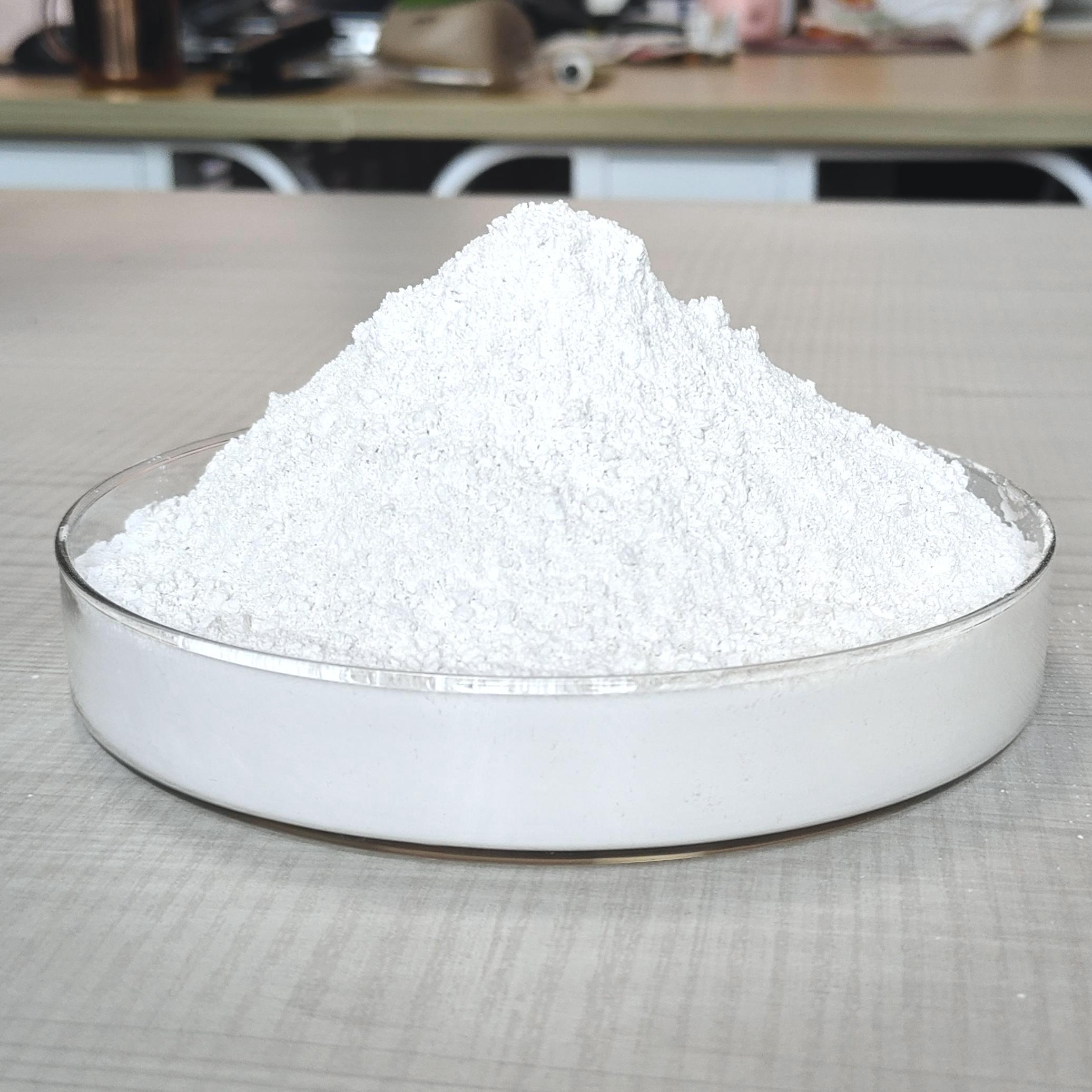
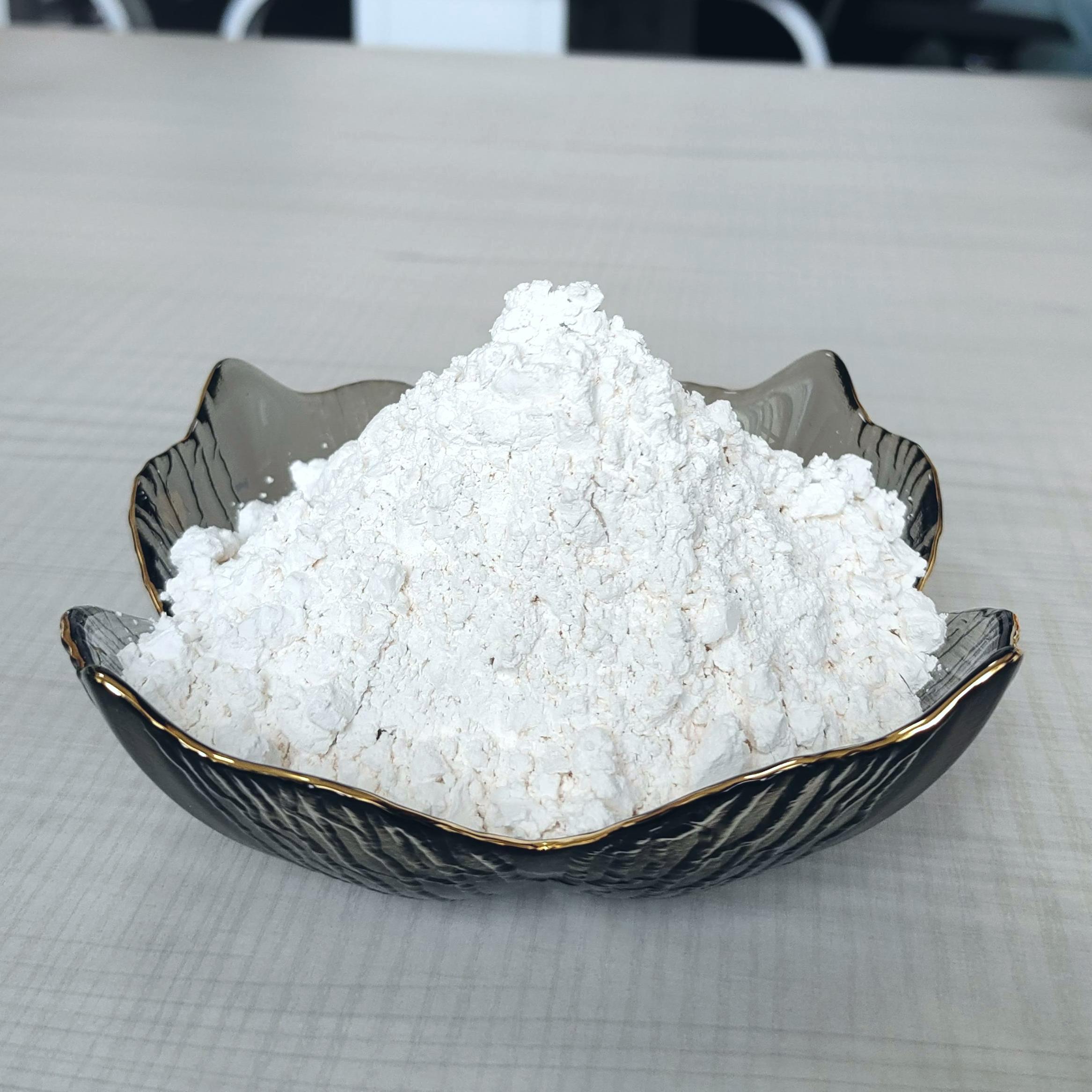
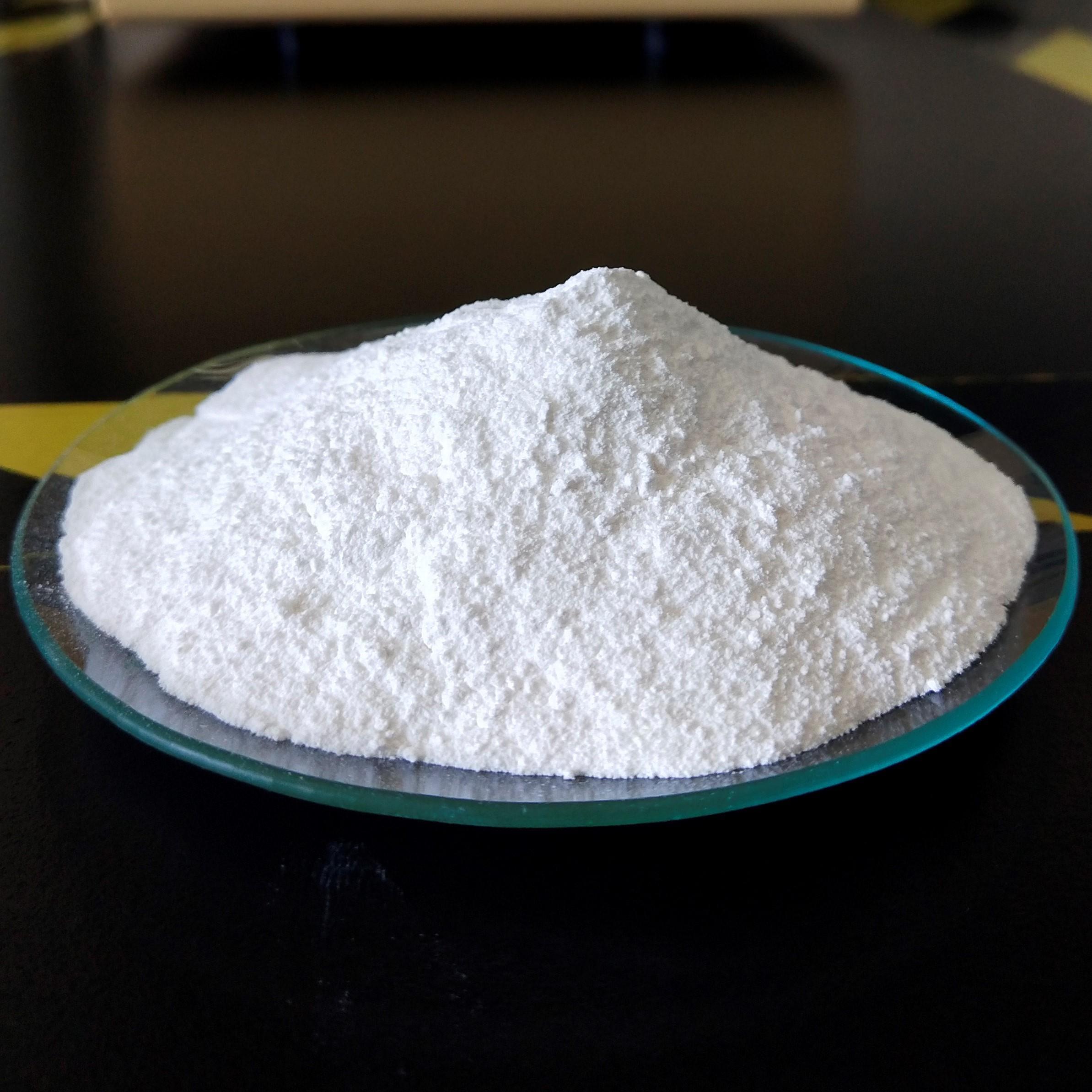
Calcium hydroxide (Ca(OH)₂) is an inorganic compound formed by the reaction of calcium oxide (CaO) with water (H₂O). This white, odorless powder is highly soluble in water, producing a clear solution known as limewater. Calcium hydroxide is widely used in different industries, including construction, agriculture, and chemical manufacturing.
3. Properties of Calcium Hydroxide
Several properties make calcium hydroxide an ideal choice for various applications:
3.1 Chemical Properties
Calcium hydroxide is a strong base with a pH level of approximately 12.4 in its aqueous solution. It readily reacts with acids to form salts and water, making it useful in neutralization reactions.
3.2 Physical Properties
This compound appears as a fine, white powder or crystalline solid. It has a melting point of 580 °C and is hygroscopic, meaning it can absorb moisture from the air.
3.3 Solubility
While calcium hydroxide is moderately soluble in water, it is more soluble in alcohols and other organic solvents, which expands its applicability in various chemical reactions.
4. Industrial Applications of Calcium Hydroxide
Calcium hydroxide is utilized in diverse industries due to its unique properties. Here are some key applications:
4.1 Construction Industry
In construction, calcium hydroxide is essential for producing mortars and plasters. It acts as a binder, enhancing the strength and durability of building materials.
4.2 Agriculture
Farmers use calcium hydroxide to improve soil quality by neutralizing acidity. It also serves as a pest control agent, effectively managing agricultural diseases.
4.3 Water Treatment
Calcium hydroxide plays a pivotal role in water treatment processes by removing impurities and neutralizing acidity, ensuring safe drinking water for communities.
4.4 Food Industry
In food processing, calcium hydroxide is used as a firming agent and pH regulator. Its applications range from preserving fruits and vegetables to producing certain types of pickles.
4.5 Chemical Manufacturing
The chemical industry extensively employs calcium hydroxide in the synthesis of various compounds, including calcium salts and other industrial chemicals.
5. The Role of Calcium Hydroxide in Chemical Synthesis
Calcium hydroxide stands out as a crucial reagent in chemical synthesis, contributing to a wide array of reactions. Here’s how it plays a vital role:
5.1 pH Regulation
In many chemical reactions, maintaining an optimal pH is critical for product yield and purity. Calcium hydroxide serves as an effective pH regulator, ensuring that reactions proceed efficiently.
5.2 Catalyst in Organic Reactions
As a catalyst, calcium hydroxide promotes reactions without being consumed in the process. It is particularly effective in the synthesis of various organic compounds.
5.3 Formation of Calcium Salts
Calcium hydroxide is instrumental in producing calcium salts, which are essential in a variety of applications, including pharmaceuticals and nutritional supplements.
6. Benefits of Using Calcium Hydroxide in Synthesis
Utilizing calcium hydroxide in chemical synthesis offers numerous advantages:
6.1 Cost-Effectiveness
Compared to many other reagents, calcium hydroxide is relatively inexpensive, making it an economical choice for large-scale chemical processes.
6.2 Accessibility
Calcium hydroxide is widely available, ensuring that industries can easily source this essential compound for their operations.
6.3 Eco-Friendliness
As a naturally occurring mineral, calcium hydroxide poses minimal environmental risks, especially when used in sustainable practices.
6.4 Versatility in Reactions
The ability of calcium hydroxide to participate in various types of chemical reactions makes it a valuable reagent in both organic and inorganic synthesis.
7. Environmental Impact and Sustainability
The environmental footprint of calcium hydroxide is relatively low, particularly when sourced sustainably. Its applications in water treatment improve ecological health, while its use in agriculture promotes sustainable farming practices.
7.1 Sustainable Sourcing
Calcium hydroxide can be derived from limestone, a naturally abundant resource, minimizing the need for synthetic alternatives.
7.2 Recycling and Reuse
In many applications, calcium hydroxide can be recycled, reducing waste and promoting a circular economy within the chemical industry.
8. Future Outlook for Calcium Hydroxide in Chemical Industries
As industries continue to evolve, the demand for calcium hydroxide is expected to rise. Innovations in chemical processes and sustainability practices will likely enhance its applications.
8.1 Advancements in Research
Ongoing research into calcium hydroxide’s properties and potential applications will likely uncover new uses, further solidifying its position in chemical synthesis.
8.2 Integration with Green Chemistry
The integration of calcium hydroxide into green chemistry initiatives will promote eco-friendly manufacturing processes, appealing to environmentally conscious consumers and regulators.
9. Conclusion
The importance of calcium hydroxide in chemical synthesis cannot be overstated. Its unique properties and versatility make it an invaluable reagent in various chemical processes. From enhancing water treatment to playing a critical role in agriculture and construction, calcium hydroxide is a compound that continues to unlock potential across industries. As we embrace more sustainable practices, its role is likely to grow, making it an essential component in the future of chemistry.
10. FAQs
10.1 What is calcium hydroxide used for?
Calcium hydroxide is used in construction, agriculture, water treatment, food processing, and chemical manufacturing.
10.2 Is calcium hydroxide safe to use?
When handled properly, calcium hydroxide is generally considered safe. However, it can cause irritation to the skin and eyes, so protective measures are recommended.
10.3 How does calcium hydroxide affect pH levels?
Calcium hydroxide increases the pH level of solutions, making it useful for neutralizing acidic environments.
10.4 Can calcium hydroxide be recycled?
Yes, calcium hydroxide can often be recycled and reused in various applications, contributing to sustainable practices.
10.5 What are the environmental benefits of using calcium hydroxide?
Calcium hydroxide’s low environmental impact, coupled with its applications in water treatment and sustainable agriculture, makes it an environmentally friendly choice in many industries.
calcium hydroxide

Get in Touch with Us Today

EZ Chemical is one of the best suppliers of calcium carbonate series products in China.
CONTACT US
E-mail: kevin_song@ezchemical.cn
ADD:Room 2008, Building 8, Jinse Yangguang, Xin'an East Road, Xin'anjiang Street, Jiande City, Zhejiang Province, China.