16
2025
-
09
The Versatility and Applications of Coated Calcium Carbonate in the Chemical Industry
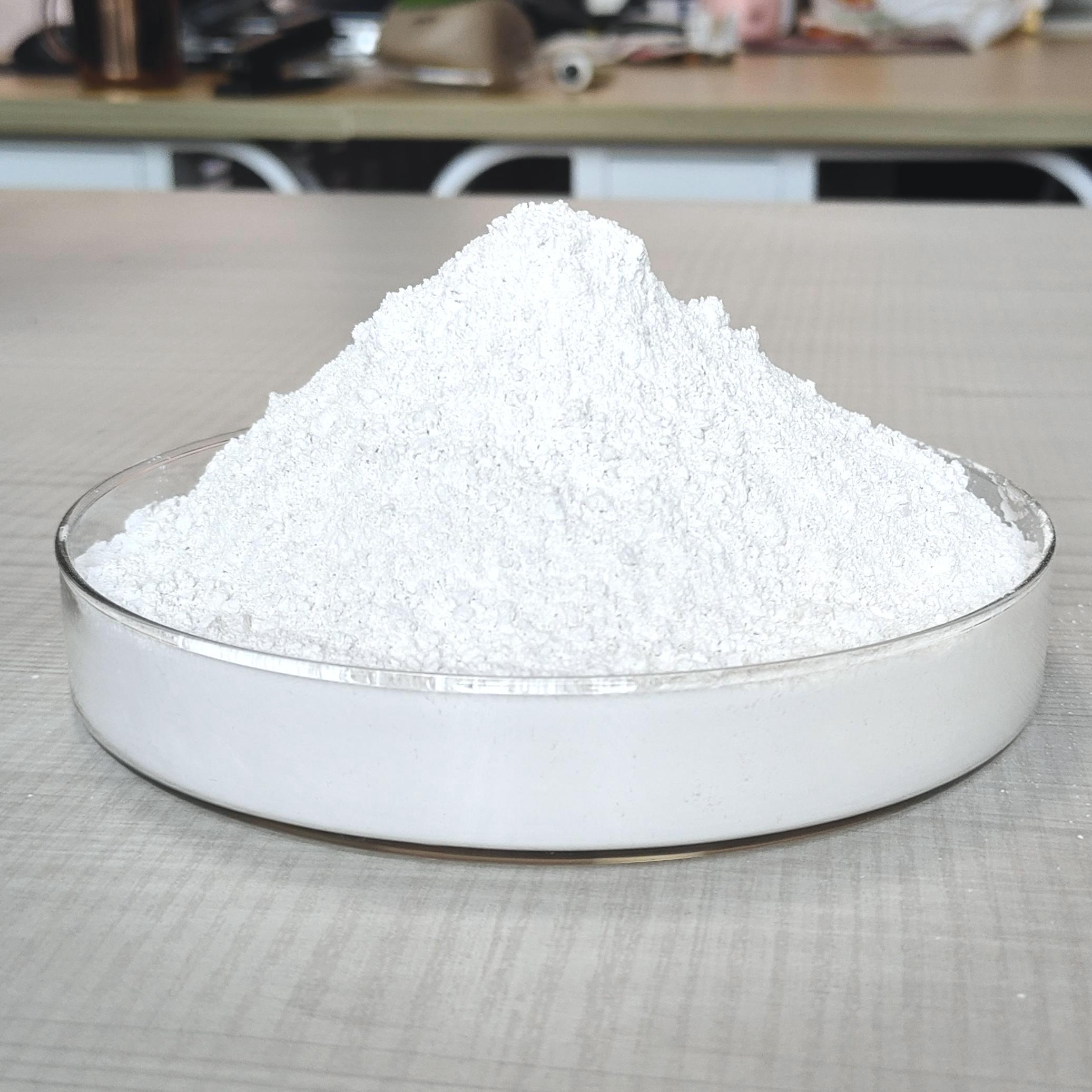
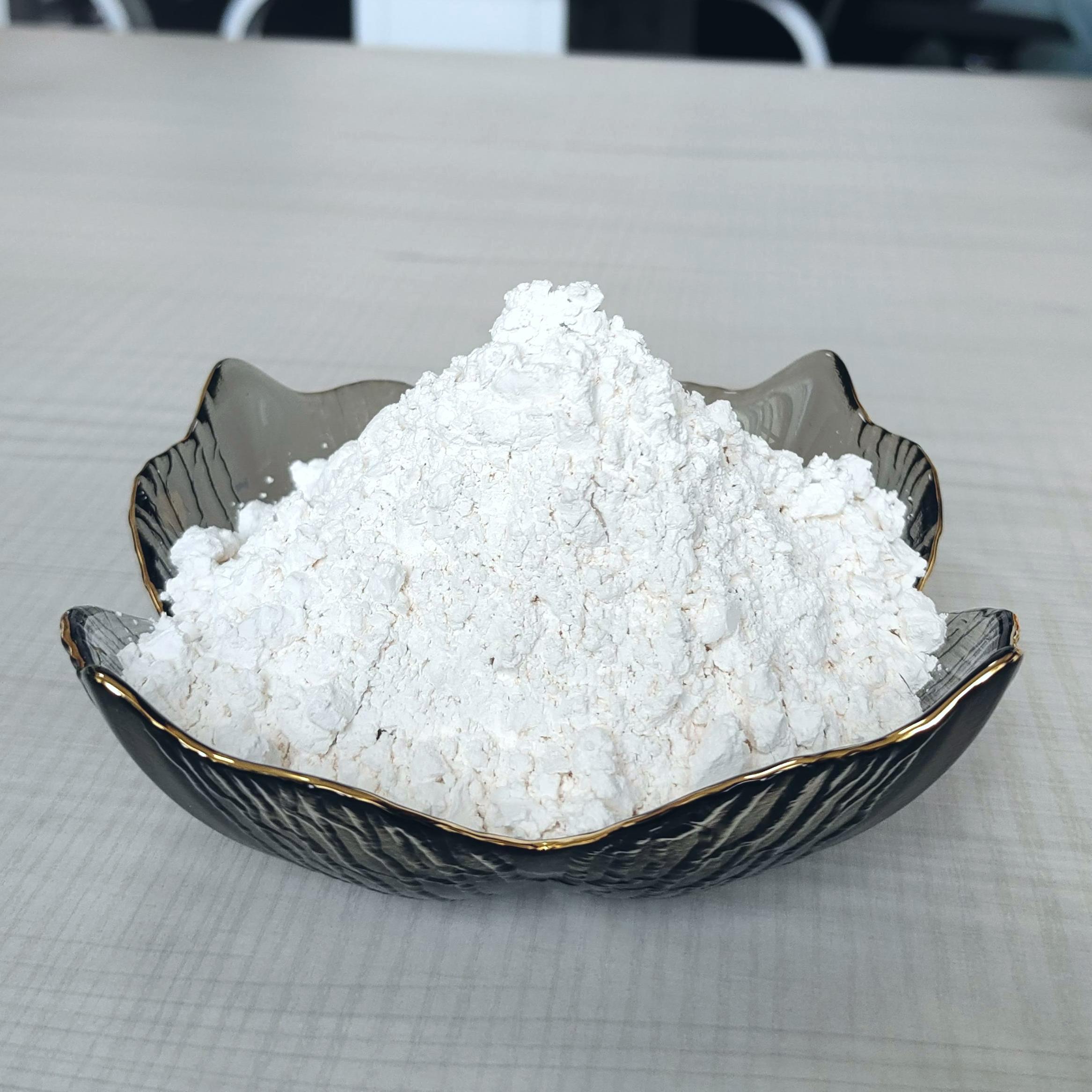
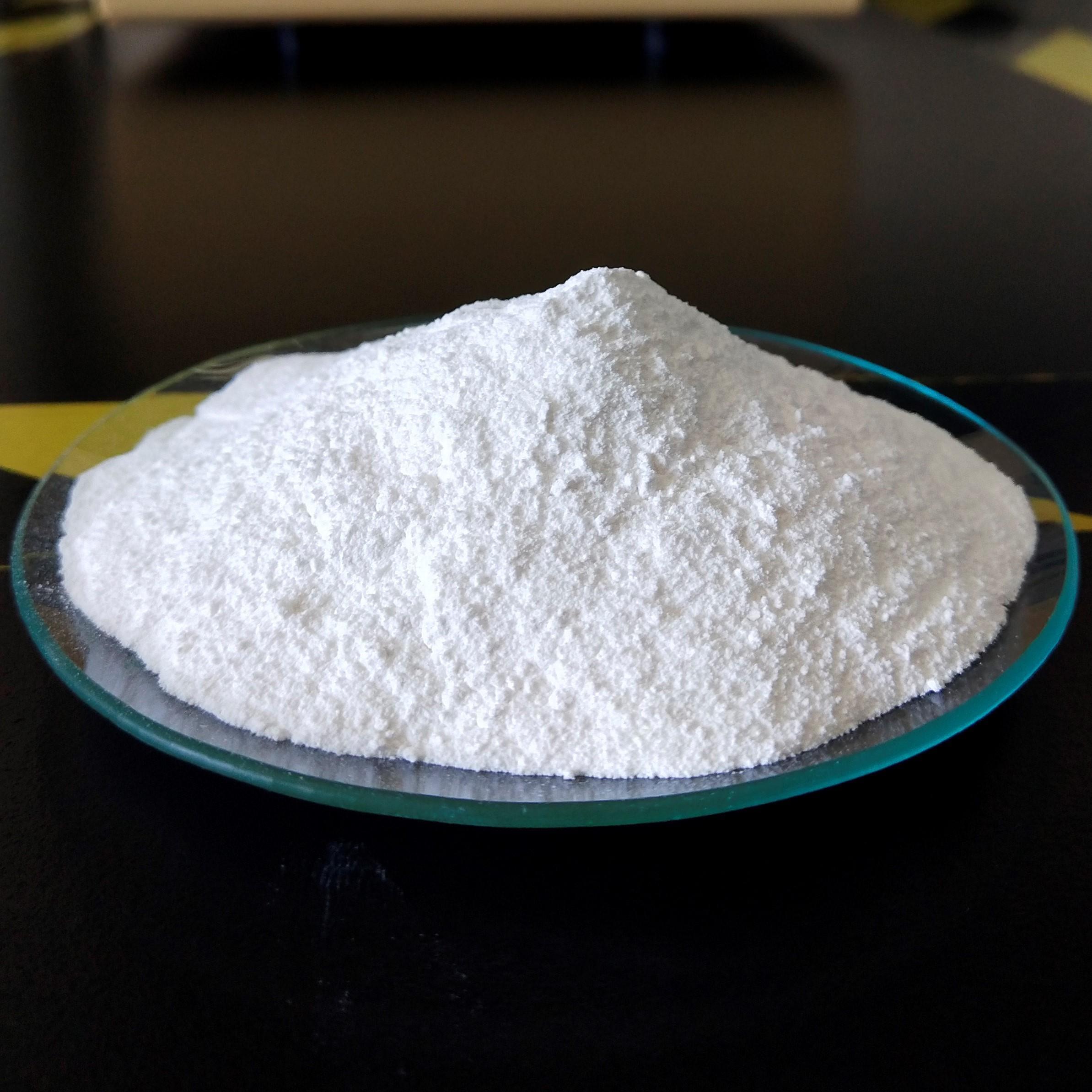
Coated calcium carbonate (CaCO3) is a highly versatile material that has gained significant attention in various sectors of the chemical industry. This compound is not only valued for its fundamental properties but also for the enhancements brought about by its coating. Typically coated with polymers such as stearic acid, coated calcium carbonate exhibits unique characteristics that broaden its ut
One of the primary advantages of coated calcium carbonate is its improved dispersibility in aqueous and non-aqueous systems. This property is crucial in industries where uniform distribution of materials is essential, such as in paints, coatings, and plastics. The coating prevents aggregation, allowing for a smoother application and a more consistent finish. This is particularly beneficial in formulations requiring high-performance standards.
In the plastics industry, coated calcium carbonate serves as a functional filler that not only reduces production costs but also enhances the mechanical properties of the final product. It contributes to improved rigidity, impact resistance, and thermal stability. As a result, manufacturers are increasingly incorporating coated calcium carbonate into various plastic products, which has led to heightened interest in environmentally friendly and sustainable materials.
Another significant application of coated calcium carbonate is in the paper industry. Here, it acts as a filler and coating pigment that improves brightness, opacity, and printability of paper products. The coating enhances its interaction with fibers, facilitating better bonding and a smoother surface, which is highly desirable for high-quality printing applications. Moreover, coated calcium carbonate is a cost-effective alternative to more expensive pigments, making it a favored choice for paper manufacturers seeking to balance quality and cost.
In the realm of pharmaceuticals and food, coated calcium carbonate is often utilized as an excipient. Its coating can help control the release of active ingredients, making it an important component in drug formulations. In food applications, it can serve as a calcium fortifier, contributing to the nutritional profile of products while ensuring safety and compliance with regulatory standards.
Coated calcium carbonate also plays a vital role in cosmetics and personal care products. Its fine particle size and smooth texture allow it to be used as a filler and thickener, imparting desirable sensory attributes to creams and lotions. Additionally, its ability to absorb excess moisture can help stabilize formulations, enhancing the overall quality of the final product.
In conclusion, coated calcium carbonate is a multifunctional material that offers significant advantages across various sectors of the chemical industry. Its unique properties enable manufacturers to develop innovative products while optimizing performance and cost-efficiency. Understanding the applications and benefits of coated calcium carbonate can empower businesses to make informed decisions about material selection and formulation strategies.
coated calcium carbonate

Get in Touch with Us Today

EZ Chemical is one of the best suppliers of calcium carbonate series products in China.
CONTACT US
E-mail: kevin_song@ezchemical.cn
ADD:Room 2008, Building 8, Jinse Yangguang, Xin'an East Road, Xin'anjiang Street, Jiande City, Zhejiang Province, China.