11
2025
-
09
How Coated Calcium Carbonate Enhances Product Quality Across Various Industries
How Coated Calcium Carbonate Enhances Product Quality Across Various Industries Table of Contents Introduction to Coated Calcium Carbonate What is Coated Calcium Carbonate? Benefits of Coated Calcium Carbonate Improved Dispersibility Enhanced Product Stability Surface Modification Effects Applications in Various Industries Plastics and Polymer Indust
How Coated Calcium Carbonate Enhances Product Quality Across Various Industries
Table of Contents
- Introduction to Coated Calcium Carbonate
- What is Coated Calcium Carbonate?
- Benefits of Coated Calcium Carbonate
- Applications in Various Industries
- The Science Behind Coated Calcium Carbonate
- Environmental Considerations
- Future Trends in Coated Calcium Carbonate Use
- Conclusion
- FAQs
Introduction to Coated Calcium Carbonate
Coated calcium carbonate (CaCO3) has emerged as a vital additive across many industries due to its unique properties and benefits. As manufacturers strive to enhance product quality while maintaining cost-effectiveness, the demand for coated calcium carbonate continues to grow. This article explores how this versatile compound improves product quality, the science behind its effectiveness, and its broad applications.
What is Coated Calcium Carbonate?
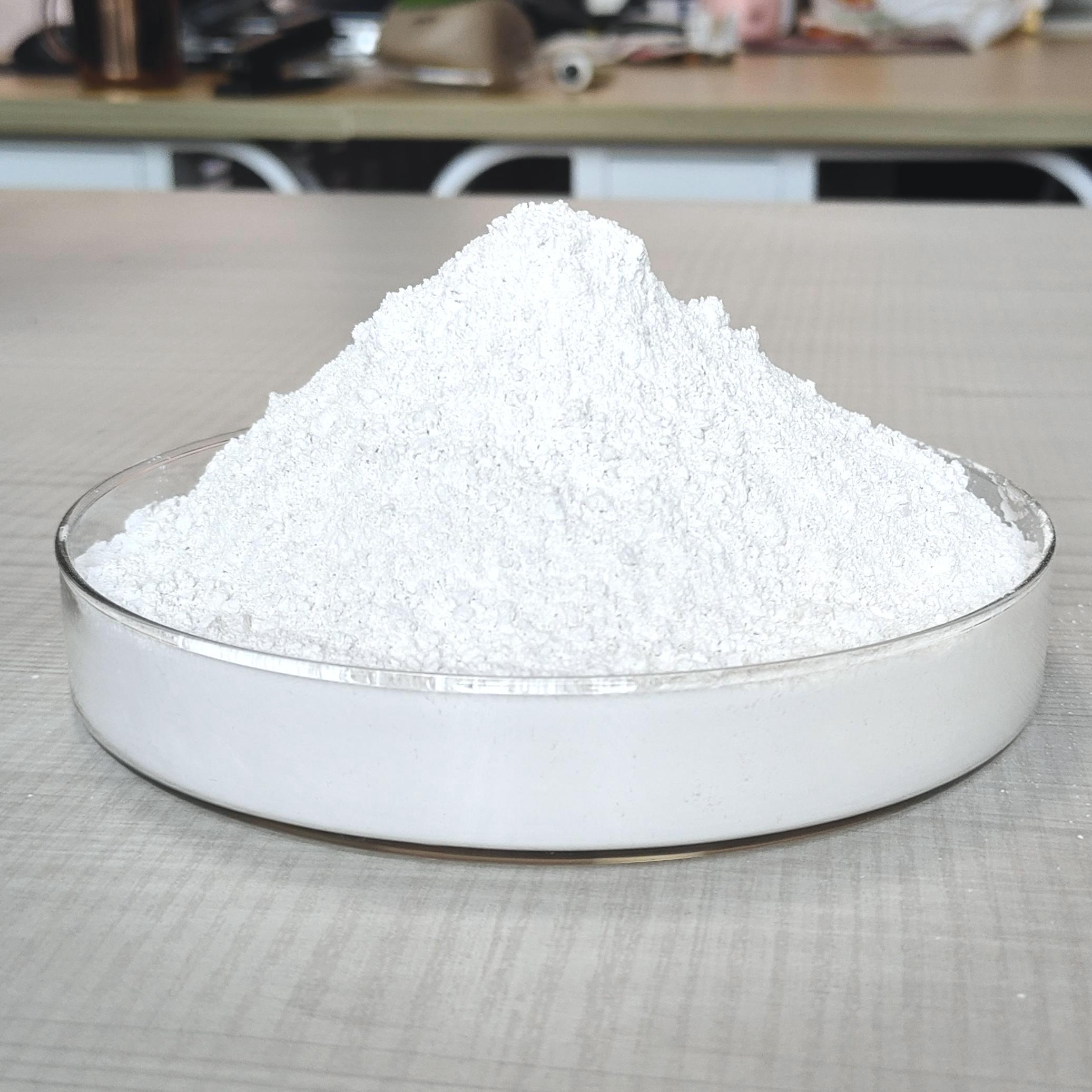
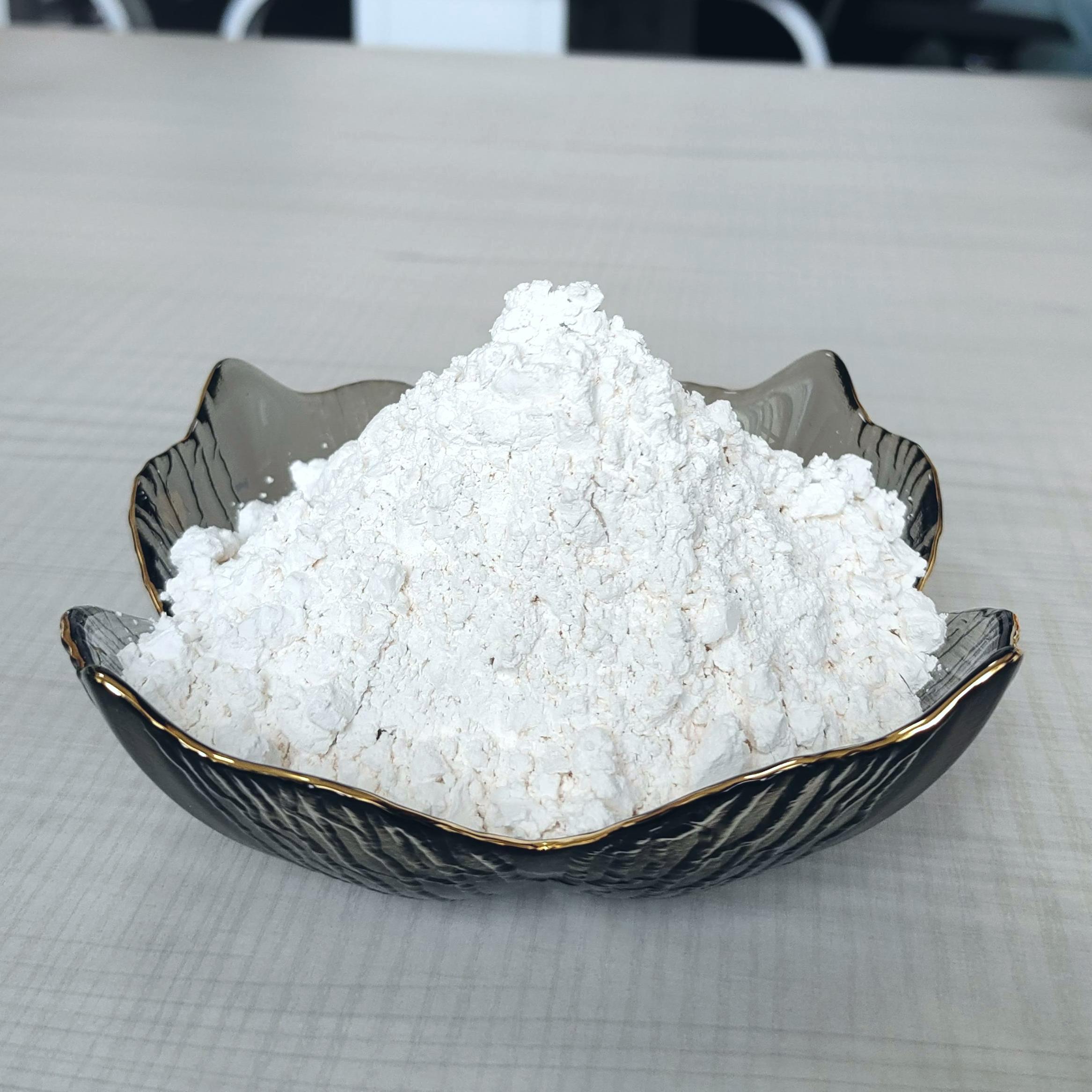
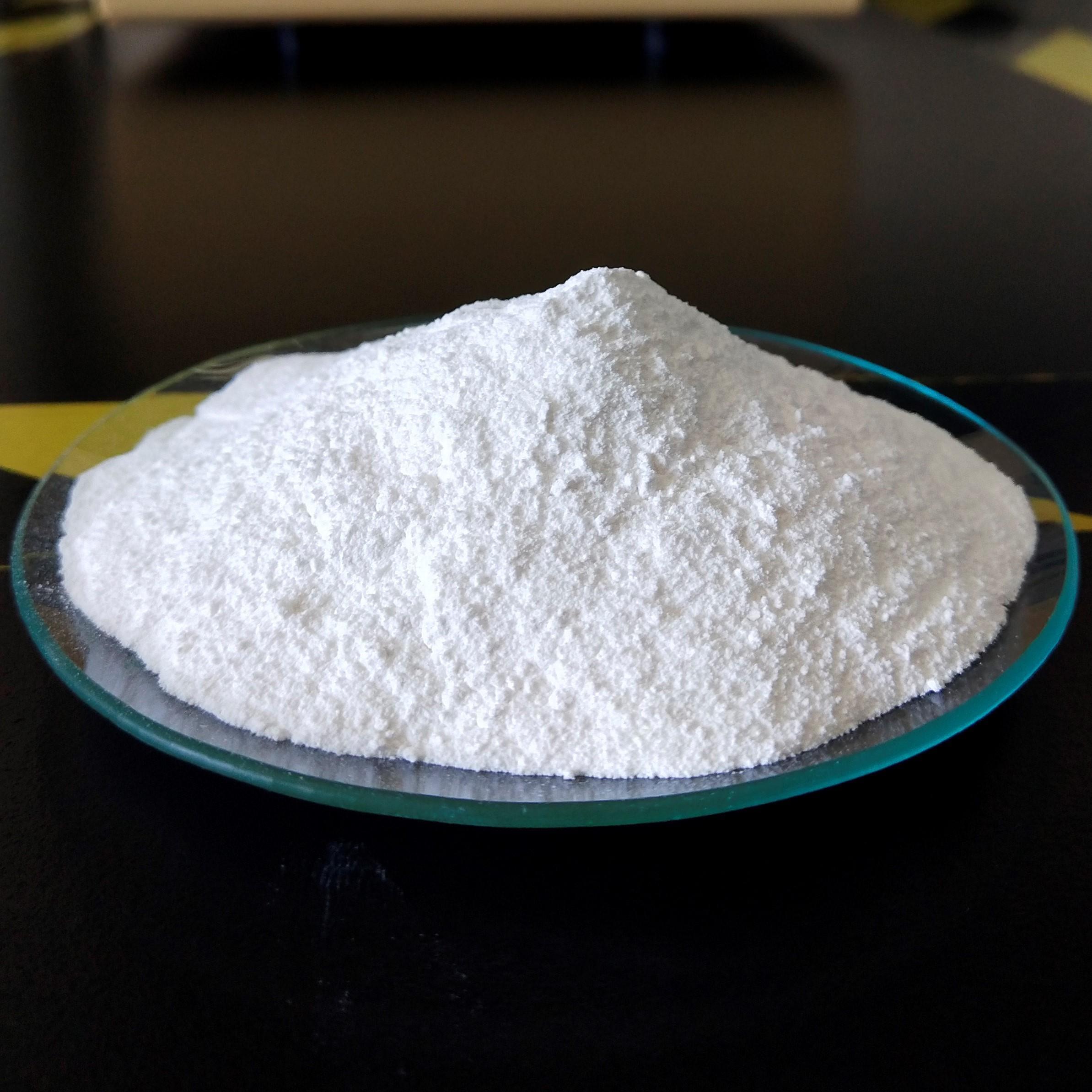
Coated calcium carbonate is a refined form of calcium carbonate that is treated with various surface coatings, such as stearic acid or silanes. The coating process improves its performance in different applications by modifying its surface properties. **This enhancement leads to better compatibility with various materials, elevating the overall quality of the end product.**
Benefits of Coated Calcium Carbonate
Coated calcium carbonate offers a plethora of advantages that contribute significantly to product quality. Below are some key benefits.
Improved Dispersibility
One of the primary benefits of coated calcium carbonate is its **improved dispersibility**. The coating reduces the agglomeration of particles, allowing for a more uniform distribution within formulations. **This uniformity is crucial for applications in paints, coatings, and plastics**, where even distribution leads to enhanced performance and aesthetic appeal.
Enhanced Product Stability
Coated calcium carbonate imparts **enhanced stability** to products by acting as a bulking agent and a filler. It helps maintain consistency in texture and prevents phase separation in liquid formulations. This stability is vital for industries such as cosmetics and food, where product integrity is paramount.
Surface Modification Effects
Surface modification through coating not only improves dispersibility but also alters the **chemical interactions between calcium carbonate and other components** in a mixture. This modification can enhance compatibility with polymers, thus improving the mechanical properties of the final product.
Applications in Various Industries
Coated calcium carbonate's versatility allows it to be utilized in a variety of industries. Below are some specific applications.
Plastics and Polymer Industry
In the plastics and polymer sector, coated calcium carbonate serves as a **cost-effective filler** that enhances the mechanical properties of plastic products. It improves tensile strength, impact resistance, and reduces production costs without compromising quality. Furthermore, the coating ensures better adhesion with the polymer matrix, enhancing overall performance.
Coatings and Paints
Coated calcium carbonate is widely used in coatings and paints due to its **excellent opacity and brightness**. The fine particle size and surface treatment allow for superior coverage and durability. Additionally, it contributes to the viscosity and stability of paint formulations, ensuring a smooth application and long-lasting finish.
Rubber Industry
In the rubber industry, coated calcium carbonate is essential for producing high-quality rubber products. It enhances **flexibility and reduces brittleness**, allowing for better performance in various applications, including tires and industrial rubber goods. The improved dispersibility also ensures a uniform blend, essential for maintaining product integrity.
Food and Pharmaceuticals
In food and pharmaceutical applications, coated calcium carbonate acts as a **food additive and excipient**. Its inert nature and safety profile make it suitable for use in dietary supplements and pharmaceutical formulations. The coating also enhances its flow properties, making it easier to incorporate into solid dosage forms.
The Science Behind Coated Calcium Carbonate
The effectiveness of coated calcium carbonate is rooted in its chemical and physical properties. The coating process modifies the surface characteristics, influencing how the particles interact with other materials. For example, coatings like stearic acid create a hydrophobic layer, enhancing compatibility with non-polar substances. This modification is crucial for achieving the desired performance in applications ranging from plastics to coatings.
Environmental Considerations
As industries strive for sustainability, the environmental impact of materials becomes increasingly important. Coated calcium carbonate is derived from a naturally occurring mineral, making it an environmentally friendly filler. Furthermore, its use can contribute to reduced energy consumption during production processes. However, it is essential to ensure that the coatings used are also environmentally benign to maximize sustainability.
Future Trends in Coated Calcium Carbonate Use
The future of coated calcium carbonate appears promising, with ongoing research focused on enhancing its properties and expanding its applications. Innovations in nanotechnology and surface engineering may lead to the development of even more effective formulations. Additionally, as the demand for sustainable materials grows, coated calcium carbonate will likely play an increasingly critical role in eco-friendly product development.
Conclusion
Coated calcium carbonate stands out as a **key ingredient** in improving product quality across various industries. Its ability to enhance dispersibility, stability, and compatibility makes it an invaluable asset in applications ranging from plastics to pharmaceuticals. As industries continue to innovate and prioritize sustainability, the role of coated calcium carbonate will only become more significant. For manufacturers looking to enhance their products, integrating coated calcium carbonate is not just an option; it’s a smart strategy for achieving high quality and performance.
FAQs
1. What is the primary use of coated calcium carbonate?
Coated calcium carbonate is primarily used as a filler and additive in various industries, including plastics, coatings, rubber, and pharmaceuticals.
2. How does coated calcium carbonate improve product quality?
It improves product quality by enhancing dispersibility, stability, and compatibility with other materials, leading to better overall performance.
3. Is coated calcium carbonate environmentally friendly?
Yes, coated calcium carbonate is derived from natural minerals and can contribute to sustainability when used in product formulations.
4. What industries benefit the most from coated calcium carbonate?
Industries such as plastics, coatings, rubber, and food and pharmaceuticals benefit significantly from its unique properties.
5. Are there any safety concerns associated with coated calcium carbonate?
Coated calcium carbonate is generally regarded as safe when used according to industry regulations, particularly in food and pharmaceutical applications.
coated calcium carbonate

Get in Touch with Us Today

EZ Chemical is one of the best suppliers of calcium carbonate series products in China.
CONTACT US
E-mail: kevin_song@ezchemical.cn
ADD:Room 2008, Building 8, Jinse Yangguang, Xin'an East Road, Xin'anjiang Street, Jiande City, Zhejiang Province, China.