21
2025
-
09
Exploring the Benefits of Heavy Calcium Carbonate in Industrial Applications
Exploring the Benefits of Heavy Calcium Carbonate in Industrial Applications Introduction to Heavy Calcium Carbonate Heavy calcium carbonate, often referred to as ground calcium carbonate (GCC), is a versatile mineral extensively used in various industrial applications. Derived from limestone, it is characterized by its fine powder form and high purity levels. With a wide range of applications
Exploring the Benefits of Heavy Calcium Carbonate in Industrial Applications
Introduction to Heavy Calcium Carbonate
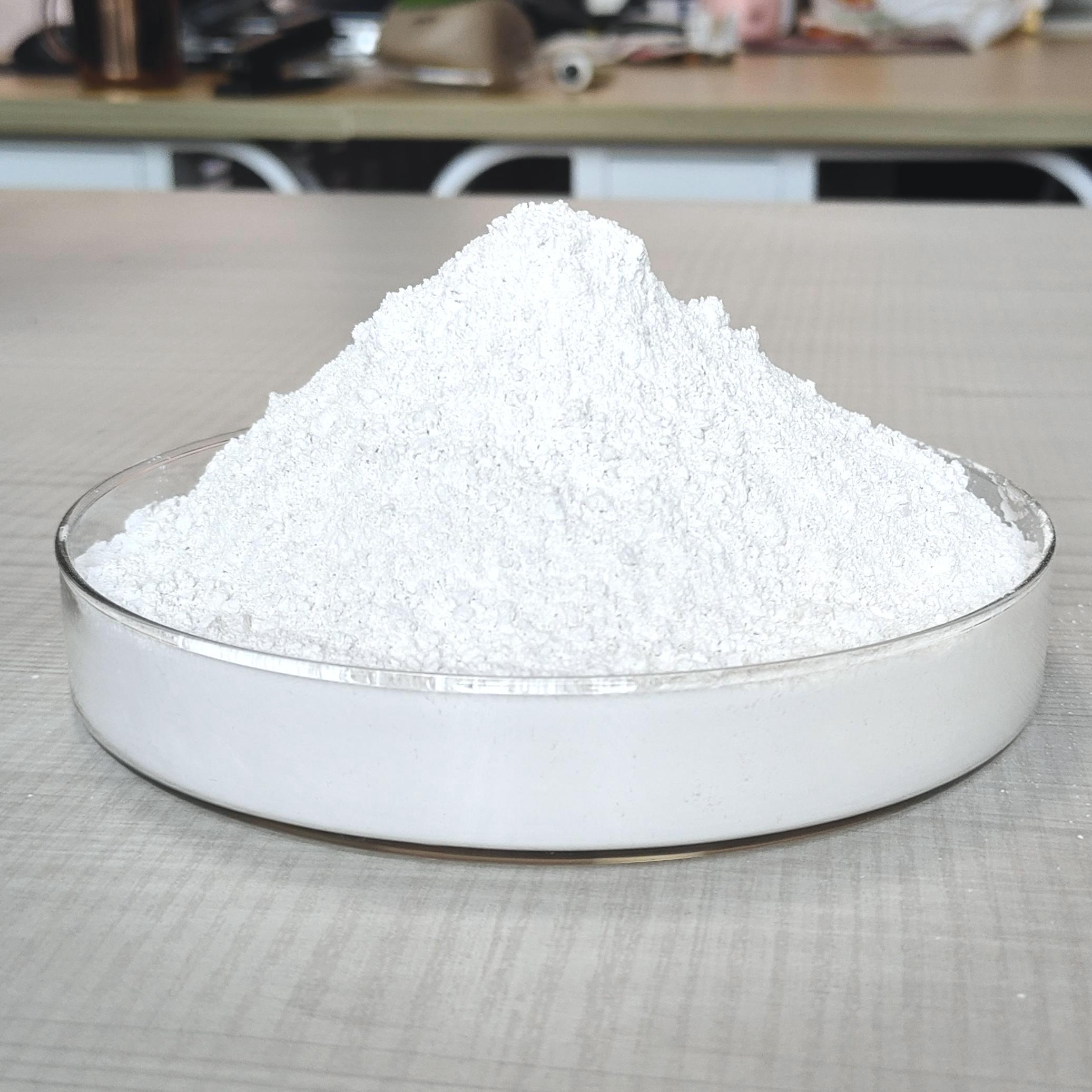
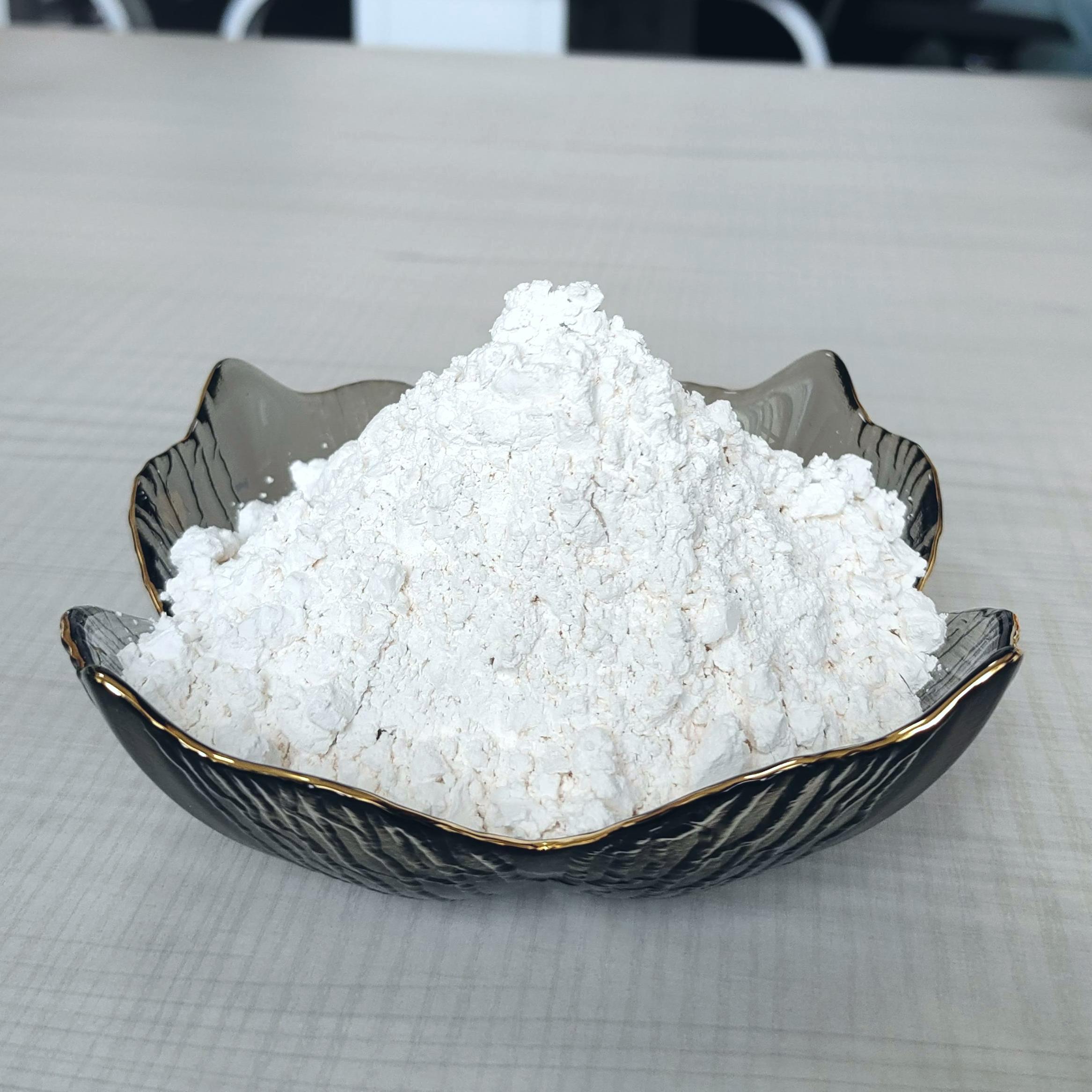
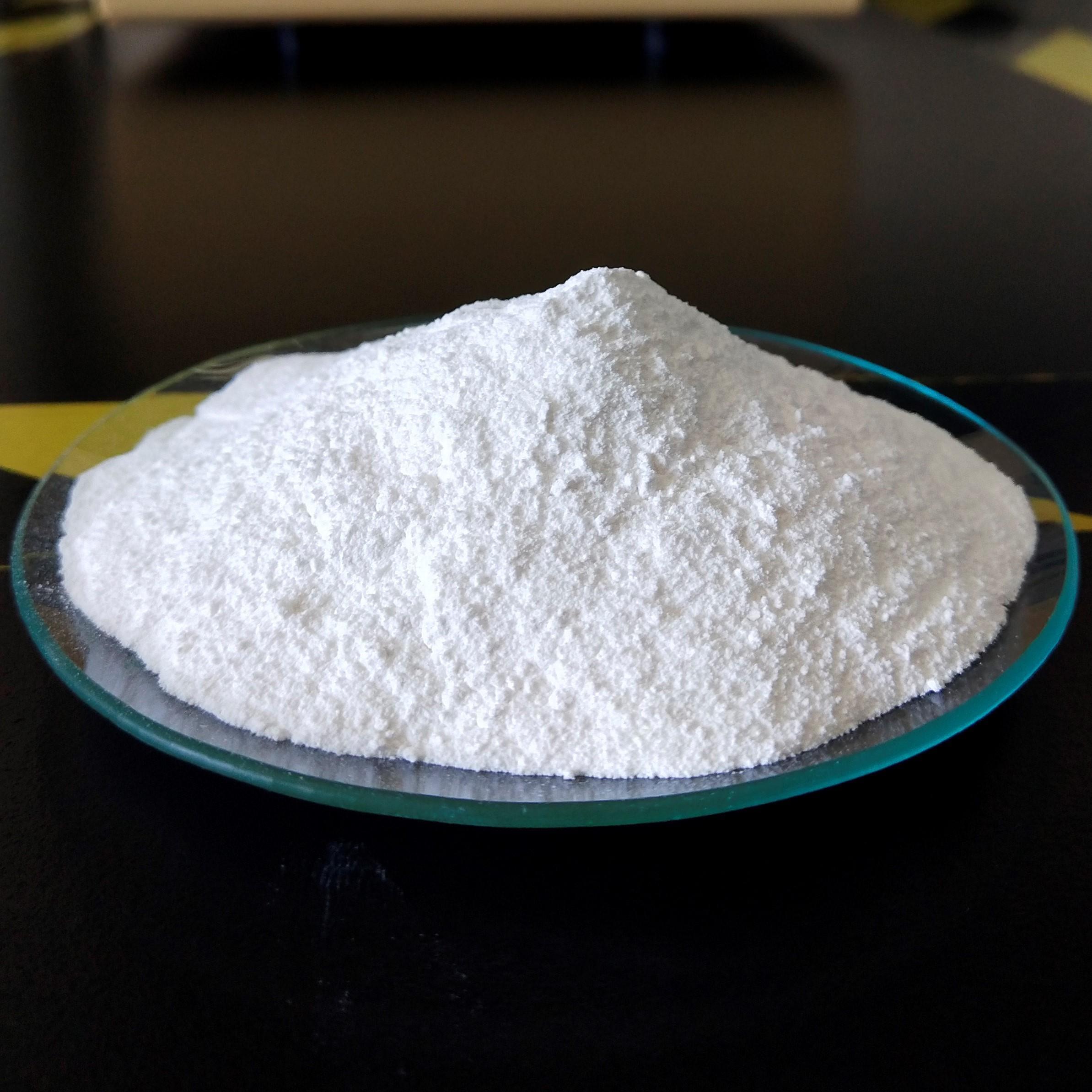
Heavy calcium carbonate, often referred to as ground calcium carbonate (GCC), is a versatile mineral extensively used in various industrial applications. Derived from limestone, it is characterized by its fine powder form and high purity levels. With a wide range of applications, heavy calcium carbonate has become an essential component in several industries, including plastics, paints, paper, and rubber.
The Composition and Properties of Heavy Calcium Carbonate
Heavy calcium carbonate primarily consists of calcium carbonate (CaCO3), a compound that occurs naturally in sedimentary rocks. This mineral is known for its high whiteness, low oil absorption, and excellent chemical stability. The unique properties of heavy calcium carbonate contribute significantly to its diverse industrial applications.
Physical Properties
Heavy calcium carbonate exhibits several physical properties that make it suitable for various uses:
- **Particle Size**: The particle size can be tailored to specific requirements, ranging from ultra-fine to coarse grades.
- **Whiteness**: High whiteness levels enhance the aesthetic appeal in products like paints and coatings.
- **Chemical Purity**: The purity of heavy calcium carbonate ensures its safe use in food and pharmaceutical applications.
Chemical Properties
From a chemical standpoint, heavy calcium carbonate is stable, non-toxic, and biodegradable, making it an environmentally friendly choice. Its alkalinity contributes to its effectiveness as a filler and an additive in numerous products.
Applications of Heavy Calcium Carbonate in Various Industries
Heavy calcium carbonate plays a crucial role in several sectors, enhancing product performance and quality. Here, we outline its primary applications:
1. In the Plastics Industry
In the plastics industry, heavy calcium carbonate serves as a valuable filler. Its inclusion in polymer formulations improves mechanical properties and reduces production costs.
Benefits in Plastics
- **Cost-Effectiveness**: By replacing a portion of more expensive resins, GCC reduces material costs without compromising quality.
- **Enhanced Mechanical Strength**: Heavy calcium carbonate enhances tensile strength, impact resistance, and stiffness in plastic products.
2. In the Paint and Coatings Sector
The paint and coatings industry utilizes heavy calcium carbonate to improve product texture and finish. Its high whiteness and fine particle size make it an ideal choice for achieving a smooth, even surface.
Benefits in Paints and Coatings
- **Opacity and Brightness**: The addition of GCC increases opacity and brightness, essential for achieving vibrant colors in paints.
- **Improved Viscosity**: Heavy calcium carbonate helps maintain appropriate viscosity, ensuring ease of application.
3. In Paper Production
Heavy calcium carbonate is extensively used in the production of paper, where it acts as a filler and coating pigment. This application enhances the brightness and opacity of the paper, resulting in high-quality finished products.
Advantages in Paper Making
- **Improved Printability**: The use of GCC enhances the paper's surface properties, leading to better print quality.
- **Cost Reduction**: By substituting more expensive fiber materials, GCC contributes to cost savings in paper manufacturing.
4. In Rubber Manufacturing
Heavy calcium carbonate is utilized in rubber production to improve flexibility and durability. It serves as a reinforcing filler, enhancing the performance of rubber products.
Benefits in Rubber Products
- **Enhanced Durability**: GCC contributes to the longevity of rubber products by improving resistance to wear and tear.
- **Cost Efficiency**: The use of heavy calcium carbonate reduces reliance on pricier rubber compounds, resulting in lower production costs.
5. In the Food and Pharmaceutical Industry
In food and pharmaceuticals, heavy calcium carbonate finds application as an additive, providing essential minerals while enhancing product stability. Its use is strictly regulated, ensuring safety and efficacy.
Benefits in Food and Pharmaceuticals
- **Nutritional Value**: As a calcium source, heavy calcium carbonate contributes to dietary needs.
- **Stabilizing Agent**: Its properties help stabilize emulsions and suspensions, ensuring uniformity in products.
Advantages of Using Heavy Calcium Carbonate
The benefits of incorporating heavy calcium carbonate into industrial applications are numerous. Below are key advantages:
1. Economic Benefits
Using heavy calcium carbonate can lead to significant cost savings. As a low-cost filler, it can replace more expensive materials, allowing companies to reduce production costs without compromising quality.
2. Environmental Benefits
Heavy calcium carbonate is a naturally occurring mineral, making it an environmentally friendly choice for various applications. Its non-toxic and biodegradable nature aligns with sustainable manufacturing practices.
3. Performance Enhancements
The unique properties of heavy calcium carbonate contribute to enhanced performance in end products. From improved mechanical properties in plastics to increased brightness in paints, GCC enhances the overall quality of products.
Challenges in the Use of Heavy Calcium Carbonate
While heavy calcium carbonate offers numerous advantages, there are some challenges associated with its use:
1. Quality Control
Ensuring consistent quality across different batches of heavy calcium carbonate can be challenging. Variations in particle size and purity can affect product performance.
2. Compatibility Issues
In some formulations, heavy calcium carbonate may not be compatible with certain additives or polymers. This necessitates thorough testing prior to large-scale production.
Future Trends in Heavy Calcium Carbonate Applications
As industries evolve, so do the applications of heavy calcium carbonate. Emerging trends include:
1. Enhanced Processing Techniques
Advancements in processing techniques are likely to improve the properties and applications of heavy calcium carbonate. Innovations may lead to even finer particle sizes and better dispersion in various matrices.
2. Sustainable Practices
With a growing focus on sustainability, the demand for environmentally friendly materials like heavy calcium carbonate is expected to rise. Companies will continue to explore ways to incorporate GCC into eco-friendly formulations.
3. Expansion into New Markets
Innovative uses of heavy calcium carbonate are likely to emerge in markets such as construction and agriculture, where its unique properties can provide significant benefits.
Frequently Asked Questions (FAQs)
1. What is heavy calcium carbonate used for?
Heavy calcium carbonate is used in various industries, including plastics, paints, paper, rubber, and food and pharmaceuticals, primarily as a filler and additive.
2. Is heavy calcium carbonate safe for food use?
Yes, heavy calcium carbonate is generally recognized as safe for food use, but it must meet regulatory standards.
3. How does heavy calcium carbonate improve the quality of paints?
Heavy calcium carbonate enhances the opacity, brightness, and viscosity of paints, resulting in better finish and application properties.
4. Can heavy calcium carbonate be used in eco-friendly products?
Absolutely! Heavy calcium carbonate is a natural, non-toxic, and biodegradable material that aligns well with sustainable manufacturing practices.
5. What are the potential challenges in using heavy calcium carbonate?
Quality control and compatibility issues with certain polymers or additives can be challenges when using heavy calcium carbonate in formulations.
Conclusion
In summary, heavy calcium carbonate is a vital component in many industrial applications, offering a blend of cost-effectiveness, environmental sustainability, and performance enhancements. Its versatility makes it indispensable across various sectors, and as industries continue to innovate, the role of heavy calcium carbonate will only become more significant. By understanding its properties and applications, manufacturers can leverage this valuable mineral to improve product quality and optimize processes.
heavy calcium carbonate

Get in Touch with Us Today

EZ Chemical is one of the best suppliers of calcium carbonate series products in China.
CONTACT US
E-mail: kevin_song@ezchemical.cn
ADD:Room 2008, Building 8, Jinse Yangguang, Xin'an East Road, Xin'anjiang Street, Jiande City, Zhejiang Province, China.