17
2026
-
08
How Fine Calcium Carbonate Contributes to Sustainable Practices
How Fine Calcium Carbonate Contributes to Sustainable Practices Table of Contents 1. Introduction to Fine Calcium Carbonate 2. What is Fine Calcium Carbonate? 3. Applications of Fine Calcium Carbonate in Various Industries 4. Environmental Benefits of Using Fine Calcium Carbonate 5. Contribution of Fine Calcium Carbonate to Sustainable Practices 6. Case Studies: Fine Calcium Carbonate
How Fine Calcium Carbonate Contributes to Sustainable Practices
Table of Contents
- 1. Introduction to Fine Calcium Carbonate
- 2. What is Fine Calcium Carbonate?
- 3. Applications of Fine Calcium Carbonate in Various Industries
- 4. Environmental Benefits of Using Fine Calcium Carbonate
- 5. Contribution of Fine Calcium Carbonate to Sustainable Practices
- 6. Case Studies: Fine Calcium Carbonate in Action
- 7. Future Potential of Fine Calcium Carbonate in Sustainability
- 8. Frequently Asked Questions
- 9. Conclusion
1. Introduction to Fine Calcium Carbonate
Fine calcium carbonate (FCC) has emerged as a pivotal component in various sectors, playing a crucial role in enhancing sustainability. As industries become increasingly aware of their environmental impact, the demand for materials that support eco-friendly practices has surged. Fine calcium carbonate, with its versatile applications and environmental benefits, stands out as a significant contributor to sustainable development.
2. What is Fine Calcium Carbonate?
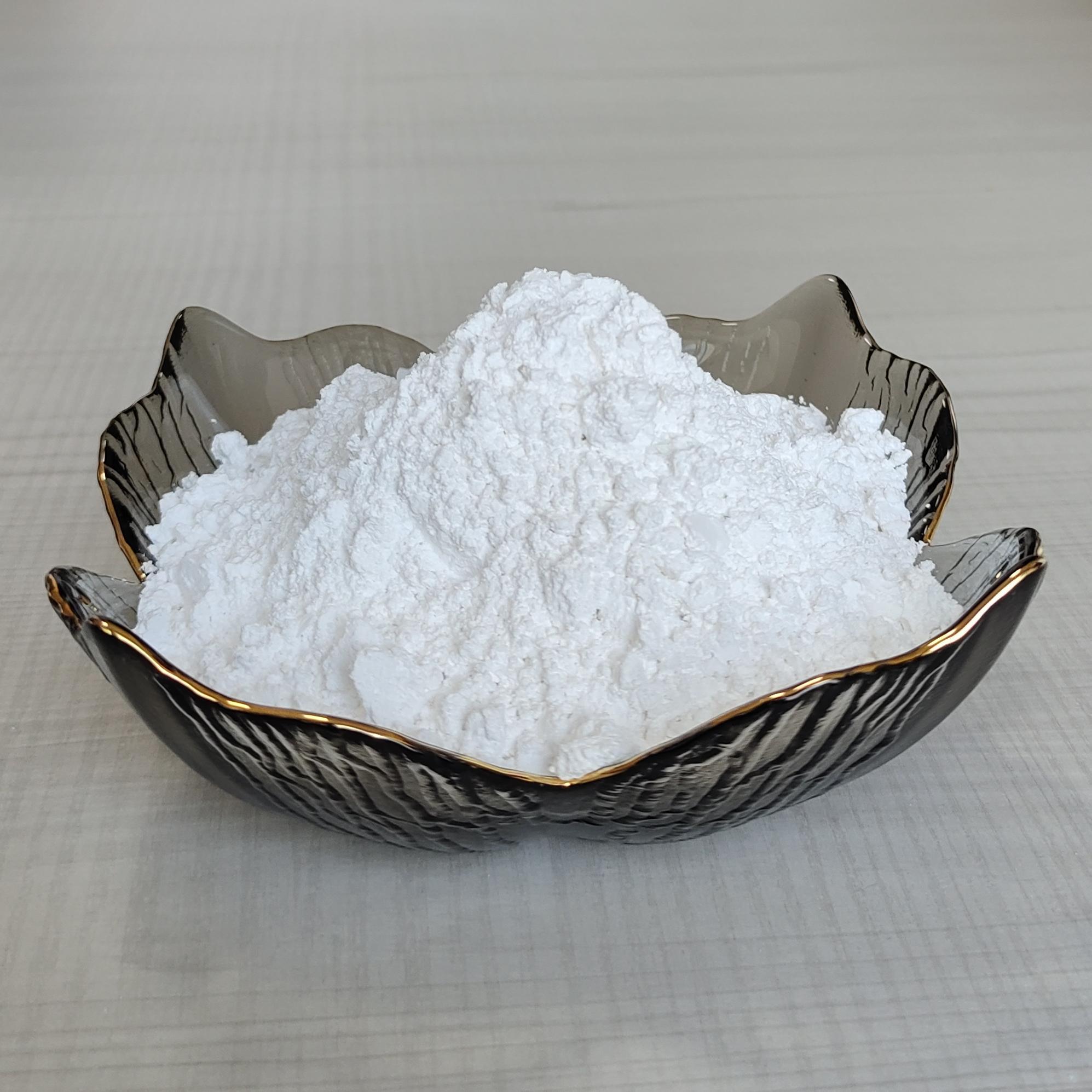
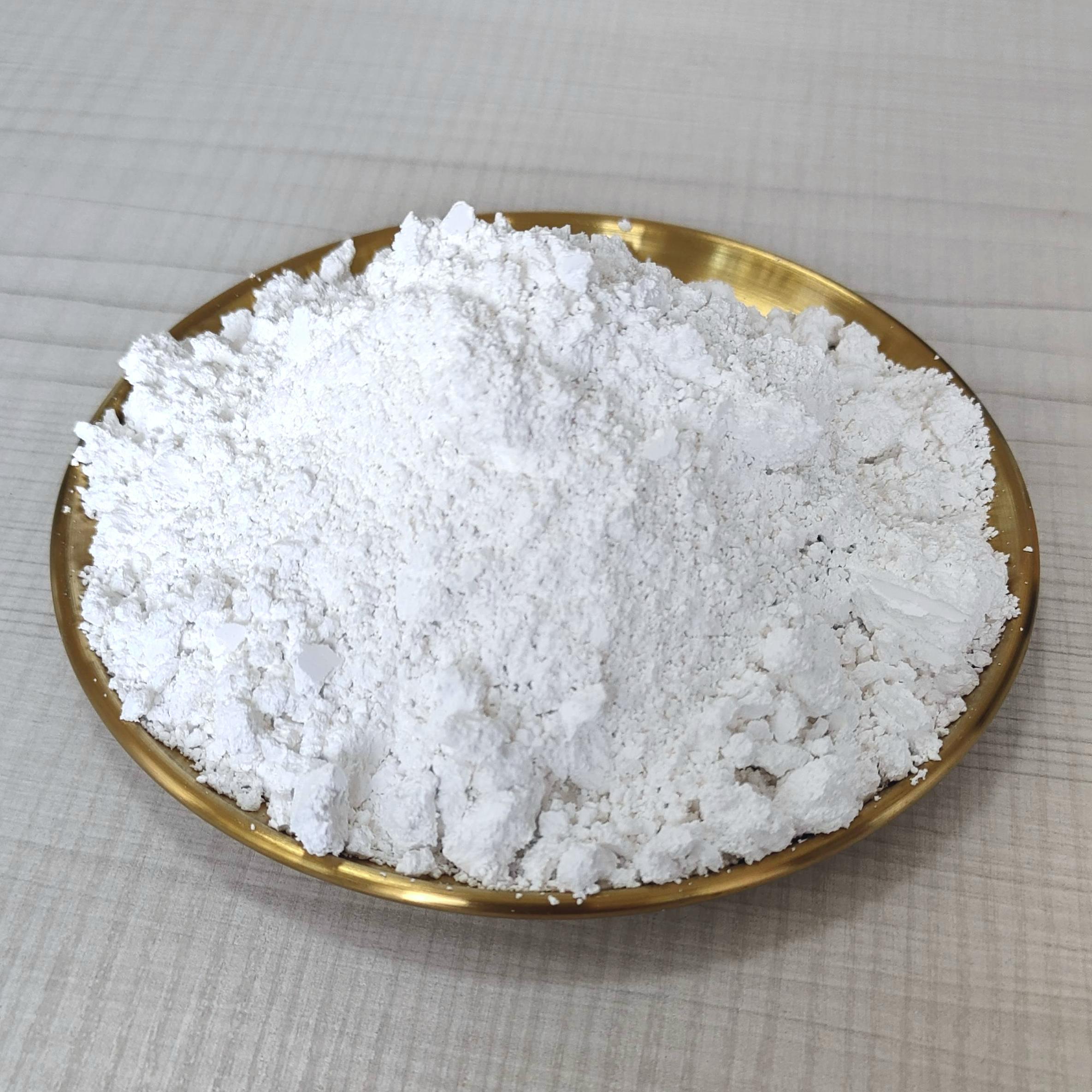
Fine calcium carbonate is a naturally occurring mineral that is widely used in different industries due to its unique properties. Composed of calcium, carbon, and oxygen, this compound is available in various forms, including powder and granules. The fineness of calcium carbonate plays a crucial role in its application, as finer particles can enhance product performance and reduce environmental impact.
2.1 Properties of Fine Calcium Carbonate
Fine calcium carbonate is characterized by its high purity, white color, and fine particle size. These properties make it an ideal choice for a wide range of applications, from construction materials to food additives. The particle size can typically range from a few microns to several hundred microns, which significantly influences its effectiveness in various industrial processes.
2.2 Production Methods
The production of fine calcium carbonate involves several methods, including quarrying, crushing, grinding, and classifying. The choice of method depends on the intended application and the desired particle size. The most common production techniques include:
- **Mechanical Milling:** This method involves grinding limestone to achieve the desired fineness.
- **Hydrocycloning:** A process that separates fine particles from coarser ones using centrifugal force.
- **Precipitated Calcium Carbonate (PCC):** This method produces high-purity calcium carbonate through a chemical reaction, offering precise control over particle size and shape.
3. Applications of Fine Calcium Carbonate in Various Industries
Fine calcium carbonate finds numerous applications across diverse sectors due to its versatility and effectiveness.
3.1 Construction and Building Materials
In the construction industry, fine calcium carbonate is widely utilized as a filler material in cement, paints, and coatings. Its fine particle size helps improve the strength, durability, and aesthetics of building materials.
3.2 Plastics and Polymers
FCC is commonly used as a filler in plastic manufacturing, enhancing the physical properties of the final product. It offers advantages such as reduced production costs and improved surface finish.
3.3 Food and Pharmaceuticals
In the food industry, fine calcium carbonate serves as a calcium supplement, ensuring product quality and nutritional value. Additionally, it is used in pharmaceuticals as an excipient, contributing to the effectiveness of various medications.
3.4 Agriculture
Fine calcium carbonate plays a vital role in agriculture as a soil conditioner and pH adjuster. It helps improve soil quality, promoting healthier crop growth and higher yields.
3.5 Environmental Applications
Fine calcium carbonate is increasingly used in environmental applications, such as water treatment and CO2 sequestration. Its ability to neutralize acidity in water makes it an effective agent in managing environmental pollution.
4. Environmental Benefits of Using Fine Calcium Carbonate
The environmental benefits of fine calcium carbonate are significant, contributing to a more sustainable future.
4.1 Reducing Carbon Footprint
By substituting more harmful materials with fine calcium carbonate, industries can significantly reduce their carbon emissions. Its use in construction and manufacturing leads to lower energy consumption and waste generation.
4.2 Enhancing Recycling Processes
Fine calcium carbonate aids recycling efforts by improving the quality of recycled materials. Its inclusion in plastic and paper products can enhance their physical properties, making recycling processes more efficient.
4.3 Promoting Sustainable Agriculture
Through its role as a soil conditioner, fine calcium carbonate promotes sustainable agriculture practices. It enhances soil fertility and health, leading to better crop yields without the need for excessive chemical fertilizers.
5. Contribution of Fine Calcium Carbonate to Sustainable Practices
The contribution of fine calcium carbonate to sustainable practices cannot be overstated. As industries strive to meet environmental standards and consumer expectations, the adoption of materials like fine calcium carbonate becomes essential.
5.1 Sustainable Manufacturing
Fine calcium carbonate enables sustainable manufacturing by reducing reliance on petrochemical-derived fillers and additives. Its natural origin and non-toxic properties make it an attractive alternative for manufacturers looking to lessen their environmental impact.
5.2 Energy Efficiency
Using fine calcium carbonate in production processes can enhance energy efficiency. Its unique properties help reduce the amount of energy required for processing, leading to lower operational costs and decreased environmental impact.
5.3 Resource Conservation
Fine calcium carbonate supports resource conservation by minimizing the use of non-renewable resources. Industries can leverage this mineral effectively while promoting a circular economy and sustainable resource use.
6. Case Studies: Fine Calcium Carbonate in Action
Real-world applications of fine calcium carbonate illustrate its versatility and importance in sustainable practices.
6.1 Case Study: Construction Industry
In a major construction project, fine calcium carbonate was used as a filler in concrete mixes. This led to a reduction in the amount of cement required, lowering the carbon emissions associated with cement production. The project not only met sustainability goals but also achieved cost savings.
6.2 Case Study: Plastic Manufacturing
A plastic manufacturing company adopted fine calcium carbonate as a filler in its products, resulting in improved mechanical properties and reduced material costs. This shift contributed to a significant decrease in the company's overall environmental footprint.
6.3 Case Study: Agriculture
In an agricultural setting, the application of fine calcium carbonate improved soil health and increased crop yields. Farmers reported enhanced nutrient absorption and reduced dependency on chemical fertilizers, showcasing the mineral's role in promoting sustainable agricultural practices.
7. Future Potential of Fine Calcium Carbonate in Sustainability
The future of fine calcium carbonate in sustainability looks promising. As industries continue to seek eco-friendly alternatives, the demand for fine calcium carbonate is expected to grow, driven by its multifaceted applications and environmental benefits.
7.1 Innovations and Research
Ongoing research into the properties and applications of fine calcium carbonate is likely to yield new innovations. Advancements in production techniques and applications may open new avenues for sustainable practices across various sectors.
7.2 Policy and Regulation
As governments implement stricter environmental regulations, the adoption of fine calcium carbonate will likely be encouraged. Its compatibility with sustainable practices positions it as a key player in meeting regulatory requirements.
8. Frequently Asked Questions
8.1 What industries use fine calcium carbonate?
Fine calcium carbonate is used in construction, plastics, food, pharmaceuticals, agriculture, and environmental applications.
8.2 How does fine calcium carbonate contribute to sustainability?
It reduces carbon emissions, enhances recycling processes, and promotes sustainable agriculture through its various applications.
8.3 Is fine calcium carbonate safe for use in food products?
Yes, fine calcium carbonate is Generally Recognized As Safe (GRAS) and is commonly used as a food additive and calcium supplement.
8.4 Can fine calcium carbonate improve soil quality?
Yes, it acts as a soil conditioner, enhancing soil fertility and promoting healthier crop growth.
8.5 What are the environmental benefits of using fine calcium carbonate in manufacturing?
It reduces reliance on non-renewable resources, increases energy efficiency, and helps lower the carbon footprint of production processes.
9. Conclusion
Fine calcium carbonate is not just a versatile industrial mineral; it is a vital player in the pursuit of sustainable practices across various sectors. Its numerous applications, coupled with significant environmental benefits, position it as an essential component in the transition towards a more sustainable future. By leveraging fine calcium carbonate, industries can minimize their environmental impact, promote resource conservation, and enhance overall product quality. As we continue to explore innovative applications and solutions, fine calcium carbonate will undoubtedly play a crucial role in shaping a sustainable tomorrow.
fine calcium carbonate
Previous page


Get in Touch with Us Today

EZ Chemical is one of the best suppliers of calcium carbonate series products in China.
CONTACT US
E-mail: kevin_song@ezchemical.cn
ADD:Room 2008, Building 8, Jinse Yangguang, Xin'an East Road, Xin'anjiang Street, Jiande City, Zhejiang Province, China.