07
2026
-
08
Exploring the Versatility of Ultrafine Calcium Carbonate in Chemical Manufacturing
Exploring the Versatility of Ultrafine Calcium Carbonate in Chemical Manufacturing Table of Contents 1. Introduction to Ultrafine Calcium Carbonate 2. Properties of Ultrafine Calcium Carbonate 3. Key Applications in Chemical Manufacturing 4. Benefits of Using Ultrafine Calcium Carbonate 5. Production Techniques of Ultrafine Calcium Carbonate 6. Challenges in Utilizing Ultrafine Calciu
Exploring the Versatility of Ultrafine Calcium Carbonate in Chemical Manufacturing
Table of Contents
- 1. Introduction to Ultrafine Calcium Carbonate
- 2. Properties of Ultrafine Calcium Carbonate
- 3. Key Applications in Chemical Manufacturing
- 4. Benefits of Using Ultrafine Calcium Carbonate
- 5. Production Techniques of Ultrafine Calcium Carbonate
- 6. Challenges in Utilizing Ultrafine Calcium Carbonate
- 7. The Future of Ultrafine Calcium Carbonate in Chemical Manufacturing
- 8. Frequently Asked Questions
- 9. Conclusion
1. Introduction to Ultrafine Calcium Carbonate
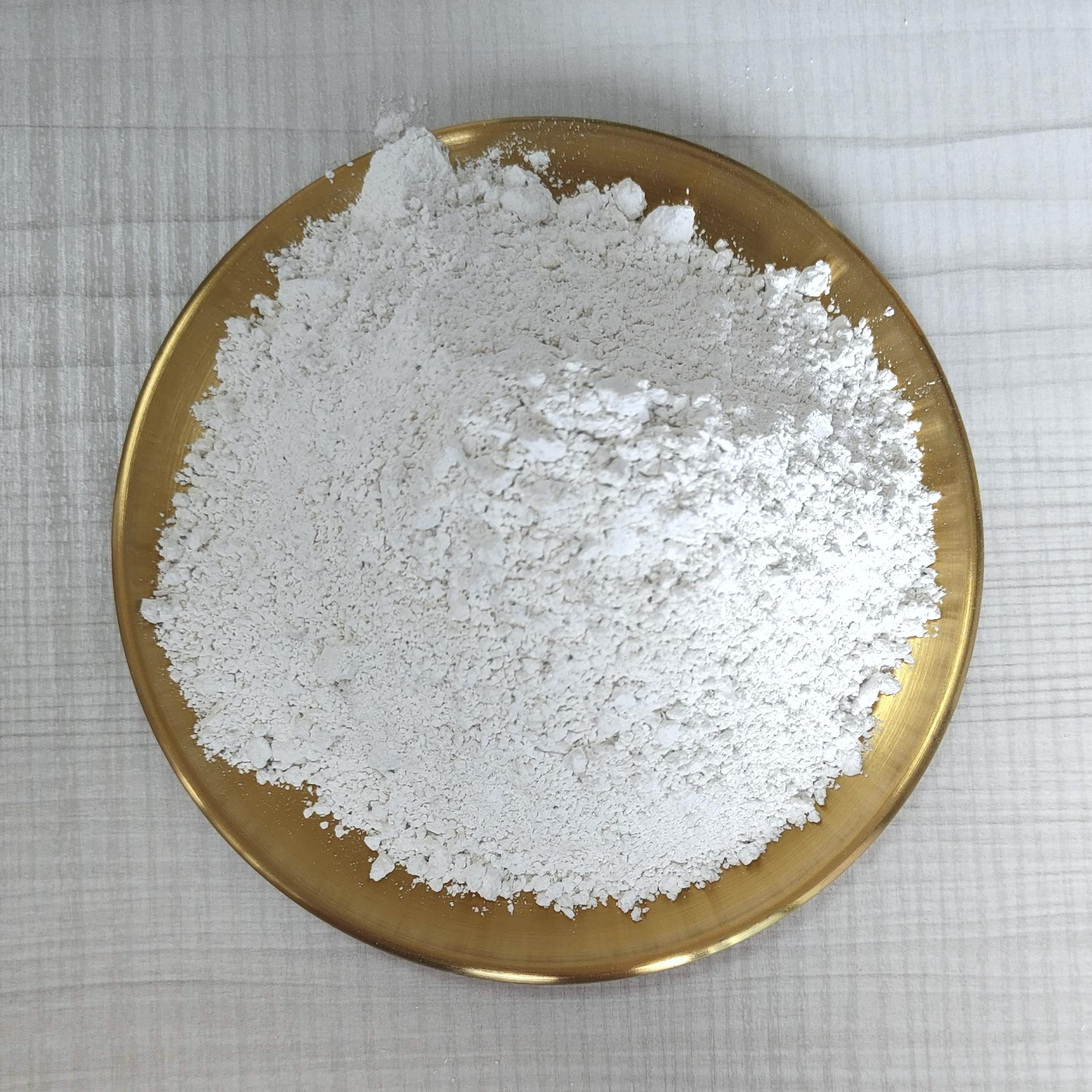
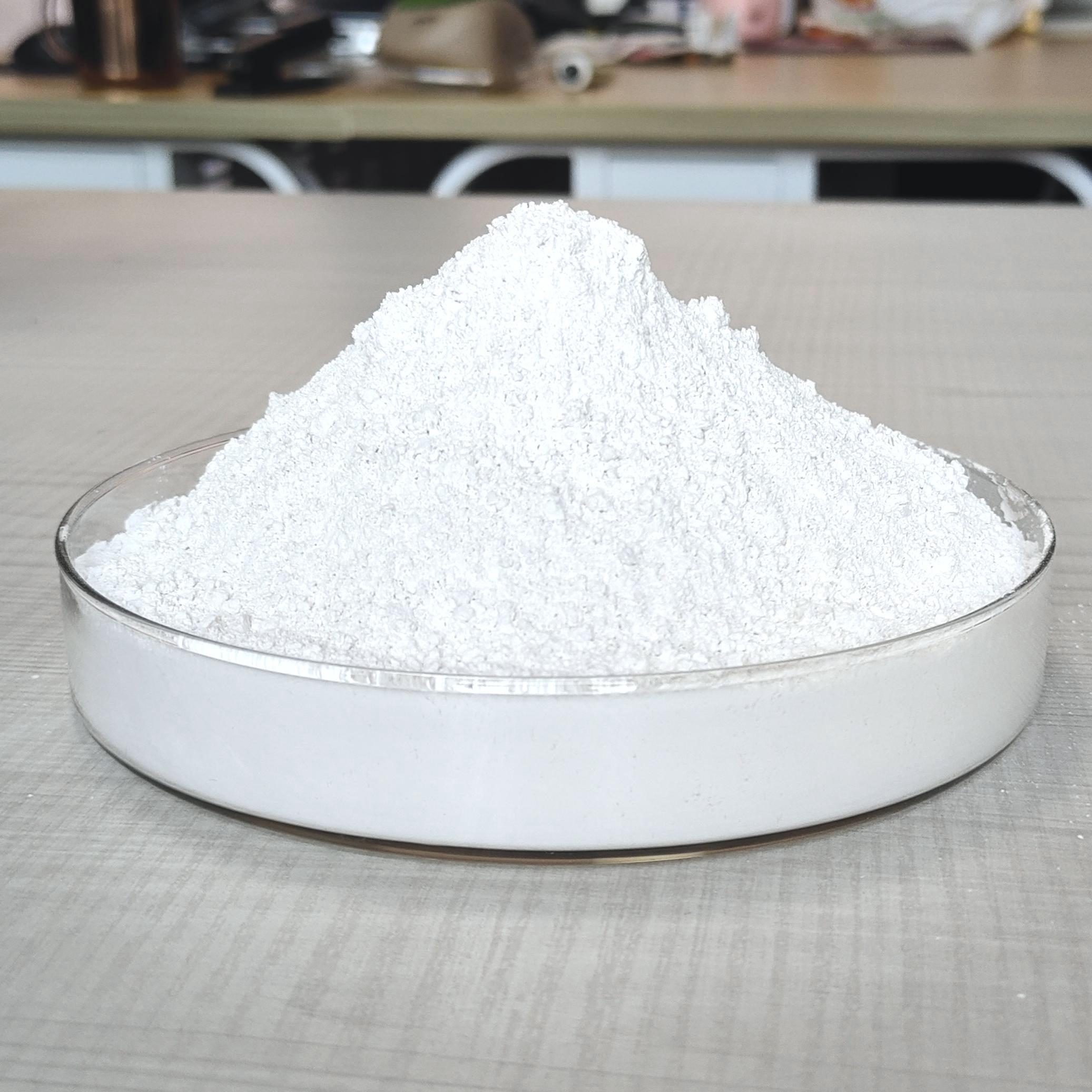
Ultrafine calcium carbonate (UCC) is a sophisticated form of calcium carbonate (CaCO3) that has gained immense popularity in the chemical manufacturing sector. This fine powder is produced through various processes, resulting in particles with diameters ranging from a few nanometers to several microns. Its ultra-fine nature allows for unique properties and applications, making it a preferred additive in numerous industrial formulations.
In this article, we will explore the versatility of ultrafine calcium carbonate, examining its properties, applications, production techniques, benefits, and the challenges faced in its utilization.
2. Properties of Ultrafine Calcium Carbonate
Ultrafine calcium carbonate exhibits several distinctive properties that contribute to its widespread use in chemical manufacturing:
2.1 Particle Size and Distribution
UCC is characterized by its extremely small particle size, which significantly enhances its surface area. This results in improved reactivity and dispersion when incorporated into various formulations.
2.2 Purity and Composition
High-purity UCC typically contains more than 98% calcium carbonate, making it an excellent filler or pigment in diverse applications. Its chemical composition plays a crucial role in determining its effectiveness in different formulations.
2.3 Morphology
The morphology of UCC particles, often comprising a spherical or rhombohedral shape, influences their behavior in mixtures. This unique structure provides optimal flow and packing characteristics, which are essential for processing.
2.4 pH Neutrality
Being a naturally occurring compound, ultrafine calcium carbonate is pH-neutral. This property makes it ideal for use in formulations that require minimal interference with the chemical balance.
3. Key Applications in Chemical Manufacturing
Ultrafine calcium carbonate serves a plethora of applications within the chemical manufacturing industry, including:
3.1 Paints and Coatings
In the paints and coatings sector, UCC acts as a cost-effective pigment and filler. Its fine particle size enhances the opacity and brightness of paint, while also improving the viscosity and flow properties.
3.2 Plastics and Polymers
UCC is extensively used in the plastics industry to enhance the mechanical properties of plastic products. By reducing production costs and improving stiffness, it has become an essential additive in the formulation of various plastic materials.
3.3 Adhesives and Sealants
In the formulation of adhesives and sealants, ultrafine calcium carbonate provides improved bonding strength and flexibility. Its ability to enhance the texture and workability of these products makes it a valuable component.
3.4 Pharmaceuticals and Food Additives
UCC is used in the pharmaceutical and food industries as an excipient and anti-caking agent. Its pH neutrality ensures compatibility with various formulations, while its high purity meets stringent regulatory requirements.
3.5 Agriculture
In agriculture, UCC is utilized as a soil amendment and a calcium nutrient source. Its role in enhancing soil quality and promoting plant growth demonstrates its versatility beyond traditional manufacturing.
4. Benefits of Using Ultrafine Calcium Carbonate
The incorporation of ultrafine calcium carbonate into chemical manufacturing processes offers several advantages:
4.1 Cost-Effectiveness
UCC serves as an economical alternative to more expensive additives, enabling manufacturers to reduce production costs significantly without compromising quality.
4.2 Enhanced Product Quality
The unique properties of UCC contribute to improved product quality, including better texture, stability, and performance characteristics in end products.
4.3 Environmentally Friendly
As a naturally occurring mineral, UCC is considered an environmentally friendly option. Its production processes can be designed to minimize environmental impact, aligning with sustainable manufacturing practices.
4.4 Versatile Functionality
From acting as a filler to enhancing performance properties in various formulations, the versatility of UCC allows for multiple applications across diverse industries.
5. Production Techniques of Ultrafine Calcium Carbonate
The production of ultrafine calcium carbonate involves several techniques, including:
5.1 Precipitation Method
The precipitation method utilizes chemical reactions to produce UCC. This process involves the reaction of calcium salts with carbon dioxide, resulting in the formation of fine calcium carbonate particles.
5.2 Milling and Classification
Mechanical milling and classification techniques are employed to produce ultrafine calcium carbonate by grinding larger particles into finer sizes and then classifying them based on size distribution.
5.3 Surface Modification
To enhance the performance of UCC in specific applications, surface modification techniques may be applied. These processes can improve dispersion, compatibility, and functionality in formulations.
6. Challenges in Utilizing Ultrafine Calcium Carbonate
While ultrafine calcium carbonate offers many advantages, there are challenges associated with its use:
6.1 Handling and Storage
Due to its fine particle size, UCC can pose handling and storage difficulties. Its tendency to agglomerate may also affect processing and application in formulations.
6.2 Quality Control
Maintaining consistent quality in UCC production is vital. Variations in particle size, purity, and chemical composition can lead to inconsistencies in product performance.
6.3 Regulatory Compliance
For applications in pharmaceuticals and food, adherence to stringent regulations is crucial. Manufacturers must ensure compliance with safety and purity standards to avoid regulatory hurdles.
7. The Future of Ultrafine Calcium Carbonate in Chemical Manufacturing
The future of ultrafine calcium carbonate in chemical manufacturing appears promising. With ongoing research and development efforts, the potential for innovative applications continues to expand. The emphasis on sustainability and environmentally friendly practices further enhances its appeal in the industry.
Emerging technologies and enhanced production methods can lead to improved efficiency, lower costs, and higher-quality products. As industries increasingly seek to adopt sustainable practices, ultrafine calcium carbonate is likely to play a pivotal role in advancing eco-friendly manufacturing solutions.
8. Frequently Asked Questions
8.1 What is ultrafine calcium carbonate?
Ultrafine calcium carbonate is a finely milled form of calcium carbonate used as a filler and pigment in various applications, particularly in chemical manufacturing.
8.2 How is ultrafine calcium carbonate produced?
UCC is produced through several methods, including precipitation, mechanical milling, and surface modification techniques.
8.3 What are the primary applications of ultrafine calcium carbonate?
UCC is widely used in paints, plastics, pharmaceuticals, adhesives, and agriculture, among other industries.
8.4 What are the benefits of using ultrafine calcium carbonate?
Benefits include cost-effectiveness, enhanced product quality, environmentally friendly attributes, and versatile functionality across various applications.
8.5 What challenges are associated with ultrafine calcium carbonate?
Challenges include handling and storage difficulties, maintaining consistent quality, and ensuring regulatory compliance in sensitive applications.
9. Conclusion
In conclusion, ultrafine calcium carbonate stands out as a versatile and valuable additive in the chemical manufacturing industry. Its unique properties, extensive applications, and numerous benefits make it an essential component in a variety of formulations. As the industry continues to evolve, the adaptability and sustainability of ultrafine calcium carbonate position it well for future developments. By addressing the challenges associated with its use, manufacturers can fully leverage the potential of this remarkable compound, driving innovation and enhancing product quality across multiple sectors.
ultrafine calcium carbonate
Previous page


Get in Touch with Us Today

EZ Chemical is one of the best suppliers of calcium carbonate series products in China.
CONTACT US
E-mail: kevin_song@ezchemical.cn
ADD:Room 2008, Building 8, Jinse Yangguang, Xin'an East Road, Xin'anjiang Street, Jiande City, Zhejiang Province, China.