19
2026
-
05
The Role of Ultrafine Calcium Carbonate in Enhancing Pigment Performance
The Role of Ultrafine Calcium Carbonate in Enhancing Pigment Performance Table of Contents 1. Introduction to Ultrafine Calcium Carbonate 2. Key Properties of Ultrafine Calcium Carbonate 3. Applications in the Pigment Industry 4. Benefits of Using Ultrafine Calcium Carbonate in Pigments 5. Mechanism of Action: How It Enhances Performance 6. Comparison with Other Fillers
The Role of Ultrafine Calcium Carbonate in Enhancing Pigment Performance
Table of Contents
- 1. Introduction to Ultrafine Calcium Carbonate
- 2. Key Properties of Ultrafine Calcium Carbonate
- 3. Applications in the Pigment Industry
- 4. Benefits of Using Ultrafine Calcium Carbonate in Pigments
- 5. Mechanism of Action: How It Enhances Performance
- 6. Comparison with Other Fillers
- 7. Industry Standards and Quality Control
- 8. Future Trends in Pigment Enhancement
- 9. Frequently Asked Questions (FAQs)
- 10. Conclusion
1. Introduction to Ultrafine Calcium Carbonate
Ultrafine calcium carbonate (UFC) is an essential inorganic compound that plays a pivotal role in enhancing the performance of pigments in various applications. As a versatile filler, it is widely utilized in the formulation of paints, coatings, plastics, and other composite materials. Using ultrafine calcium carbonate as a pigment additive brings numerous advantages, including improved opacity, brightness, and overall aesthetic appeal.
2. Key Properties of Ultrafine Calcium Carbonate
Understanding the properties of ultrafine calcium carbonate is crucial for leveraging its potential fully. Here are some of its key attributes:
2.1 Particle Size and Distribution
UFC is characterized by its small particle size, typically ranging from 1 to 10 micrometers. This fine dispersion allows for high packing efficiency, leading to enhanced performance in a variety of applications.
2.2 High Purity and Chemical Stability
Ultrafine calcium carbonate boasts high purity levels, making it chemically stable. Its inert nature means it does not react with pigments or other additives, ensuring consistent performance.
2.3 Surface Area and Texture
The high surface area of UFC allows for effective interaction with other materials. This property significantly contributes to improved adhesion and dispersion in pigment formulations.
3. Applications in the Pigment Industry
The pigment industry leverages ultrafine calcium carbonate in numerous applications, enhancing the overall quality and performance of various products.
3.1 Paints and Coatings
In the paints and coatings sector, UFC serves as a vital filler that enhances opacity and provides a smooth texture, enabling better coverage and a more attractive finish.
3.2 Plastics and Composites
UFC improves the mechanical properties of plastics and composites, contributing to better durability and performance. Its use in these materials results in lighter products without compromising strength.
3.3 Inks and Dyes
In the ink formulation process, ultrafine calcium carbonate improves the flow properties and stability of inks, ensuring even dispersion of colorants and enhancing print quality.
4. Benefits of Using Ultrafine Calcium Carbonate in Pigments
Integrating UFC into pigment formulations offers numerous benefits that are critical for manufacturers and end-users alike.
4.1 Enhanced Opacity and Whiteness
UFC significantly improves the opacity of pigments, allowing for better coverage with less product. Its bright white color enhances the overall whiteness of the formulations.
4.2 Cost-Effectiveness
As an economical filler, ultrafine calcium carbonate reduces the overall production costs by allowing manufacturers to use less expensive raw materials while maintaining quality.
4.3 Improved Processing and Application
The fine particle size of UFC facilitates better dispersion during mixing, leading to improved processing. This property allows for easier application in various industries, from construction to consumer goods.
5. Mechanism of Action: How It Enhances Performance
The performance enhancement offered by ultrafine calcium carbonate can be attributed to several mechanisms:
5.1 Physical Interaction with Pigments
UFC’s fine particle size allows it to bridge gaps between pigment particles, improving distribution and enhancing color intensity. This physical interaction results in more vibrant and uniform colors.
5.2 Chemical Inertness
The chemically inert nature of UFC prevents it from interfering with other components in the formulation, ensuring that the desired properties of pigments remain intact.
5.3 Reduction of Settling and Separation
The high surface area and fine particle size of UFC reduce settling and separation in liquid formulations, leading to improved stability and shelf-life of products.
6. Comparison with Other Fillers
When comparing ultrafine calcium carbonate to other common fillers, several distinctions arise:
6.1 Versus Talc
While talc offers some benefits, UFC provides superior opacity and whiteness, making it a better choice for applications needing high visual impact.
6.2 Versus Kaolin
Kaolin may offer good performance, but it lacks the cost-effectiveness and mechanical strength enhancement that UFC provides in plastics and composites.
6.3 Versus Barite
Barite is often used for its density; however, UFC provides a better balance between weight and performance, particularly in applications where lower density materials are desirable.
7. Industry Standards and Quality Control
Ensuring quality control is vital in the pigment industry, where ultrafine calcium carbonate is concerned. Compliance with international standards, such as ISO 9001, guarantees that products meet required specifications for performance and safety.
7.1 Testing Procedures
Regular testing of particle size, purity, and chemical composition ensures that UFC maintains its high standards. Manufacturers must adopt rigorous testing procedures to uphold quality.
7.2 Certification and Compliance
Obtaining relevant certifications indicates a commitment to quality, enhancing credibility in the market. This compliance reassures customers regarding the safety and effectiveness of the products they are purchasing.
8. Future Trends in Pigment Enhancement
As industries evolve, the role of ultrafine calcium carbonate in pigment performance will likely expand. Emerging trends include:
8.1 Sustainable Practices
With a growing emphasis on sustainability, manufacturers are exploring eco-friendly sources of ultrafine calcium carbonate, reducing environmental impact while maintaining performance.
8.2 Technological Innovations
Advancements in production techniques and technologies will continue to refine the properties of UFC, allowing for even greater performance enhancements in pigments.
8.3 Custom Formulations
The demand for customized pigment formulations tailored to specific applications is on the rise. This trend will drive further innovations in the utilization of ultrafine calcium carbonate.
9. Frequently Asked Questions (FAQs)
9.1 What is ultrafine calcium carbonate used for?
Ultrafine calcium carbonate is used primarily as a filler in paints, coatings, plastics, and inks to enhance opacity, whiteness, and overall performance.
9.2 How does ultrafine calcium carbonate improve pigment performance?
It improves pigment performance by enhancing opacity, facilitating better dispersion, and reducing settling in formulations, leading to more vibrant and stable products.
9.3 Is ultrafine calcium carbonate environmentally friendly?
Yes, UFC can be sourced sustainably, and it is non-toxic, making it an environmentally friendly option compared to many synthetic fillers.
9.4 Can ultrafine calcium carbonate replace other fillers?
In many cases, yes. UFC can replace traditional fillers like talc and kaolin, offering better performance and cost-effectiveness, but it depends on specific application needs.
9.5 What are the industry standards for ultrafine calcium carbonate?
Industry standards, such as ISO 9001, govern the quality and safety of ultrafine calcium carbonate, ensuring it meets performance specifications for various applications.
10. Conclusion
Ultrafine calcium carbonate plays a crucial role in enhancing pigment performance across multiple industries. Its unique properties, such as small particle size, high purity, and excellent dispersion qualities, make it an invaluable additive in paints, coatings, plastics, and more. By integrating UFC into formulations, manufacturers can achieve improved opacity, reduced production costs, and enhanced overall product quality. As technology progresses and sustainability becomes a greater focus, the potential applications and benefits of ultrafine calcium carbonate will continue to expand, solidifying its position as a cornerstone in the pigment industry.
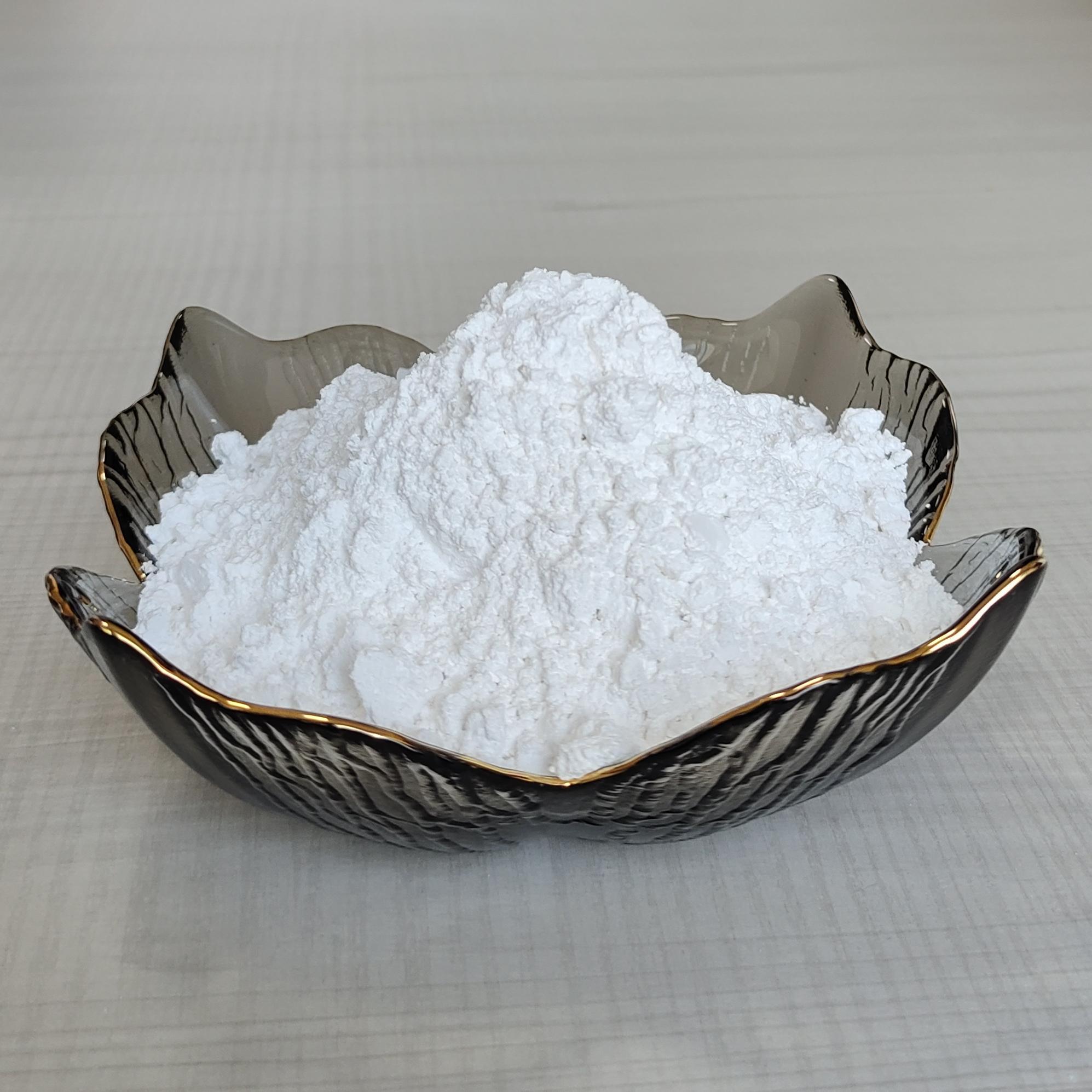
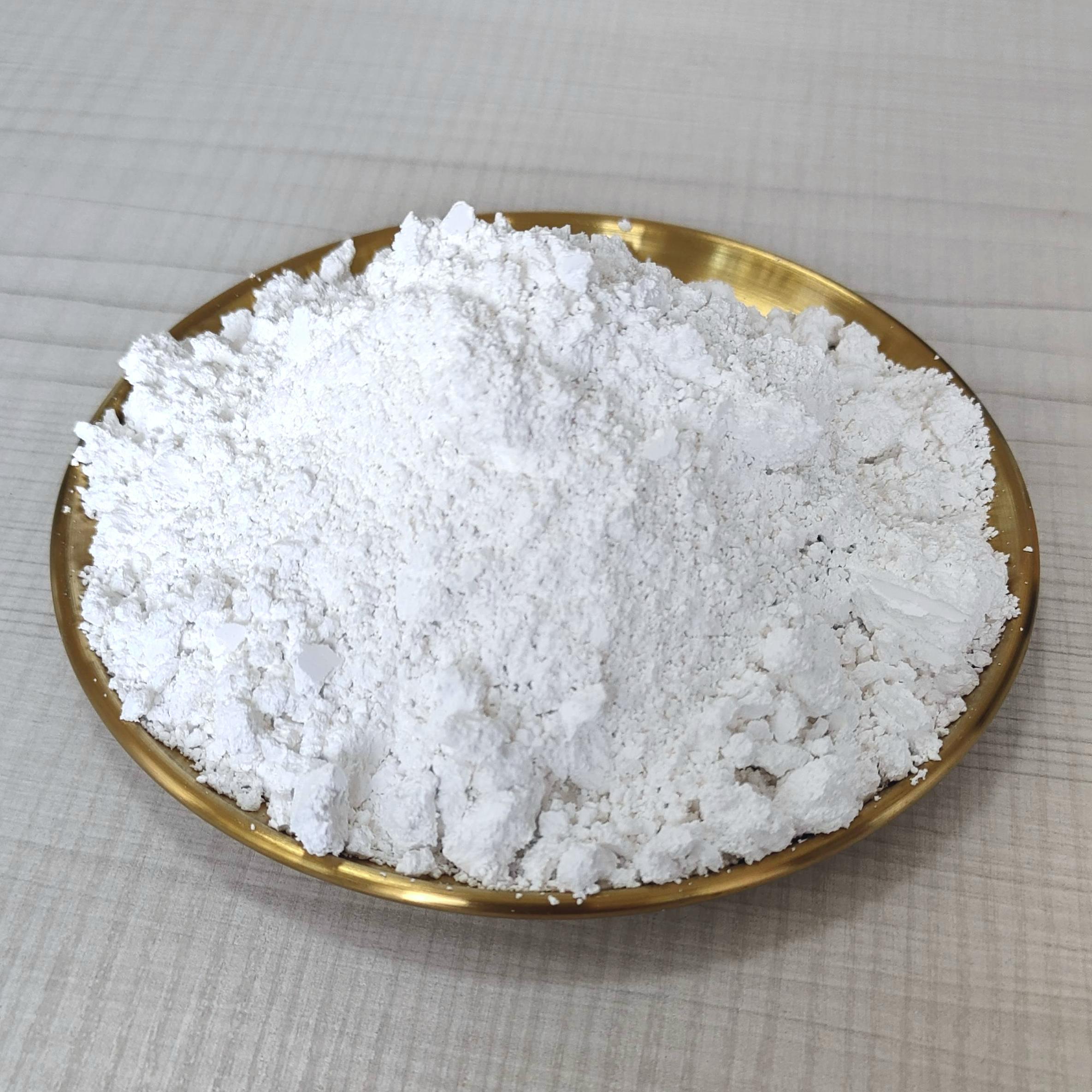
ultrafine calcium carbonate


Get in Touch with Us Today

EZ Chemical is one of the best suppliers of calcium carbonate series products in China.
CONTACT US
E-mail: kevin_song@ezchemical.cn
ADD:Room 2008, Building 8, Jinse Yangguang, Xin'an East Road, Xin'anjiang Street, Jiande City, Zhejiang Province, China.