06
2026
-
09
Why Choose Calcium Hydroxide for Your Industrial Needs? Unveiling the Benefits and Applications
Why Choose Calcium Hydroxide for Your Industrial Needs? Calcium hydroxide, commonly referred to as slaked lime, is a compound that has gained significance in various industrial applications. This comprehensive article delves into the reasons why calcium hydroxide is the preferred choice for numerous industries, highlighting its properties, applications, benefits, and environmental impact. Understa
Why Choose Calcium Hydroxide for Your Industrial Needs?
Calcium hydroxide, commonly referred to as slaked lime, is a compound that has gained significance in various industrial applications. This comprehensive article delves into the reasons why calcium hydroxide is the preferred choice for numerous industries, highlighting its properties, applications, benefits, and environmental impact.
Understanding Calcium Hydroxide: The Basics
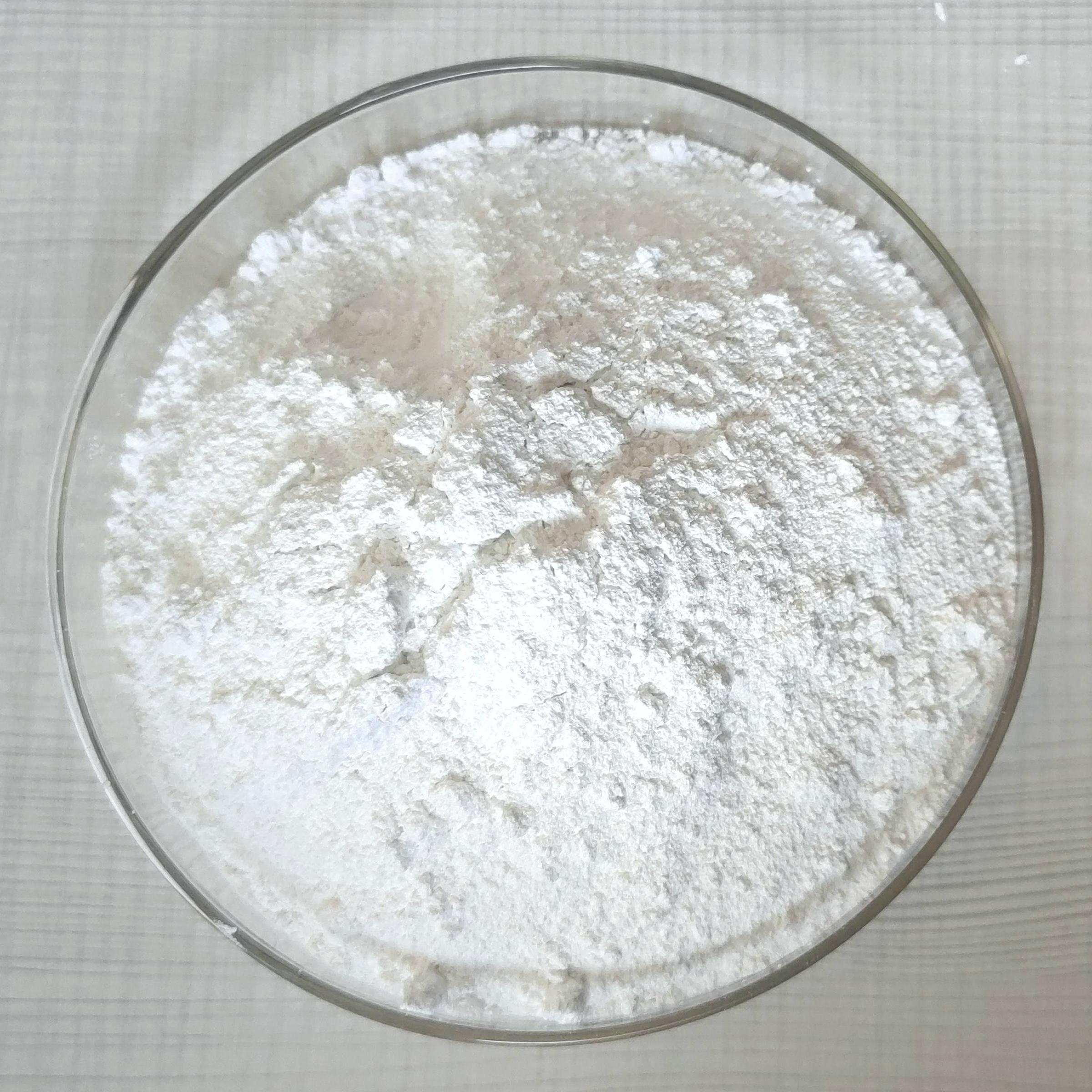
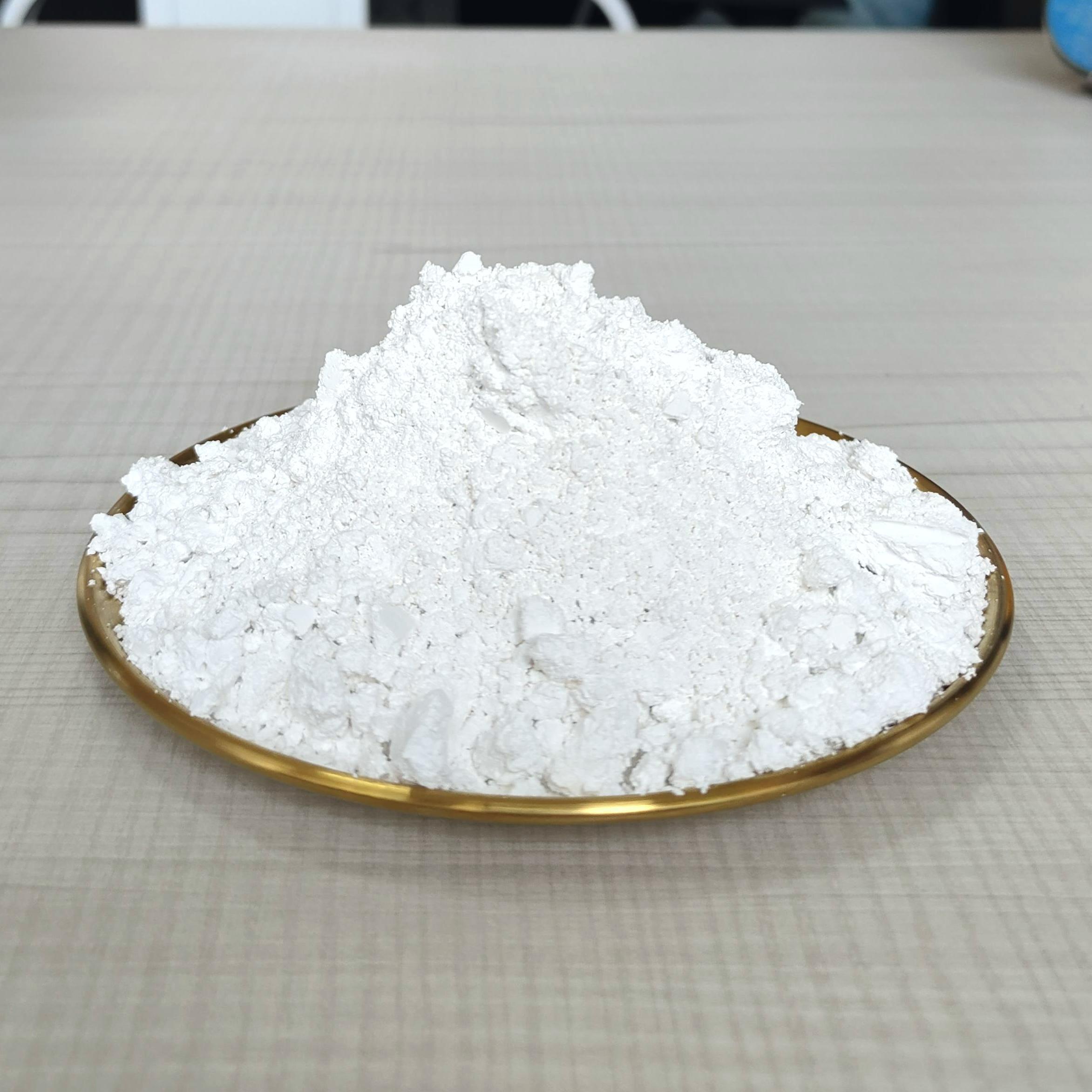
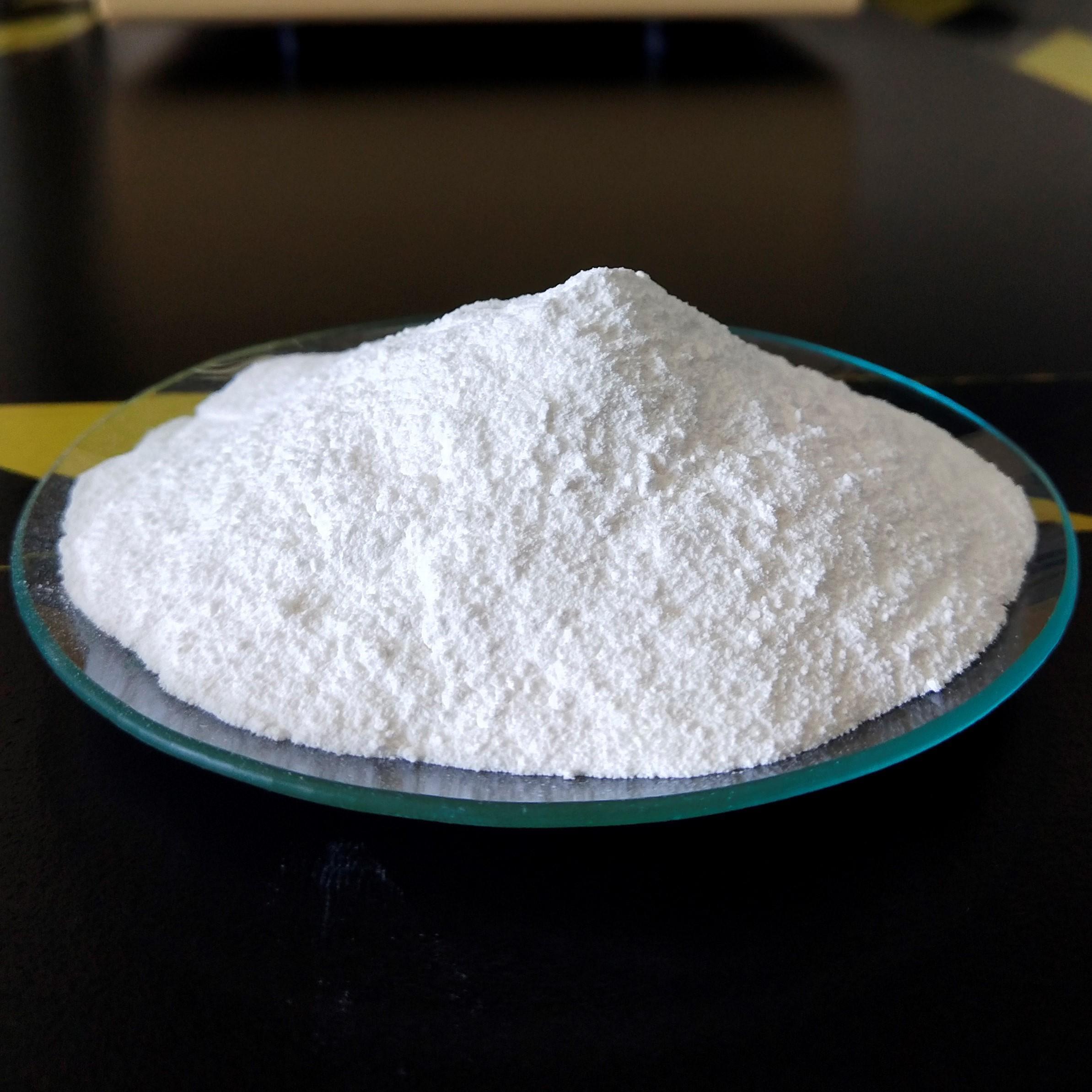
Calcium hydroxide is a colorless crystal or white powder that is highly soluble in water, forming an alkaline solution known as limewater. It is produced through the hydration of quicklime (calcium oxide), a process that releases heat. This compound is widely used in several industries due to its unique properties.
The Chemical Composition of Calcium Hydroxide
The chemical formula for calcium hydroxide is Ca(OH)₂. It consists of one calcium ion (Ca²⁺) and two hydroxide ions (OH⁻). These components contribute to its alkaline nature, making it effective in neutralizing acids and participating in various chemical reactions.
Physical and Chemical Properties
Calcium hydroxide possesses several important physical and chemical properties:
- **Appearance**: White powder or crystalline.
- **Solubility**: Sparingly soluble in water, where it forms a clear solution.
- **pH**: Highly alkaline, typically around 12.4 in a saturated solution.
- **Reactivity**: Reacts with acids to form salts and water.
These properties make calcium hydroxide a valuable asset in different industrial applications.
Applications of Calcium Hydroxide in Various Industries
Calcium hydroxide’s versatility allows it to be utilized in several industrial settings. Here are some of the key applications:
1. Water Treatment
Calcium hydroxide is extensively used in water treatment processes. It helps in:
- **pH Adjustment**: By raising the pH of acidic water, calcium hydroxide enhances the effectiveness of chlorine in disinfection.
- **Softening Water**: It precipitates hard water minerals, such as calcium and magnesium, making the water softer.
- **Heavy Metal Removal**: Calcium hydroxide reacts with heavy metals, forming insoluble compounds that can be easily removed.
2. Construction Industry
In construction, calcium hydroxide is crucial for:
- **Mortars and Plasters**: It improves the workability and durability of mortar and plaster mixes.
- **Soil Stabilization**: Used to enhance the properties of soil, making it suitable for construction purposes.
- **Hydraulic Lime Production**: When mixed with water and sand, it forms hydraulic lime, which is essential for building durable structures.
3. Agriculture
In agriculture, calcium hydroxide serves multiple purposes:
- **Soil Amendment**: It raises soil pH, helping to neutralize acidity and improve crop yields.
- **Pest Control**: Acts as a pesticide and fungicide, protecting crops from various pests and diseases.
- **Nutrient Supply**: Provides calcium, a vital nutrient for plant growth.
4. Food Industry
Calcium hydroxide is also employed in the food industry, particularly in:
- **Food Processing**: Used as a food additive for certain products, including pickling and preserving.
- **Calcium Fortification**: Enhances the calcium content of various foods and beverages.
5. Chemical Manufacturing
In chemical manufacturing, calcium hydroxide is vital for producing:
- **Calcium Carbide**: Used in the production of acetylene gas.
- **Calcium Salts**: Serves as a precursor for various calcium-based compounds.
Advantages of Choosing Calcium Hydroxide
Selecting calcium hydroxide for industrial applications offers numerous advantages:
1. Cost-Effectiveness
Calcium hydroxide is relatively inexpensive compared to other chemical alternatives. Its wide availability contributes to lower overall costs for industrial processes.
2. Safety and Non-Toxicity
Calcium hydroxide is recognized for its low toxicity. It poses minimal health risks compared to other industrial chemicals, making it a safer choice for various applications.
3. Environmental Benefits
Using calcium hydroxide can lead to positive environmental impacts:
- **Sustainable Option**: Derived from naturally occurring limestone, it is an environmentally friendly choice.
- **Waste Treatment**: Effectively neutralizes industrial waste and reduces pollution.
4. Versatility
The adaptability of calcium hydroxide allows it to be used across multiple sectors, showcasing its broad range of applications.
5. Improved Performance
In many applications, calcium hydroxide enhances the performance of products, leading to improved efficiency and effectiveness.
How to Handle and Store Calcium Hydroxide Safely
When working with calcium hydroxide, safety precautions are essential:
1. Personal Protective Equipment (PPE)
Always wear appropriate PPE, including gloves, safety goggles, and masks, to avoid exposure.
2. Proper Storage Conditions
Store calcium hydroxide in a cool, dry place, away from incompatible materials such as acids. Use airtight containers to prevent moisture absorption.
3. Safe Handling Practices
When handling calcium hydroxide, avoid dust generation. Use proper techniques to minimize exposure and ensure adequate ventilation in work areas.
Calcium Hydroxide vs. Other Alternatives: A Comparative Analysis
While there are several alternatives to calcium hydroxide, such as sodium hydroxide and magnesium hydroxide, it is essential to evaluate their effectiveness and safety:
1. Sodium Hydroxide
- **Cost**: Generally more expensive than calcium hydroxide.
- **Toxicity**: More hazardous to handle, requires stringent safety measures.
2. Magnesium Hydroxide
- **Use Cases**: Limited in certain applications compared to calcium hydroxide.
- **Cost-Effectiveness**: Calcium hydroxide is often more budget-friendly.
In many scenarios, calcium hydroxide proves to be the superior option due to its balance of cost, safety, and versatility.
FAQs About Calcium Hydroxide
1. What is calcium hydroxide primarily used for?
Calcium hydroxide is mainly used in water treatment, construction, agriculture, and chemical manufacturing.
2. Is calcium hydroxide safe for food applications?
Yes, calcium hydroxide is considered safe for use in food processing and is often used as a food additive.
3. How does calcium hydroxide affect soil pH?
Calcium hydroxide raises soil pH, helping to neutralize acidity and promote healthier crop growth.
4. Can calcium hydroxide be used for pest control in agriculture?
Yes, it acts as a natural pesticide and fungicide to protect crops from pests and diseases.
5. What safety measures should be taken when handling calcium hydroxide?
Wear PPE, store it properly, and practice safe handling techniques to minimize exposure and risks.
Conclusion
Choosing calcium hydroxide for your industrial needs offers a wide array of benefits, including cost-effectiveness, safety, and environmental sustainability. Its versatility across various applications, from water treatment to agriculture, makes it an indispensable compound for many industries. By understanding the properties, advantages, and best practices for handling calcium hydroxide, you can make informed decisions that enhance the efficiency of your operations while prioritizing safety and environmental responsibility. With its remarkable capabilities, calcium hydroxide stands out as a reliable solution for your industrial requirements.
calcium hydroxide
Previous page

Get in Touch with Us Today

EZ Chemical is one of the best suppliers of calcium carbonate series products in China.
CONTACT US
E-mail: kevin_song@ezchemical.cn
ADD:Room 2008, Building 8, Jinse Yangguang, Xin'an East Road, Xin'anjiang Street, Jiande City, Zhejiang Province, China.