24
2026
-
01
Exploring the Wonders of Nano PCC: A Transformative Approach in Chemical Applications
--- Nano PCC, or nano Precipitated Calcium Carbonate, is an innovative material that has gained significant attention in the chemical industry due to its unique properties and versatile applications. This fine, white powder is synthesized through a controlled precipitation process that allows for the creation of nanoparticles with a size range typically between 20 to 200 nanometers. The unique siz
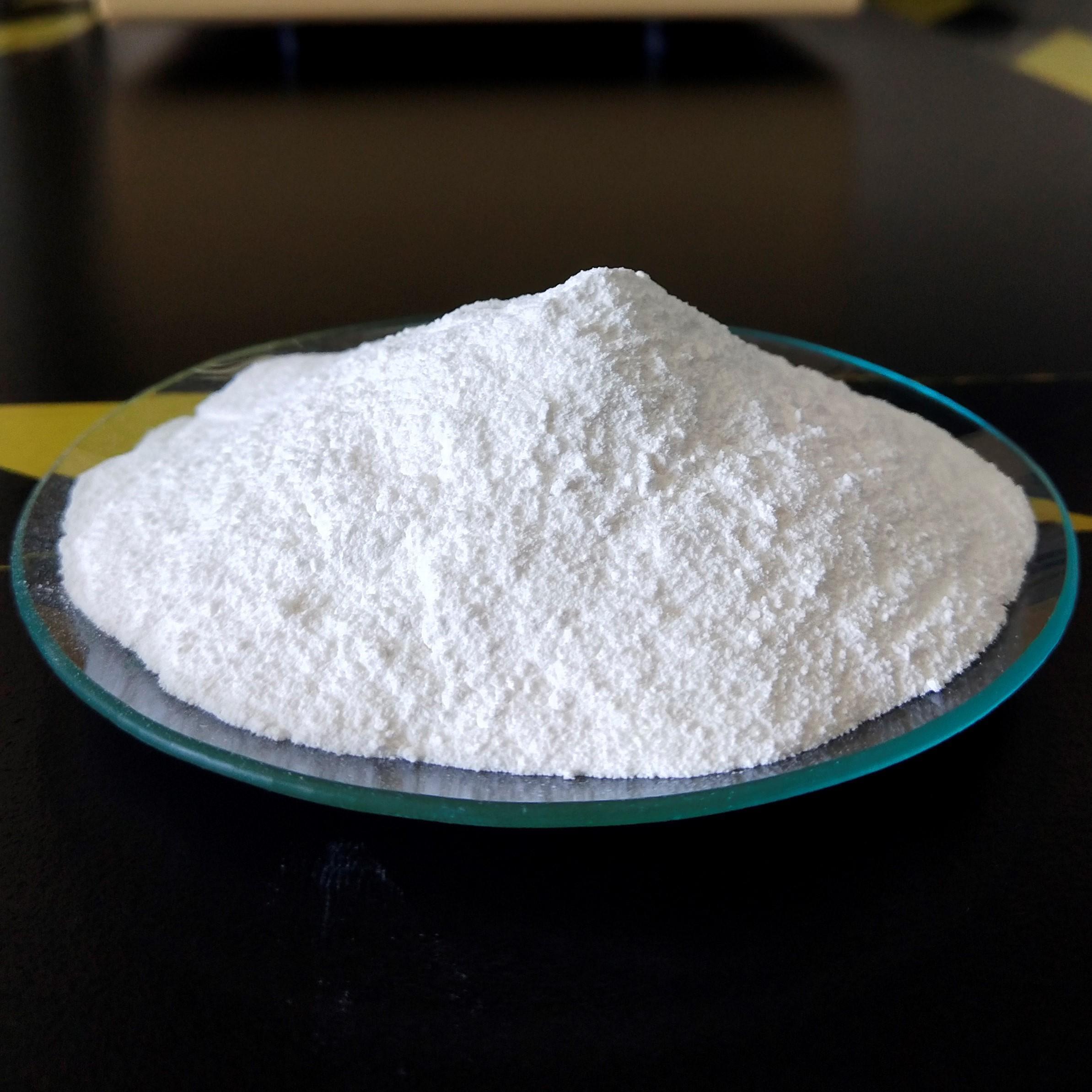
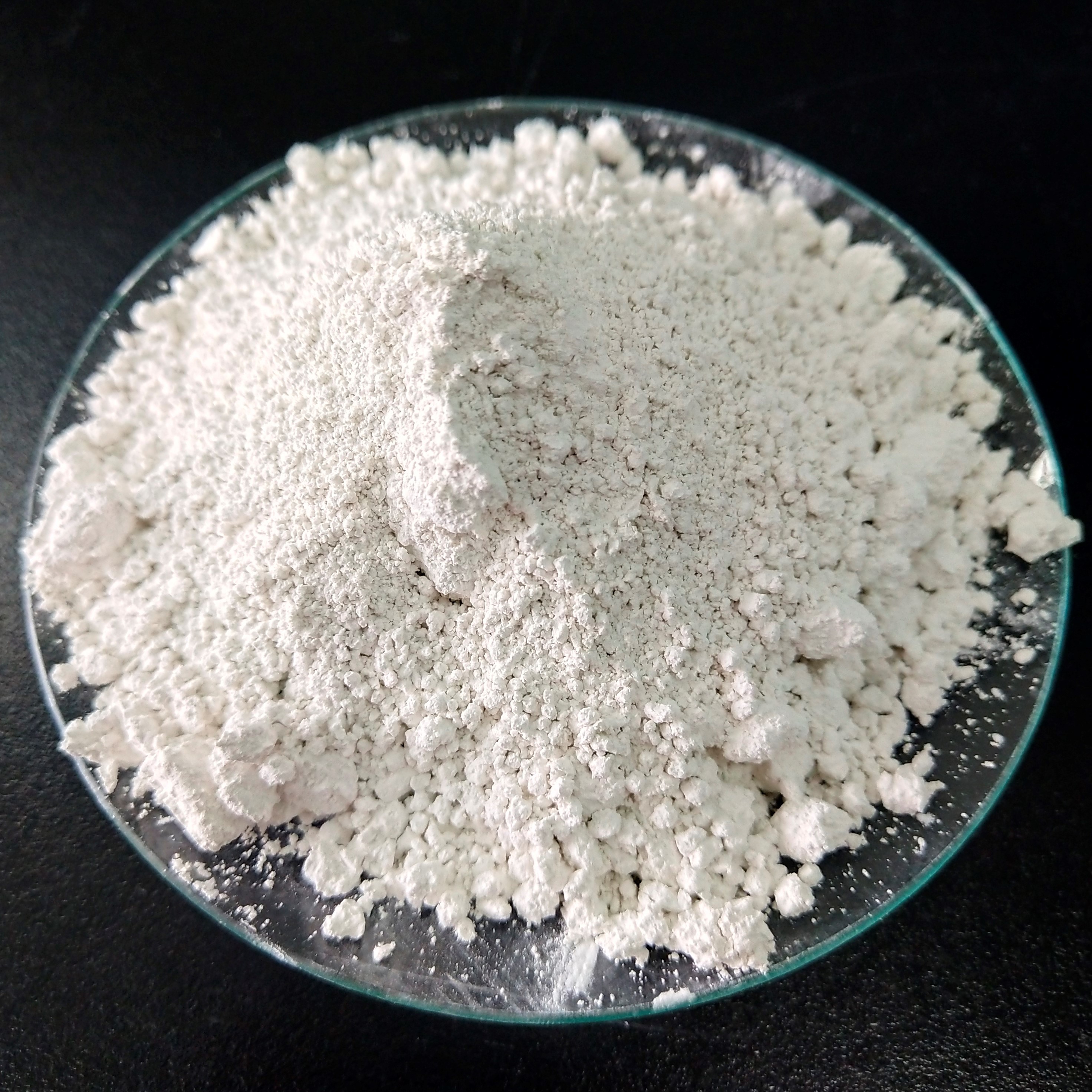
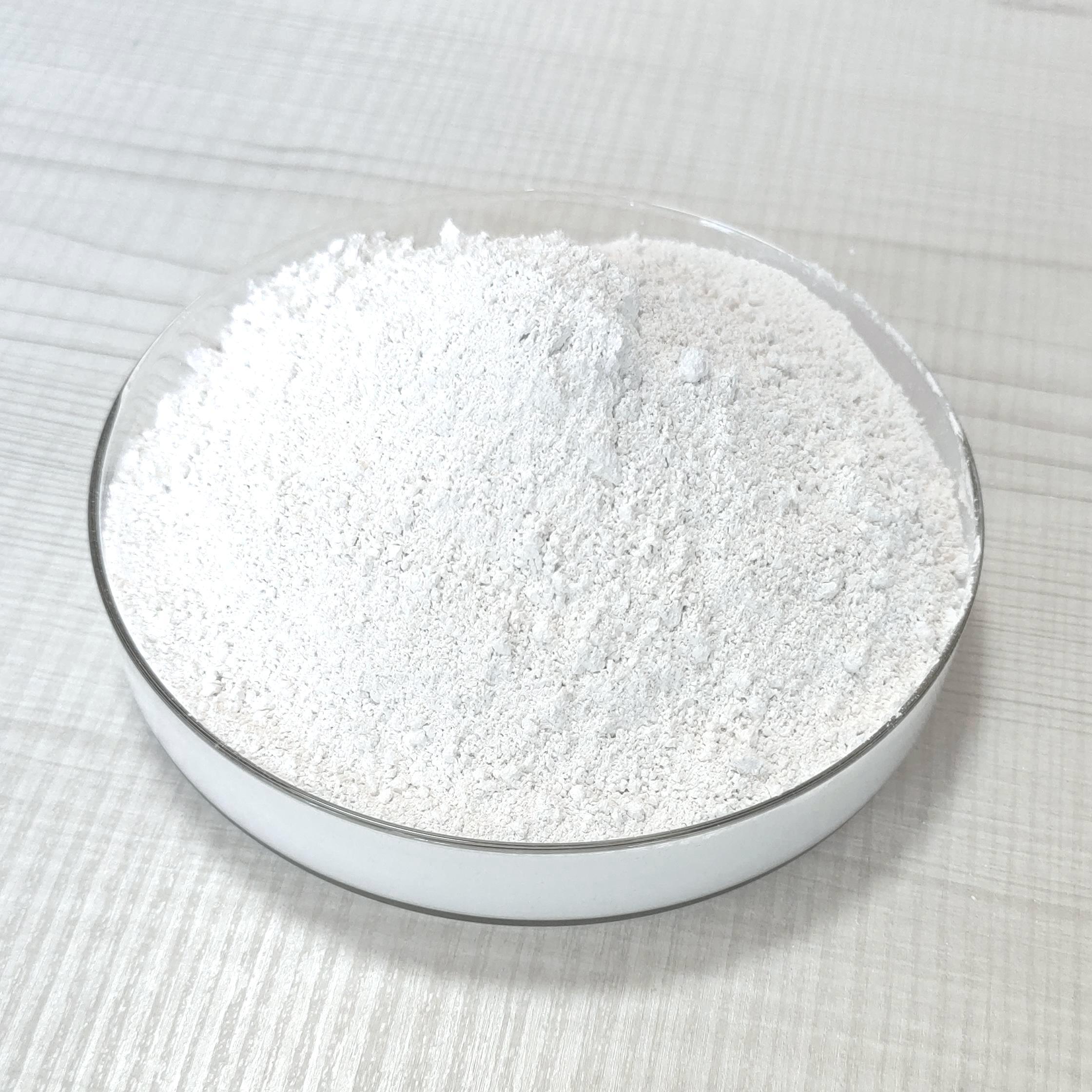
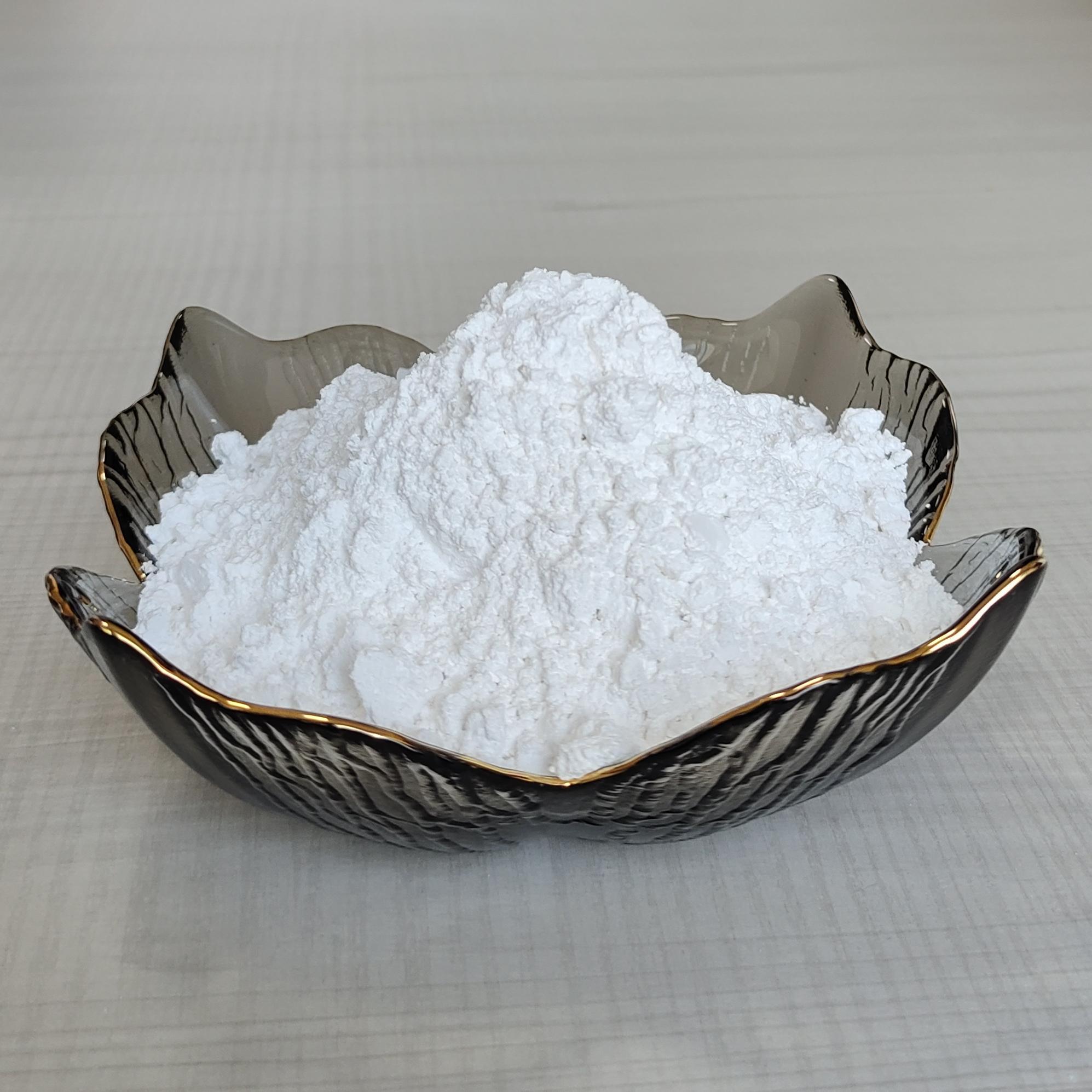
Nano PCC, or nano Precipitated Calcium Carbonate, is an innovative material that has gained significant attention in the chemical industry due to its unique properties and versatile applications. This fine, white powder is synthesized through a controlled precipitation process that allows for the creation of nanoparticles with a size range typically between 20 to 200 nanometers. The unique size and surface characteristics of nano PCC make it an excellent additive in various products, enhancing their performance and functionality.
One of the key advantages of nano PCC is its high surface area-to-volume ratio, which leads to improved dispersion in various media. This property makes it particularly useful in the formulation of paints, coatings, adhesives, and sealants, where it can enhance opacity, brightness, and durability. In addition, nano PCC can improve the mechanical properties of plastics and polymers, making them more robust and extending their lifespan.
The production of nano PCC involves a careful process of carbonation, where calcium hydroxide is reacted with carbon dioxide to precipitate calcium carbonate. This process can be finely tuned to produce particles of specific sizes and morphologies, making it adaptable for a wide range of applications. The ability to control particle size and distribution is crucial, as it directly affects the material's performance in end-use applications.
In the realm of sustainability, nano PCC presents an eco-friendly alternative to traditional fillers and additives. Its production can utilize carbon dioxide, reducing greenhouse gas emissions and contributing to carbon capture initiatives. Furthermore, nano PCC is biodegradable and can be integrated into various products without posing environmental hazards.
In the pharmaceutical and food industries, nano PCC serves as a beneficial excipient and anti-caking agent. Its fine particle size allows for better flow properties and enhanced solubility, making it a valuable component in the formulation of tablets and powdered products. Additionally, in the realm of personal care products, nano PCC is often incorporated into formulations to improve texture and enhance the sensory experience for consumers.
As industries continue to prioritize innovation and sustainability, the demand for advanced materials like nano PCC is expected to grow. Its unique properties, coupled with the ability to enhance product performance, position it as a significant player in the future of chemical applications.
In conclusion, nano PCC is not just a filler; it is a transformative material that offers a myriad of benefits across various industries. Its unique characteristics and production methods make it a vital component in the development of high-performance products, paving the way for a more sustainable future in the chemical sector.
nano PCC
Get in Touch with Us Today

EZ Chemical is one of the best suppliers of calcium carbonate series products in China.
CONTACT US
E-mail: kevin_song@ezchemical.cn
ADD:Room 2008, Building 8, Jinse Yangguang, Xin'an East Road, Xin'anjiang Street, Jiande City, Zhejiang Province, China.