08
2026
-
07
Exploring the Diverse Applications of Nanoscale Calcium Carbonate in Modern Chemistry
Exploring the Diverse Applications of Nanoscale Calcium Carbonate in Modern Chemistry Table of Contents What is Nanoscale Calcium Carbonate? Unique Properties of Nanoscale Calcium Carbonate Industrial Applications of Nanoscale Calcium Carbonate Pharmaceuticals and Biomedicine Environmental Science Cosmetics and Personal Care Foo
Exploring the Diverse Applications of Nanoscale Calcium Carbonate in Modern Chemistry
Table of Contents
- What is Nanoscale Calcium Carbonate?
- Unique Properties of Nanoscale Calcium Carbonate
- Industrial Applications of Nanoscale Calcium Carbonate
- Nanoscale Calcium Carbonate in Polymer Technology
- Role in Advanced Materials
- Challenges and Future Directions
- Conclusion
- FAQs about Nanoscale Calcium Carbonate
What is Nanoscale Calcium Carbonate?
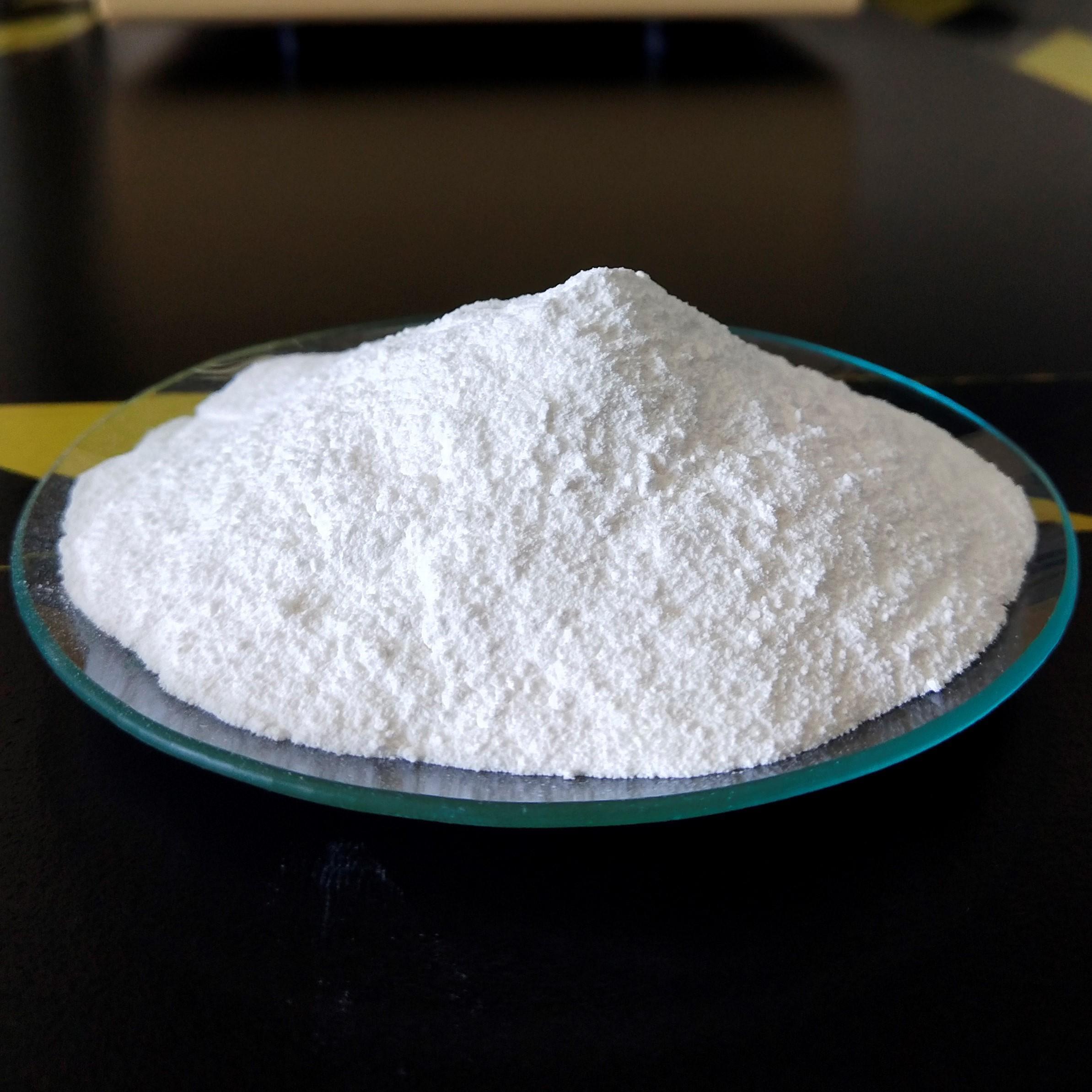
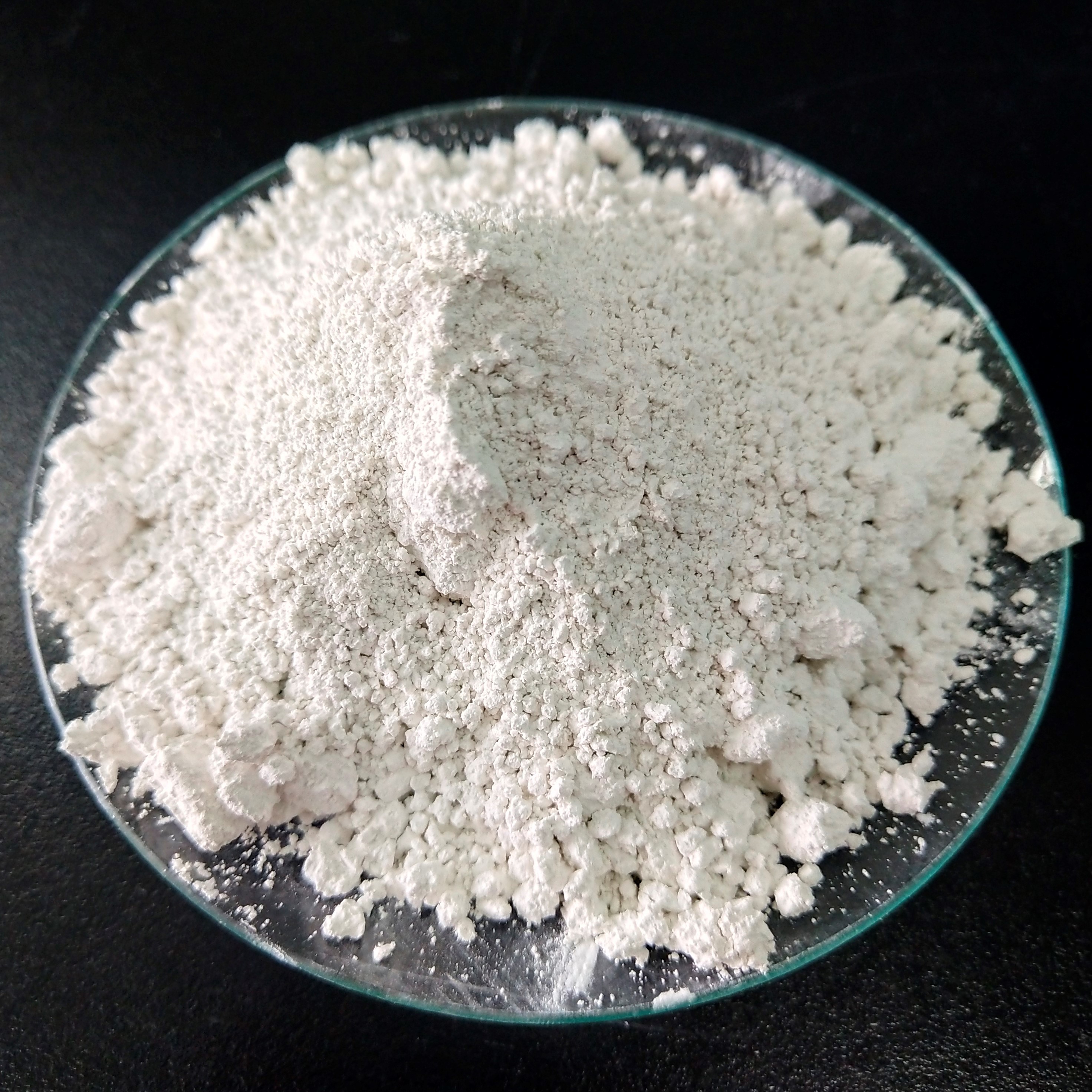
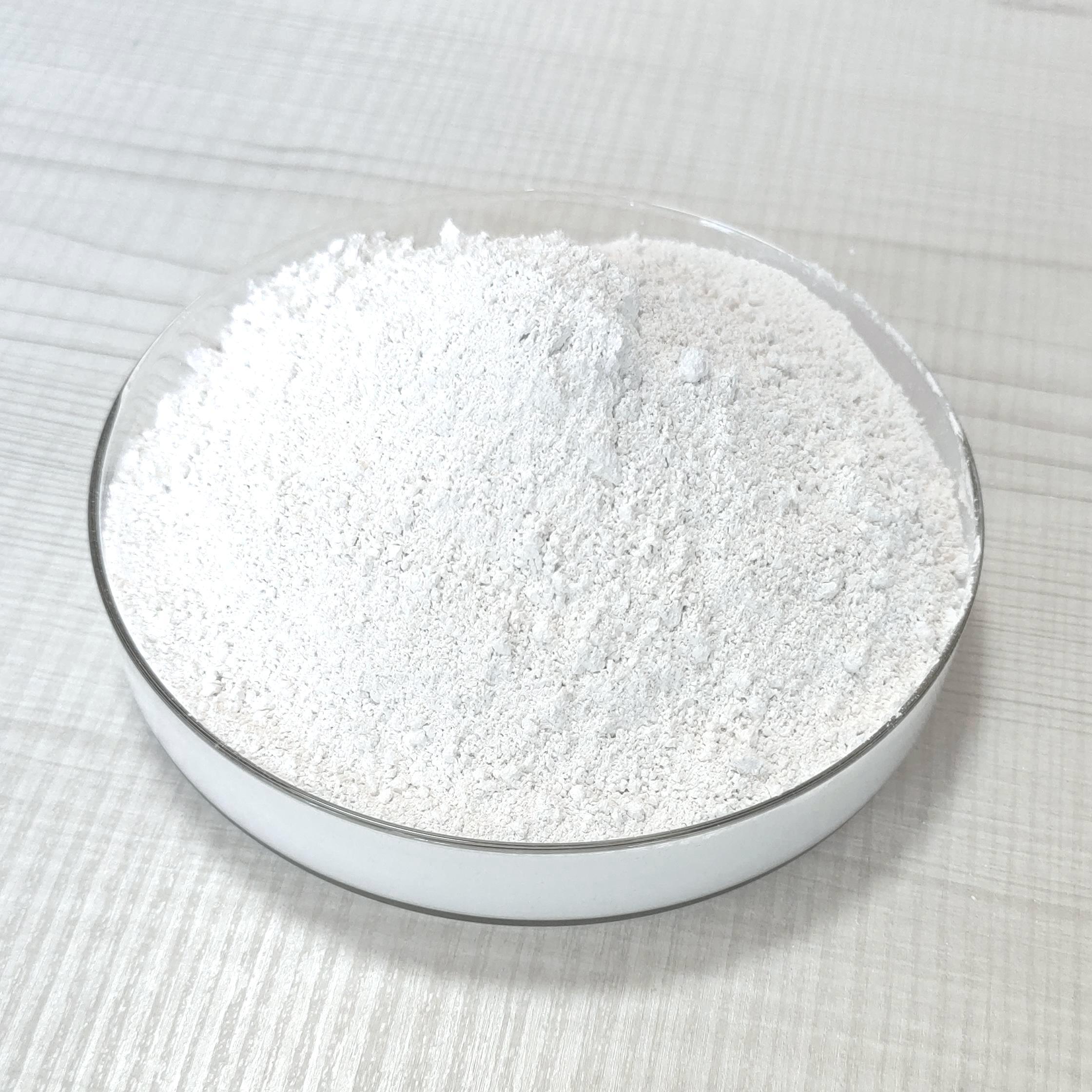
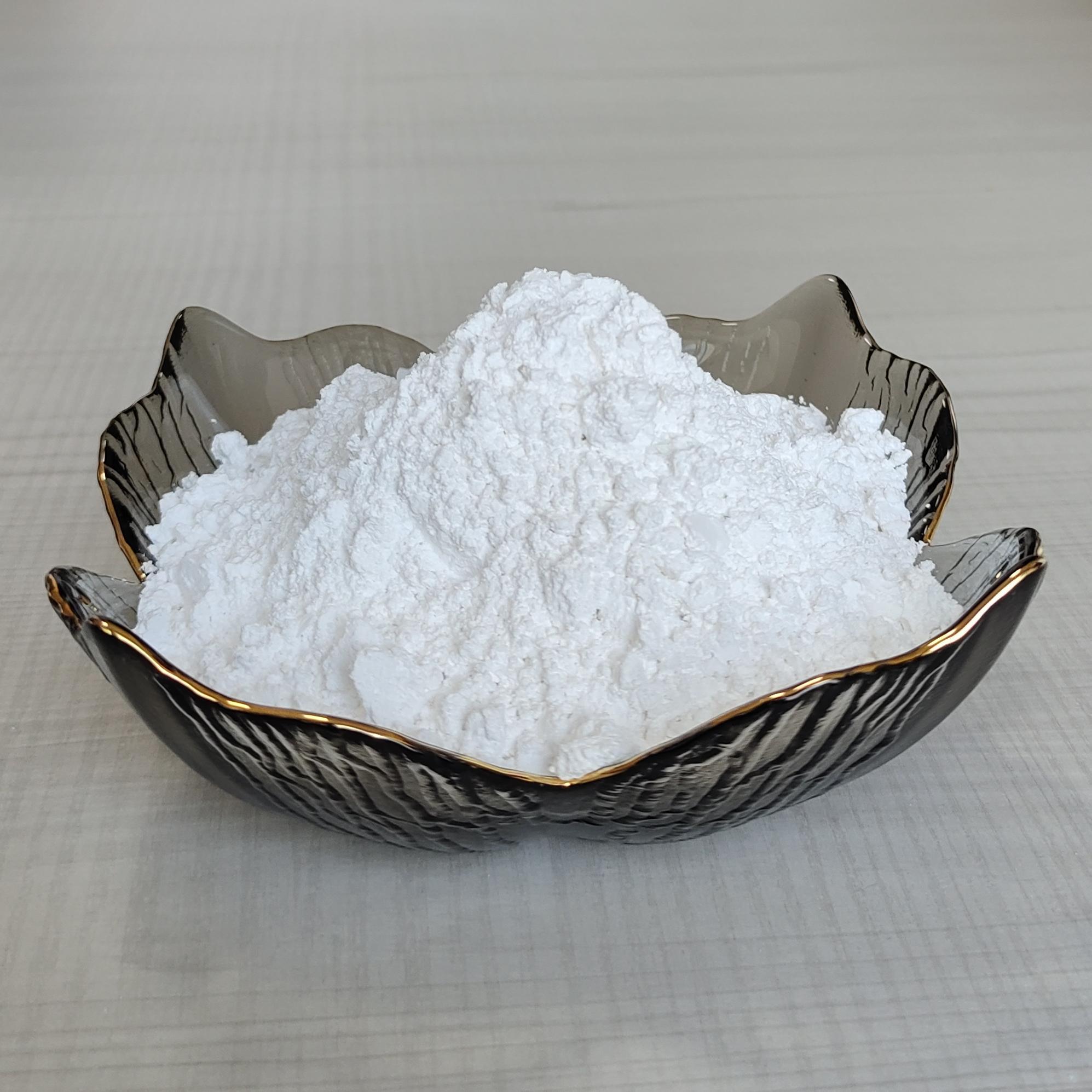
Nanoscale calcium carbonate (nCC) is a material that consists of calcium carbonate particles with dimensions in the nanometer range, typically between 1 to 100 nanometers. This ultrafine form of calcium carbonate exhibits distinctive properties that differ significantly from its larger counterparts. With a high surface area-to-volume ratio, nanoscale calcium carbonate demonstrates enhanced reactivity and improved performance in various applications across multiple industries.
Unique Properties of Nanoscale Calcium Carbonate
Nanoscale calcium carbonate possesses several unique properties, which make it an attractive option for various applications:
1. High Surface Area
Nanoscale calcium carbonate's increased surface area allows for greater interaction with other materials, enhancing its efficiency in various chemical reactions.
2. Enhanced Reactivity
Due to its nanoscale size, calcium carbonate exhibits improved reactivity, making it suitable for catalysis and other chemical processes.
3. Biocompatibility
Nanoscale calcium carbonate is generally recognized as biocompatible, which is essential for applications in the pharmaceutical and biomedical sectors.
4. Light Weight and Strength
Despite being lightweight, nanoscale calcium carbonate imparts strength to composites, making it valuable in materials science.
Industrial Applications of Nanoscale Calcium Carbonate
Nanoscale calcium carbonate finds applications across a myriad of industries due to its advantageous properties.
Pharmaceuticals and Biomedicine
In the pharmaceutical industry, nanoscale calcium carbonate serves multiple roles. It is often utilized as a **filler** in tablets, helping to improve the flowability and compressibility of powders. Moreover, its biocompatibility allows it to be used in drug delivery systems, enhancing the bioavailability of active ingredients. Recent studies indicate that incorporating nCC into formulations can lead to improved therapeutic outcomes.
Environmental Science
Nanoscale calcium carbonate plays a crucial role in environmental applications, particularly in water treatment processes. It acts as a pH regulator and can assist in the removal of heavy metals and other contaminants from wastewater. Furthermore, nCC can be used in carbon capture technologies, where it aids in the sequestration of CO2, contributing to sustainable practices.
Cosmetics and Personal Care
In the cosmetics industry, nanoscale calcium carbonate is increasingly employed as a **natural abrasive** in exfoliating products and as a **thickening agent** in creams and lotions. Its fine particle size ensures smooth application and enhanced stability of formulations, making it a preferred ingredient in many personal care items.
Food Industry
Nanoscale calcium carbonate is also used in the food industry as a food additive. It serves as an anti-caking agent and a calcium supplement, improving the nutritional profile of various products. Its safety profile has led to its approval by regulatory agencies, making it a common ingredient in fortified foods.
Nanoscale Calcium Carbonate in Polymer Technology
In polymer technology, nanoscale calcium carbonate is added to improve the mechanical properties of plastics. By incorporating nCC into polymer matrices, manufacturers can enhance the strength, durability, and processing characteristics of the final products. This has led to the development of lightweight yet robust materials suitable for packaging, automotive components, and construction materials.
Role in Advanced Materials
Nanoscale calcium carbonate is gaining attention in the development of advanced materials, particularly in nanocomposites. The incorporation of nCC into various matrices can lead to improved thermal stability, flame retardancy, and barrier properties. These enhanced characteristics make nCC a valuable component in applications such as electronics, coatings, and aerospace materials.
Challenges and Future Directions
While the applications of nanoscale calcium carbonate are promising, several challenges remain. The production processes for nCC can be complex and costly, necessitating ongoing research to develop more efficient manufacturing methods. Additionally, understanding the long-term effects of exposure to nanoscale materials on health and the environment is crucial for ensuring safety and compliance with regulations.
Future research is likely to focus on the development of novel applications for nCC, particularly in green chemistry and sustainable technologies. As industries continue to seek environmentally friendly alternatives, the versatility of nanoscale calcium carbonate positions it as a key player in innovative solutions.
Conclusion
Nanoscale calcium carbonate is an incredibly versatile material with a wide range of applications in modern chemistry. Its unique properties, such as high surface area, enhanced reactivity, and biocompatibility, make it an invaluable asset across numerous industries including pharmaceuticals, environmental science, cosmetics, and polymer technology. As research continues to unveil new applications and improve production techniques, the role of nanoscale calcium carbonate in advancing modern chemistry is set to expand further, promising exciting developments in the years to come.
FAQs about Nanoscale Calcium Carbonate
1. What is the significance of nanoscale calcium carbonate in pharmaceuticals?
Nanoscale calcium carbonate improves the flowability and compressibility of powders and enhances the bioavailability of active ingredients in drug formulations.
2. How does nanoscale calcium carbonate contribute to environmental sustainability?
nCC is used in water treatment to regulate pH and remove contaminants, and it also plays a role in carbon capture technologies.
3. Is nanoscale calcium carbonate safe for use in cosmetics?
Yes, nanoscale calcium carbonate is biocompatible and has been approved for use in various cosmetic formulations.
4. Can nanoscale calcium carbonate improve the mechanical properties of plastics?
Absolutely! Incorporating nCC into polymer matrices enhances strength, durability, and processing characteristics, leading to improved materials.
5. What challenges does the industry face concerning nanoscale calcium carbonate?
Challenges include complex production processes, cost, and the need for more research on its long-term health and environmental effects.
This article provides a comprehensive overview of nanoscale calcium carbonate, detailing its applications and significance across various fields in modern chemistry.
nanoscale calcium carbonate
Previous page
Get in Touch with Us Today

EZ Chemical is one of the best suppliers of calcium carbonate series products in China.
CONTACT US
E-mail: kevin_song@ezchemical.cn
ADD:Room 2008, Building 8, Jinse Yangguang, Xin'an East Road, Xin'anjiang Street, Jiande City, Zhejiang Province, China.