08
2026
-
06
Exploring Calcium Carbonate: A Key Ingredient in Modern Chemistry
Exploring Calcium Carbonate: A Key Ingredient in Modern Chemistry Table of Contents 1. Introduction to Calcium Carbonate 2. Chemical Properties of Calcium Carbonate 3. Production Processes of Calcium Carbonate 3.1 Natural Sources 3.2 Synthetic Production 4. Applications of Calcium Carbonate in Various Industries 4.1 Agriculture and Fertilizers 4.2 Construction and Building Materials 4.3 Pharmaceut
Exploring Calcium Carbonate: A Key Ingredient in Modern Chemistry
Table of Contents
1. Introduction to Calcium Carbonate
2. Chemical Properties of Calcium Carbonate
3. Production Processes of Calcium Carbonate
3.1 Natural Sources
3.2 Synthetic Production
4. Applications of Calcium Carbonate in Various Industries
4.1 Agriculture and Fertilizers
4.2 Construction and Building Materials
4.3 Pharmaceuticals and Food Industry
4.4 Environmental Applications
5. Health and Safety Considerations
6. Future Trends in Calcium Carbonate Usage
7. Frequently Asked Questions (FAQs)
8. Conclusion
1. Introduction to Calcium Carbonate
Calcium carbonate, scientifically represented as CaCO₃, is one of the most abundant minerals found on Earth. It plays a crucial role across various industries due to its unique properties and versatility. This compound is a primary component of limestone and marble, and it naturally occurs in the shells of marine organisms, snails, and eggs. Its relevance in modern chemistry can not be overstated, as it is integral to many chemical processes and applications.
2. Chemical Properties of Calcium Carbonate
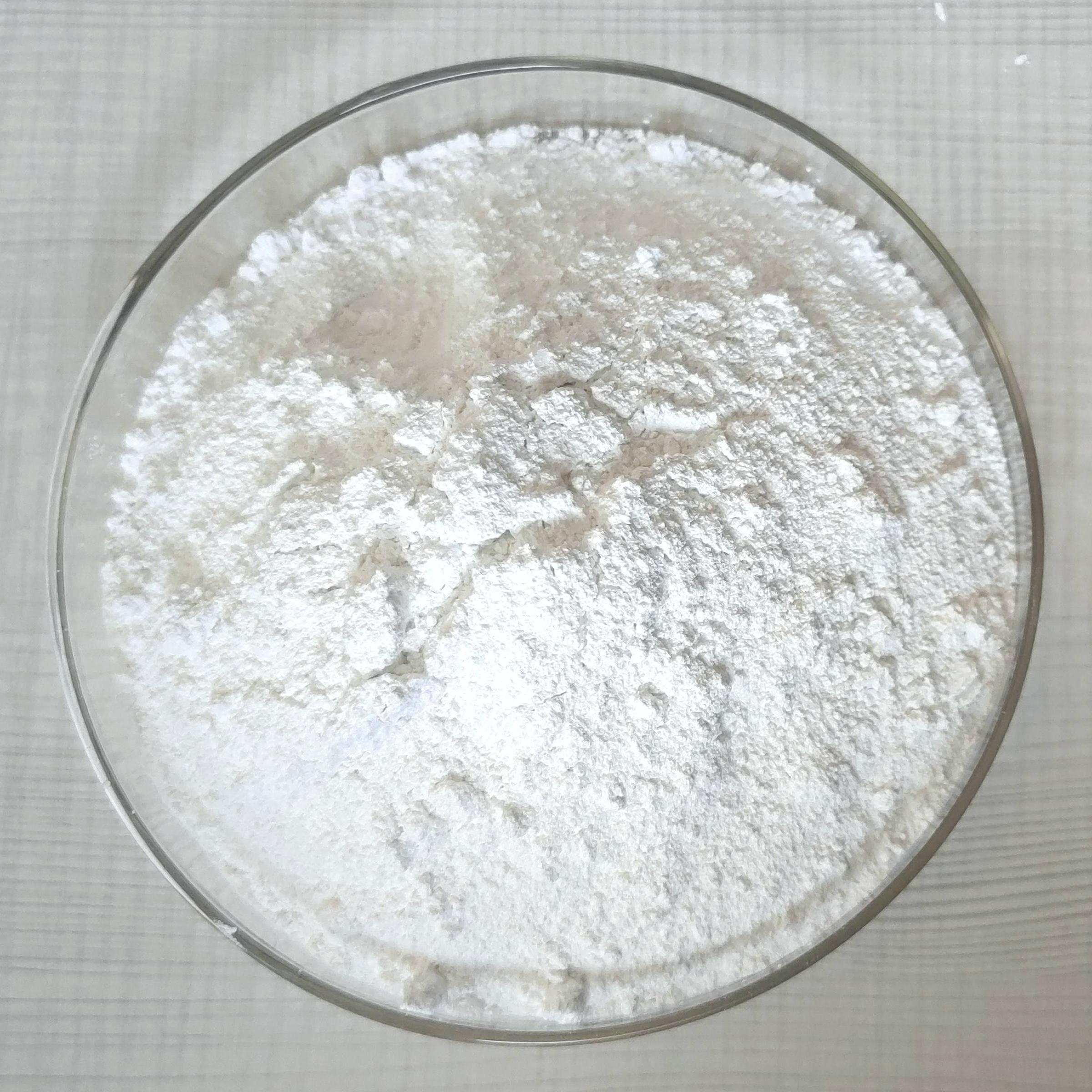
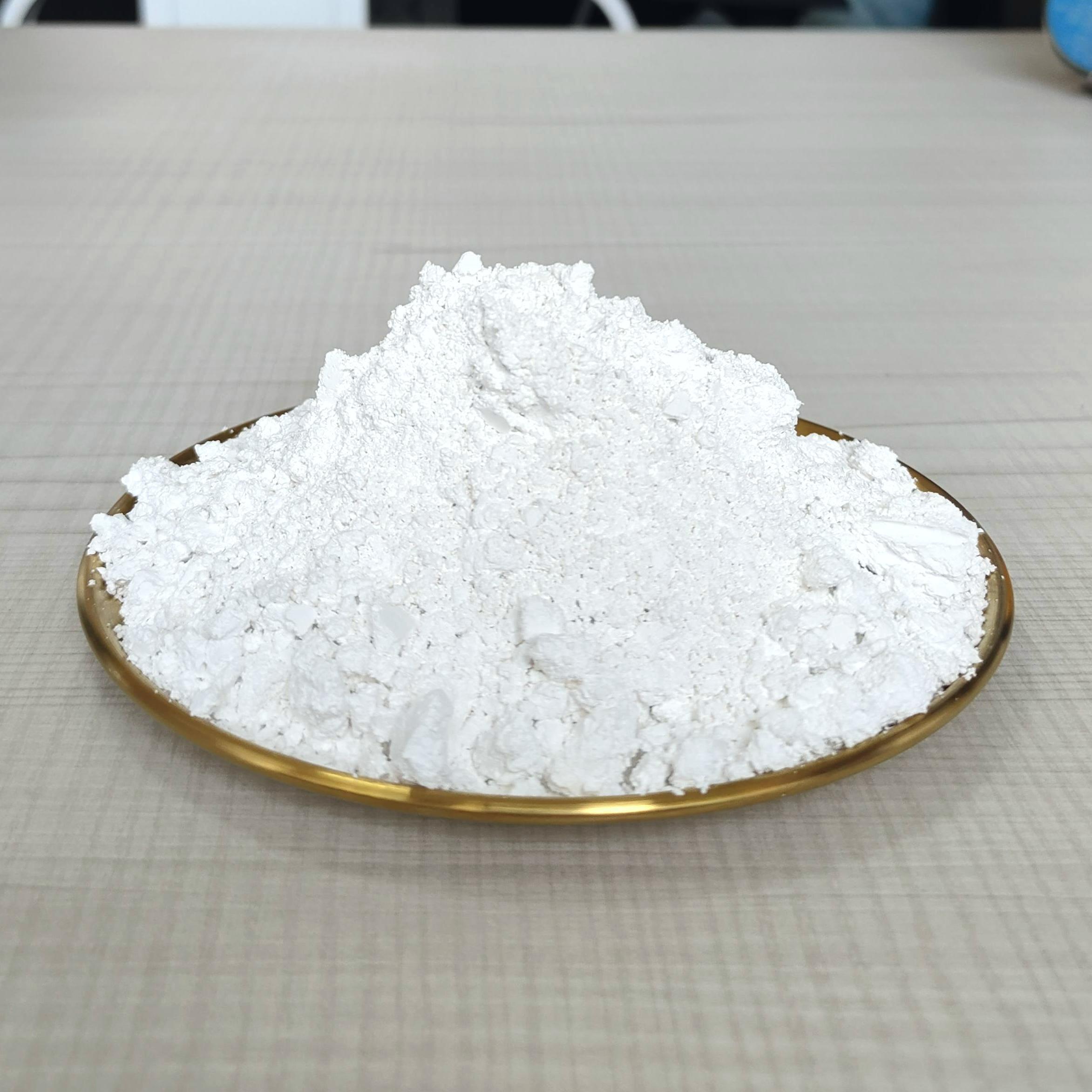
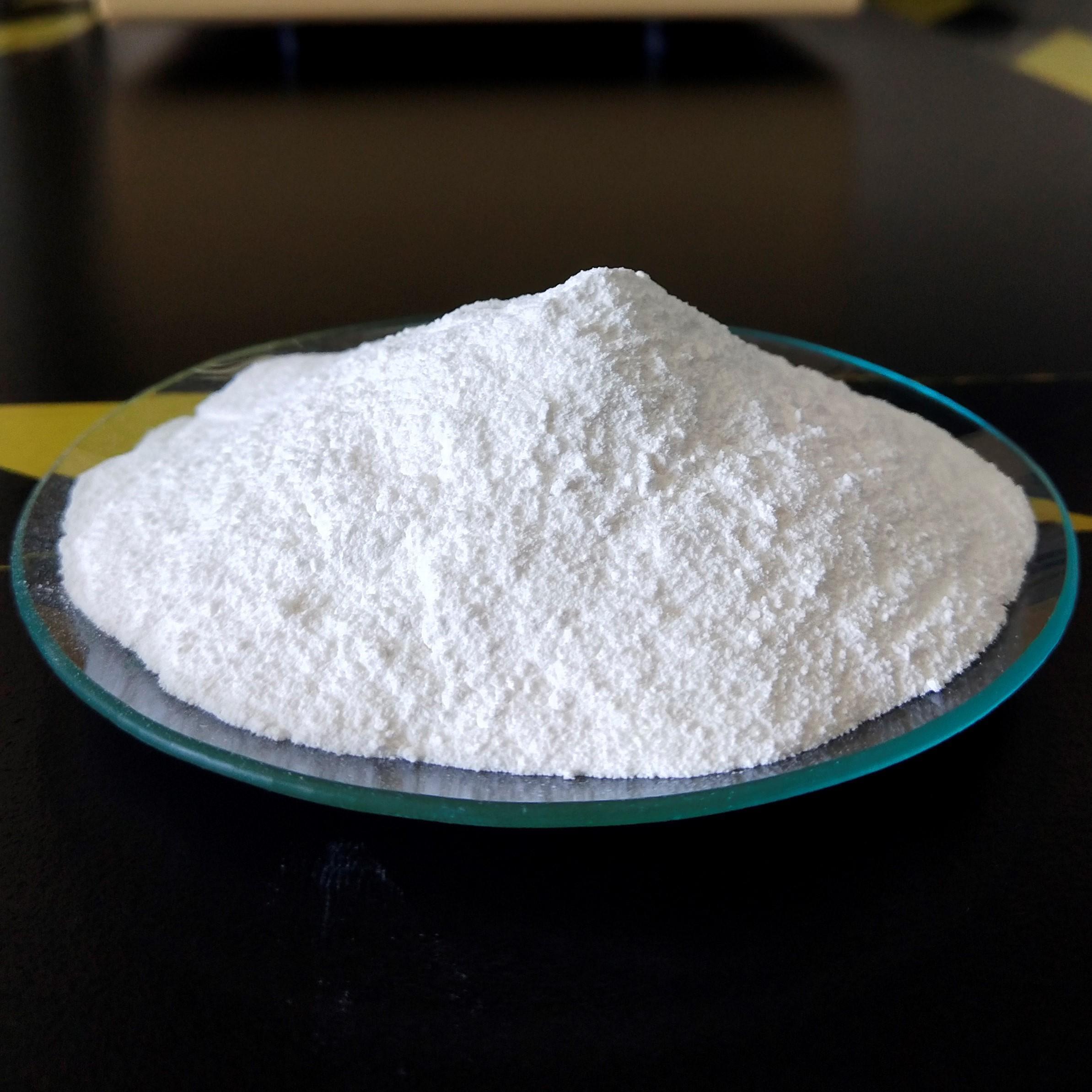
Calcium carbonate is a white, odorless powder or crystal that exhibits several important chemical properties. It has a molar mass of 100.09 g/mol and a density of about 2.71 g/cm³. One of its defining characteristics is its ability to react with acids, producing carbon dioxide gas, water, and a salt. This property is crucial in numerous applications, including effervescent tablets and in the production of lime.
The solubility of calcium carbonate in water is quite low, which makes it an effective filler material in various products. However, it is more soluble in acidic environments, which can lead to its use in soil amendment and environmental applications. Understanding these properties is essential for leveraging calcium carbonate effectively across different sectors.
3. Production Processes of Calcium Carbonate
Calcium carbonate is produced through two primary methods: natural extraction and synthetic production.
3.1 Natural Sources
Natural calcium carbonate is extracted from geological deposits. The most common sources are limestone, chalk, and marble. These deposits are mined and processed to produce various grades of calcium carbonate. The purity and particle size of natural calcium carbonate can vary significantly, influencing its end-use applications.
3.2 Synthetic Production
Synthetic calcium carbonate is produced through a chemical reaction that involves the combination of calcium oxide (lime) with carbon dioxide in a controlled environment. This method allows for greater control over the purity and particle size, leading to high-quality products tailored for specific applications. The synthetic method is particularly favored in industries requiring stringent quality specifications.
4. Applications of Calcium Carbonate in Various Industries
Calcium carbonate's versatility makes it a crucial ingredient in many sectors. Below are some of its most significant applications:
4.1 Agriculture and Fertilizers
In agriculture, calcium carbonate is used as a soil amendment to correct soil acidity and improve nutrient availability. It serves as a key ingredient in fertilizers, enhancing soil quality and fertility, leading to better crop yields. Additionally, it helps in providing essential calcium nutrients to plants.
4.2 Construction and Building Materials
Calcium carbonate is widely used in construction as a filler in cement, asphalt, and concrete. It contributes to the strength and durability of building materials. Its reflective properties also make it a popular choice in roofing materials, where it helps reduce heat absorption.
4.3 Pharmaceuticals and Food Industry
In the pharmaceutical industry, calcium carbonate is utilized as an antacid and a calcium supplement. Its ability to neutralize stomach acid makes it effective in treating heartburn and indigestion. In the food industry, it's used as a calcium fortification agent and as a food additive, providing essential nutrients without altering flavor or appearance.
4.4 Environmental Applications
Calcium carbonate plays a pivotal role in environmental applications, such as water treatment and air pollution control. It is used to neutralize acidic waters and as a reagent in the removal of sulfur dioxide from industrial emissions. This not only helps in compliance with environmental regulations but also promotes sustainability.
5. Health and Safety Considerations
While calcium carbonate is generally regarded as safe, especially in food and pharmaceutical applications, it is essential to handle it with care in industrial contexts. Prolonged inhalation of calcium carbonate dust can lead to respiratory issues. Therefore, appropriate safety measures, including personal protective equipment (PPE) and proper ventilation, should always be implemented to ensure workplace safety.
6. Future Trends in Calcium Carbonate Usage
The future of calcium carbonate looks promising as industries continue to explore its potential. Emerging applications in nanotechnology and green chemistry present exciting opportunities for innovation. Additionally, advances in production methods may lead to more sustainable practices, reducing the environmental footprint associated with extraction and processing. As the demand for environmentally friendly materials grows, calcium carbonate's role as a sustainable alternative is likely to expand.
7. Frequently Asked Questions (FAQs)
What is calcium carbonate used for?
Calcium carbonate is utilized in various industries, including agriculture, construction, pharmaceuticals, and environmental applications. Its roles range from soil amendment to building materials and dietary supplements.
Is calcium carbonate safe for consumption?
Yes, calcium carbonate is generally considered safe for consumption in recommended doses. It is commonly used as a dietary calcium supplement and an antacid.
How is calcium carbonate produced?
Calcium carbonate can be produced through natural extraction from geological deposits or through synthetic means via chemical reactions involving calcium oxide and carbon dioxide.
What are the environmental benefits of calcium carbonate?
Calcium carbonate is used in environmental applications such as water treatment and pollution control, helping to neutralize acidic waters and reduce harmful emissions.
How does calcium carbonate affect soil health?
Calcium carbonate improves soil quality by correcting acidity, enhancing nutrient availability, and providing essential calcium to plants.
8. Conclusion
In conclusion, calcium carbonate is a vital ingredient in modern chemistry, with diverse applications spanning multiple industries. Its unique properties, coupled with its availability in both natural and synthetic forms, make it an indispensable material. As we continue to advance in technology and sustainability, the importance of calcium carbonate will only increase. By understanding its chemical properties, production methods, and various applications, we can better appreciate its role in shaping our modern world. The future holds promising advancements that will further enhance calcium carbonate's position as a key component in the global economy.
calcium carbonate

Get in Touch with Us Today

EZ Chemical is one of the best suppliers of calcium carbonate series products in China.
CONTACT US
E-mail: kevin_song@ezchemical.cn
ADD:Room 2008, Building 8, Jinse Yangguang, Xin'an East Road, Xin'anjiang Street, Jiande City, Zhejiang Province, China.