26
2026
-
09
The Transformative Impact of Nanoscale Calcium Carbonate in Advanced Material Science
The Transformative Impact of Nanoscale Calcium Carbonate in Advanced Material Science Table of Contents Introduction to Nanoscale Calcium Carbonate Understanding Calcium Carbonate: A Brief Overview Unique Properties of Nanoscale Calcium Carbonate Applications of Nanoscale Calcium Carbonate in Material Science 1. Nanoscale Calcium Carbonate in Composite Materials 2. Nanosc
The Transformative Impact of Nanoscale Calcium Carbonate in Advanced Material Science
Table of Contents
- Introduction to Nanoscale Calcium Carbonate
- Understanding Calcium Carbonate: A Brief Overview
- Unique Properties of Nanoscale Calcium Carbonate
- Applications of Nanoscale Calcium Carbonate in Material Science
- 1. Nanoscale Calcium Carbonate in Composite Materials
- 2. Nanoscale Calcium Carbonate in Coatings and Films
- 3. Nanoscale Calcium Carbonate Nanocomposites
- Recent Advances in Nanoscale Calcium Carbonate Research
- The Environmental Impact of Nanoscale Calcium Carbonate
- Future Trends in Nanoscale Calcium Carbonate Applications
- Conclusion
- FAQs
Introduction to Nanoscale Calcium Carbonate
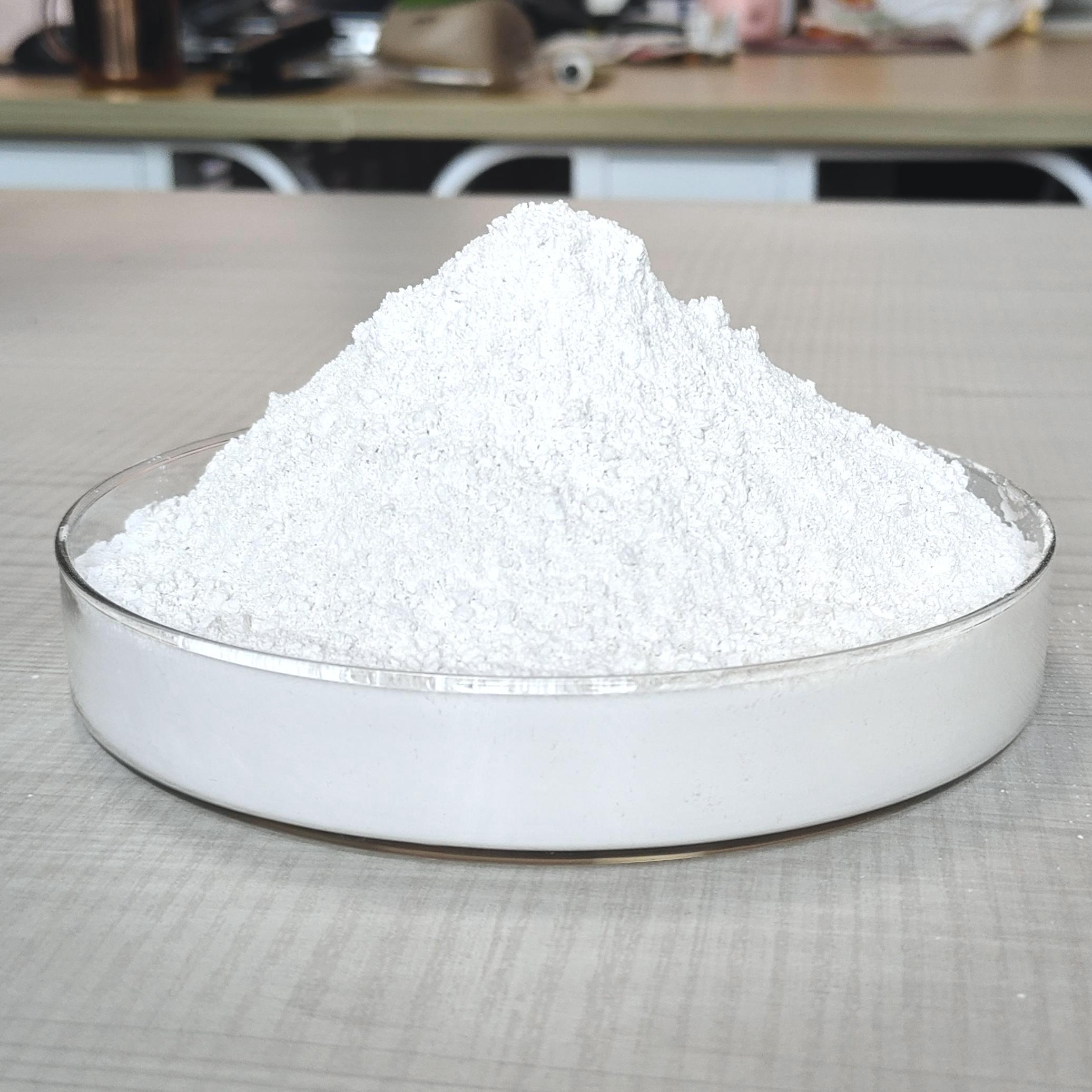
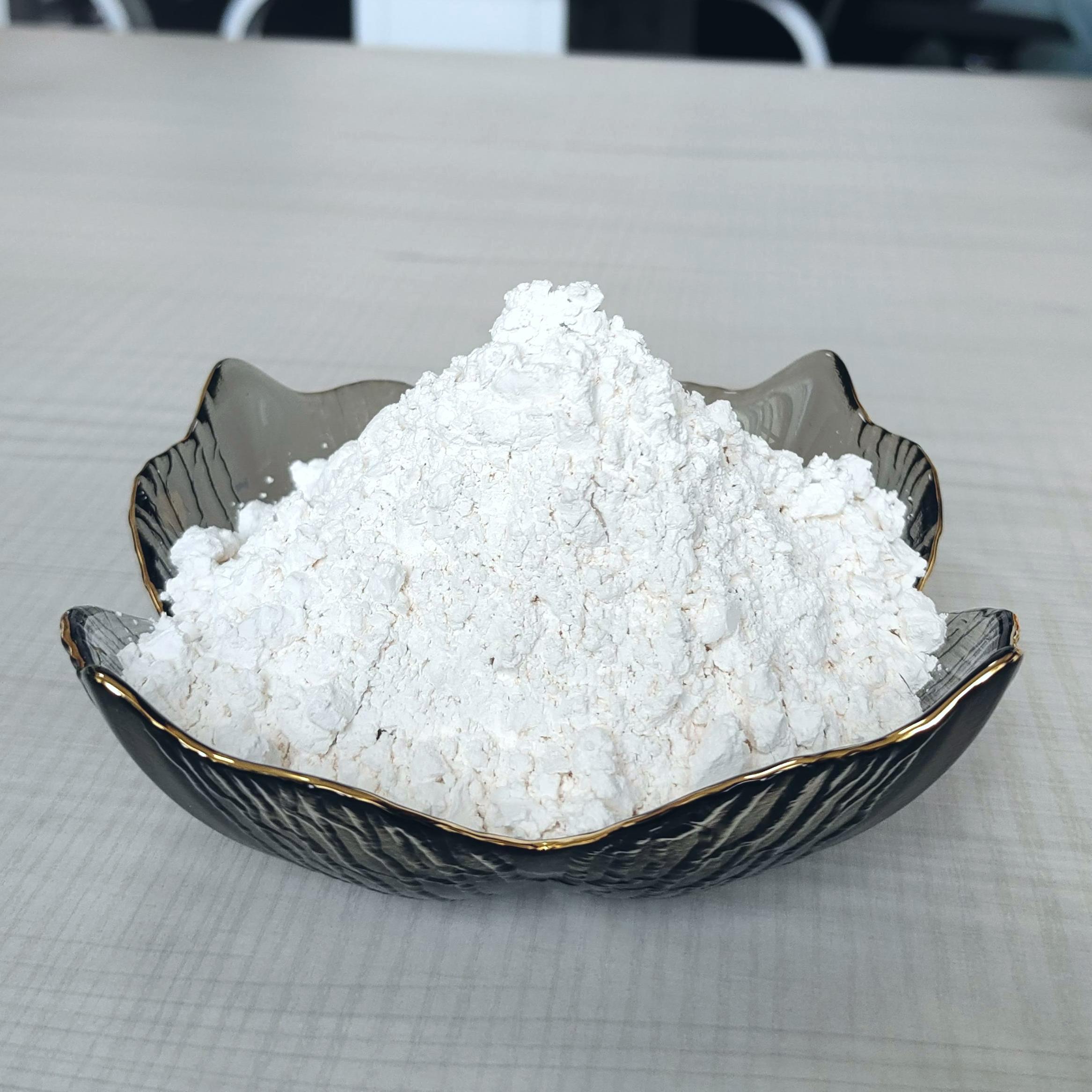
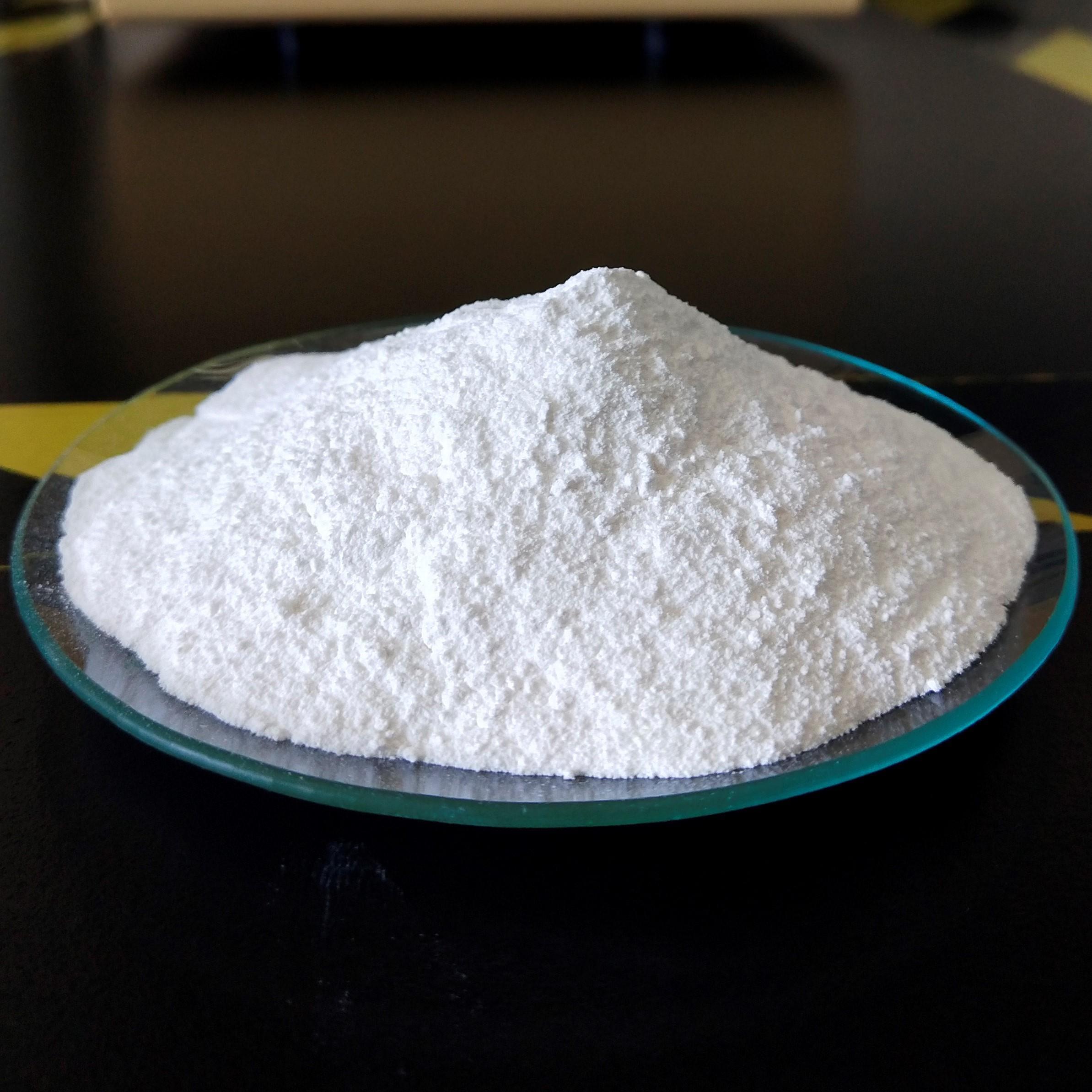
Nanoscale calcium carbonate (CaCO3) has emerged as a pivotal component in advanced material science, where its unique properties are harnessed to enhance various materials. This fine powder, measured in nanometers, exhibits distinct characteristics that differentiate it from its conventional counterparts. Its small size leads to an increased surface area, which contributes to improved performance in applications ranging from composites to coatings. In this article, we will explore the critical role of nanoscale calcium carbonate in advanced material science, its unique properties, and the various ways it is utilized across industries.
Understanding Calcium Carbonate: A Brief Overview
Calcium carbonate is a naturally occurring mineral composed of calcium, carbon, and oxygen. It is found in various geological formations and is commonly used in industries such as construction, pharmaceuticals, and food production. The transformation of calcium carbonate into nanoscale particles opens up new possibilities in material science due to the enhanced physical and chemical properties exhibited at this scale. By manipulating the size and morphology of calcium carbonate, researchers can create materials with tailored characteristics suited for specific applications.
Unique Properties of Nanoscale Calcium Carbonate
Nanoscale calcium carbonate possesses several unique properties that make it an attractive choice for advanced material applications:
1. Increased Surface Area
At the nanoscale, the surface area-to-volume ratio increases dramatically. This feature allows for enhanced reactivity and improved interaction with other materials.
2. Enhanced Mechanical Properties
Nanoscale calcium carbonate can significantly improve the mechanical strength and durability of composites. It provides reinforcement, enhancing toughness and decreasing brittleness.
3. Optical Properties
The nanoscale form of calcium carbonate exhibits unique optical properties, making it useful in applications such as coatings, where light scattering and brightness are crucial.
4. Thermal Stability
Nanoscale calcium carbonate demonstrates improved thermal stability, which is essential in high-temperature applications, making it suitable for various industrial processes.
5. Biocompatibility
Given its natural occurrence, nanoscale calcium carbonate is biocompatible, making it a promising candidate for biomedical applications, such as drug delivery systems and tissue engineering.
Applications of Nanoscale Calcium Carbonate in Material Science
Nanoscale calcium carbonate has found its way into various applications within material science due to its unique properties. Below, we discuss some of the key areas where it is making an impact.
1. Nanoscale Calcium Carbonate in Composite Materials
Composite materials combine two or more constituents to achieve superior properties compared to the individual components. Nanoscale calcium carbonate is often used as a filler in polymer matrices, improving mechanical properties such as tensile strength, impact resistance, and thermal stability. Its incorporation allows for weight reduction and cost-effectiveness, providing a competitive edge in manufacturing.
2. Nanoscale Calcium Carbonate in Coatings and Films
The coatings industry benefits from nanoscale calcium carbonate due to its ability to enhance the opacity, brightness, and durability of paints and coatings. Its fine particle size ensures uniform dispersion, leading to improved surface finish and aesthetic appeal. Furthermore, it can serve as a UV stabilizer, prolonging the life of coatings exposed to sunlight.
3. Nanoscale Calcium Carbonate Nanocomposites
Nanocomposites, which are materials reinforced with nanoscale particles, leverage the properties of nanoscale calcium carbonate to achieve enhanced performance. These materials exhibit improved barrier properties, flame retardance, and mechanical strength, making them ideal for packaging, automotive, and aerospace applications. The versatility of nanocomposites allows for their use in various sectors, driving innovation and development.
Recent Advances in Nanoscale Calcium Carbonate Research
Ongoing research into nanoscale calcium carbonate focuses on enhancing its properties and expanding its applications. Recent studies have investigated methods to optimize its production process, aiming to reduce costs and improve performance consistency. Innovations in synthesis techniques, such as precipitation and sol-gel methods, have also emerged, enabling the creation of tailored nanoscale calcium carbonate with specific attributes.
Moreover, interdisciplinary research is leading to novel applications in bioengineering, environmental science, and nanotechnology. Researchers are exploring the use of nanoscale calcium carbonate in drug delivery systems, where its biocompatibility and controlled release properties can enhance therapeutic efficacy.
The Environmental Impact of Nanoscale Calcium Carbonate
The environmental implications of using nanoscale calcium carbonate are significant. As a naturally occurring mineral, its production and use have a relatively low environmental footprint compared to synthetic alternatives. Furthermore, its incorporation into materials can lead to more sustainable practices by enhancing the performance of products and extending their lifespan.
However, ongoing research is necessary to fully understand the environmental impact of nanoscale calcium carbonate, particularly regarding potential toxicity and the effects of nanomaterials on ecosystems. Regulatory frameworks are being developed to ensure the safe use of nanomaterials in various applications.
Future Trends in Nanoscale Calcium Carbonate Applications
The future of nanoscale calcium carbonate in advanced material science looks promising. As technology continues to evolve, we can expect to see a broader range of applications emerge. Potential areas for growth include:
1. Biomedical Applications
The biocompatibility of nanoscale calcium carbonate positions it as a candidate for innovative biomedical applications, such as scaffolding for tissue engineering and drug delivery systems that require controlled release mechanisms.
2. Energy Storage and Conversion
Research is underway to explore the use of nanoscale calcium carbonate in energy storage systems, such as batteries and supercapacitors, where its unique properties may enhance performance and efficiency.
3. Sustainable Packaging
As the demand for eco-friendly materials increases, nanoscale calcium carbonate can play a vital role in developing sustainable packaging solutions that minimize environmental impact while maintaining product integrity.
Conclusion
Nanoscale calcium carbonate is revolutionizing advanced material science through its unique properties and diverse applications. Its ability to improve mechanical performance, optical characteristics, and biocompatibility positions it as a key player in various industries. As research continues to advance, we can expect to see even more innovative applications emerge, driving forward the development of sustainable materials and technologies.
FAQs
1. What are the primary uses of nanoscale calcium carbonate?
Nanoscale calcium carbonate is primarily used in composite materials, coatings, and nanocomposites, enhancing their mechanical properties and performance.
2. How does nanoscale calcium carbonate improve material performance?
It increases the surface area, providing better bonding, improved mechanical strength, and enhanced thermal stability.
3. Is nanoscale calcium carbonate environmentally friendly?
Yes, being a naturally occurring mineral, its production and use have a relatively low environmental footprint compared to synthetic materials.
4. What is the future of nanoscale calcium carbonate in advanced materials?
Future trends include its application in biomedical fields, energy storage solutions, and sustainable packaging developments.
5. Are there any health risks associated with nanoscale calcium carbonate?
While it is generally considered biocompatible, ongoing research is necessary to fully understand any potential health impacts associated with its use in various applications.
nanoscale calcium carbonate

Get in Touch with Us Today

EZ Chemical is one of the best suppliers of calcium carbonate series products in China.
CONTACT US
E-mail: kevin_song@ezchemical.cn
ADD:Room 2008, Building 8, Jinse Yangguang, Xin'an East Road, Xin'anjiang Street, Jiande City, Zhejiang Province, China.