16
2026
-
09
How High-Whiteness Calcium Carbonate Enhances Color Brightness in Industrial Applications
How High-Whiteness Calcium Carbonate Enhances Color Brightness Table of Contents Introduction to High-Whiteness Calcium Carbonate Understanding Calcium Carbonate and Its Types What is High-Whiteness Calcium Carbonate? Benefits of High-Whiteness Calcium Carbonate Applications in Various Industries The Effect of High-Whiteness Calcium Carbonate on Color Brightness Scient
How High-Whiteness Calcium Carbonate Enhances Color Brightness
Table of Contents
- Introduction to High-Whiteness Calcium Carbonate
- Understanding Calcium Carbonate and Its Types
- What is High-Whiteness Calcium Carbonate?
- Benefits of High-Whiteness Calcium Carbonate
- Applications in Various Industries
- The Effect of High-Whiteness Calcium Carbonate on Color Brightness
- Scientific Explanation of Whitening Effects
- How to Choose Quality High-Whiteness Calcium Carbonate
- Frequently Asked Questions (FAQs)
- Conclusion
Introduction to High-Whiteness Calcium Carbonate
High-whiteness calcium carbonate is a superior quality pigment widely used in various industries, including paint, plastics, paper, and cosmetics. Known for its exceptional brightness and opacity, this compound significantly contributes to enhancing the aesthetic appeal of products. As industries increasingly prioritize quality and performance, understanding how high-whiteness calcium carbonate can improve color brightness becomes essential.
Understanding Calcium Carbonate and Its Types
Calcium carbonate (CaCO3) is a naturally occurring mineral found in rocks, shells of marine organisms, and the earth's crust. It is primarily used as a filler, pigment, and abrasive in many applications. Calcium carbonate exists in several forms, including:
Ground Calcium Carbonate (GCC)
Ground calcium carbonate is produced by mechanically crushing and grinding limestone or marble. This form is widely used in various industries due to its low production cost, but it often lacks the high brightness that some applications require.
Precipitated Calcium Carbonate (PCC)
Precipitated calcium carbonate, on the other hand, is manufactured through a chemical process that produces a purer and finer form of calcium carbonate. This type exhibits a higher brightness level and is ideal for applications demanding superior color quality.
What is High-Whiteness Calcium Carbonate?
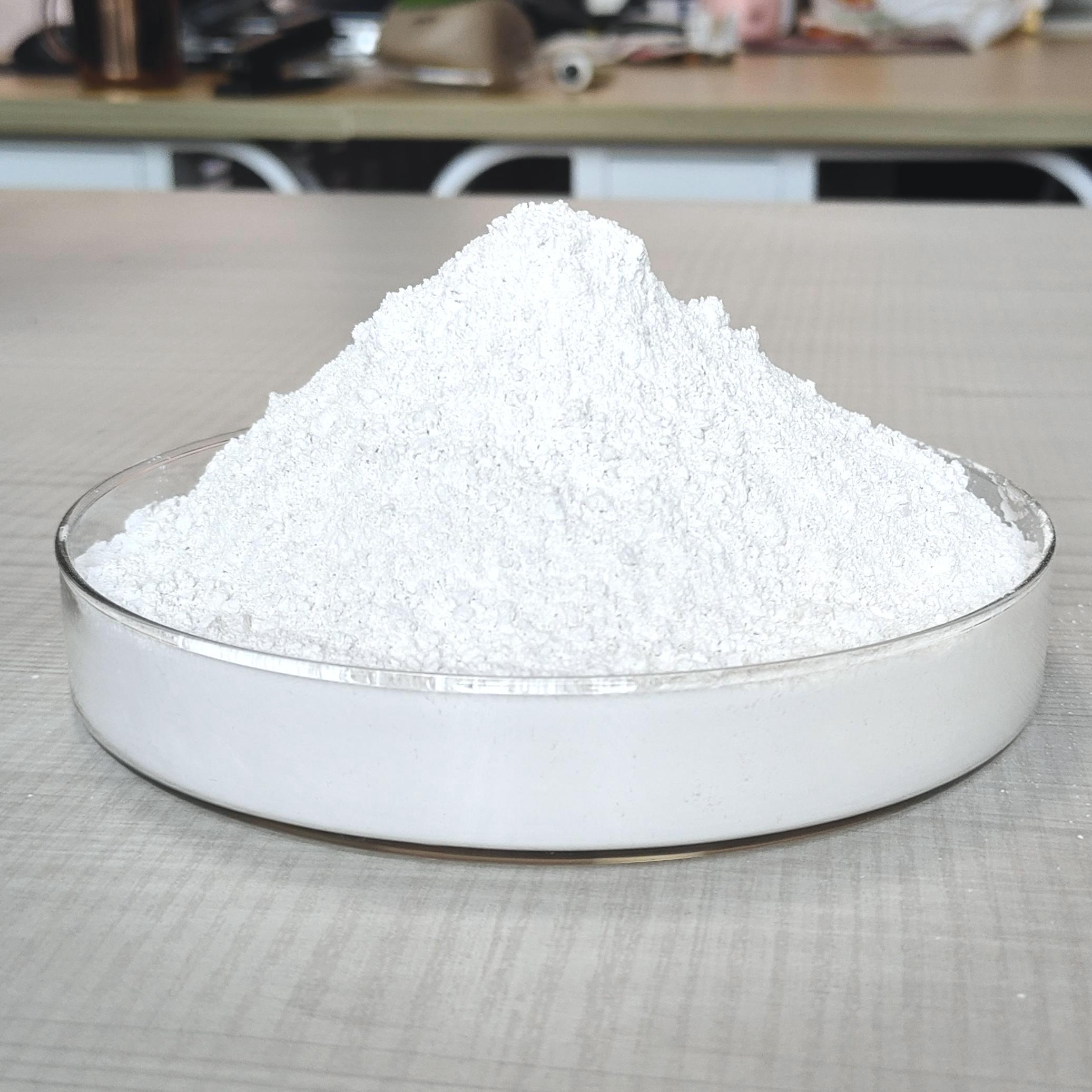
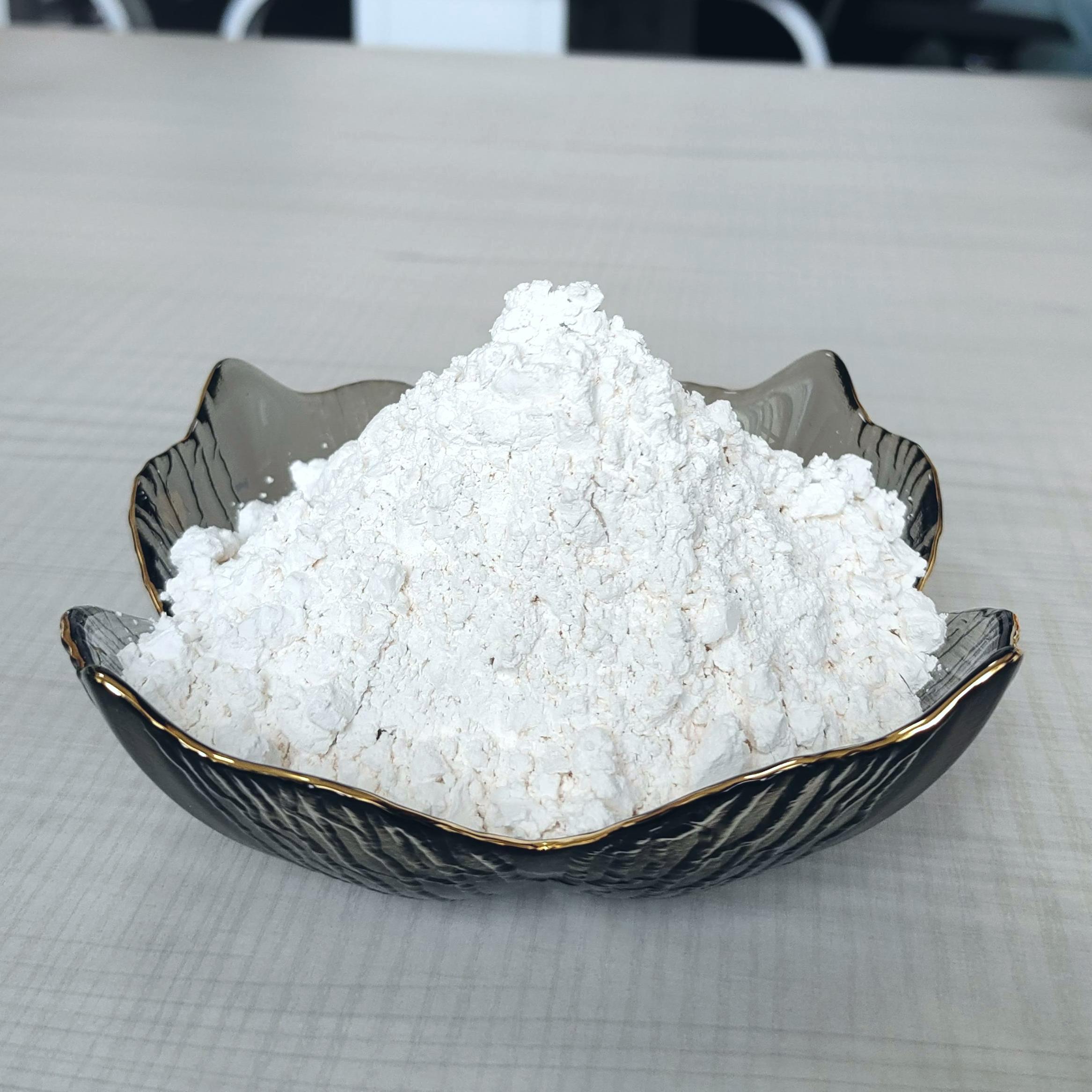
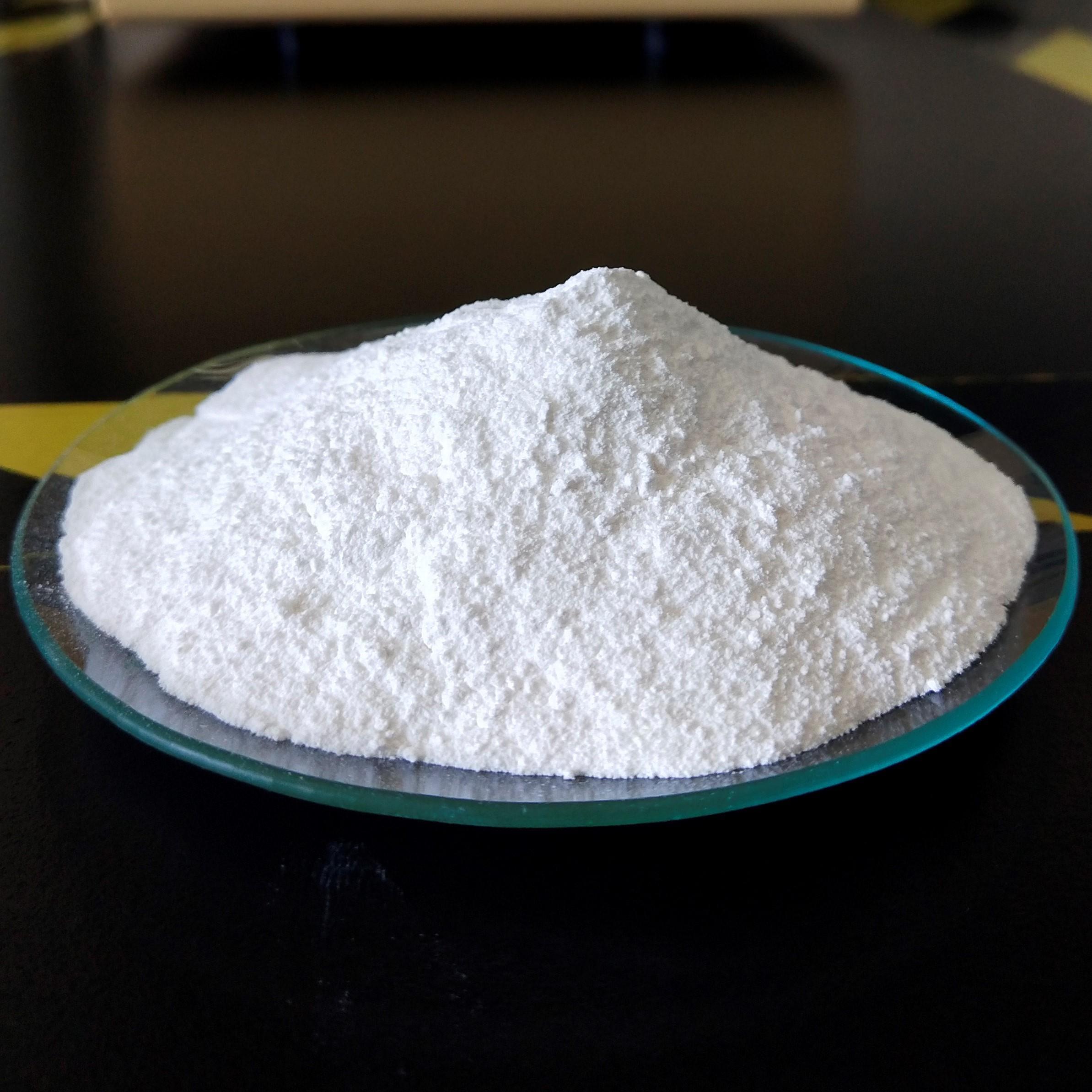
High-whiteness calcium carbonate is a specific grade of calcium carbonate characterized by its exceptionally bright white color and high purity. It is processed to achieve a fine particle size, enhancing its properties for use in various applications. The high whiteness level is essential for industries relying on color quality, as it directly influences the final appearance of the product.
Benefits of High-Whiteness Calcium Carbonate
The advantages of using high-whiteness calcium carbonate are numerous. Below are some of the key benefits:
1. Enhanced Color Brightness
High-whiteness calcium carbonate significantly improves the brightness of colors in various products, ensuring that the final output meets the aesthetic standards required by consumers.
2. Improved Opacity
This pigment increases the opacity of coatings, allowing manufacturers to use less pigment while achieving the same coverage, thus reducing costs.
3. Cost-Effective
High-whiteness calcium carbonate serves as an economical alternative to other, more expensive whitening agents. Its cost-efficiency does not compromise quality, making it a preferred choice for manufacturers.
4. Eco-Friendly
Being a natural mineral, high-whiteness calcium carbonate is a sustainable option for enhancing color brightness without harmful environmental impacts.
5. Versatility
This compound finds applications across a spectrum of industries, including paints, coatings, plastics, and paper, demonstrating its versatility as a coloring agent.
Applications in Various Industries
The versatility of high-whiteness calcium carbonate allows it to serve multiple applications across diverse industries. Here are some significant uses:
1. Paint and Coatings
In the paint and coatings industry, high-whiteness calcium carbonate is utilized as a filler and pigment, enhancing the brightness and opacity of paints. Its ability to improve hiding power allows manufacturers to create vibrant colors while minimizing the use of more expensive colorants.
2. Plastics
In the production of plastic products, high-whiteness calcium carbonate is employed to improve their mechanical properties and enhance color appearance. It contributes to a smoother finish and better light reflection in plastic items.
3. Paper
In the paper industry, this high-whiteness pigment serves to enhance brightness and opacity, producing high-quality paper products that are visually appealing and have excellent printability.
4. Cosmetics
High-whiteness calcium carbonate is also used in cosmetics as a coloring agent, contributing to the brightness and texture of makeup products while ensuring safety and compliance with regulatory standards.
The Effect of High-Whiteness Calcium Carbonate on Color Brightness
The impact of high-whiteness calcium carbonate on color brightness is profound. Its ability to scatter light effectively enhances the perceived brightness of colors. When incorporated into different formulations, it increases the overall luminosity and vibrancy of the final product.
1. Light Scattering Properties
The unique light-scattering properties of high-whiteness calcium carbonate play a crucial role in enhancing color brightness. The fine particle size allows the pigment to scatter light in multiple directions, thus increasing color visibility and brightness.
2. Color Stability
In addition to enhancing brightness, high-whiteness calcium carbonate helps maintain color stability over time. This characteristic ensures that products retain their visual appeal throughout their shelf life, a critical factor in consumer satisfaction.
Scientific Explanation of Whitening Effects
Understanding the scientific basis behind the whitening effects of high-whiteness calcium carbonate involves examining its physical and chemical properties. The purity level, particle size, and morphology all contribute to how effectively this compound enhances color brightness.
1. Purity Levels
High-whiteness calcium carbonate is characterized by low levels of impurities, which can negatively affect color performance. The higher the purity, the brighter the pigment appears, leading to enhanced color quality.
2. Particle Size
The fine particle size of high-whiteness calcium carbonate allows for better distribution in various matrices. This uniformity contributes to the effective scattering of light, further enhancing color brightness.
3. Morphology
The morphology of high-whiteness calcium carbonate affects how light interacts with the pigment. Flatter particles can reflect light more efficiently, thereby enhancing brightness.
How to Choose Quality High-Whiteness Calcium Carbonate
Selecting the right high-whiteness calcium carbonate for your specific application is crucial. Consider the following factors when making your choice:
1. Purity and Brightness Levels
Look for suppliers that provide detailed information about the purity levels and brightness ratings of their calcium carbonate products.
2. Particle Size Distribution
Ensure that the supplier provides specifications on particle size distribution. A uniform size will yield better performance in your applications.
3. Supplier Reputation
Choose reputable suppliers with a proven track record in providing high-quality high-whiteness calcium carbonate. Customer reviews and professional recommendations can help guide your decision.
4. Technical Support
Consider suppliers that offer technical support and guidance to help you select the best product for your specific application.
Frequently Asked Questions (FAQs)
1. What is high-whiteness calcium carbonate used for?
High-whiteness calcium carbonate is used in paint, plastics, paper, and cosmetics to enhance color brightness and opacity.
2. How does high-whiteness calcium carbonate improve product quality?
It improves brightness, opacity, and color stability while also being cost-effective and eco-friendly.
3. Is high-whiteness calcium carbonate environmentally friendly?
Yes, being a natural mineral, it is considered an eco-friendly option for enhancing color quality in various applications.
4. What factors should I consider when selecting high-whiteness calcium carbonate?
Consider purity levels, particle size distribution, supplier reputation, and availability of technical support.
5. Can high-whiteness calcium carbonate be used in food products?
While it can be used in some food applications, it is essential to ensure that it meets food safety regulations and standards.
Conclusion
High-whiteness calcium carbonate plays a vital role in enhancing color brightness across various industries, from paint and plastics to cosmetics and paper. Its unique properties, including exceptional purity and light-scattering capabilities, bestow superior brightness and stability to products. By understanding the importance of high-whiteness calcium carbonate and choosing the right quality from reputable suppliers, manufacturers can significantly improve their product appeal and performance.
high-whiteness calcium carbonate

Get in Touch with Us Today

EZ Chemical is one of the best suppliers of calcium carbonate series products in China.
CONTACT US
E-mail: kevin_song@ezchemical.cn
ADD:Room 2008, Building 8, Jinse Yangguang, Xin'an East Road, Xin'anjiang Street, Jiande City, Zhejiang Province, China.