27
2026
-
08
Why Calcium Carbonate is Essential for Sustainable Manufacturing
Why Calcium Carbonate is Essential for Sustainable Manufacturing Table of Contents 1. Introduction to Calcium Carbonate 2. What is Calcium Carbonate? 3. The Benefits of Calcium Carbonate in Manufacturing 4. Sustainable Applications of Calcium Carbonate 5. Calcium Carbonate in Various Industries 6. Calcium Carbonate and Its Environmental Impact 7. Sourcing and Productio
Why Calcium Carbonate is Essential for Sustainable Manufacturing
Table of Contents
- 1. Introduction to Calcium Carbonate
- 2. What is Calcium Carbonate?
- 3. The Benefits of Calcium Carbonate in Manufacturing
- 4. Sustainable Applications of Calcium Carbonate
- 5. Calcium Carbonate in Various Industries
- 6. Calcium Carbonate and Its Environmental Impact
- 7. Sourcing and Production of Calcium Carbonate
- 8. The Future of Calcium Carbonate in Sustainable Manufacturing
- 9. Frequently Asked Questions
- 10. Conclusion
1. Introduction to Calcium Carbonate
Calcium carbonate (CaCO₃) is a naturally occurring compound found in rocks, shells, and minerals. Its versatility has made it a vital ingredient in various manufacturing sectors. As industries shift towards **sustainable practices**, understanding the role of calcium carbonate becomes increasingly important. This article delves into its essentiality for sustainable manufacturing, examining its benefits, applications, and overall impact on the environment.
2. What is Calcium Carbonate?
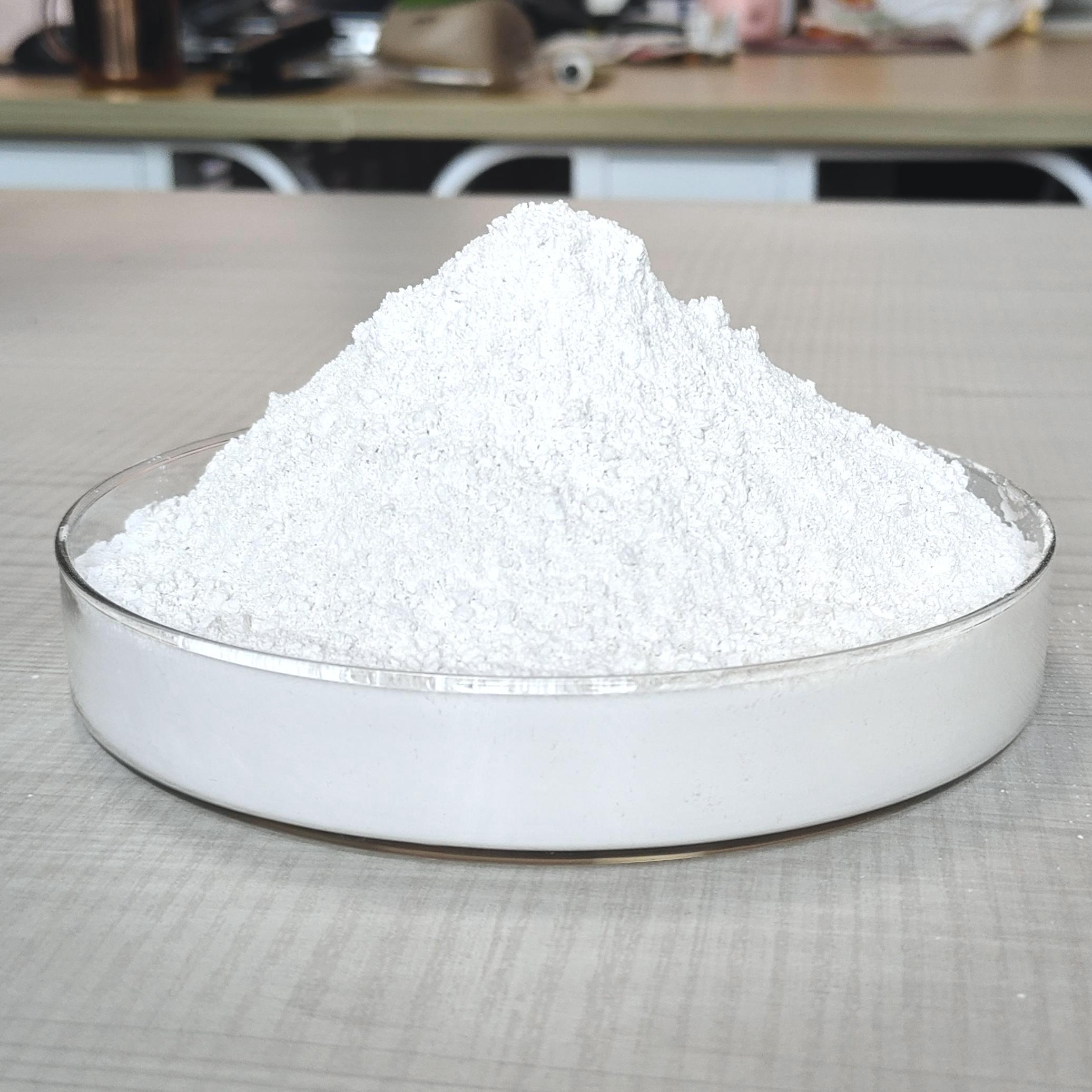
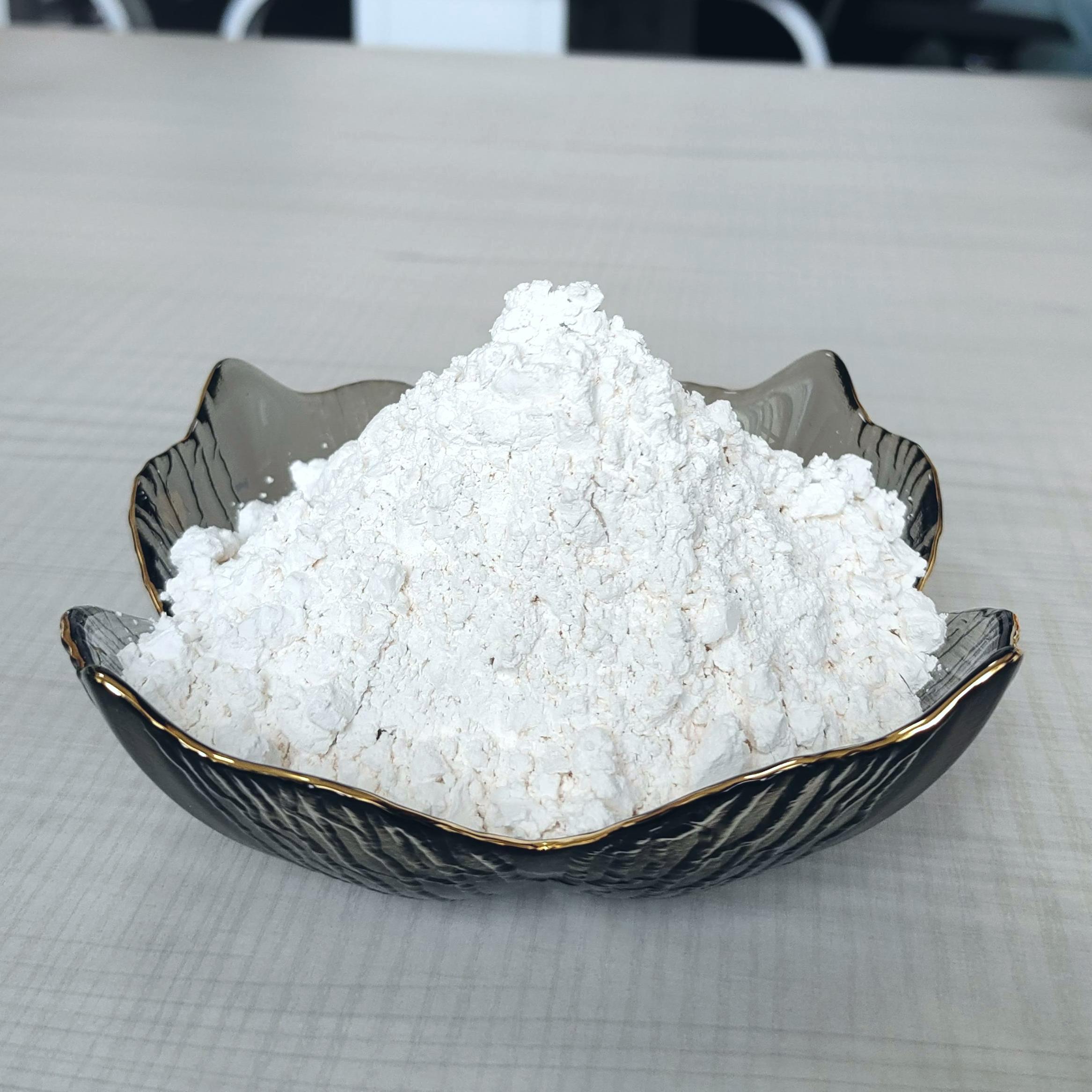
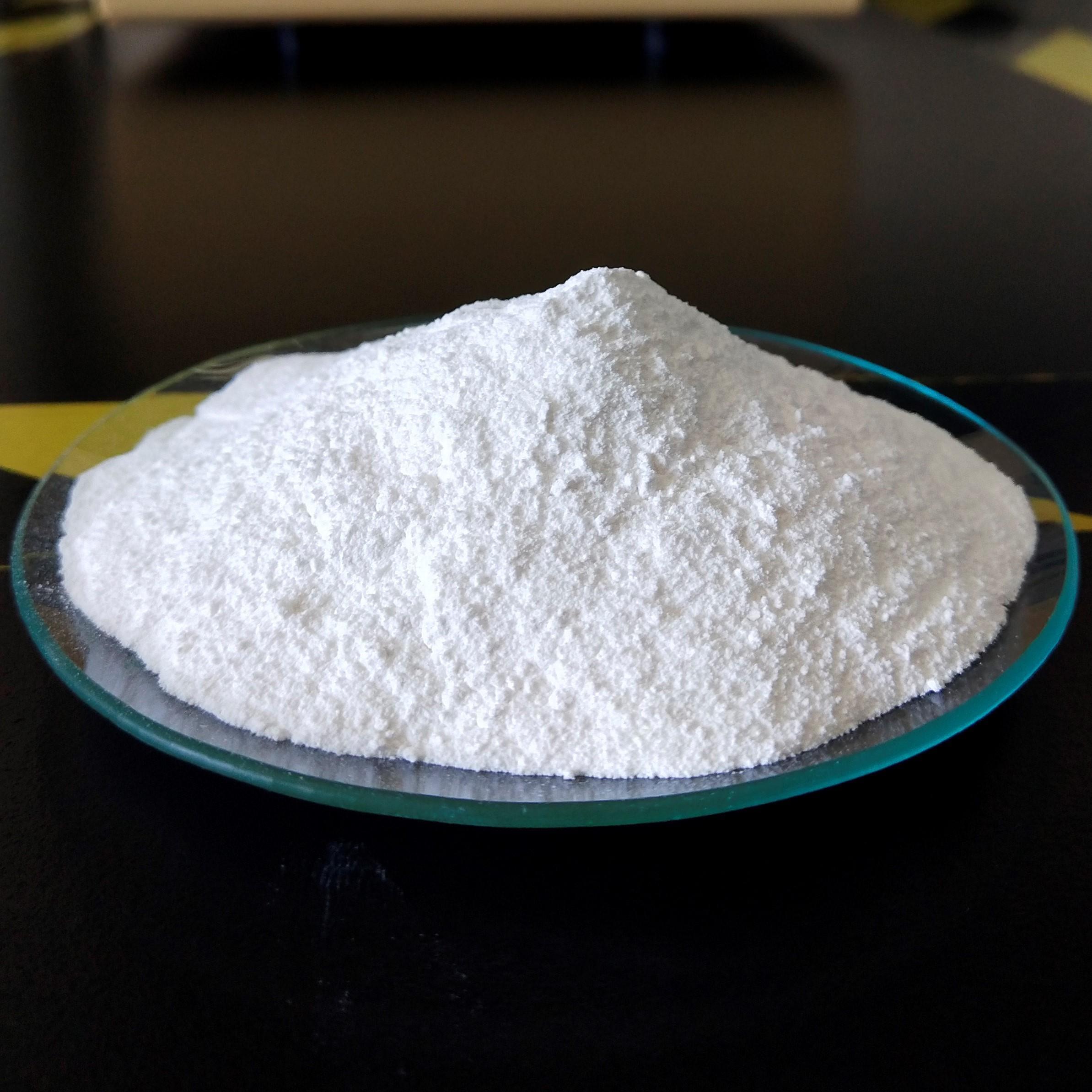
Calcium carbonate is a white, odorless powder or crystalline solid. It is primarily extracted from limestone, marble, and chalk. The compound is utilized not only in food and pharmaceutical industries but also serves as a **filler** and **coating agent** in products ranging from paper to plastics. Its chemical properties, including **pH neutrality**, make it a favored choice for various manufacturing processes.
3. The Benefits of Calcium Carbonate in Manufacturing
Calcium carbonate provides numerous benefits that enhance manufacturing efficiency and sustainability:
3.1 Cost-Effectiveness
Utilizing calcium carbonate can significantly reduce production costs. As a low-cost raw material, it allows manufacturers to maintain quality while minimizing expenses. This is particularly important for industries facing tight profit margins.
3.2 Versatility in Applications
Calcium carbonate is highly versatile, making it suitable for various applications. From acting as a **filler in plastics** to improving the **opacity of paints**, its adaptability ensures that manufacturers can meet specific product requirements without compromising quality.
3.3 Environmental Benefits
Using calcium carbonate can lead to reduced carbon footprints. By substituting more harmful materials with calcium carbonate, manufacturers can lower emissions and contribute to a cleaner environment. Additionally, calcium carbonate can be derived from waste products, further enhancing its eco-friendly profile.
3.4 Enhancing Product Quality
In many applications, calcium carbonate improves the overall quality of products. For instance, in paper manufacturing, it enhances brightness, opacity, and surface smoothness, resulting in better end products.
4. Sustainable Applications of Calcium Carbonate
Calcium carbonate finds its way into various sustainable applications:
4.1 Green Building Materials
The construction industry has increasingly adopted calcium carbonate as a sustainable alternative. It is used in cement and concrete production, where it aids in **reducing the carbon footprint** of these materials.
4.2 Biodegradable Plastics
In the quest for reducing plastic pollution, calcium carbonate is used in the production of biodegradable plastics. These plastics can decompose more easily, making them a favorable option for environmentally conscious consumers.
4.3 Water Treatment
Calcium carbonate plays a crucial role in water treatment processes, helping to neutralize acidity and make water safe for consumption. This application is vital for ensuring clean drinking water in various communities.
5. Calcium Carbonate in Various Industries
The use of calcium carbonate spans multiple industries, each benefiting from its unique properties:
5.1 Paper and Pulp Industry
In the paper industry, calcium carbonate is a preferred filler material. It not only enhances the brightness and opacity of paper but also reduces production costs, making it a win-win for manufacturers.
5.2 Food and Beverage Industry
Calcium carbonate is commonly used as a food additive, serving as a source of calcium in dietary supplements and fortifying various food products. Its safety and efficiency make it an excellent choice for the food industry.
5.3 Paint and Coatings
The paint industry relies on calcium carbonate for its **white pigment** properties. It improves coverage and durability while also acting as a cost-effective filler, enabling manufacturers to produce high-quality paints economically.
5.4 Plastics and Rubber
In the plastics sector, calcium carbonate is used to enhance the mechanical properties of products. It increases stiffness and improves thermal stability while reducing production costs, making it a critical ingredient in producing various plastic items.
6. Calcium Carbonate and Its Environmental Impact
The environmental benefits of using calcium carbonate cannot be overstated. Its natural origins and ability to **improve sustainability** in manufacturing processes make it a favorable choice. By replacing more harmful materials with calcium carbonate, industries can contribute to lower emissions and a reduced carbon footprint.
6.1 Carbon Sequestration
Calcium carbonate plays a role in carbon sequestration, a process that captures and stores carbon dioxide. This not only helps mitigate climate change but also enhances the sustainability of manufacturing processes by locking away CO₂ that would otherwise contribute to global warming.
6.2 Resource Conservation
By utilizing calcium carbonate, manufacturers can conserve other vital resources. Its abundance means that less reliance is placed on more finite materials, promoting a more sustainable approach to resource management.
7. Sourcing and Production of Calcium Carbonate
The sourcing of calcium carbonate involves mining and processing natural deposits, primarily from limestone. Sustainable sourcing practices are essential to minimize environmental impact.
7.1 Sustainable Mining Practices
Implementing environmentally friendly mining practices can help in maintaining ecological balance. This includes careful management of resources and rehabilitation of mined areas to promote biodiversity and restore natural habitats.
7.2 Technological Innovations in Production
Advancements in production technologies allow for more efficient extraction and processing of calcium carbonate. These innovations help reduce waste and energy consumption, further enhancing its sustainability profile.
8. The Future of Calcium Carbonate in Sustainable Manufacturing
As industries continue to embrace sustainability, the demand for calcium carbonate is expected to rise. Its versatility and environmental benefits position it as a key ingredient in the future of manufacturing.
8.1 Research and Development
Ongoing research into the applications and benefits of calcium carbonate will likely lead to new innovations. This could include developments in biodegradable materials and further enhancements in product quality across various industries.
8.2 Regulatory Influences
As governments worldwide implement stricter environmental regulations, the use of sustainable materials like calcium carbonate will become more prevalent. Manufacturers who adopt these practices early will likely gain a competitive edge.
9. Frequently Asked Questions
9.1 What are the primary uses of calcium carbonate in manufacturing?
Calcium carbonate is used in various industries, including paper, plastics, paints, and food, serving as a filler, coating agent, and calcium source.
9.2 How does calcium carbonate contribute to sustainability?
Calcium carbonate helps reduce carbon emissions, conserves resources, and is biodegradable, making it an eco-friendly alternative in many applications.
9.3 Is calcium carbonate safe for food use?
Yes, calcium carbonate is generally recognized as safe for use in food and dietary supplements, providing a source of calcium for consumers.
9.4 What are the environmental impacts of calcium carbonate production?
While mining can have environmental consequences, sustainable practices and the natural abundance of calcium carbonate can mitigate these impacts.
9.5 How can manufacturers ensure the sustainable sourcing of calcium carbonate?
Manufacturers can adopt responsible mining practices, support local communities, and invest in technology that minimizes environmental footprints.
10. Conclusion
In conclusion, calcium carbonate is an indispensable component of sustainable manufacturing. Its versatility, cost-effectiveness, and environmental benefits position it as a key player in various industries. As we move towards a more sustainable future, the role of calcium carbonate will continue to expand, driving innovation and promoting eco-friendly practices across manufacturing sectors. Embracing calcium carbonate not only enhances product quality but also contributes to a greener planet, making it essential for manufacturers committed to sustainability.
calcium carbonate

Get in Touch with Us Today

EZ Chemical is one of the best suppliers of calcium carbonate series products in China.
CONTACT US
E-mail: kevin_song@ezchemical.cn
ADD:Room 2008, Building 8, Jinse Yangguang, Xin'an East Road, Xin'anjiang Street, Jiande City, Zhejiang Province, China.