12
2026
-
08
Understanding Coated Calcium Carbonate: Applications and Benefits in the Chemical Industry
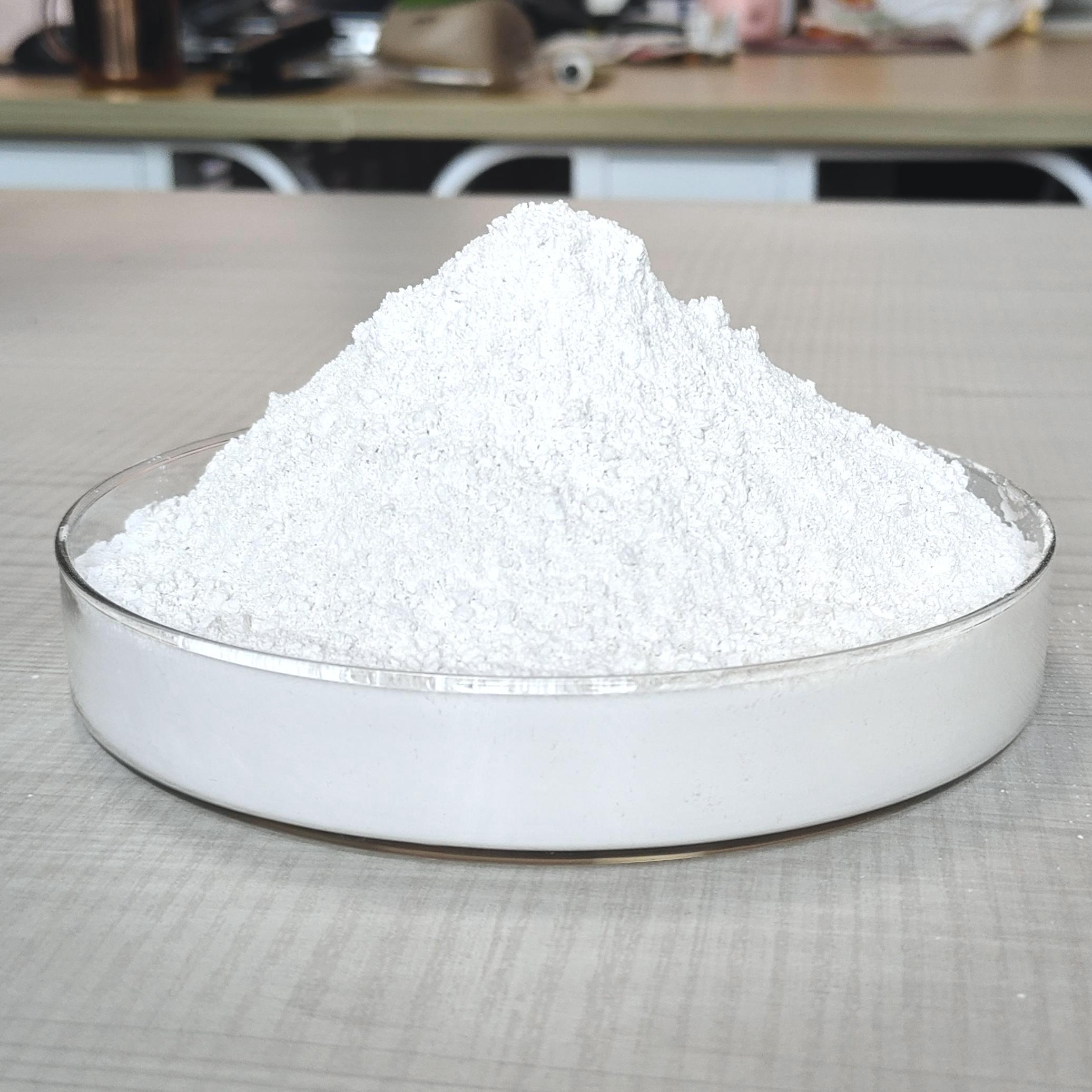
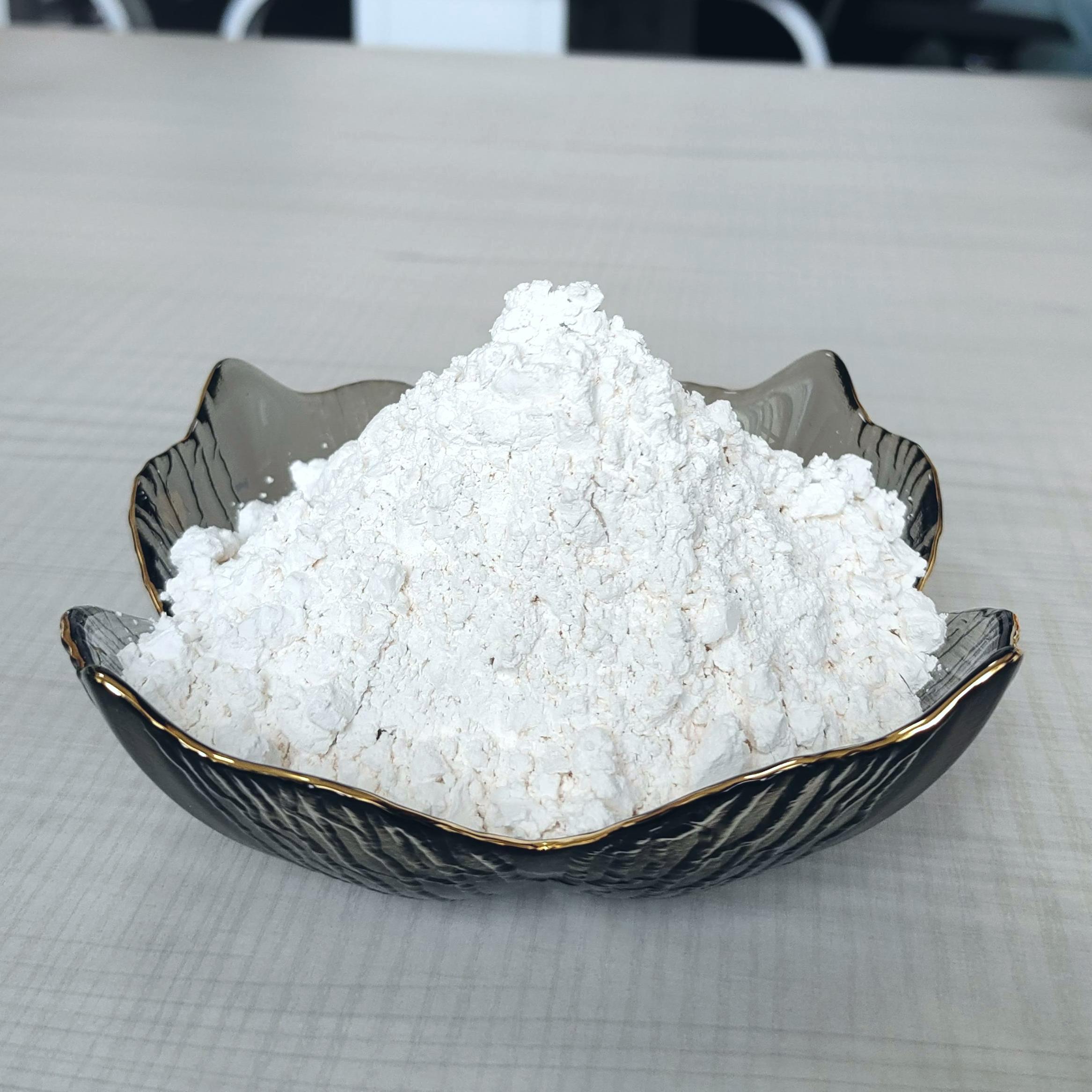
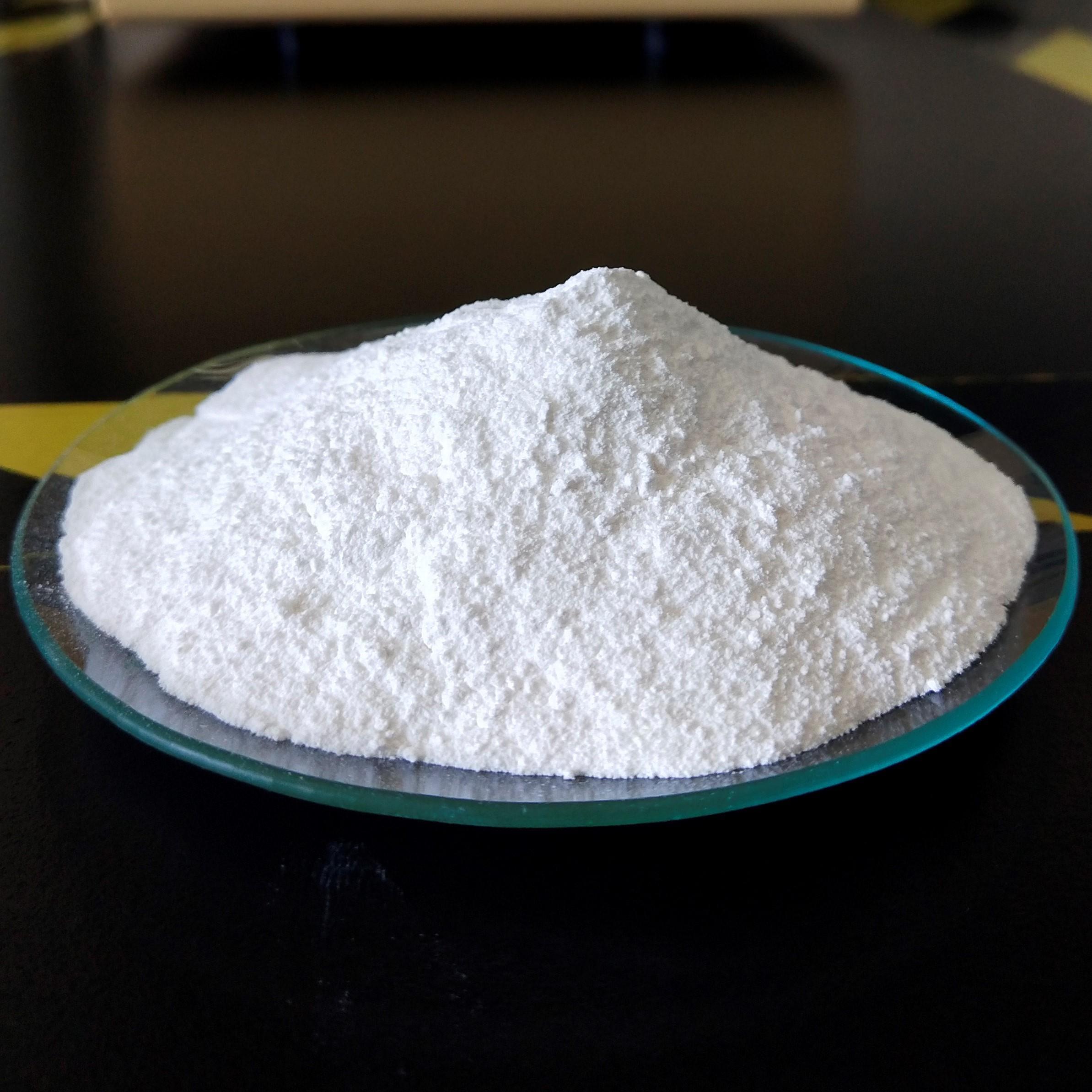
Coated calcium carbonate (CaCO3) has gained considerable attention in various sectors, especially in the chemical industry, due to its unique properties and versatility. Coating calcium carbonate involves applying a thin layer of surface treatment materials, such as stearic acid or other organic compounds, which enhance the particle's functionality and performance. This process not only improves t
One of the primary benefits of coated calcium carbonate is its improved dispersion in various media. This is particularly valuable in applications such as plastics, rubber, and paints, where uniform distribution of fillers is crucial for the final product's performance. By enhancing the hydrophobic nature of the particles, coated calcium carbonate can better blend with non-polar solvents and materials, thus ensuring consistent quality and durability in end products.
In the realm of the chemical industry, coated calcium carbonate serves as a cost-effective filler that can improve the physical properties of a wide array of products. For example, in paint formulations, it can enhance opacity, brightness, and gloss, while also contributing to the overall thickness and texture of the paint. Furthermore, in the plastics industry, coated calcium carbonate can improve tensile strength while reducing production costs, making it an attractive alternative to more expensive fillers.
Another significant application of coated calcium carbonate lies in the production of adhesives and sealants. The improved adhesion properties provided by the coating process lead to stronger and more durable bonds. Additionally, the lightweight nature of calcium carbonate helps in reducing the overall weight of the product, which is essential for various applications in construction and manufacturing.
In terms of environmental impact, coated calcium carbonate is often considered a sustainable option. As a naturally occurring mineral, it is abundant and can be mined with minimal ecological disturbance. Utilizing coated calcium carbonate not only provides performance benefits but also contributes to sustainable practices within the chemical industry.
As the demand for high-performance materials continues to grow, understanding the advantages of coated calcium carbonate will help businesses make informed decisions regarding their product formulations. By incorporating coated calcium carbonate into their processes, manufacturers can achieve enhanced product performance, reduced costs, and improved sustainability.
In conclusion, coated calcium carbonate is a vital ingredient in the chemical industry, providing enhanced performance characteristics and versatility in various applications. Its ability to improve dispersion, reduce costs, and contribute to sustainability makes it a valuable asset for manufacturers looking to innovate and excel in a competitive market.
coated calcium carbonate

Get in Touch with Us Today

EZ Chemical is one of the best suppliers of calcium carbonate series products in China.
CONTACT US
E-mail: kevin_song@ezchemical.cn
ADD:Room 2008, Building 8, Jinse Yangguang, Xin'an East Road, Xin'anjiang Street, Jiande City, Zhejiang Province, China.