28
2026
-
07
How Coated Precipitated Calcium Carbonate Enhances Paint Quality for Superior Finishes
How Coated Precipitated Calcium Carbonate Improves the Quality of Paints Introduction to Coated Precipitated Calcium Carbonate (PCC) Coated precipitated calcium carbonate (PCC) is a highly refined form of calcium carbonate, engineered for specialized applications across various industries. In the paint industry, this mineral plays a pivotal role in enhancing the overall quality and performance of
How Coated Precipitated Calcium Carbonate Improves the Quality of Paints
Introduction to Coated Precipitated Calcium Carbonate (PCC)
Coated precipitated calcium carbonate (PCC) is a highly refined form of calcium carbonate, engineered for specialized applications across various industries. In the paint industry, this mineral plays a pivotal role in enhancing the overall quality and performance of paint products. Its unique properties make it an invaluable additive, offering numerous benefits that contribute to the paint's durability, texture, and appearance.
The Importance of Paint Quality
Paint quality is essential for several reasons:
- **Aesthetic Appeal**: High-quality paints provide a vibrant finish that enhances the visual appeal of surfaces.
- **Durability**: Quality paints withstand environmental stresses, ensuring longevity.
- **Coverage and Application**: Good paints spread uniformly and cover surfaces effectively, reducing the need for multiple coats.
As such, the incorporation of additives like coated PCC is crucial in achieving these attributes.
Understanding Coated Precipitated Calcium Carbonate
What is Coated PCC?
Coated PCC is produced through a controlled precipitation process, allowing for uniform particle size and shape. The "coating" refers to a layer of organic or inorganic substances that enhance the properties of the calcium carbonate particles. This coating can improve dispersion in the paint matrix and modify surface characteristics, ultimately influencing the performance of the paint.
Properties of Coated PCC
Key properties of coated PCC include:
- **Particle Size**: Typically ranges from 0.1 to 10 microns, enabling optimal performance in various applications.
- **Surface Area**: High surface area contributes to better binding and interaction with the paint matrix.
- **Chemical Stability**: Coated PCC is chemically inert, ensuring that it does not react adversely with other paint components.
Benefits of Using Coated PCC in Paints
1. Enhanced Opacity and Coverage
One of the primary benefits of incorporating coated PCC in paint formulations is its ability to improve opacity. The fine particle size allows for better light scattering, resulting in a more opaque finish. This means that less paint is required to achieve the desired color and coverage, ultimately saving costs and resources.
2. Improved Texture and Smoothness
Coated PCC contributes to a smoother paint texture, enhancing the overall feel and look of the finish. The uniform distribution of particles reduces the occurrence of grit and irregularities, leading to a more polished surface. This is especially crucial for high-end applications where aesthetic quality is paramount.
3. Enhanced Durability and Weather Resistance
Paints formulated with coated PCC demonstrate increased durability. The calcium carbonate enhances the film's strength, making it more resistant to chipping, cracking, and peeling. Additionally, the coatings can provide improved weather resistance, ensuring that paints maintain their integrity when exposed to harsh environmental conditions.
4. Reduced VOC Emissions
Volatile Organic Compounds (VOCs) are a significant concern in the paint industry due to their environmental impact. Coated PCC can help reduce the need for solvents in paint formulations, leading to lower VOC emissions. This not only benefits the environment but also improves indoor air quality, making it an attractive option for eco-conscious consumers.
5. Cost-Effectiveness
The incorporation of coated PCC into paint formulations can lead to cost savings in several ways. By improving opacity and coverage, manufacturers can reduce the volume of paint required for a project. Additionally, the enhanced properties can lead to fewer complaints and returns, further saving costs associated with customer dissatisfaction.
Applications of Coated PCC in the Paint Industry
Architectural Coatings
Coated PCC is widely used in architectural paints due to its ability to provide a high-quality finish and durability. These paints are often subjected to varying weather conditions, making the durability enhancements provided by PCC particularly valuable.
Industrial Coatings
For industrial applications, coated PCC contributes to formulations that require robust performance under challenging conditions. Its chemical stability and resistance to abrasion make it ideal for protective coatings used in machinery and equipment.
Specialty Paints
Coated PCC is also utilized in specialty paints, such as those designed for specific applications (e.g., anti-corrosive paints, heat-resistant paints). Its versatility allows formulators to create products tailored to niche markets.
Eco-Friendly Paints
As the demand for sustainable products rises, coated PCC has emerged as a key ingredient in eco-friendly paint formulations. Its ability to reduce VOCs aligns with the growing trend of environmentally friendly products, appealing to consumers who prioritize green solutions.
The Science Behind Coated PCC in Paints
Particle Interaction in Paint Formulations
The interaction between coated PCC particles and other components of the paint matrix is crucial for achieving optimal performance. The surface properties of coated PCC can enhance the bonding between pigments and binders, leading to improved stability and consistency in the paint.
Optimizing Formulations with Coated PCC
Formulators often conduct extensive testing to determine the optimal loading levels of coated PCC in their paint formulations. Factors such as the desired finish, application method, and environmental conditions play a role in determining the best balance between performance and cost.
Challenges and Considerations
1. Quality Control in Manufacturing
The production of coated PCC requires strict quality control measures to ensure consistent performance. Variability in particle size or coating characteristics can lead to inconsistent paint quality.
2. Compatibility with Other Ingredients
While coated PCC is generally compatible with a wide range of paint ingredients, it is essential to test for compatibility with specific formulations. This includes evaluating interactions with other fillers, pigments, and binders to ensure no adverse effects on performance.
3. Regulatory Compliance
As with all chemical additives, it is vital to ensure that coated PCC complies with relevant regulations and standards in the paint industry. This includes considerations for environmental impact and consumer safety.
Future Trends in Coated PCC Applications
The paint industry is continually evolving, with a focus on sustainability and performance. Future trends may include:
- **Innovative Coating Technologies**: Development of new coatings that enhance the performance of PCC further.
- **Biodegradable Coatings**: Research into eco-friendly coatings for PCC to align with sustainability goals.
- **Smart Paints**: Incorporation of PCC in smart paints that change properties based on environmental conditions.
FAQs about Coated Precipitated Calcium Carbonate in Paints
1. What is the primary role of coated PCC in paint formulations?
Coated PCC enhances the opacity, texture, durability, and overall performance of paint, making it a valuable additive.
2. Can coated PCC reduce the cost of paint production?
Yes, by improving coverage and reducing the need for multiple coats, coated PCC can lead to significant cost savings.
3. How does coated PCC improve paint durability?
Coated PCC strengthens the paint film and provides resistance to weathering, chipping, and cracking.
4. Is coated PCC environmentally friendly?
Coated PCC can help reduce VOC emissions in paint formulations, making it a more environmentally conscious choice.
5. What are the main challenges in using coated PCC in paint manufacturing?
Challenges include ensuring consistent quality control, compatibility with other paint ingredients, and compliance with regulatory standards.
Conclusion
Coated precipitated calcium carbonate plays an integral role in enhancing paint quality, offering benefits such as improved opacity, durability, and cost-effectiveness. Its versatility allows it to be utilized across various applications, from architectural to specialty paints. As the industry continues to evolve, the significance of coated PCC is likely to grow, making it a vital component in achieving superior paint formulations. Understanding its properties and applications not only aids manufacturers in optimizing their products but also contributes to creating paints that meet the demands of consumers and environmental standards alike.
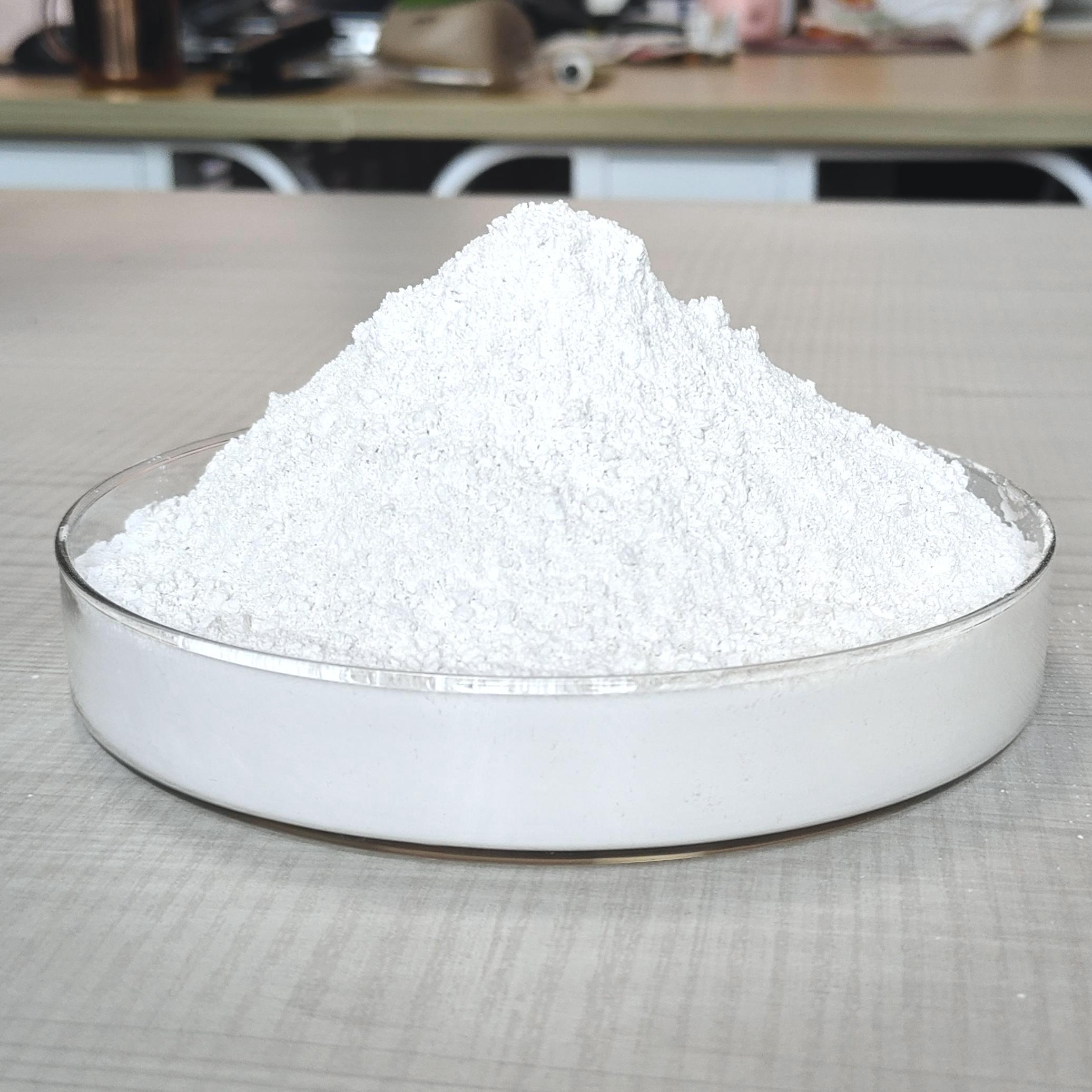
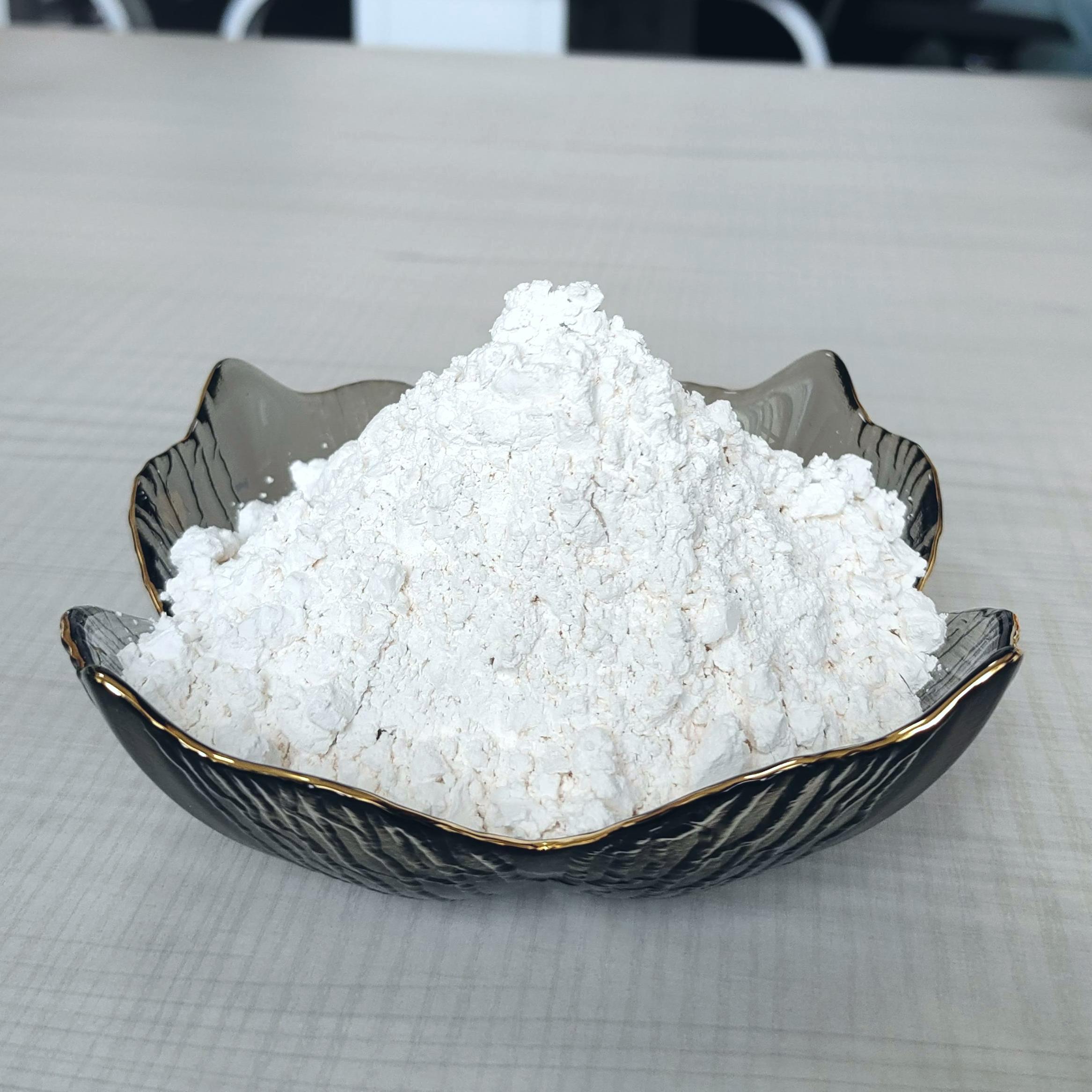
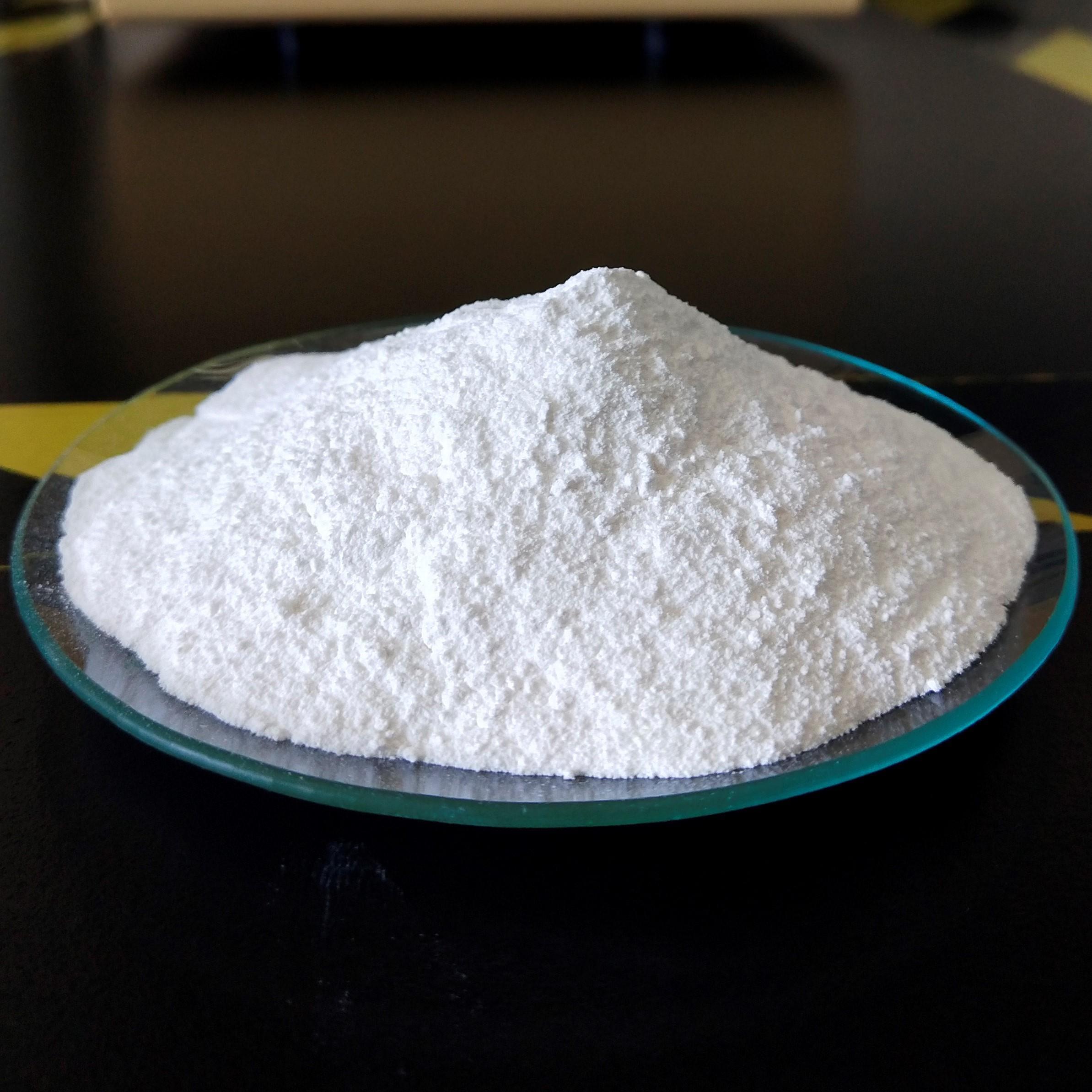
coated precipitated calcium carbonate

Get in Touch with Us Today

EZ Chemical is one of the best suppliers of calcium carbonate series products in China.
CONTACT US
E-mail: kevin_song@ezchemical.cn
ADD:Room 2008, Building 8, Jinse Yangguang, Xin'an East Road, Xin'anjiang Street, Jiande City, Zhejiang Province, China.