18
2026
-
06
Innovations in Calcium Hydroxide Applications Across Diverse Industries
Innovations in Calcium Hydroxide Applications Across Diverse Industries Table of Contents 1. Introduction to Calcium Hydroxide 2. Chemical Properties and Characteristics of Calcium Hydroxide 3. Historical Context and Development of Calcium Hydroxide 4. Innovative Applications in Construction and Building Materials 5. Calcium Hydroxide in Agriculture: Enhancing Soil and Crop Quality 6.
Innovations in Calcium Hydroxide Applications Across Diverse Industries
Table of Contents
- 1. Introduction to Calcium Hydroxide
- 2. Chemical Properties and Characteristics of Calcium Hydroxide
- 3. Historical Context and Development of Calcium Hydroxide
- 4. Innovative Applications in Construction and Building Materials
- 5. Calcium Hydroxide in Agriculture: Enhancing Soil and Crop Quality
- 6. Water Treatment Applications: Purification and Sustainability
- 7. Future Trends and Research Directions in Calcium Hydroxide Applications
- 8. Frequently Asked Questions
- 9. Conclusion
1. Introduction to Calcium Hydroxide
Calcium Hydroxide, commonly known as **slaked lime**, is an inorganic compound with the formula Ca(OH)₂. It is formed when calcium oxide (quicklime) is mixed with water. This versatile compound finds applications across various industries due to its chemical stability, alkalinity, and ability to react with a wide array of materials. In recent years, we have witnessed significant innovations in its applications, showcasing its importance in **sustainable practices** and **industry advancements**.
2. Chemical Properties and Characteristics of Calcium Hydroxide
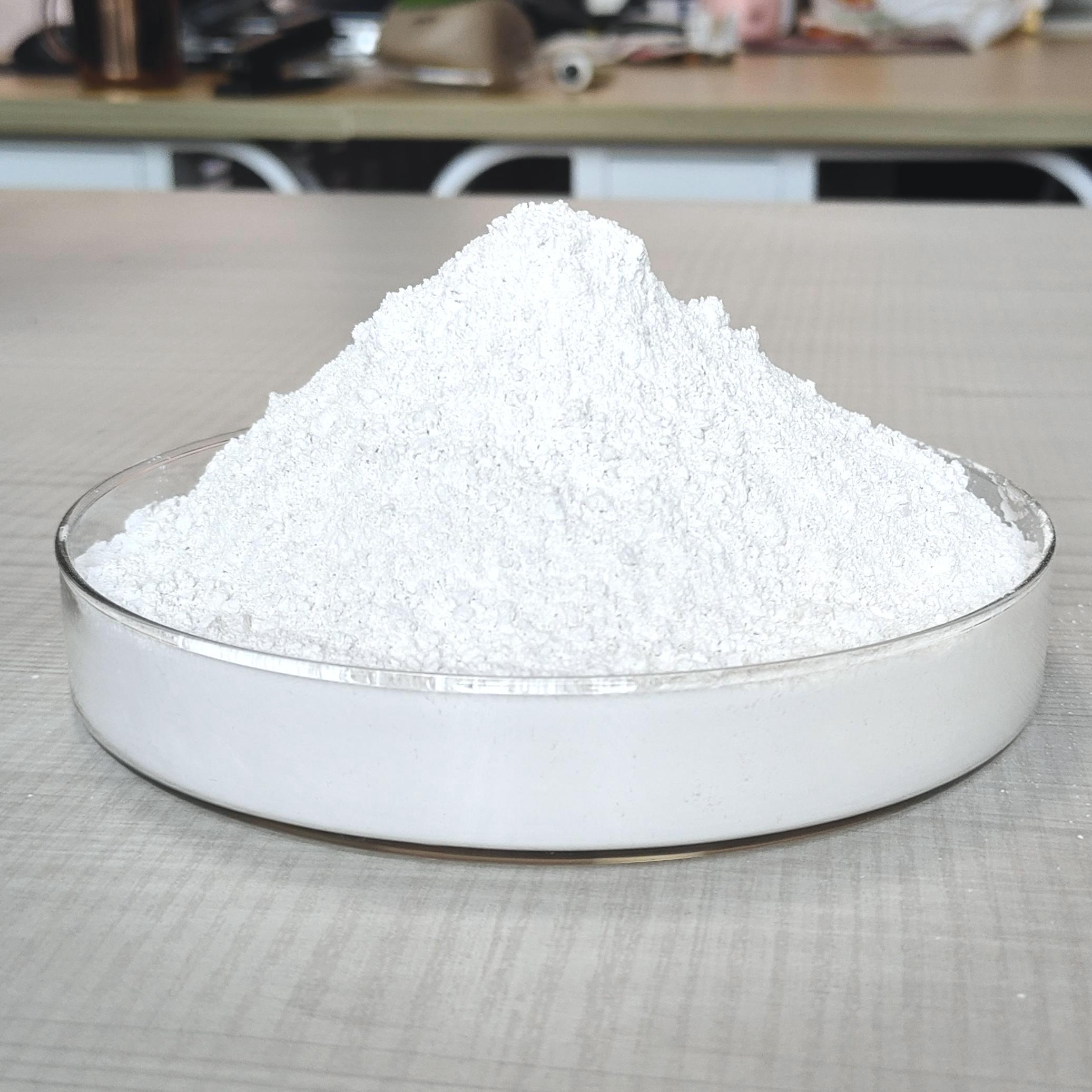
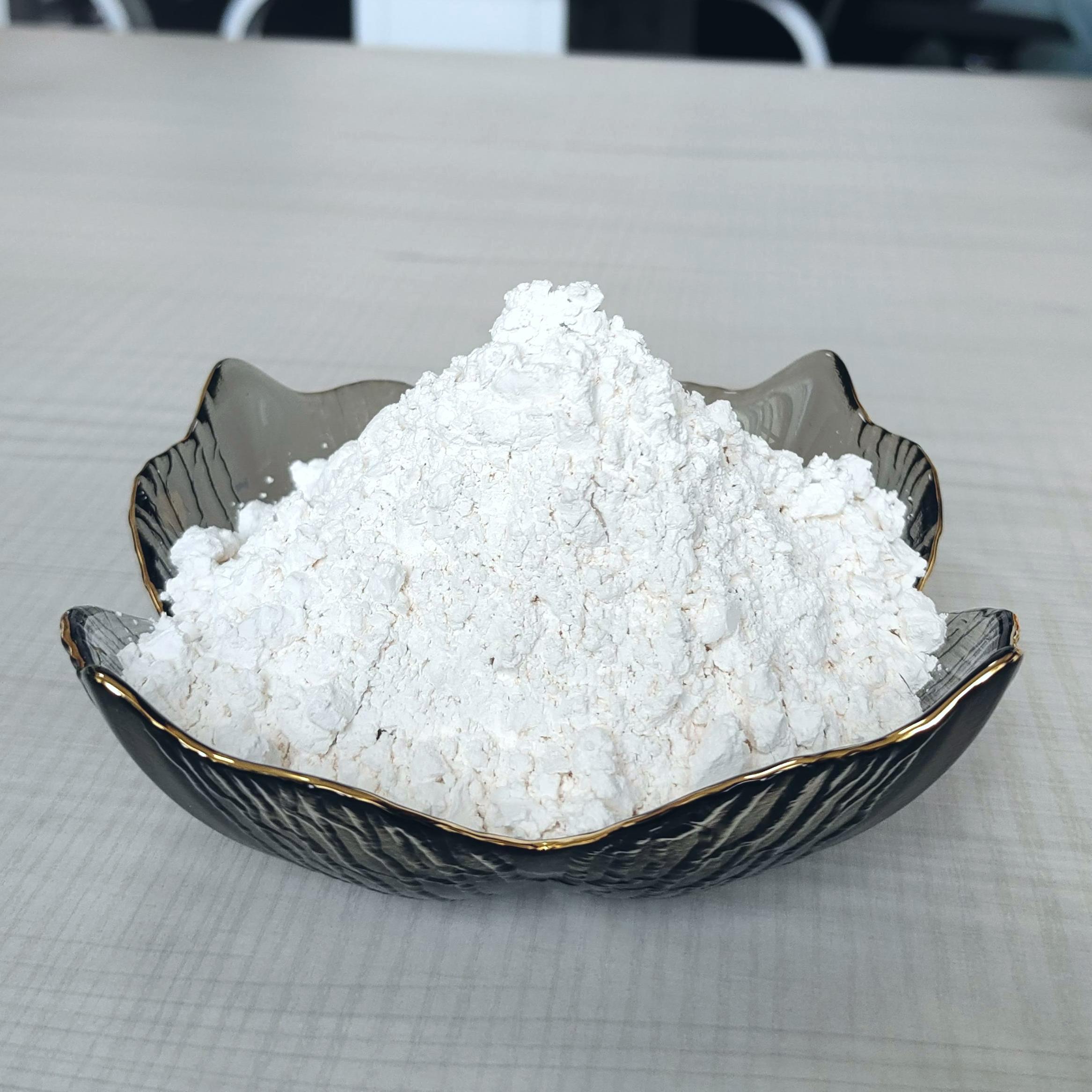
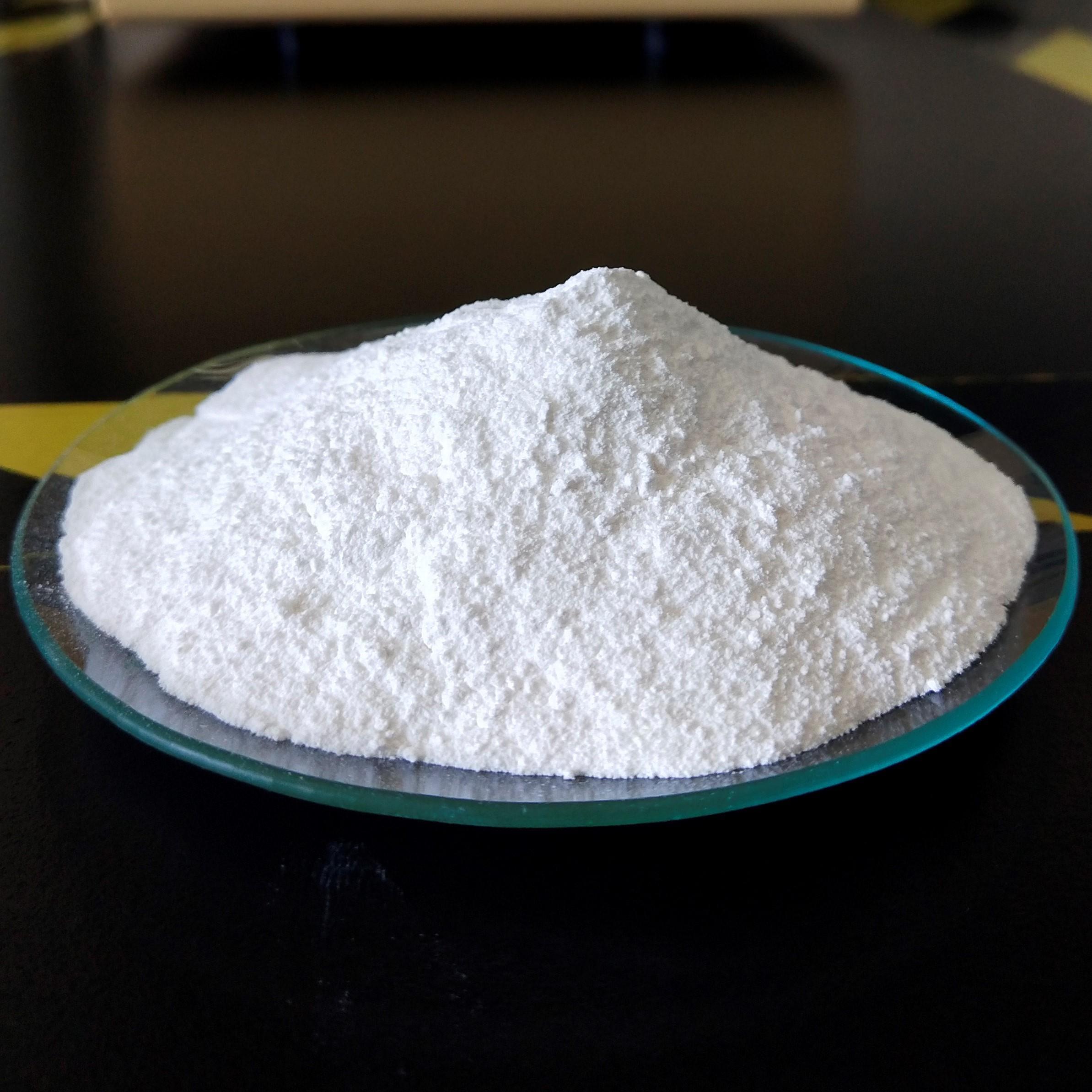
Understanding the **chemical properties** of Calcium Hydroxide is essential to appreciate its diverse applications. It is a **white powder or crystalline solid** that is poorly soluble in water but dissolves in the presence of carbon dioxide, forming **calcium carbonate**. Its **alkaline nature** makes it a valuable neutralizing agent in various processes. Additionally, it has a high **pH level**, making it effective in applications requiring basic conditions.
3. Historical Context and Development of Calcium Hydroxide
Historically, Calcium Hydroxide has been utilized since ancient times. Egyptians used it in the production of mortar for their monumental structures, while in the Middle Ages, it became a critical ingredient in **limewash** for painting and protecting buildings. As industrial processes evolved, so did the applications of Calcium Hydroxide. Today, advancements in technology have led to innovative uses that enhance its effectiveness and sustainability across various sectors.
4. Innovative Applications in Construction and Building Materials
Calcium Hydroxide is making waves in the construction industry, primarily through its role in creating **eco-friendly building materials**. Some of the notable innovations include:
4.1 Sustainable Mortars and Plasters
The incorporation of Calcium Hydroxide in mortars and plasters not only improves their strength but also enhances their durability. Its ability to absorb carbon dioxide over time leads to the formation of calcium carbonate, which contributes to the material's longevity.
4.2 Water-Resistant Coatings
Recent innovations have led to the development of **water-resistant coatings** enriched with Calcium Hydroxide. These coatings provide protection against moisture and can significantly extend the lifespan of structures, making them suitable for use in **high-humidity environments**.
4.3 Soil Stabilization Techniques
In construction, Calcium Hydroxide is employed for soil stabilization, especially in road construction. By treating soil with this compound, we can enhance its engineering properties, reduce plasticity, and improve load-bearing capacities.
5. Calcium Hydroxide in Agriculture: Enhancing Soil and Crop Quality
In agriculture, the application of Calcium Hydroxide has been pivotal in promoting sustainable farming practices. The following innovations highlight its significance:
5.1 Soil pH Modification
Calcium Hydroxide is commonly used to **correct soil acidity**. By raising soil pH levels, it creates a more favorable environment for nutrient availability, promoting healthier crop growth and yielding higher productivity.
5.2 Pest and Disease Control
Recent studies have shown that Calcium Hydroxide can act as an effective **fungicide** and **insecticide**. Its application can reduce the prevalence of soil-borne pathogens, thereby improving crop health and reducing the need for chemical pesticides.
5.3 Enhancing Nutrient Uptake
When utilized as a soil amendment, Calcium Hydroxide can improve the availability of essential nutrients, such as phosphorus and magnesium. This enhancement leads to better crop quality and yield, fostering sustainable agricultural practices.
6. Water Treatment Applications: Purification and Sustainability
Calcium Hydroxide plays a crucial role in water treatment processes, contributing to the purification and sustainability of water resources:
6.1 Heavy Metal Removal
Innovations in water treatment technologies have employed Calcium Hydroxide for the **removal of heavy metals** from industrial wastewater. Its ability to react with metal ions facilitates their precipitation, making it easier to separate and remove contaminants.
6.2 pH Adjustment in Drinking Water
In the treatment of drinking water, Calcium Hydroxide is used to adjust pH levels, ensuring compliance with health regulations. This adjustment not only enhances the safety of the water but also reduces corrosion rates in pipes.
6.3 Sludge Conditioning
Calcium Hydroxide is also utilized in **sludge conditioning** processes, improving the dewatering characteristics of sludge and reducing overall disposal costs.
7. Future Trends and Research Directions in Calcium Hydroxide Applications
As industries continue to seek sustainable solutions, the future of Calcium Hydroxide appears promising. Ongoing research is focusing on several key areas:
7.1 Biodegradable Plastics
Innovative studies are exploring the combination of Calcium Hydroxide with biopolymers to develop **biodegradable plastics**. This application could significantly reduce plastic waste and its environmental impact.
7.2 Advanced Cement Formulations
Research is underway to enhance cement formulations with Calcium Hydroxide to improve performance and reduce the carbon footprint of cement production. This could revolutionize the construction industry by making it more eco-friendly.
7.3 Integration in Renewable Energy Systems
Calcium Hydroxide's potential use in energy storage systems, particularly **in batteries**, is gaining attention. Its properties could facilitate more efficient energy transfer, contributing to the advancement of renewable energy technologies.
8. Frequently Asked Questions
8.1 What is Calcium Hydroxide used for?
Calcium Hydroxide is widely used in construction, agriculture, and water treatment, serving as a soil amendment, a building material, and a water purification agent.
8.2 Is Calcium Hydroxide safe to handle?
While Calcium Hydroxide is generally safe when handled properly, it can irritate the skin and eyes. It is essential to use protective gear when handling this compound.
8.3 How does Calcium Hydroxide improve soil quality?
Calcium Hydroxide improves soil quality by raising pH levels, promoting nutrient availability, and acting as a pest control agent.
8.4 Can Calcium Hydroxide be used in food production?
Yes, Calcium Hydroxide has applications in food production, such as in the preparation of certain foods and as a pH regulator in water treatment for food processing.
8.5 What is the difference between Calcium Hydroxide and Calcium Carbonate?
Calcium Hydroxide is a strong base, while Calcium Carbonate is a neutral compound. Calcium Hydroxide is more reactive and is often used to raise pH levels or neutralize acids.
9. Conclusion
The innovations in Calcium Hydroxide applications across various industries underscore its versatility and importance in promoting sustainability and efficiency. From enhancing construction materials to improving agricultural practices and contributing to advanced water treatment solutions, Calcium Hydroxide continues to shape the future of numerous sectors. As ongoing research explores new frontiers, we can expect even more groundbreaking uses for this remarkable compound, solidifying its role as a cornerstone in modern industry.
calcium hydroxide

Get in Touch with Us Today

EZ Chemical is one of the best suppliers of calcium carbonate series products in China.
CONTACT US
E-mail: kevin_song@ezchemical.cn
ADD:Room 2008, Building 8, Jinse Yangguang, Xin'an East Road, Xin'anjiang Street, Jiande City, Zhejiang Province, China.