29
2026
-
05
The Role of Fine Calcium Carbonate in Enhancing Product Quality
The Role of Fine Calcium Carbonate in Enhancing Product Quality Fine calcium carbonate (FCC) is a critical component in many industrial applications, contributing significantly to product quality and performance. This article delves into the multifaceted advantages of fine calcium carbonate, its diverse applications, and how it enhances the quality of various products. Table of Contents Intr
The Role of Fine Calcium Carbonate in Enhancing Product Quality
Fine calcium carbonate (FCC) is a critical component in many industrial applications, contributing significantly to product quality and performance. This article delves into the multifaceted advantages of fine calcium carbonate, its diverse applications, and how it enhances the quality of various products.
Table of Contents
- Introduction to Fine Calcium Carbonate
- What is Fine Calcium Carbonate?
- Key Properties of Fine Calcium Carbonate
- Applications of Fine Calcium Carbonate in Industries
- Benefits of Using Fine Calcium Carbonate
- Environmental Impact and Sustainability
- Challenges and Solutions in the Use of Fine Calcium Carbonate
- Conclusion
- FAQs about Fine Calcium Carbonate
Introduction to Fine Calcium Carbonate
Fine calcium carbonate is a versatile and widely used mineral that plays a vital role in enhancing the quality of various products. With its unique chemical and physical properties, FCC serves as a crucial additive in multiple industries, ranging from construction to food processing. Understanding its benefits and applications is essential for manufacturers seeking to improve their product offerings.
What is Fine Calcium Carbonate?
Fine calcium carbonate is a naturally occurring mineral composed of calcium, carbon, and oxygen. It is derived from limestone and chalk, which are pulverized and processed to create fine powder with consistent particle size and shape. This powder is utilized in numerous industrial applications due to its inert nature, high purity, and excellent chemical stability.
Key Properties of Fine Calcium Carbonate
Fine calcium carbonate exhibits several key properties that contribute to its effectiveness as an additive:
1. Particle Size and Distribution
The particle size of fine calcium carbonate typically ranges from 2 to 25 microns. A controlled particle size distribution allows for better dispersion in various matrices, enhancing the overall performance of the final product.
2. Brightness and Whiteness
FCC boasts a high level of brightness and whiteness, making it an ideal pigment in applications such as paints, coatings, and plastics. Its aesthetic properties contribute to the visual appeal of consumer products.
3. Chemical Inertness
Fine calcium carbonate is chemically inert, meaning it does not react with other substances. This property ensures that it can be safely used in food and pharmaceutical products without altering their composition.
4. Low Abrasiveness
The low abrasiveness of FCC makes it suitable for applications where a gentle touch is required, such as in cosmetics and personal care products.
Applications of Fine Calcium Carbonate in Industries
Fine calcium carbonate finds applications across various industries, each benefiting from its unique properties.
In Paints and Coatings
In the paint and coatings industry, fine calcium carbonate is widely used as a filler and pigment. It enhances the viscosity, improves the texture, and provides whiteness to the paint. Additionally, FCC can reduce the cost of paint formulations while maintaining excellent opacity and coverage.
In Plastics and Polymers
Fine calcium carbonate serves as a filler in plastics and polymers, contributing to improved stiffness, impact resistance, and dimensional stability. It enhances the overall quality of plastic products while reducing production costs and emissions during manufacturing.
In Food and Beverages
In the food industry, fine calcium carbonate is used as a food additive and calcium fortification agent. It improves the nutritional profile of products while acting as an anti-caking agent in powdered products. Its chemical inertness ensures safety for consumption.
In Pharmaceuticals
Fine calcium carbonate is utilized in the pharmaceutical industry as an excipient in tablet formulations. It serves as a binder, filler, and disintegrant, improving the product's overall quality and efficacy.
Benefits of Using Fine Calcium Carbonate
Integrating fine calcium carbonate into products provides numerous advantages:
1. Cost-Effectiveness
One of the primary benefits of using FCC is its cost-effectiveness. As a filler, it can reduce the amount of more expensive raw materials needed in formulations, leading to significant savings in production costs.
2. Enhanced Product Quality
Fine calcium carbonate contributes to improved mechanical properties, visual appearance, and overall performance of products. This enhancement can lead to higher customer satisfaction and increased sales.
3. Environmental Benefits
Using FCC promotes sustainability in production processes. It can replace synthetic additives, reducing the carbon footprint and making products more eco-friendly.
4. Versatility
The versatility of fine calcium carbonate allows it to be used across multiple industries, making it an essential component in many formulations. Its adaptability ensures that manufacturers can find innovative ways to incorporate FCC into their products.
Environmental Impact and Sustainability
The extraction and processing of fine calcium carbonate have environmental implications that must be considered. Sustainable practices, such as responsible mining and processing techniques, can minimize the ecological footprint of FCC production. Many manufacturers are now focusing on sourcing FCC from environmentally friendly quarries and utilizing recycling methods to repurpose waste materials.
Challenges and Solutions in the Use of Fine Calcium Carbonate
While fine calcium carbonate offers numerous benefits, it also presents certain challenges:
1. Quality Control
Maintaining consistent quality can be challenging in the production of fine calcium carbonate. It is essential for manufacturers to implement strict quality control measures to ensure that the FCC used in their products meets specific standards.
2. Dust Control
The fine dust produced during the handling and processing of FCC can pose health risks to workers. Proper dust control measures, including ventilation systems and personal protective equipment, are necessary to mitigate these risks.
3. Regulatory Compliance
In industries such as food and pharmaceuticals, compliance with regulations is crucial. Manufacturers must stay updated with the relevant regulations regarding the use of fine calcium carbonate to ensure product safety and legality.
Conclusion
In summary, fine calcium carbonate plays a pivotal role in enhancing product quality across various industries. Its unique properties, cost-effectiveness, and versatility make it an invaluable additive in many formulations. By understanding the applications and benefits of FCC, manufacturers can leverage this mineral to improve their product offerings, meet consumer demands, and contribute to sustainable practices.
FAQs about Fine Calcium Carbonate
1. What is fine calcium carbonate used for?
Fine calcium carbonate is used in various industries, including paints, plastics, food, and pharmaceuticals, as a filler and additive to enhance product quality.
2. Is fine calcium carbonate safe for food use?
Yes, fine calcium carbonate is recognized as safe for food use and is often used as a calcium fortification agent and anti-caking agent.
3. How does fine calcium carbonate improve product performance?
FCC enhances product performance by improving mechanical properties, appearance, and overall functionality while also reducing production costs.
4. Can fine calcium carbonate be used in eco-friendly products?
Yes, using fine calcium carbonate can contribute to eco-friendly products by replacing synthetic additives and reducing the carbon footprint during production.
5. What are the challenges associated with fine calcium carbonate?
Challenges include quality control, dust management, and ensuring regulatory compliance in industries like food and pharmaceuticals.
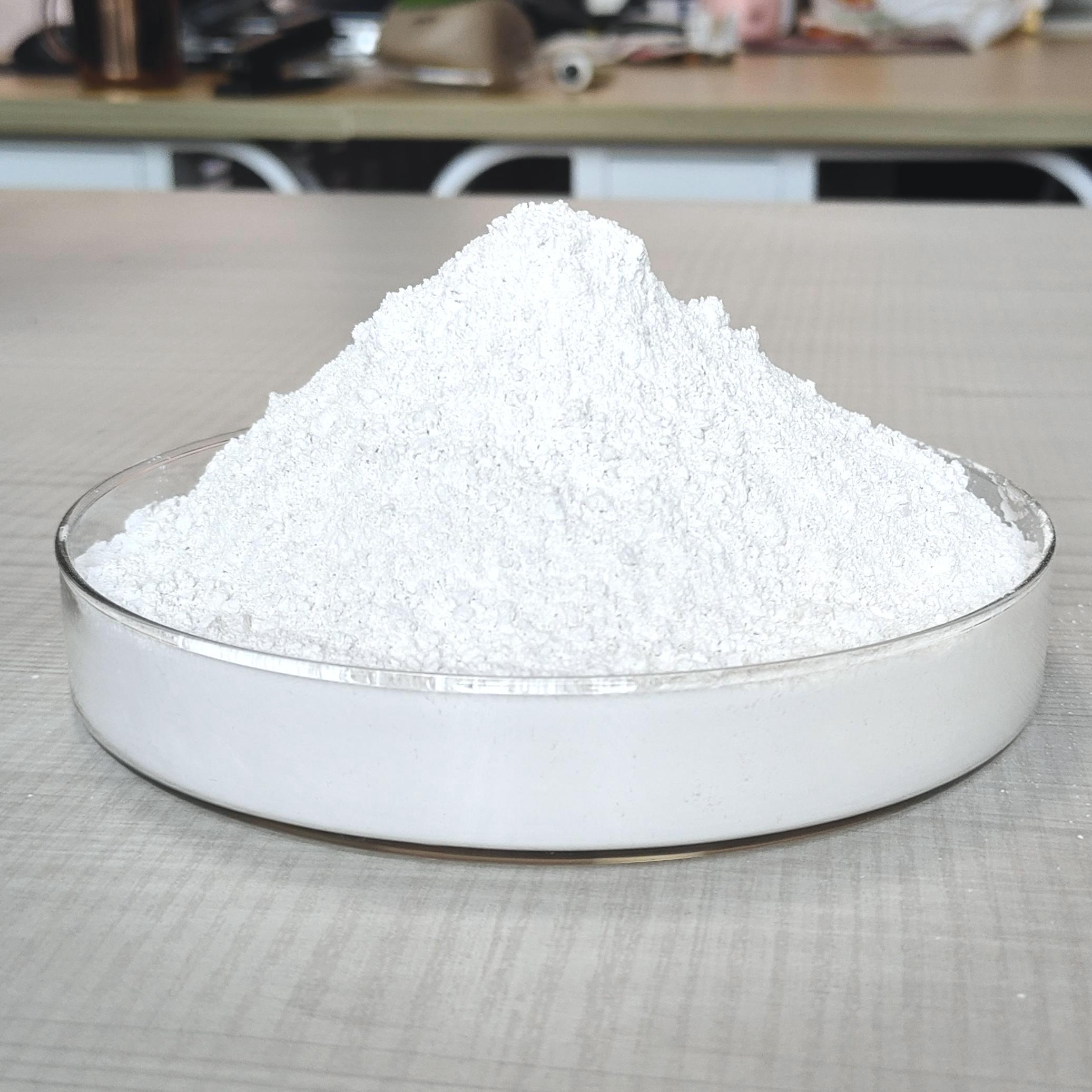
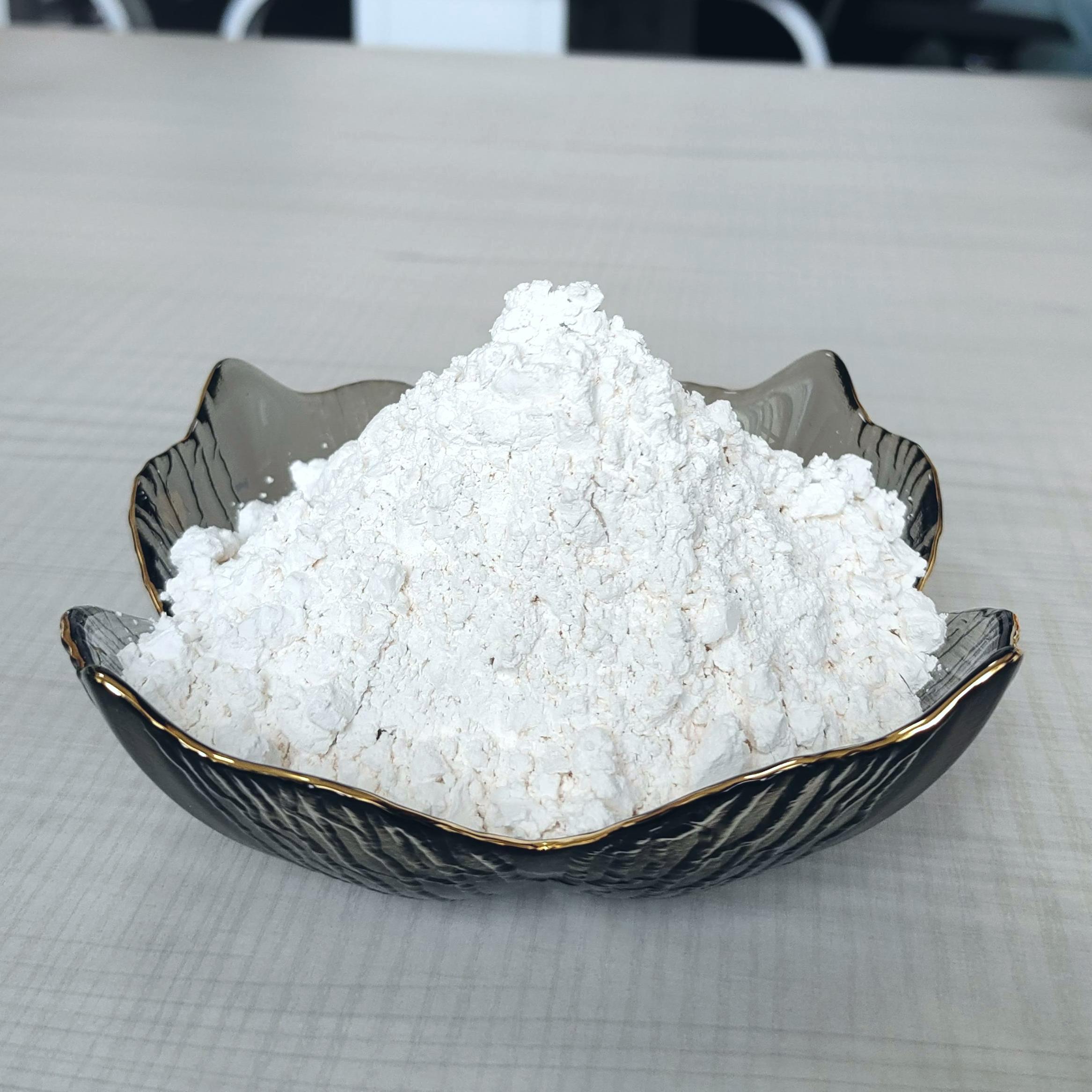
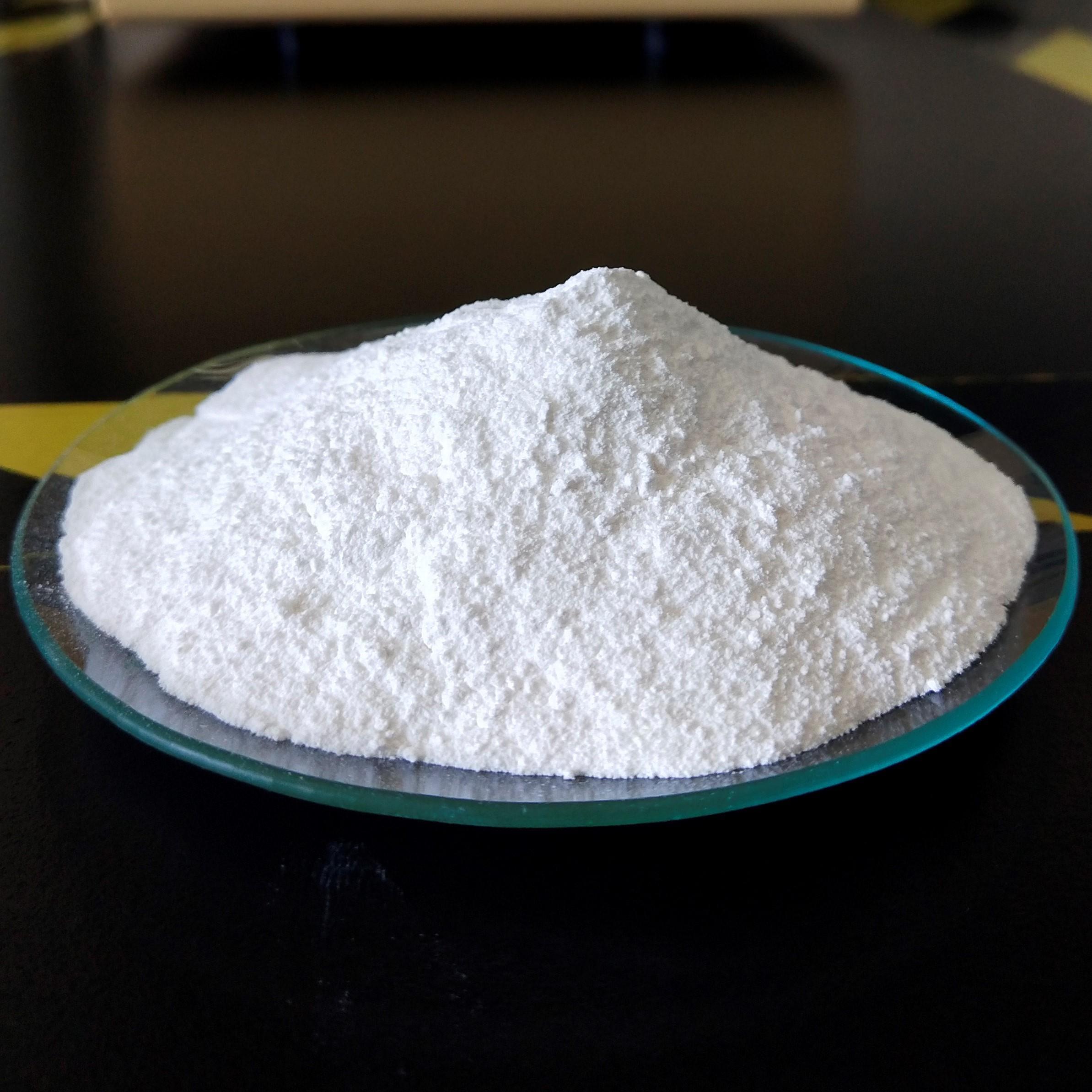
fine calcium carbonate

Get in Touch with Us Today

EZ Chemical is one of the best suppliers of calcium carbonate series products in China.
CONTACT US
E-mail: kevin_song@ezchemical.cn
ADD:Room 2008, Building 8, Jinse Yangguang, Xin'an East Road, Xin'anjiang Street, Jiande City, Zhejiang Province, China.