29
2026
-
04
Unlocking the Secrets of Food-Grade Calcium Carbonate: Uses and Benefits
Unlocking the Secrets of Food-Grade Calcium Carbonate: Uses and Benefits Table of Contents 1. Introduction to Food-Grade Calcium Carbonate 2. What is Calcium Carbonate? 3. Understanding Food-Grade Calcium Carbonate 4. Uses of Food-Grade Calcium Carbonate in the Food Industry 4.1 As a Food Additive 4.2 As a Nutritional Supplement 4.3 As
Unlocking the Secrets of Food-Grade Calcium Carbonate: Uses and Benefits
Table of Contents
- 1. Introduction to Food-Grade Calcium Carbonate
- 2. What is Calcium Carbonate?
- 3. Understanding Food-Grade Calcium Carbonate
- 4. Uses of Food-Grade Calcium Carbonate in the Food Industry
- 5. Health Benefits of Food-Grade Calcium Carbonate
- 6. Safety Considerations
- 7. Sourcing and Quality of Food-Grade Calcium Carbonate
- 8. FAQs about Food-Grade Calcium Carbonate
- 9. Conclusion
1. Introduction to Food-Grade Calcium Carbonate
Food-grade calcium carbonate is a versatile compound that plays a crucial role in various applications within the food industry. Its remarkable properties and benefits contribute to food preservation, texture enhancement, and nutritional enrichment. This article aims to unravel the many ways food-grade calcium carbonate can be utilized and its importance in our daily diets.
2. What is Calcium Carbonate?
Calcium carbonate (CaCO3) is a naturally occurring mineral found in rocks, shells, and various natural deposits. It is commonly used in a myriad of applications, spanning construction, agriculture, and food production. In the food industry, calcium carbonate is particularly valued for its ability to provide essential nutrients and improve food quality.
3. Understanding Food-Grade Calcium Carbonate
Food-grade calcium carbonate is a refined form of calcium carbonate that meets stringent safety and purity standards for human consumption. It is derived from high-purity limestone or marble and is processed to remove impurities. This ensures that the product is safe for use in food products, dietary supplements, and other consumables.
4. Uses of Food-Grade Calcium Carbonate in the Food Industry
Food-grade calcium carbonate is not just a supplement but a multi-functional ingredient with various applications in the food industry. Here, we explore some of its primary uses:
4.1 As a Food Additive
Food-grade calcium carbonate is commonly used as a food additive, often labeled as E170 in the European Union. It serves multiple purposes, including:
- **Anti-caking Agent:** It prevents clumping in powdered foods, ensuring a smooth texture.
- **Coloring Agent:** It can enhance the whiteness of products like confectionery and dairy.
- **Acid Regulator:** In baking, it helps maintain pH levels, improving the quality of baked goods.
4.2 As a Nutritional Supplement
Calcium is an essential mineral necessary for various bodily functions, including bone health, muscle function, and nerve transmission. Food-grade calcium carbonate is often utilized as a dietary supplement to boost calcium intake, particularly for individuals at risk of calcium deficiency, such as:
- Postmenopausal women
- Individuals with lactose intolerance
- Older adults with reduced calcium absorption
4.3 As a Textural Enhancer
The use of food-grade calcium carbonate can significantly enhance the texture of various food products. It is commonly incorporated into:
- **Baked Goods:** It improves the texture and volume of breads and cakes.
- **Dairy Products:** It contributes to the creaminess and stability of products like yogurt and cheese.
- **Confectionery:** It adds a grainy texture to candies and chocolates.
5. Health Benefits of Food-Grade Calcium Carbonate
In addition to its practical uses, food-grade calcium carbonate offers several health benefits:
- **Bone Health:** Regular consumption can help maintain strong bones and prevent osteoporosis.
- **Weight Management:** Calcium has been linked to fat metabolism, suggesting that adequate calcium levels may aid in weight management.
- **Digestive Health:** Calcium carbonate can neutralize stomach acid, providing relief from heartburn and indigestion.
6. Safety Considerations
Despite its various benefits, it is crucial to consider safety when using food-grade calcium carbonate. The following safety measures should be observed:
- **Quality Assurance:** Always source food-grade calcium carbonate from reputable suppliers to ensure quality and safety.
- **Dosage Guidelines:** Follow recommended dosages, as excessive intake can lead to side effects such as constipation or kidney stones.
- **Consult a Healthcare Provider:** Individuals with specific health conditions or those on medication should consult a healthcare professional before adding calcium supplements to their diet.
7. Sourcing and Quality of Food-Grade Calcium Carbonate
When sourcing food-grade calcium carbonate, it is essential to ensure that the product meets food safety standards. Look for:
- **Certifications:** Choose products that have been certified by relevant food safety authorities.
- **Purity Levels:** High-purity calcium carbonate should have minimal impurities to ensure safety and efficacy.
- **Supplier Reputation:** Opt for suppliers with a strong track record in the industry and positive customer reviews.
8. FAQs about Food-Grade Calcium Carbonate
1. What is food-grade calcium carbonate used for?
Food-grade calcium carbonate is primarily used as a food additive, nutritional supplement, and textural enhancer in various food products.
2. Is food-grade calcium carbonate safe to consume?
Yes, when sourced from reputable suppliers and consumed within recommended dosages, food-grade calcium carbonate is safe for human consumption.
3. Can food-grade calcium carbonate help with calcium deficiency?
Absolutely! Food-grade calcium carbonate is an effective dietary supplement for boosting calcium intake and addressing deficiency.
4. What are the potential side effects of consuming too much calcium carbonate?
Excessive intake can lead to side effects like constipation, kidney stones, and abdominal discomfort.
5. How can I incorporate food-grade calcium carbonate into my diet?
You can incorporate it by using calcium-fortified foods, dietary supplements, or adding it to recipes where appropriate.
9. Conclusion
Food-grade calcium carbonate is a remarkable compound with diverse applications and benefits in the food industry. From enhancing the texture of baked goods to serving as a vital source of dietary calcium, its versatility makes it an essential ingredient in our diets. By understanding its uses, health benefits, and safety considerations, consumers can make informed decisions about incorporating food-grade calcium carbonate into their dietary routines. As we continue to explore the world of food additives, calcium carbonate remains a valuable ally in promoting healthy eating and improving food quality.
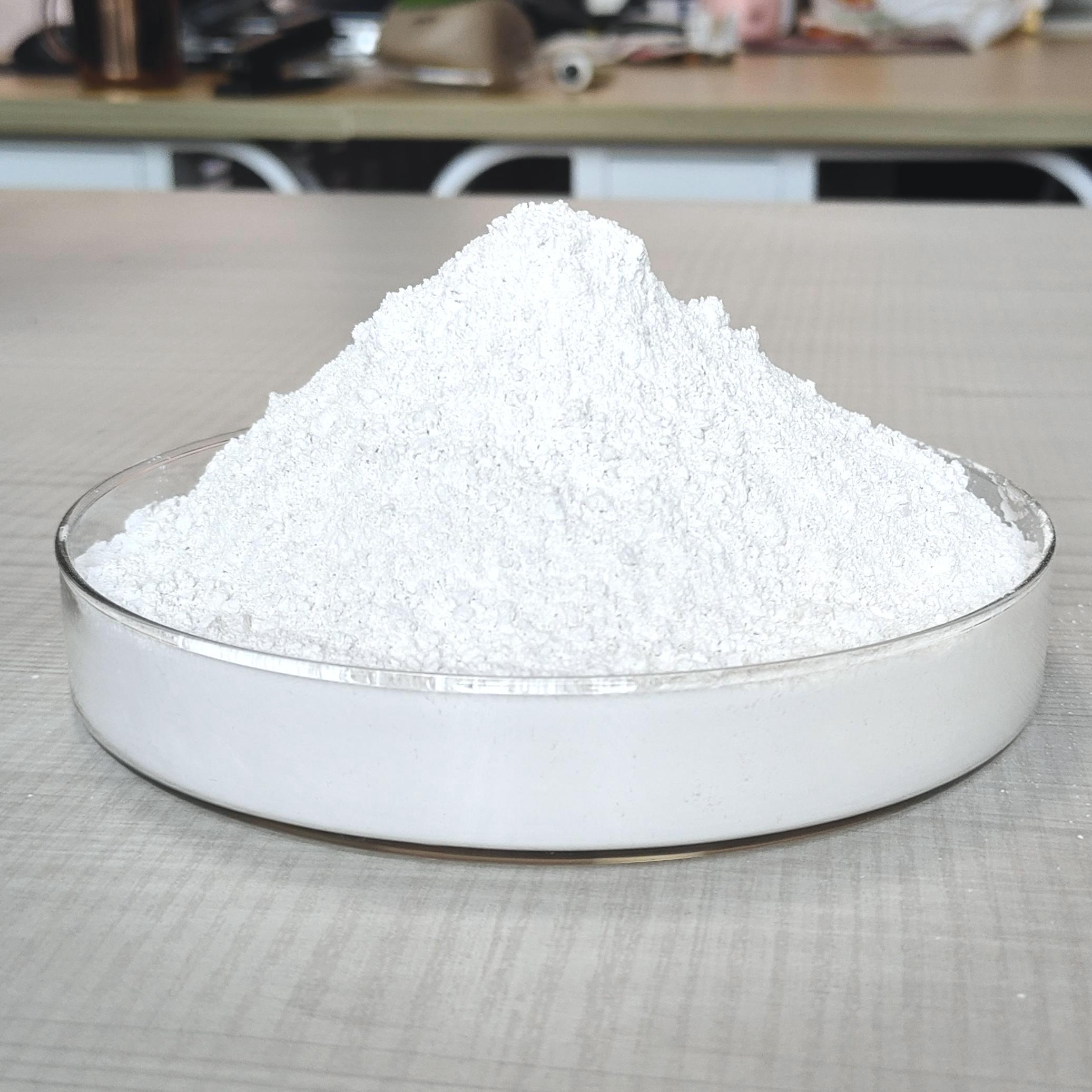
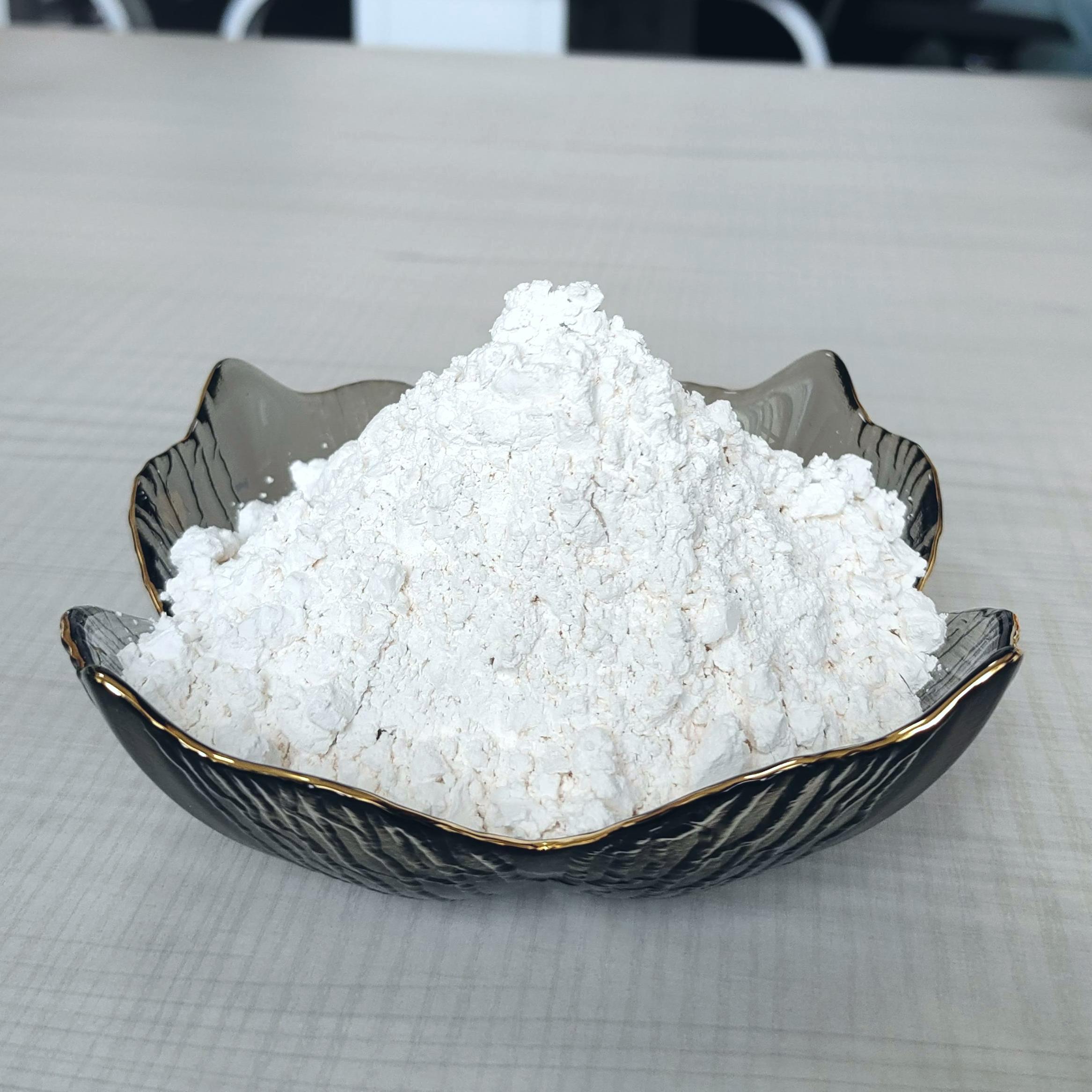
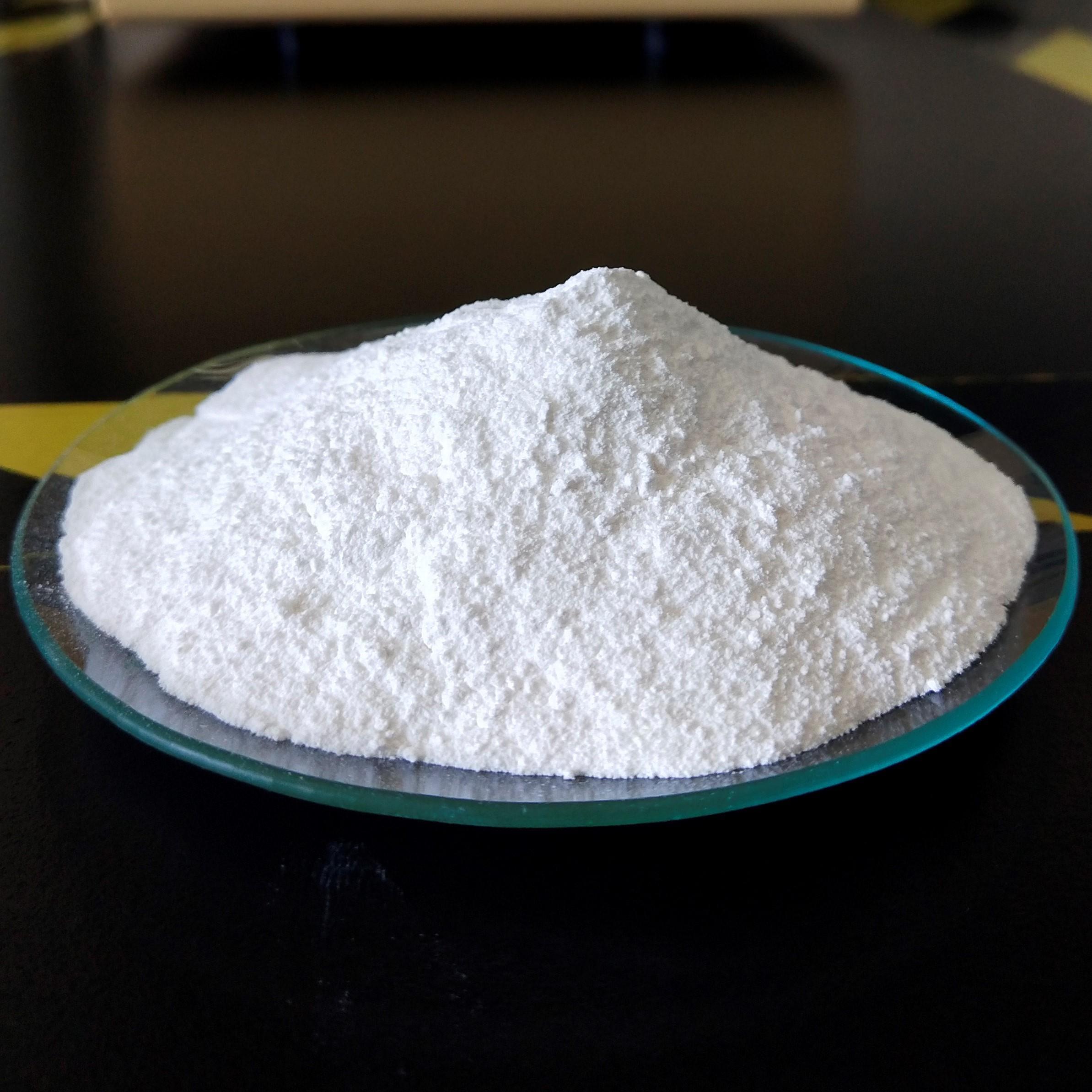
food-grade calcium carbonate

Get in Touch with Us Today

EZ Chemical is one of the best suppliers of calcium carbonate series products in China.
CONTACT US
E-mail: kevin_song@ezchemical.cn
ADD:Room 2008, Building 8, Jinse Yangguang, Xin'an East Road, Xin'anjiang Street, Jiande City, Zhejiang Province, China.