19
2026
-
04
Why Food-Grade Calcium Carbonate is Essential for Healthy Living
Why Food-Grade Calcium Carbonate is Essential for Healthy Living Table of Contents 1. What is Calcium Carbonate? 2. Understanding Food-Grade Calcium Carbonate 3. Health Benefits of Food-Grade Calcium Carbonate 4. Dietary Sources of Food-Grade Calcium Carbonate 5. Industrial Uses of Food-Grade Calcium Carbonate 6. Safety and Regulations of Food-Grade Calcium Carbonate 7
Why Food-Grade Calcium Carbonate is Essential for Healthy Living
Table of Contents
- 1. What is Calcium Carbonate?
- 2. Understanding Food-Grade Calcium Carbonate
- 3. Health Benefits of Food-Grade Calcium Carbonate
- 4. Dietary Sources of Food-Grade Calcium Carbonate
- 5. Industrial Uses of Food-Grade Calcium Carbonate
- 6. Safety and Regulations of Food-Grade Calcium Carbonate
- 7. How to Choose Quality Food-Grade Calcium Carbonate
- 8. Frequently Asked Questions (FAQs)
- 9. Conclusion
1. What is Calcium Carbonate?
Calcium carbonate is a naturally occurring mineral composed of calcium, carbon, and oxygen. Found in various forms such as chalk, limestone, and marble, it serves multiple purposes across industries. In the context of food and nutrition, it functions as a calcium supplement and a food additive, enhancing the dietary needs of individuals seeking to maintain or improve their health.
2. Understanding Food-Grade Calcium Carbonate
Food-grade calcium carbonate is a purified form of calcium carbonate that meets specific safety standards for human consumption. Unlike industrial-grade calcium carbonate, which may contain impurities or harmful additives, food-grade variants are processed to ensure they are safe and beneficial for health. It is commonly used in food products, dietary supplements, and even pharmaceuticals.
3. Health Benefits of Food-Grade Calcium Carbonate
3.1 Bone Health
One of the primary benefits of food-grade calcium carbonate is its role in promoting strong bones. Calcium is a vital mineral that contributes to bone density and prevents conditions such as osteoporosis. By incorporating food-grade calcium carbonate into your diet, you can help ensure that your body receives sufficient calcium to maintain bone health, particularly as you age.
3.2 Dental Health
Calcium carbonate also plays a crucial role in dental health. It helps in remineralizing tooth enamel, combating cavities, and maintaining overall oral hygiene. Many dental products, including toothpaste, utilize food-grade calcium carbonate due to its abrasive properties and ability to neutralize acids in the mouth.
3.3 Digestive Health
Food-grade calcium carbonate can aid in digestion by neutralizing stomach acid, providing relief from heartburn and acid reflux. It acts as an antacid, helping to balance pH levels in the stomach. This not only promotes comfort but also supports better nutrient absorption.
3.4 Weight Management
Some studies suggest that calcium may play a role in weight management. A diet rich in calcium, including food-grade calcium carbonate, can contribute to fat metabolism and reduce fat absorption in the body, making it an essential aspect of a weight loss regimen.
4. Dietary Sources of Food-Grade Calcium Carbonate
Food-grade calcium carbonate can be found in various sources, both natural and processed. Here are some notable dietary sources:
4.1 Dairy Products
Dairy products such as milk, cheese, and yogurt are rich in calcium. They are among the best sources of food-grade calcium carbonate, providing not only calcium but also additional nutrients that support overall health.
4.2 Fortified Foods
Many food manufacturers fortify products like cereals, juices, and plant-based milk alternatives with food-grade calcium carbonate to enhance their nutritional profile. Checking labels for calcium content can help individuals meet their dietary needs.
4.3 Supplements
For those unable to meet their calcium requirements through diet alone, food-grade calcium carbonate supplements are widely available. These supplements come in various forms, including tablets, capsules, and powders, offering flexibility in consumption.
5. Industrial Uses of Food-Grade Calcium Carbonate
Beyond its health benefits, food-grade calcium carbonate is utilized in various industries:
5.1 Food Industry
In the food industry, food-grade calcium carbonate is often used as a firming agent, acidity regulator, and anti-caking agent in powdered foods. It enhances the texture and shelf-life of products.
5.2 Pharmaceutical Industry
Calcium carbonate is commonly found in antacid formulations and dietary supplements. Its role as a calcium source makes it an essential ingredient in many over-the-counter medications aimed at treating digestive issues.
5.3 Agriculture
Calcium carbonate is also employed in agriculture to improve soil quality and provide essential nutrients to crops. It helps neutralize soil acidity, creating a more favorable environment for plant growth.
6. Safety and Regulations of Food-Grade Calcium Carbonate
Food-grade calcium carbonate is recognized as safe for consumption by regulatory bodies such as the U.S. Food and Drug Administration (FDA). It undergoes strict testing to ensure it meets safety standards, making it a reliable choice for dietary supplementation and food processing.
7. How to Choose Quality Food-Grade Calcium Carbonate
Not all food-grade calcium carbonate products are created equal. Here are some tips for selecting high-quality options:
7.1 Check for Certifications
Look for products that have been certified by reputable organizations, indicating they meet safety and quality standards. This ensures that you are consuming a product that is safe and effective.
7.2 Read Labels Carefully
Always read product labels for ingredient purity, dosage recommendations, and potential allergens. This information will help you make informed choices tailored to your health needs.
7.3 Consult Healthcare Professionals
Before starting any supplement regimen, it's advisable to consult with healthcare professionals. They can provide personalized recommendations based on your health status and dietary requirements.
8. Frequently Asked Questions (FAQs)
8.1 What is the difference between food-grade and industrial-grade calcium carbonate?
Food-grade calcium carbonate is specifically processed for safe human consumption, while industrial-grade products may contain impurities that make them unsuitable for dietary use.
8.2 How much calcium do I need daily?
The recommended dietary allowance (RDA) for calcium varies by age and gender. Generally, adults need around 1,000 mg per day, increasing to 1,200 mg for women over 50 and men over 70.
8.3 Can too much calcium be harmful?
Excessive calcium intake can lead to health issues such as kidney stones and impaired absorption of other minerals. It's essential to adhere to recommended dosages and consult healthcare providers.
8.4 Is food-grade calcium carbonate vegan?
Yes, food-grade calcium carbonate is typically considered vegan, as it is derived from natural mineral sources and does not involve animal products in its processing.
8.5 Can I get enough calcium through a plant-based diet?
While plant-based diets can provide sufficient calcium through sources like leafy greens, fortified foods, and nuts, some individuals may benefit from supplementation with food-grade calcium carbonate, especially if they have dietary restrictions.
9. Conclusion
In conclusion, food-grade calcium carbonate is an indispensable component of a healthy lifestyle. Its benefits range from promoting strong bones and dental health to aiding digestion and playing a role in weight management. By understanding its sources, applications, and safety guidelines, individuals can make informed choices to enhance their overall wellness. As we continue to prioritize our health, incorporating food-grade calcium carbonate into our diets becomes a vital step toward achieving optimal health and well-being.
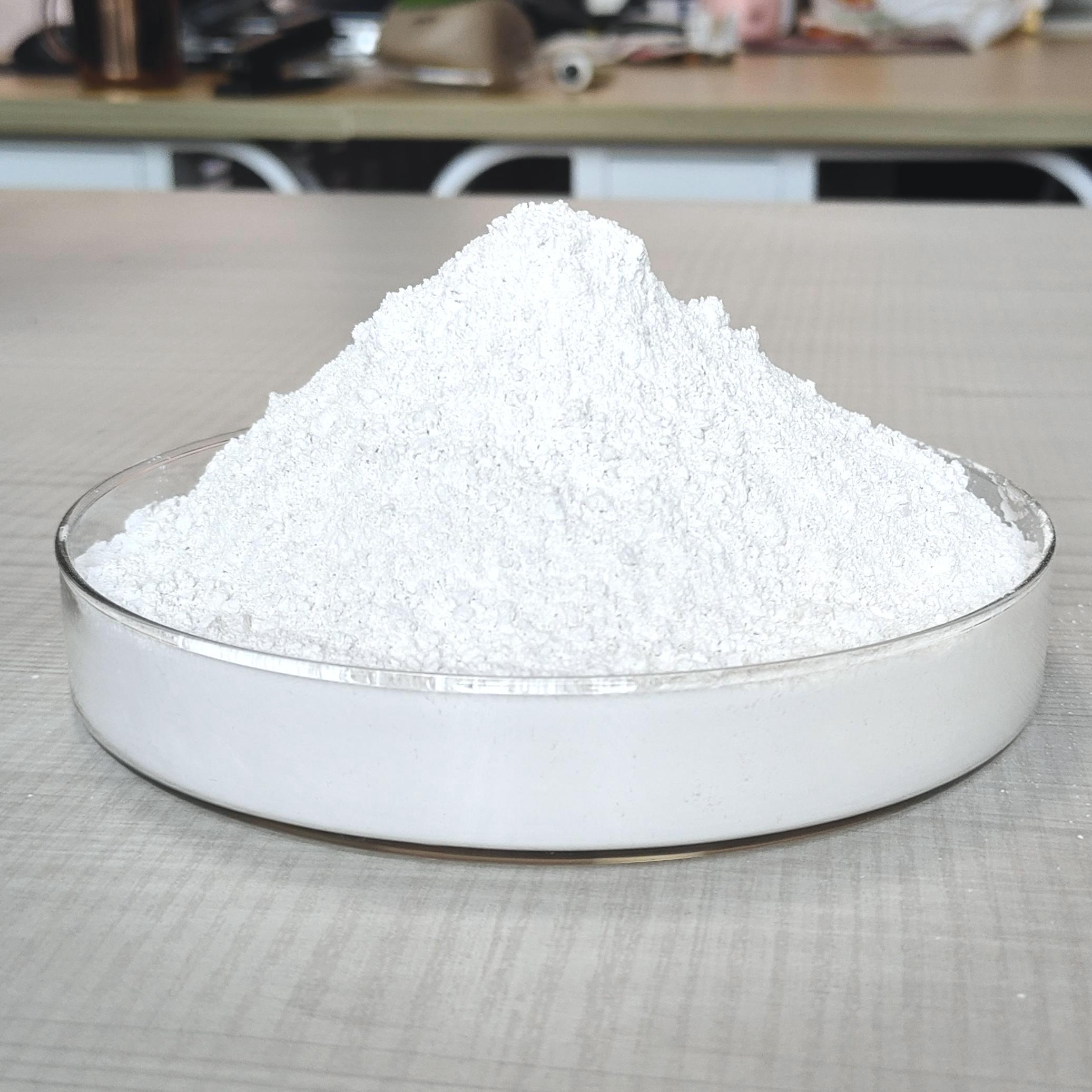
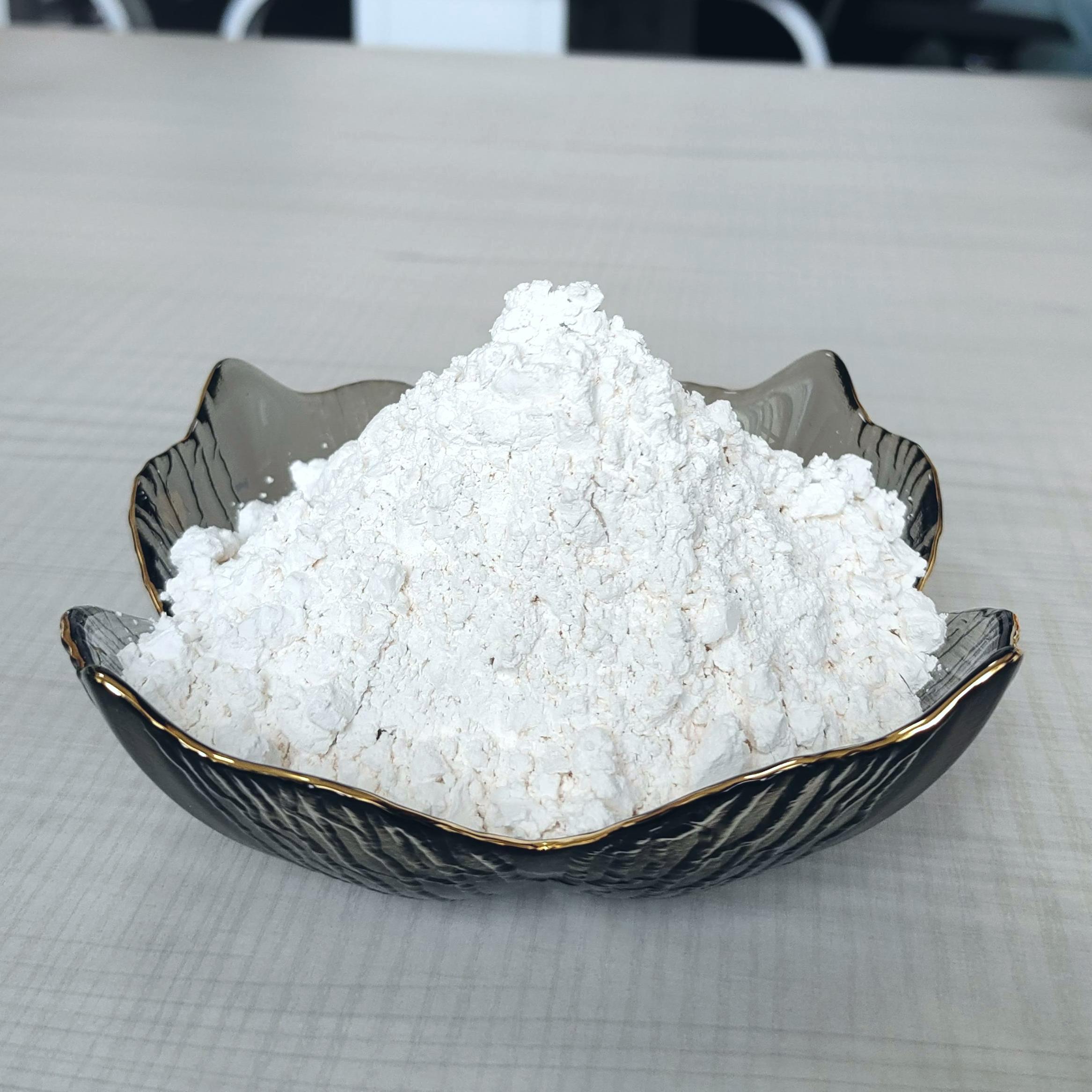
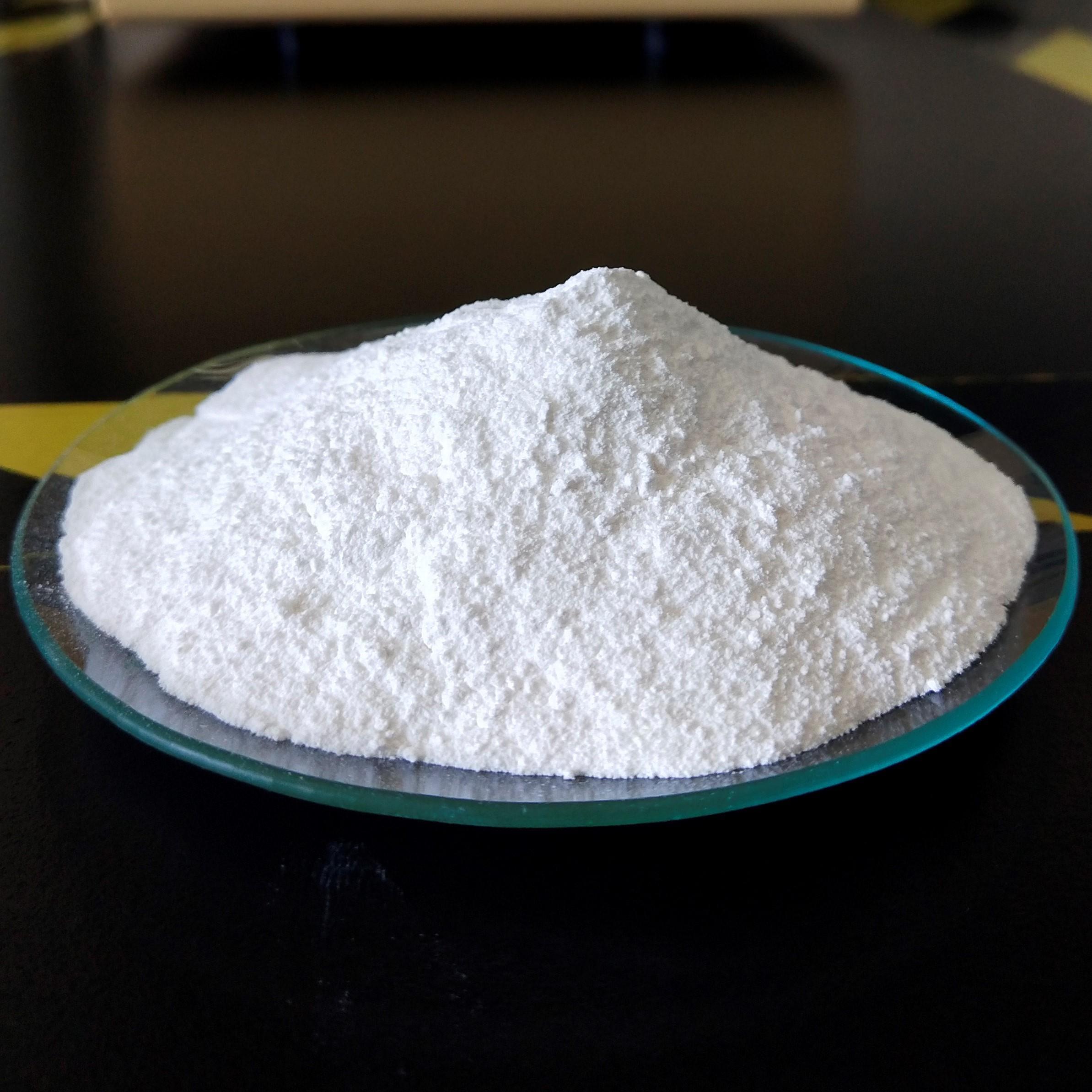
food-grade calcium carbonate

Get in Touch with Us Today

EZ Chemical is one of the best suppliers of calcium carbonate series products in China.
CONTACT US
E-mail: kevin_song@ezchemical.cn
ADD:Room 2008, Building 8, Jinse Yangguang, Xin'an East Road, Xin'anjiang Street, Jiande City, Zhejiang Province, China.