30
2026
-
03
How Nanoscale Calcium Carbonate is Transforming the Chemical Industry
How Nanoscale Calcium Carbonate is Transforming the Chemical Industry Table of Contents 1. Introduction to Nanoscale Calcium Carbonate 2. What is Nanoscale Calcium Carbonate? 3. Unique Properties of Nanoscale Calcium Carbonate 4. Applications of Nanoscale Calcium Carbonate in the Chemical Industry 5. Advantages of Using Nanoscale Calcium Carbonate 6. Sustainability Aspec
How Nanoscale Calcium Carbonate is Transforming the Chemical Industry
Table of Contents
- 1. Introduction to Nanoscale Calcium Carbonate
- 2. What is Nanoscale Calcium Carbonate?
- 3. Unique Properties of Nanoscale Calcium Carbonate
- 4. Applications of Nanoscale Calcium Carbonate in the Chemical Industry
- 5. Advantages of Using Nanoscale Calcium Carbonate
- 6. Sustainability Aspect of Nanoscale Calcium Carbonate
- 7. Future Trends in Nanoscale Calcium Carbonate Development
- 8. FAQs Regarding Nanoscale Calcium Carbonate
- 9. Conclusion
1. Introduction to Nanoscale Calcium Carbonate
In recent years, the chemical industry has experienced a significant transformation, largely driven by advancements in materials science. One such innovation that has garnered attention is **nanoscale calcium carbonate (CaCO3)**. As a versatile nanomaterial, nanoscale calcium carbonate is proving to be an essential component in various industrial applications, improving product quality and performance. This article explores how nanoscale calcium carbonate is revolutionizing the chemical sector, examining its unique properties, applications, and advantages.
2. What is Nanoscale Calcium Carbonate?
Nanoscale calcium carbonate refers to calcium carbonate particles that are reduced to a nanometer scale, typically ranging between **1-100 nanometers** in diameter. This reduction in size leads to a significant increase in surface area-to-volume ratio, which enhances the material's reactivity and functional properties. Nanoscale calcium carbonate can be produced using various methods, including precipitation, milling, and hydrothermal processes. Its unique characteristics make it suitable for a wide range of applications in the chemical industry.
3. Unique Properties of Nanoscale Calcium Carbonate
The **unique properties of nanoscale calcium carbonate** contribute to its growing popularity in the chemical industry. Some of these properties include:
3.1 High Surface Area
Nanoscale calcium carbonate's high surface area allows for increased interaction with other compounds, improving the efficiency of reactions and enhancing product performance.
3.2 Improved Mechanical Strength
When incorporated into composite materials, nanoscale calcium carbonate can significantly enhance their mechanical strength, making them more durable and resistant to wear.
3.3 Enhanced Optical Properties
Due to its size and structure, nanoscale calcium carbonate can improve the opacity and brightness of products, particularly in paints, coatings, and plastics.
3.4 Biocompatibility
Nanoscale calcium carbonate is biocompatible, making it an excellent option for applications in pharmaceuticals and biomedicine, including drug delivery systems.
4. Applications of Nanoscale Calcium Carbonate in the Chemical Industry
Nanoscale calcium carbonate's versatility makes it applicable in various sectors within the chemical industry. Here are some notable applications:
4.1 Paints and Coatings
In the paints and coatings industry, nanoscale calcium carbonate is used as a **filler and pigment**. Its ability to enhance opacity and brightness contributes to the overall quality of the product, while also reducing production costs.
4.2 Plastics and Polymers
Nanoscale calcium carbonate is widely utilized in the production of plastics and polymers, enhancing their mechanical properties and thermal stability. It serves as a cost-effective filler that can reduce the overall weight of the final product.
4.3 Adhesives and Sealants
In adhesive formulations, nanoscale calcium carbonate improves adhesion properties and reduces shrinkage. This leads to stronger bond integrity and improved performance in various applications.
4.4 Pharmaceuticals
In the pharmaceutical industry, nanoscale calcium carbonate is used as an excipient to enhance the stability and bioavailability of drugs. Its biocompatibility makes it suitable for various formulations, including tablets and capsules.
4.5 Agriculture
Nanoscale calcium carbonate plays a role in the agricultural sector, where it is used as a soil amendment to improve soil quality and promote plant growth. Its ability to enhance nutrient availability makes it a valuable resource for sustainable agriculture.
5. Advantages of Using Nanoscale Calcium Carbonate
The adoption of nanoscale calcium carbonate offers several advantages that contribute to its growing popularity in the chemical industry:
5.1 Cost Efficiency
By enhancing product performance and reducing material usage, nanoscale calcium carbonate can lead to significant cost savings in manufacturing processes.
5.2 Versatility
Its unique properties allow nanoscale calcium carbonate to be utilized in various applications, making it a versatile choice for manufacturers across different sectors.
5.3 Enhanced Product Quality
Products formulated with nanoscale calcium carbonate often demonstrate improved quality, including better mechanical strength, opacity, and stability.
5.4 Environmentally Friendly
Nanoscale calcium carbonate is derived from natural sources, making it an eco-friendly option for various applications. Its use can promote sustainability in chemical manufacturing processes.
6. Sustainability Aspect of Nanoscale Calcium Carbonate
As industries worldwide strive for sustainability, nanoscale calcium carbonate offers a solution that aligns with environmental goals. Its natural origins, along with its potential to reduce resource consumption and waste, position it as a sustainable alternative to traditional materials.
6.1 Biodegradability
Nanoscale calcium carbonate is biodegradable, which means it can break down into harmless byproducts, minimizing environmental impact.
6.2 Reduced Carbon Footprint
Incorporating nanoscale calcium carbonate into products can reduce the carbon footprint of manufacturing processes, as less material is required to achieve desired performance levels.
6.3 Supporting Sustainable Practices in Agriculture
By improving soil quality and promoting plant growth, nanoscale calcium carbonate supports sustainable agricultural practices and contributes to food security.
7. Future Trends in Nanoscale Calcium Carbonate Development
The future of nanoscale calcium carbonate in the chemical industry appears promising, with ongoing research and development focusing on its potential applications. Key trends include:
7.1 Advanced Manufacturing Techniques
Innovations in manufacturing processes are likely to enhance the production of nanoscale calcium carbonate, improving quality and consistency.
7.2 New Applications
As research continues, new applications for nanoscale calcium carbonate are expected to emerge, further expanding its role in various industries.
7.3 Integration with Other Nanomaterials
Combining nanoscale calcium carbonate with other nanomaterials could lead to the development of advanced composite materials with superior properties.
8. FAQs Regarding Nanoscale Calcium Carbonate
8.1 What is the difference between microscale and nanoscale calcium carbonate?
Microscale calcium carbonate consists of larger particles, typically above 100 nanometers, while nanoscale calcium carbonate has particles ranging from 1 to 100 nanometers, offering enhanced properties and reactivity.
8.2 Is nanoscale calcium carbonate safe for use in food and pharmaceuticals?
Yes, nanoscale calcium carbonate is generally recognized as safe and is used as an excipient in food and pharmaceutical applications due to its biocompatibility.
8.3 How does nanoscale calcium carbonate improve the performance of paints?
It enhances opacity, brightness, and durability, allowing for cost-effective formulations that maintain high quality.
8.4 Can nanoscale calcium carbonate be used in sustainable agriculture?
Yes, it improves soil quality and nutrient availability, making it a valuable resource for promoting sustainable agricultural practices.
8.5 What are the environmental benefits of using nanoscale calcium carbonate?
Nanoscale calcium carbonate is biodegradable and can reduce the carbon footprint of manufacturing processes, contributing to sustainability efforts.
9. Conclusion
Nanoscale calcium carbonate is undeniably revolutionizing the chemical industry through its unique properties and versatile applications. Its ability to enhance product performance, reduce costs, and promote sustainability positions it as a critical material for the future. As research and development in this field continue to advance, we can expect to see even more innovative uses for nanoscale calcium carbonate, further solidifying its role as a transformative force in the industry. Embracing this material will not only improve product quality but also support sustainable practices that benefit both manufacturers and the environment.
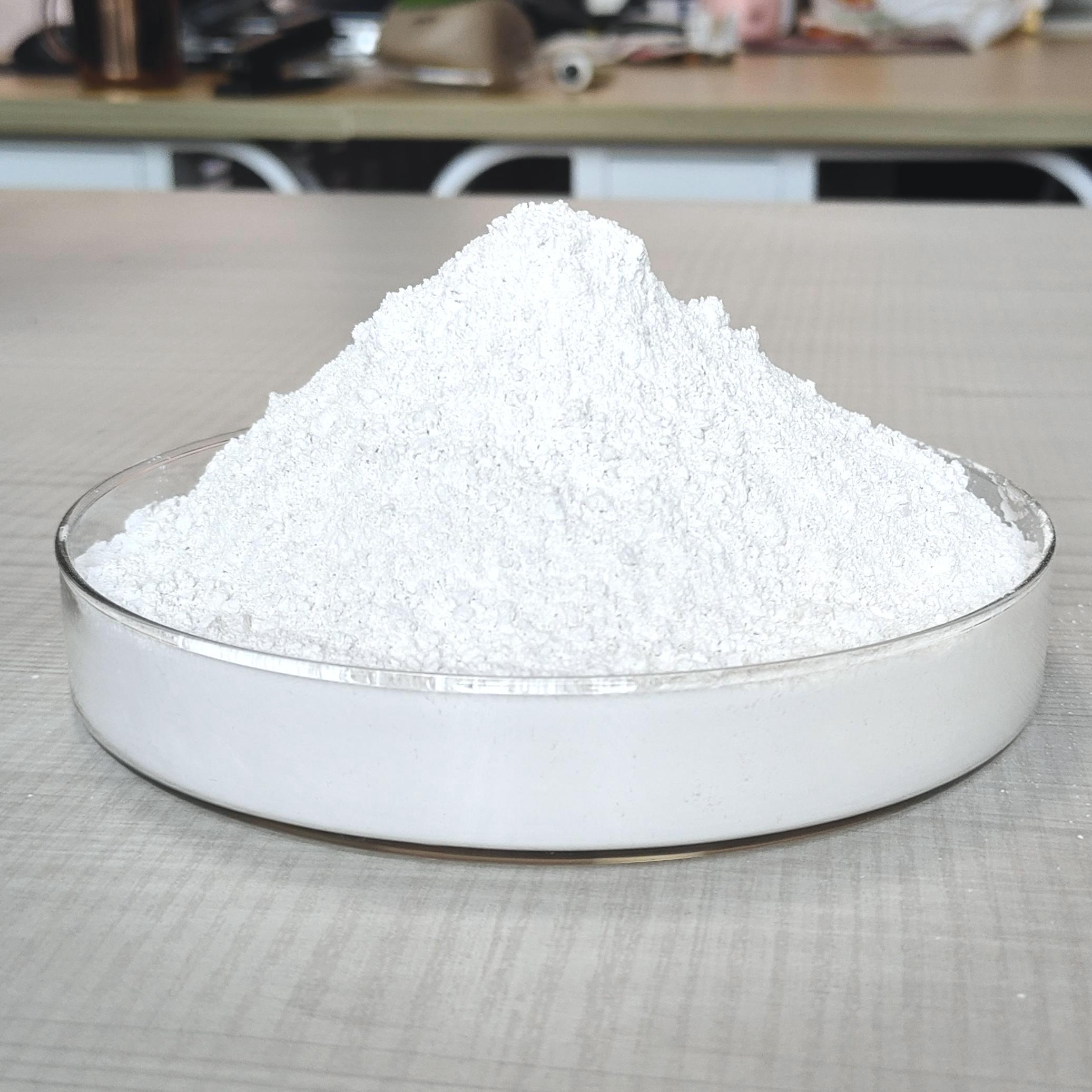
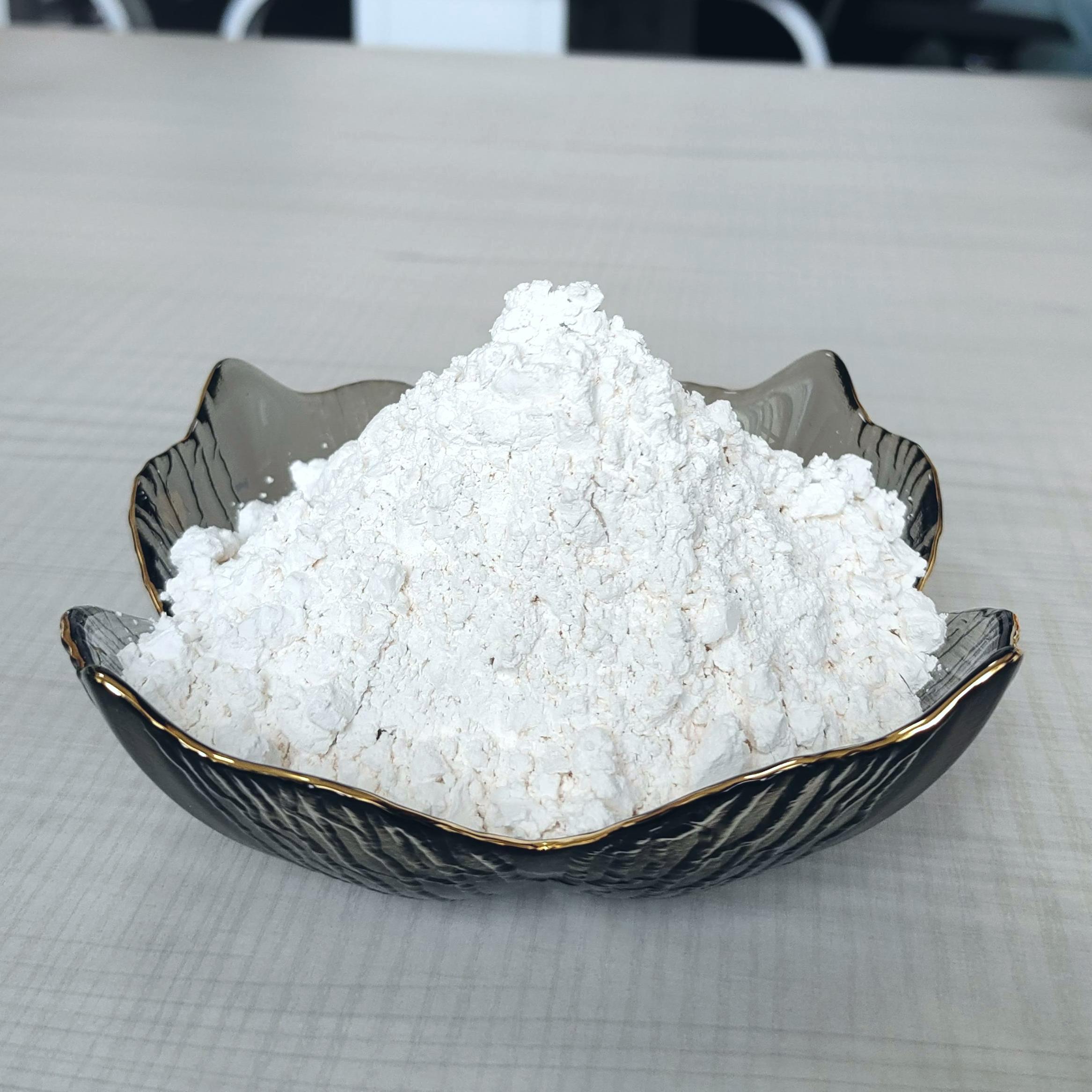
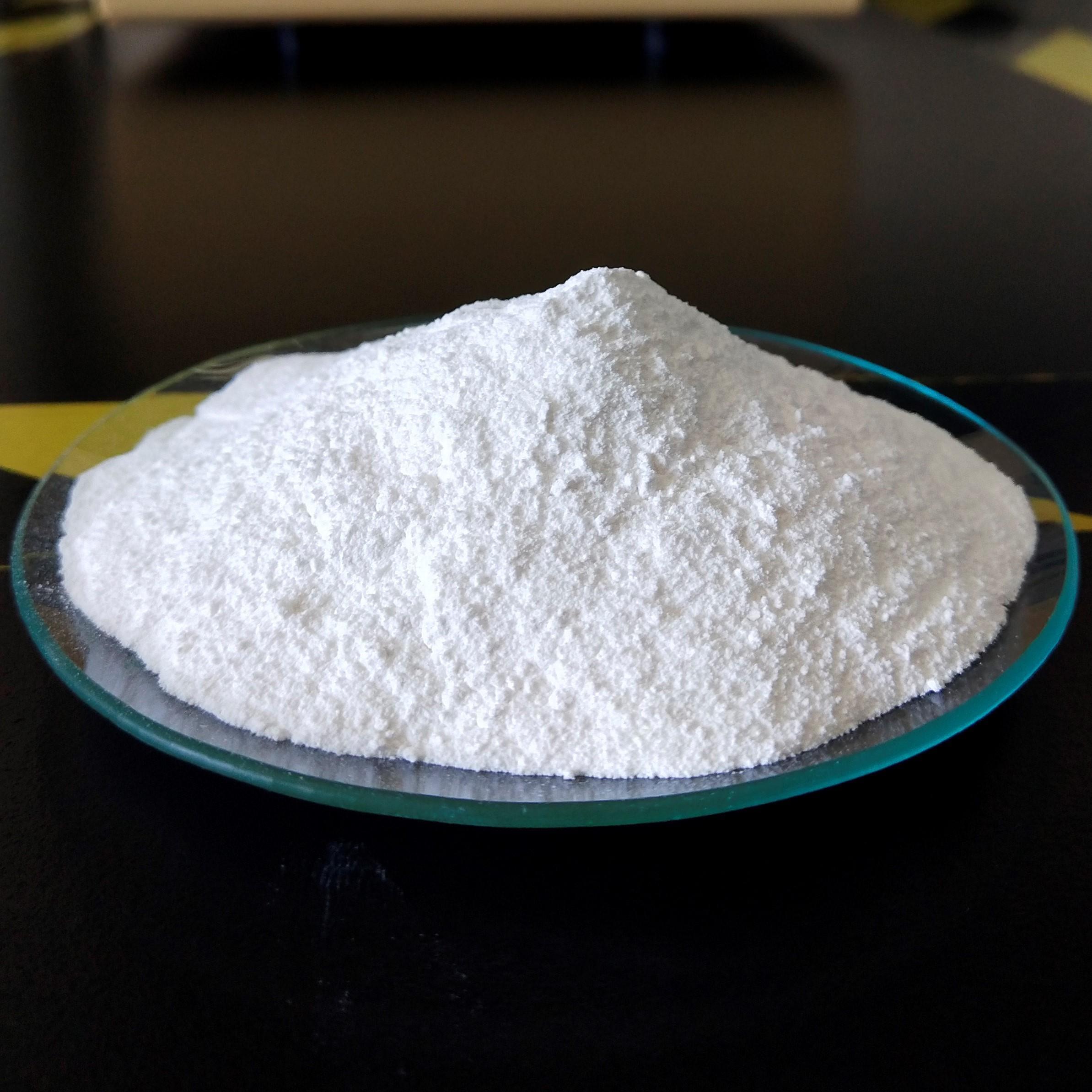
nanoscale calcium carbonate

Get in Touch with Us Today

EZ Chemical is one of the best suppliers of calcium carbonate series products in China.
CONTACT US
E-mail: kevin_song@ezchemical.cn
ADD:Room 2008, Building 8, Jinse Yangguang, Xin'an East Road, Xin'anjiang Street, Jiande City, Zhejiang Province, China.