20
2026
-
03
Exploring the Unique Properties of Nanoscale Calcium Carbonate: A Comprehensive Insight
Exploring the Unique Properties of Nanoscale Calcium Carbonate Table of Contents 1. Introduction to Nanoscale Calcium Carbonate 2. Chemical Properties of Nanoscale Calcium Carbonate 3. Physical Properties that Make Calcium Carbonate Unique 4. Synthesis Methods for Nanoscale Calcium Carbonate 5. Applications of Nanoscale Calcium Carbonate in Various Industries 6. Benefits of Using Nanosca
Exploring the Unique Properties of Nanoscale Calcium Carbonate
Table of Contents
1. Introduction to Nanoscale Calcium Carbonate
2. Chemical Properties of Nanoscale Calcium Carbonate
3. Physical Properties that Make Calcium Carbonate Unique
4. Synthesis Methods for Nanoscale Calcium Carbonate
5. Applications of Nanoscale Calcium Carbonate in Various Industries
6. Benefits of Using Nanoscale Calcium Carbonate
7. Challenges in the Use of Nanoscale Calcium Carbonate
8. Future Trends in Nanoscale Calcium Carbonate Research
9. Conclusion
10. Frequently Asked Questions
Introduction to Nanoscale Calcium Carbonate
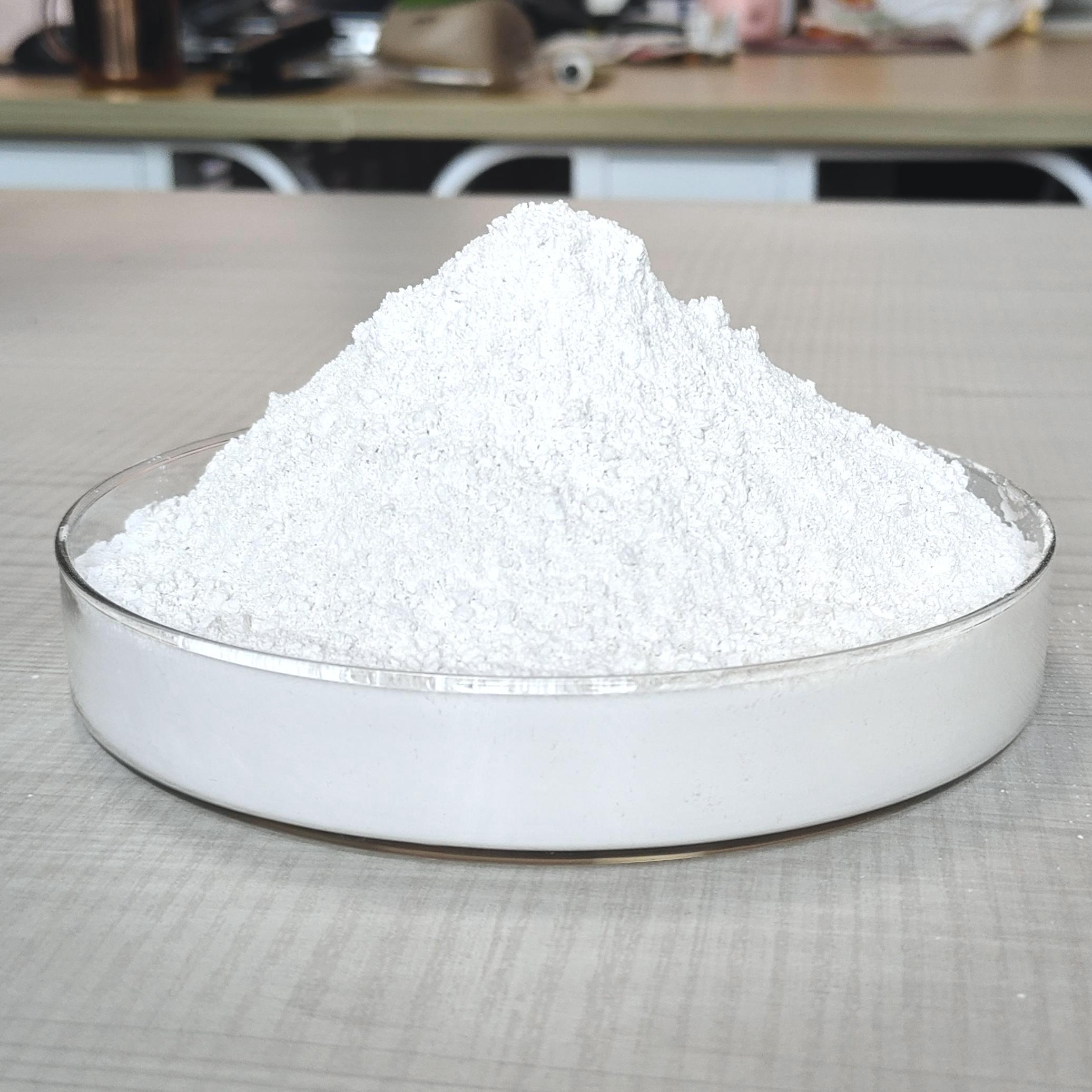
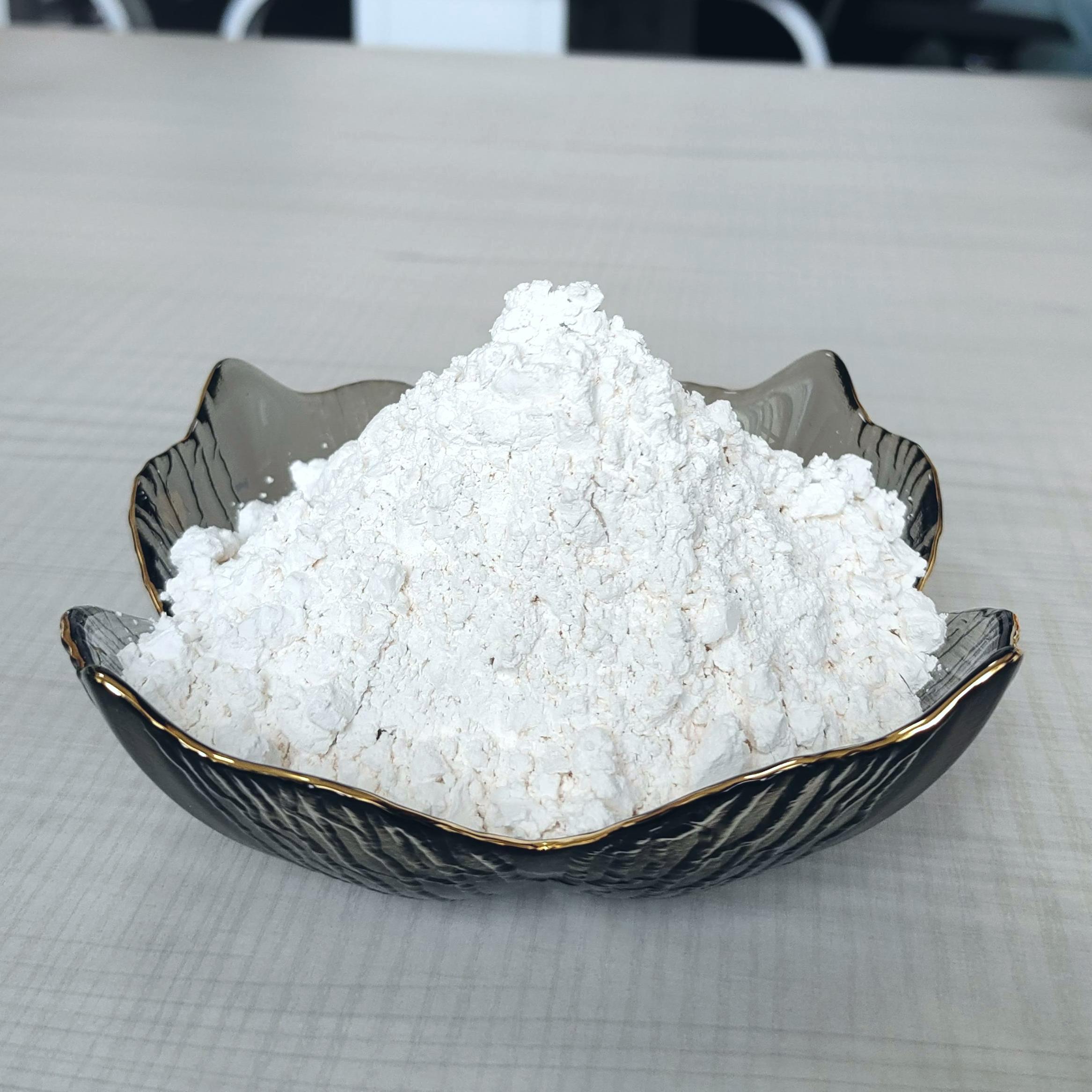
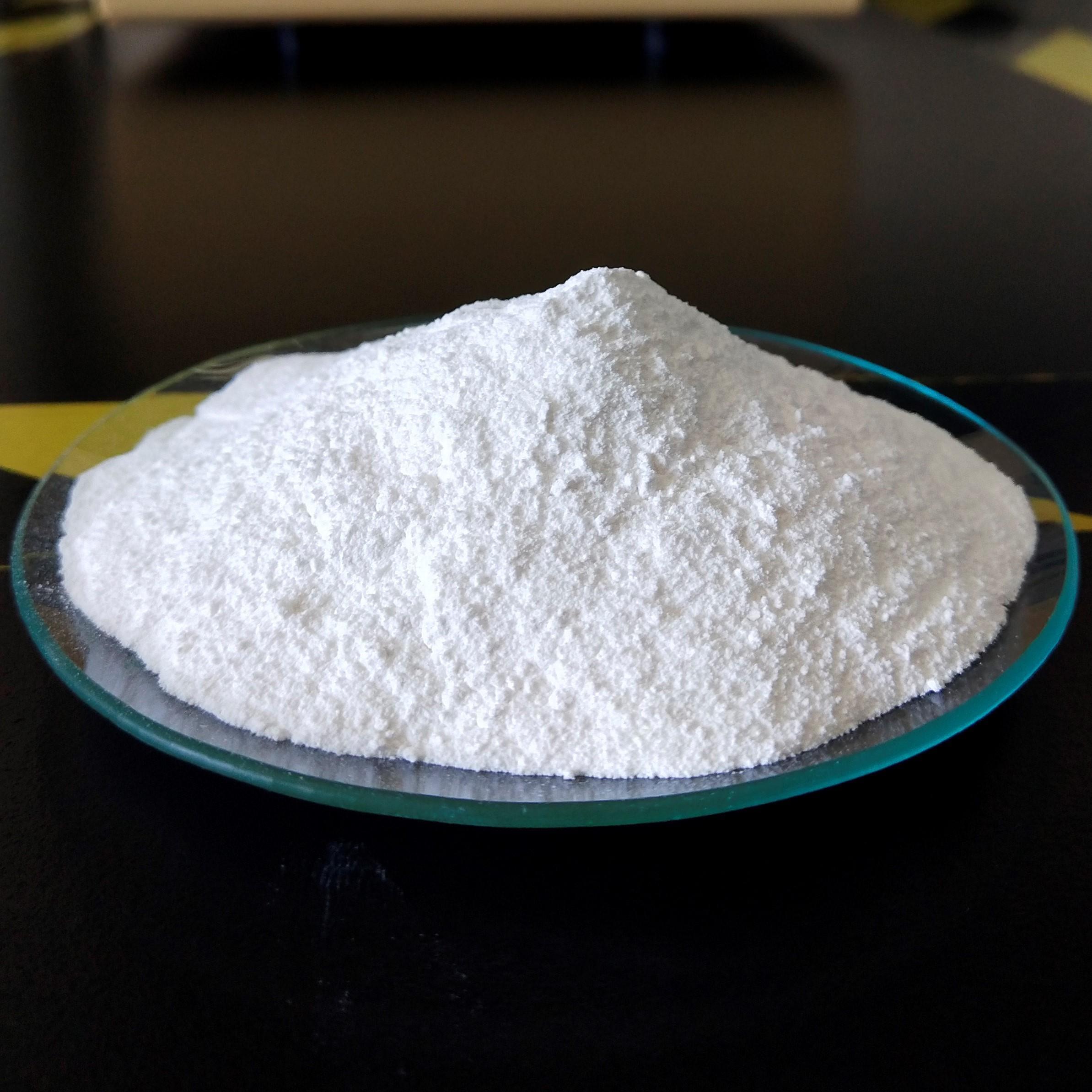
Nanoscale calcium carbonate (CaCO3) has gained significant attention in recent years due to its unique properties that make it suitable for a variety of applications across multiple industries. With its nanoscale dimensions typically ranging from 1 to 100 nanometers, this material exhibits enhanced reactivity and surface area compared to its larger counterparts. This article will delve into the unique properties, synthesis methods, and potential applications of nanoscale calcium carbonate, providing a comprehensive overview of its significance in today’s chemical landscape.
Chemical Properties of Nanoscale Calcium Carbonate
Calcium carbonate is a naturally occurring compound found in rocks, sediment, and shells of marine organisms. When synthesized at the nanoscale, its chemical properties undergo significant modifications. One prominent feature is its **increased solubility**, which allows for easier incorporation into various formulations. Moreover, the increased surface area enhances its reactivity, making it a vital ingredient in chemical reactions and processes.
Another noteworthy chemical property is the **high purity** of nanoscale calcium carbonate, which is critical for applications demanding stringent quality standards. Its ability to act as a buffering agent also makes it essential in adjusting pH levels in various formulations, including pharmaceuticals and food products.
Reactivity with Acids
Nanoscale calcium carbonate readily reacts with acids, producing carbon dioxide gas. This property is particularly useful in applications such as effervescent tablets and other innovative formulations where controlled gas release is required.
Compatibility with Other Compounds
The nanoscale form of calcium carbonate is compatible with a wide range of polymers and resins, enhancing its utility as a filler or additive in plastics and coatings. This compatibility facilitates improved mechanical and thermal properties, making it a preferred choice in manufacturing processes.
Physical Properties that Make Calcium Carbonate Unique
The physical properties of nanoscale calcium carbonate significantly contribute to its wide-ranging applications. These properties include particle size, shape, morphology, and surface characteristics.
Particle Size and Distribution
The nanoscale particle size of calcium carbonate leads to a larger specific surface area, which increases the material's effectiveness in various applications, including reinforcement in polymers and fillers in paints. The uniformity of particle size distribution enhances the homogeneity of formulations, ensuring consistent performance.
Surface Morphology
Nanoscale calcium carbonate often exhibits unique morphologies, such as aragonite or calcite structures. These morphologies can influence the material's performance in specific applications. For instance, the needle-like structures of aragonite may provide better reinforcement in composite materials compared to traditional calcite forms.
Lightweight Nature
Nanoscale calcium carbonate is lightweight, making it an ideal additive in applications where weight reduction is essential. This property is particularly beneficial in the automotive and aerospace industries, where minimizing weight can lead to improved fuel efficiency.
Synthesis Methods for Nanoscale Calcium Carbonate
Several methods can be employed for the synthesis of nanoscale calcium carbonate, each offering distinct advantages and potential applications.
Precipitation Method
The precipitation method involves the reaction of calcium salts (such as calcium chloride) with sodium carbonate in an aqueous medium. This method allows for precise control over particle size and morphology through the manipulation of reaction conditions such as pH, temperature, and concentration.
Solvothermal Synthesis
Solvothermal synthesis utilizes high temperature and pressure in a solvent to yield nanoscale calcium carbonate. This method can produce high-purity particles with controlled morphology and size, making it suitable for specific high-end applications.
Milling Techniques
Mechanical milling techniques can also reduce the size of larger calcium carbonate particles to the nanoscale. While this method is less controlled than precipitation or solvothermal synthesis, it is often more cost-effective for large-scale production.
Applications of Nanoscale Calcium Carbonate in Various Industries
The diverse properties of nanoscale calcium carbonate open up a wide array of applications across several industries, including:
Plastics and Composites
Nanoscale calcium carbonate is commonly used as a filler in plastics and composites to enhance mechanical strength, thermal stability, and reduce production costs. Its lightweight nature makes it ideal for applications in automotive and construction materials.
Coatings and Paints
In the coatings industry, nanoscale calcium carbonate acts as a pigment and filler, improving the viscosity, opacity, and texture of paints. It can also enhance the durability and weather resistance of coatings, making it suitable for outdoor applications.
Pharmaceuticals and Food Products
The pharmaceutical and food industries utilize nanoscale calcium carbonate as a buffering agent, excipient, and nutritional supplement. Its high purity and compatibility with other ingredients ensure that it meets the stringent regulations set forth by health authorities.
Cosmetics
In cosmetic formulations, nanoscale calcium carbonate serves as a thickening agent and provides a matte finish. Its unique properties help improve the texture and application of products, boosting their overall performance.
Benefits of Using Nanoscale Calcium Carbonate
The integration of nanoscale calcium carbonate into various products yields numerous benefits. These include:
Enhanced Performance
Products formulated with nanoscale calcium carbonate often exhibit improved mechanical, thermal, and barrier properties, leading to enhanced overall performance.
Cost-Effectiveness
As a filler, nanoscale calcium carbonate can reduce raw material costs while maintaining or enhancing product quality. This makes it a valuable component in competitive markets.
Environmentally Friendly
Nanoscale calcium carbonate is derived from natural sources and is non-toxic, making it an environmentally friendly choice for various applications.
Challenges in the Use of Nanoscale Calcium Carbonate
Despite its advantages, the use of nanoscale calcium carbonate does present certain challenges, including:
Stability Issues
Nanoscale materials can be prone to agglomeration, which may lead to instability in formulations. Maintaining consistent particle dispersion is crucial for optimal performance.
Regulatory Compliance
As the use of nanoscale materials becomes more prevalent, navigating the regulatory landscape can be challenging for manufacturers. Ensuring compliance with safety standards is essential for market acceptance.
Future Trends in Nanoscale Calcium Carbonate Research
The future of nanoscale calcium carbonate research holds great promise. Key trends include:
Innovative Applications
Ongoing research is likely to unveil new applications for nanoscale calcium carbonate, particularly in advanced materials and nanotechnology.
Sustainability Efforts
As industries shift towards more sustainable practices, the demand for environmentally friendly materials like nanoscale calcium carbonate is expected to grow.
Conclusion
Nanoscale calcium carbonate is a remarkable material that offers unique properties, making it invaluable across various industries. From enhancing product performance to providing cost-effective solutions, its versatility is evident. As research continues to evolve, the potential applications and benefits of nanoscale calcium carbonate are likely to expand, solidifying its place in the future of materials science.
Frequently Asked Questions
1. What are the primary uses of nanoscale calcium carbonate?
Nanoscale calcium carbonate is used in plastics, coatings, pharmaceuticals, food products, and cosmetics due to its unique properties.
2. How is nanoscale calcium carbonate synthesized?
It can be synthesized through various methods, including precipitation, solvothermal synthesis, and mechanical milling techniques.
3. What are the environmental impacts of using nanoscale calcium carbonate?
Nanoscale calcium carbonate is derived from natural sources and is non-toxic, making it an environmentally friendly material.
4. What challenges are associated with nanoscale calcium carbonate?
Challenges include stability issues due to agglomeration and navigating regulatory compliance.
5. What future trends are anticipated in nanoscale calcium carbonate research?
Future trends may include innovative applications in advanced materials and a focus on sustainability efforts.
nanoscale calcium carbonate

Get in Touch with Us Today

EZ Chemical is one of the best suppliers of calcium carbonate series products in China.
CONTACT US
E-mail: kevin_song@ezchemical.cn
ADD:Room 2008, Building 8, Jinse Yangguang, Xin'an East Road, Xin'anjiang Street, Jiande City, Zhejiang Province, China.