10
2026
-
03
Exploring the Versatility of Fine Calcium Carbonate in the Chemical Industry
Exploring the Versatility of Fine Calcium Carbonate in the Chemical Industry Table of Contents 1. Introduction to Fine Calcium Carbonate 2. Key Properties of Fine Calcium Carbonate 3. Applications of Fine Calcium Carbonate in the Chemical Industry 3.1 Role in Plastic Manufacturing 3.2 Use in Paints and Coatings 3.3 Application in Adhesives and Sealan
Exploring the Versatility of Fine Calcium Carbonate in the Chemical Industry
Table of Contents
- 1. Introduction to Fine Calcium Carbonate
- 2. Key Properties of Fine Calcium Carbonate
- 3. Applications of Fine Calcium Carbonate in the Chemical Industry
- 3.1 Role in Plastic Manufacturing
- 3.2 Use in Paints and Coatings
- 3.3 Application in Adhesives and Sealants
- 3.4 Contribution to Cosmetics and Personal Care
- 3.5 Importance in Pharmaceuticals
- 4. Environmental Benefits of Fine Calcium Carbonate
- 5. Production Methods of Fine Calcium Carbonate
- 6. Market Trends and Future Outlook
- 7. Conclusion
- 8. Frequently Asked Questions
1. Introduction to Fine Calcium Carbonate
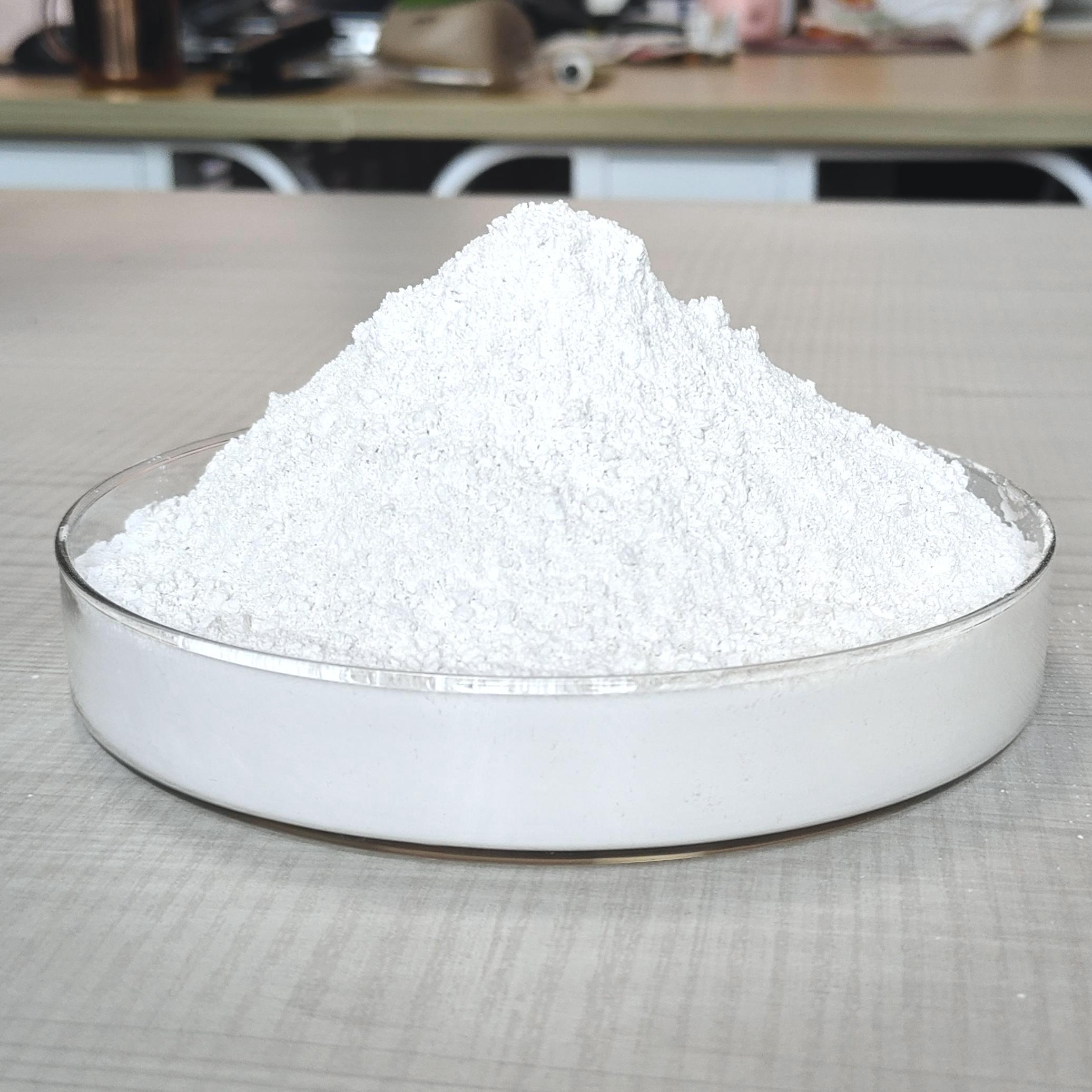
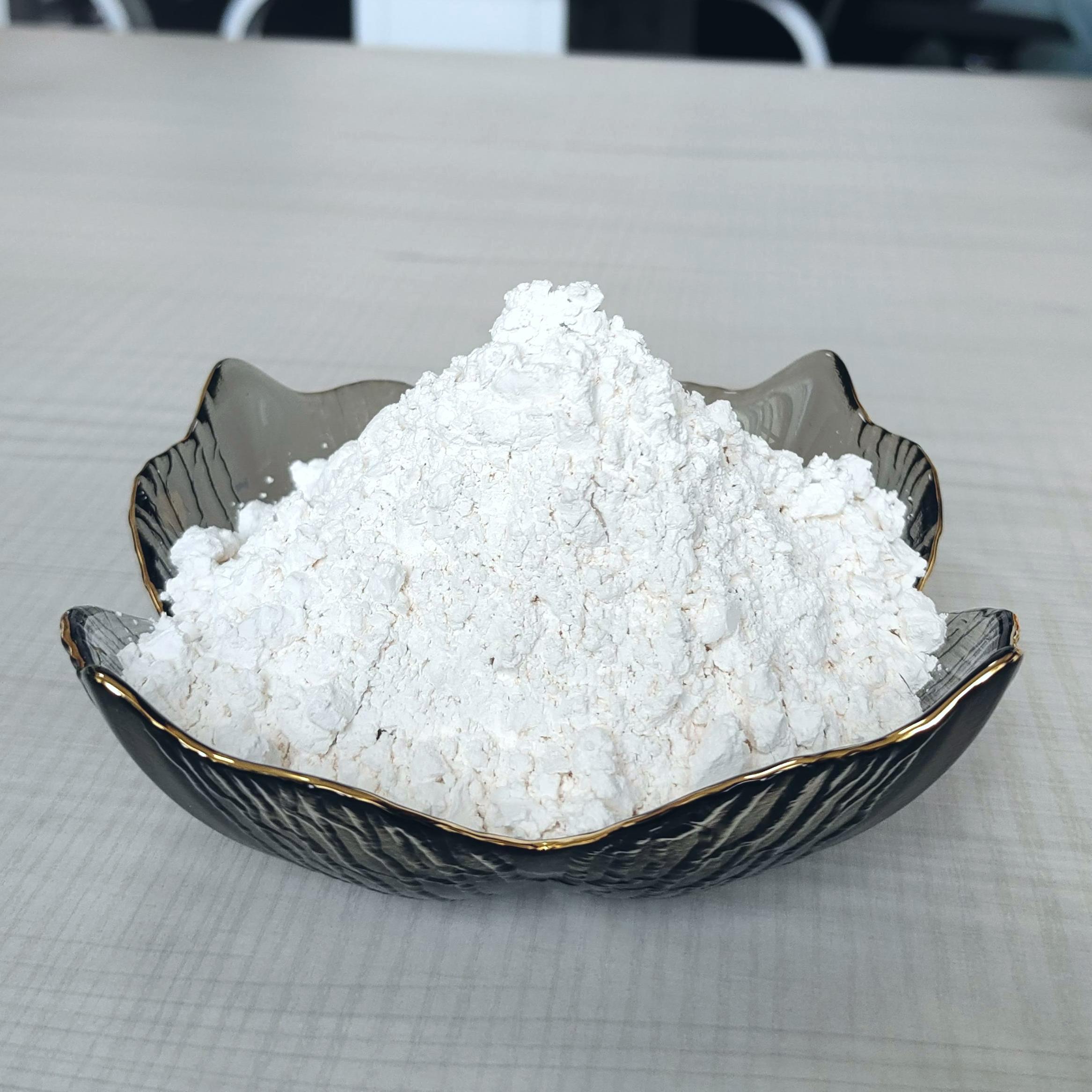
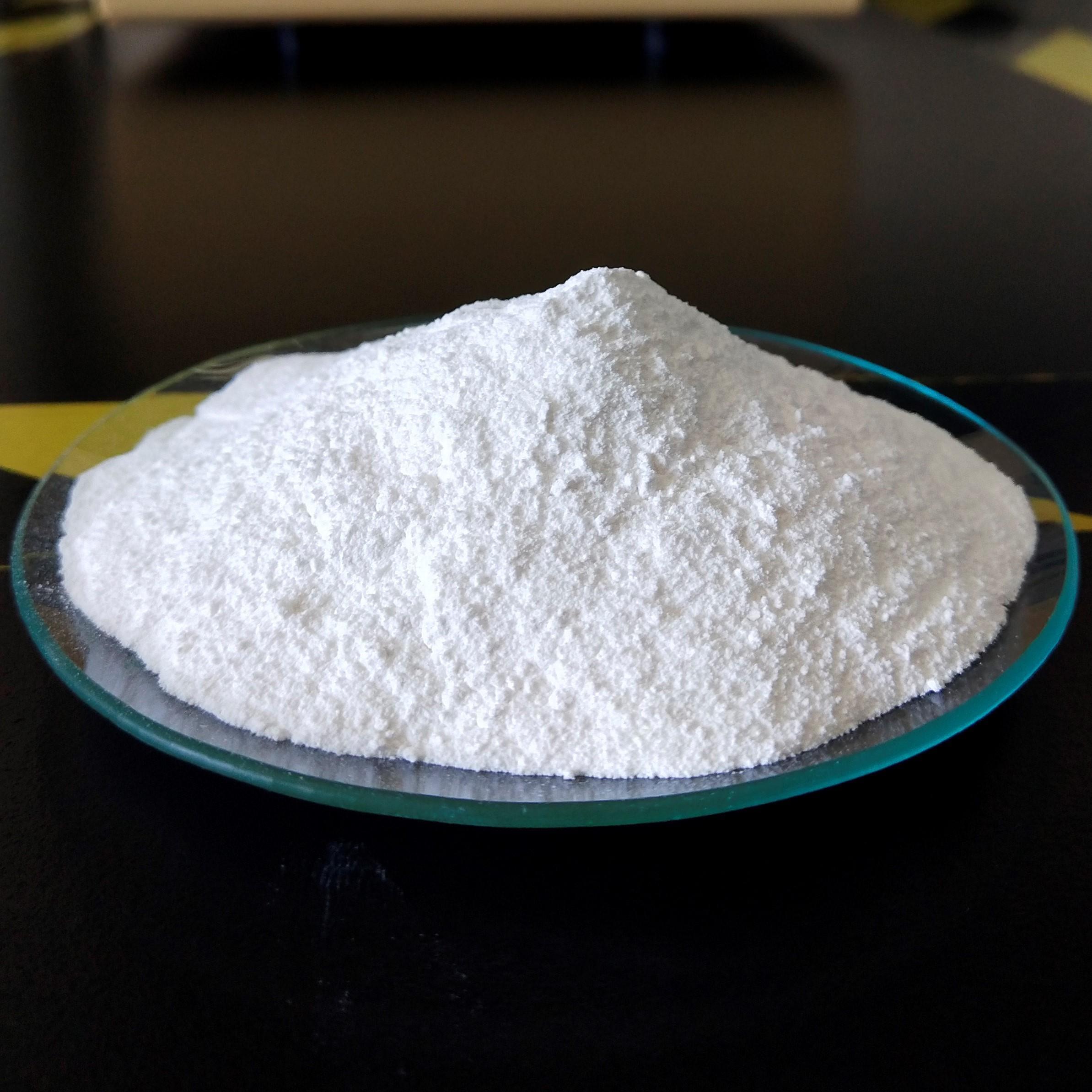
Fine calcium carbonate (CaCO3) has emerged as a crucial component in various sectors of the chemical industry. Its versatile nature enables it to serve multiple functions, from being a filler in products to acting as a chemical feedstock. As a natural mineral, fine calcium carbonate is derived from limestone, chalk, and marble, processed to achieve the desired particle size and purity levels. This adaptability makes it an indispensable resource, enhancing product functionality while reducing costs in numerous applications.
2. Key Properties of Fine Calcium Carbonate
Fine calcium carbonate possesses a unique set of properties that contribute to its widespread use. Some of these key properties include:
2.1 High Purity
Fine calcium carbonate typically exhibits high levels of purity, making it suitable for applications requiring stringent quality control, such as pharmaceuticals and food products.
2.2 Particle Size Distribution
The controlled particle size distribution of fine calcium carbonate is critical in determining its performance in various applications. Smaller particles enhance dispersion and reactivity, while larger particles provide bulk and opacity.
2.3 pH Neutrality
As a naturally occurring compound, fine calcium carbonate is pH neutral, allowing it to be used safely in sensitive environments like food and cosmetics.
2.4 Cost-Effectiveness
Fine calcium carbonate is an economical alternative to more expensive raw materials, making it an attractive choice for manufacturers looking to reduce costs without compromising quality.
2.5 Non-Toxicity
Non-toxic and environmentally friendly, fine calcium carbonate is safe for use in consumer products, ensuring compliance with health regulations.
3. Applications of Fine Calcium Carbonate in the Chemical Industry
Fine calcium carbonate's versatility allows it to be utilized across multiple industries. Here are some of the significant applications in the chemical sector:
3.1 Role in Plastic Manufacturing
Fine calcium carbonate is extensively used in plastic manufacturing as a filler and reinforcing agent. Its inclusion improves the mechanical properties of plastics, enhances dimensional stability, and reduces production costs. In applications such as polyethylene and polypropylene, fine calcium carbonate can replace more expensive additives, providing significant savings for producers.
3.2 Use in Paints and Coatings
In the paints and coatings industry, fine calcium carbonate serves as a pigment and filler, improving the opacity, brightness, and durability of products. Its ability to enhance the texture and viscosity of paints makes it a preferred choice among manufacturers. Furthermore, fine calcium carbonate contributes to the environmental sustainability of coatings by reducing the reliance on synthetic pigments.
3.3 Application in Adhesives and Sealants
The adhesive industry also benefits from fine calcium carbonate, where it functions as a filler, improving adhesion properties and providing thixotropic behavior. It enhances the performance of adhesives in construction, automotive, and consumer products by improving their flow and application characteristics.
3.4 Contribution to Cosmetics and Personal Care
In cosmetics and personal care products, fine calcium carbonate acts as a gentle abrasive and a bulking agent. It is commonly found in products like toothpaste, skincare creams, and makeup formulations, where it enhances texture and provides a smooth application.
3.5 Importance in Pharmaceuticals
Fine calcium carbonate plays a crucial role in the pharmaceutical industry. It is used as an active ingredient in antacids and as a filler in tablet formulations. Its non-toxic nature and high purity levels make it ideal for use in various medicinal applications.
4. Environmental Benefits of Fine Calcium Carbonate
Fine calcium carbonate also offers several environmental benefits, making it a favorable choice in sustainable manufacturing processes. Some of these benefits include:
4.1 Carbon Dioxide Sequestration
As a naturally occurring mineral, fine calcium carbonate helps mitigate carbon dioxide emissions through sequestration processes. It can be used in carbon capture technologies, contributing to climate change mitigation strategies.
4.2 Biodegradability
Fine calcium carbonate is biodegradable, posing minimal risk to the environment compared to synthetic alternatives. Its use in various products reduces the overall environmental footprint of manufacturing processes.
4.3 Resource Efficiency
By utilizing fine calcium carbonate as a filler, manufacturers can optimize resource efficiency, minimizing the need for more complex and harmful materials while promoting sustainability in production.
5. Production Methods of Fine Calcium Carbonate
The production of fine calcium carbonate involves several methods to achieve the desired particle size and quality:
5.1 Mechanical Milling
Mechanical milling is a common method that involves the grinding of limestone or marble to produce fine calcium carbonate. This process is adjustable, allowing manufacturers to control particle size and distribution effectively.
5.2 Precipitated Calcium Carbonate (PCC) Production
PCC production is another method commonly employed, utilizing a chemical reaction between calcium hydroxide and carbon dioxide. This process yields high-purity calcium carbonate, ideal for applications requiring stringent quality standards.
5.3 Surface Modification
Surface modification techniques enhance the properties of fine calcium carbonate, improving its compatibility with polymers and other materials. This process involves coating calcium carbonate particles with various agents to improve dispersion and performance.
6. Market Trends and Future Outlook
The fine calcium carbonate market is witnessing significant growth, driven by the increasing demand in various industries. Key trends shaping the market include:
6.1 Growing Demand for Eco-Friendly Products
As industries shift towards sustainable practices, the demand for eco-friendly materials like fine calcium carbonate is surging. Manufacturers are increasingly seeking natural and biodegradable alternatives to synthetic materials, positioning fine calcium carbonate as a preferred choice.
6.2 Technological Advancements
Innovations in production methods are enhancing the quality and functionality of fine calcium carbonate. Advancements in milling and surface treatment technologies are poised to further expand its applications in the chemical industry.
6.3 Expansion in Emerging Markets
Emerging markets, particularly in Asia-Pacific and Latin America, are experiencing rapid growth in the chemical sector. This trend presents significant opportunities for fine calcium carbonate manufacturers to expand their presence in these regions.
7. Conclusion
In conclusion, fine calcium carbonate's versatility and wide-ranging applications make it an essential component in the chemical industry. From enhancing product performance to contributing to sustainable manufacturing practices, its importance cannot be overstated. As industries continue to innovate and evolve, fine calcium carbonate will undoubtedly play a crucial role in shaping the future of chemical manufacturing. Manufacturers and consumers alike should recognize and leverage the benefits of this remarkable mineral to foster a more sustainable and efficient chemical industry.
8. Frequently Asked Questions
8.1 What is fine calcium carbonate used for?
Fine calcium carbonate is used in various applications, including plastics, paints, adhesives, cosmetics, and pharmaceuticals.
8.2 Is fine calcium carbonate safe for use in food products?
Yes, fine calcium carbonate is non-toxic and widely used in food applications as a calcium supplement and anti-caking agent.
8.3 How is fine calcium carbonate produced?
Fine calcium carbonate can be produced through mechanical milling of limestone or marble and through precipitated calcium carbonate (PCC) processes.
8.4 What are the environmental benefits of using fine calcium carbonate?
Fine calcium carbonate helps in carbon dioxide sequestration, is biodegradable, and promotes resource efficiency in manufacturing processes.
8.5 What are the market trends for fine calcium carbonate?
Key market trends include the growing demand for eco-friendly products, technological advancements in production, and expansion in emerging markets.
fine calcium carbonate

Get in Touch with Us Today

EZ Chemical is one of the best suppliers of calcium carbonate series products in China.
CONTACT US
E-mail: kevin_song@ezchemical.cn
ADD:Room 2008, Building 8, Jinse Yangguang, Xin'an East Road, Xin'anjiang Street, Jiande City, Zhejiang Province, China.