28
2026
-
02
Why Fine Calcium Carbonate is Essential for Your Manufacturing Needs
Why Fine Calcium Carbonate is Essential for Your Manufacturing Needs Manufacturing processes are continually evolving, and with these changes come the need for high-quality materials that enhance production efficiency and product quality. Among these materials, **fine calcium carbonate** stands out as an indispensable component in various industries. This article delves into the significance of fi
Why Fine Calcium Carbonate is Essential for Your Manufacturing Needs
Manufacturing processes are continually evolving, and with these changes come the need for high-quality materials that enhance production efficiency and product quality. Among these materials, **fine calcium carbonate** stands out as an indispensable component in various industries. This article delves into the significance of fine calcium carbonate, highlighting its applications, benefits, and why it should be a staple in your manufacturing toolkit.
The Fundamentals of Fine Calcium Carbonate
Fine calcium carbonate (CaCO3) is a naturally occurring mineral that is extensively used in various industrial applications. Processed into a fine powder, it offers unique properties that make it ideal for use in manufacturing.
What is Fine Calcium Carbonate?
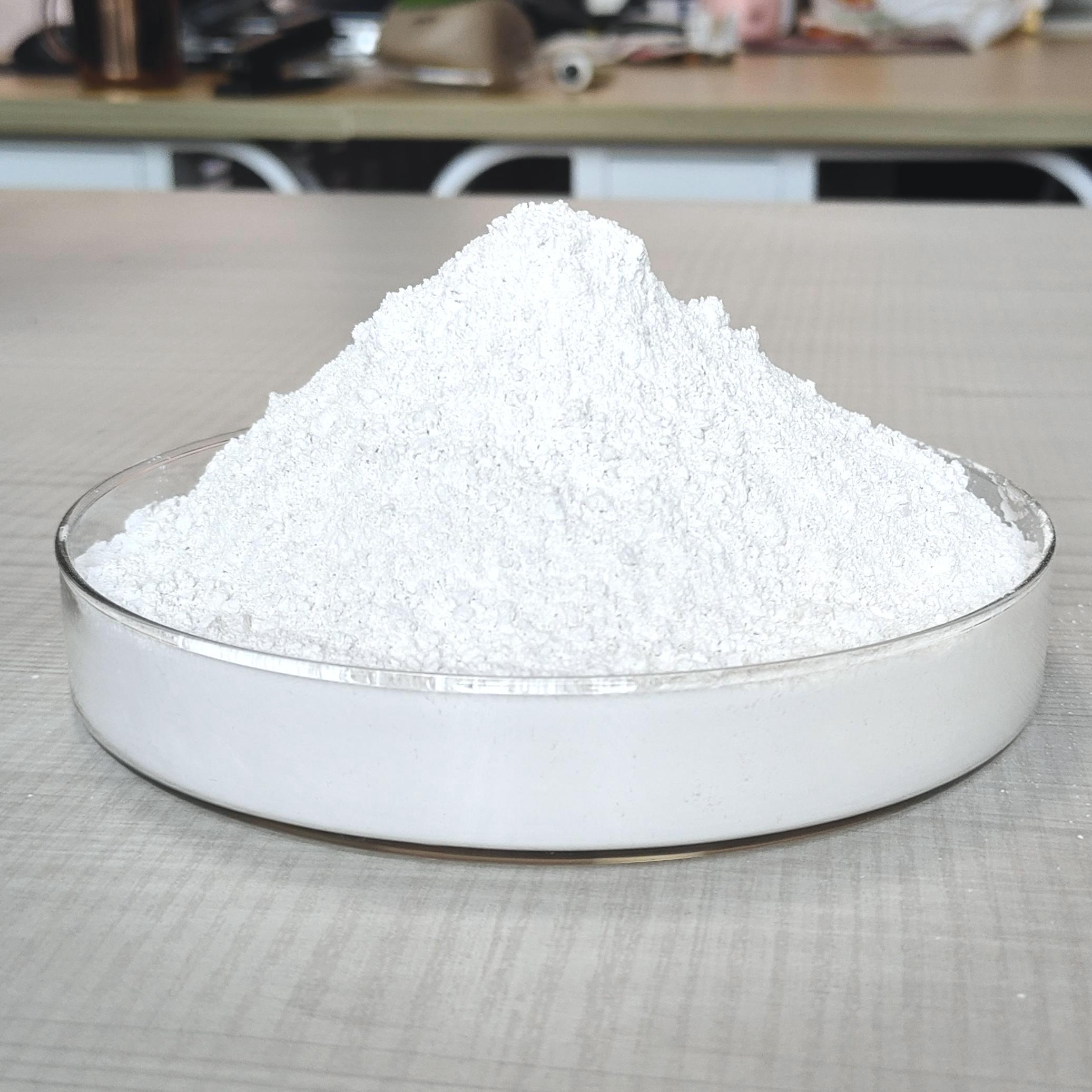
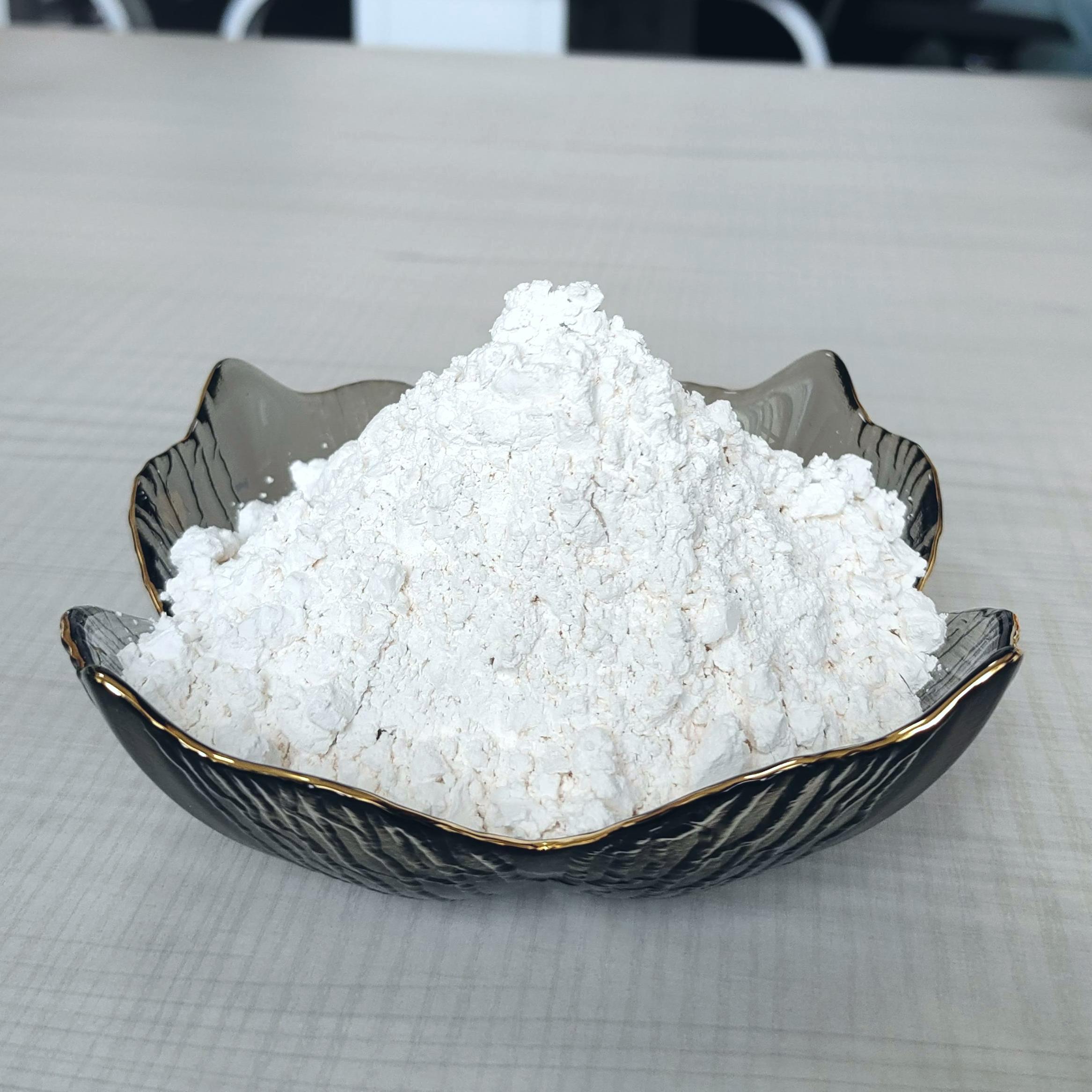
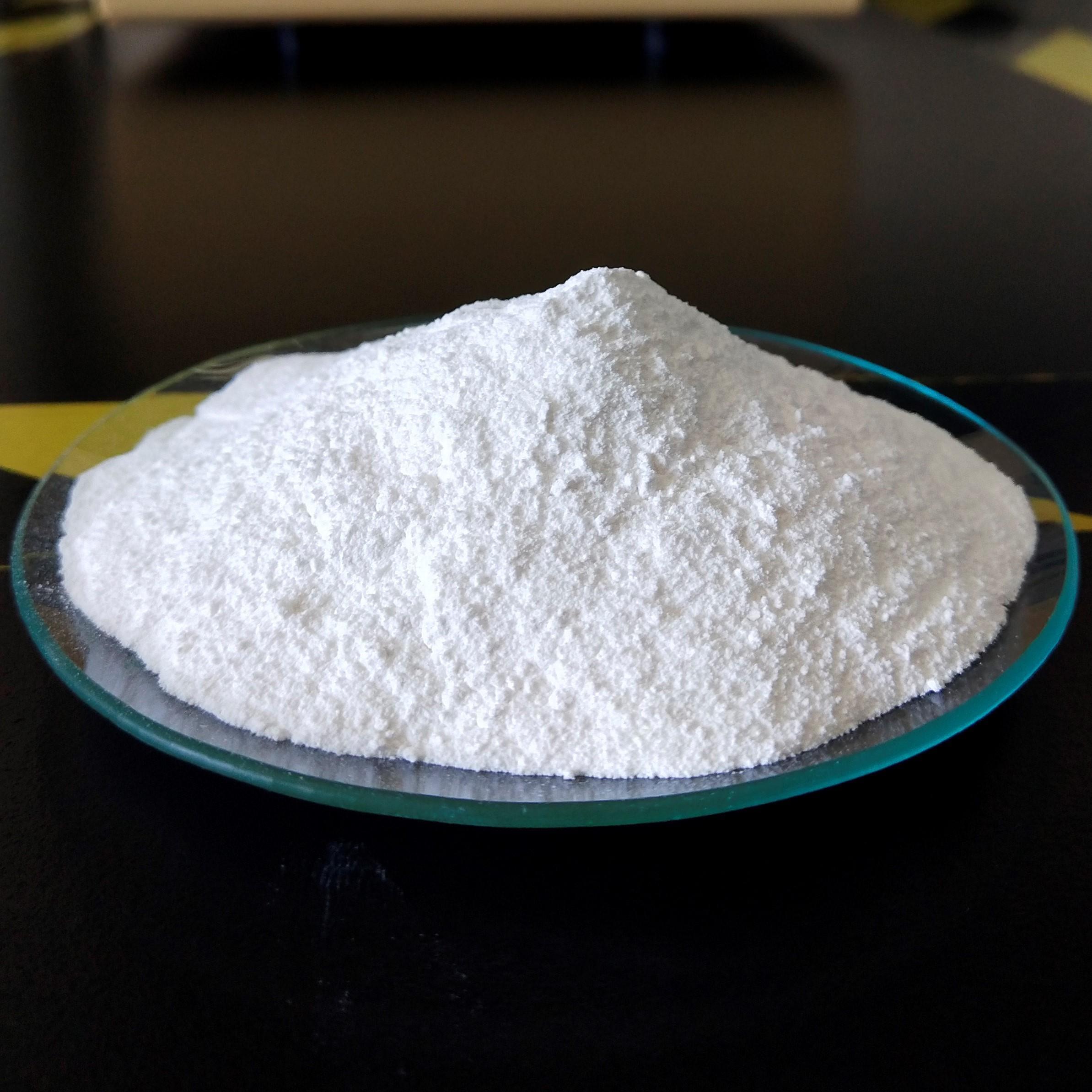
Fine calcium carbonate is a white, odorless powder that is produced by grinding and precipitating limestone. Its purity and particle size can vary, impacting its functionality in manufacturing processes. The fineness of the powder significantly enhances its performance in applications such as plastics, paints, and coatings.
Types of Fine Calcium Carbonate
1. **Ground Calcium Carbonate (GCC)**: Produced by mechanically grinding limestone, GCC has a larger particle size and is suitable for applications that require significant bulk density.
2. **Precipitated Calcium Carbonate (PCC)**: Created through a chemical process, PCC features a finer particle size and higher purity, making it ideal for specialized applications such as pharmaceuticals and food processing.
Applications of Fine Calcium Carbonate in Manufacturing
Fine calcium carbonate is a versatile ingredient with numerous applications across various industries. Below are some of the primary sectors that benefit from its use.
1. Plastics Industry
Fine calcium carbonate is widely used as a filler in plastic manufacturing. It enhances the mechanical properties of plastics, improves their rigidity, and reduces production costs. By incorporating fine calcium carbonate, manufacturers can achieve the desired balance of performance and affordability.
2. Paints and Coatings
In the paints and coatings industry, fine calcium carbonate serves as a vital pigment and filler. It enhances the opacity, brightness, and durability of coatings, leading to improved aesthetics and performance. Additionally, it helps in reducing the viscosity of paint formulations, making them easier to apply.
3. Paper Industry
In paper manufacturing, fine calcium carbonate acts as a filler and coating pigment. It enhances the brightness and smoothness of the paper, resulting in superior print quality. Its use also contributes to cost savings by reducing the amount of more expensive raw materials needed.
4. Construction Materials
Fine calcium carbonate plays a crucial role in the construction industry. It is used in the production of concrete, cement, and asphalt, where it improves workability and durability. The inclusion of fine calcium carbonate also aids in reducing shrinkage and cracking in concrete structures.
5. Food and Pharmaceuticals
In food and pharmaceutical applications, the purity of fine calcium carbonate is paramount. It is used as an antacid and a calcium supplement, ensuring that products meet stringent safety regulations. Its inert nature makes it an ideal ingredient for various formulations, from dietary supplements to food additives.
Benefits of Using Fine Calcium Carbonate in Manufacturing
The incorporation of fine calcium carbonate into manufacturing processes offers several key benefits, making it an essential material for businesses looking to enhance their products and operations.
1. Cost-Effectiveness
Fine calcium carbonate is a cost-effective material that can significantly reduce production costs. By substituting more expensive fillers and additives with fine calcium carbonate, manufacturers can lower their overall expenses while maintaining product quality.
2. Enhanced Product Quality
Using fine calcium carbonate improves the quality of end products. It enhances brightness, opacity, and strength, leading to superior performance and satisfaction among consumers. Consistent quality ensures that products meet industry standards and customer expectations.
3. Environmentally Friendly
Fine calcium carbonate is a naturally occurring mineral, making it an environmentally friendly choice for manufacturers. Its use can contribute to sustainable practices, particularly in industries focused on reducing their environmental impact.
4. Versatility Across Applications
The versatility of fine calcium carbonate allows it to be used in a wide range of applications. Its ability to function as both a filler and a pigment makes it suitable for various industries, from construction to food processing.
5. Improved Processing Characteristics
Fine calcium carbonate enhances the processing characteristics of materials, making them easier to handle and work with. This improves manufacturing efficiency and can lead to quicker production times, benefiting overall workflow.
Choosing the Right Fine Calcium Carbonate Supplier
Selecting a reliable supplier of fine calcium carbonate is crucial for ensuring the quality and consistency of your products. Here are some factors to consider when choosing a supplier:
1. Quality Assurance
Ensure that the supplier adheres to strict quality control measures. Look for certifications and testing procedures that guarantee the purity and consistency of fine calcium carbonate.
2. Range of Products
A good supplier should offer a variety of fine calcium carbonate products with different particle sizes and purity levels. This ensures that you can find the right product for your specific manufacturing needs.
3. Technical Support
Choose a supplier that provides technical support and guidance. This can be invaluable in helping you select the appropriate grade of fine calcium carbonate for your applications.
4. Pricing and Availability
Compare pricing among suppliers, but also consider availability. A reliable supplier should be able to meet your demand consistently without delays.
5. Customer Reviews and Reputation
Research customer reviews and the reputation of potential suppliers. Positive feedback from other manufacturers can give you confidence in your choice.
FAQs About Fine Calcium Carbonate
1. What is the difference between GCC and PCC?
GCC (Ground Calcium Carbonate) is produced by mechanically grinding limestone, while PCC (Precipitated Calcium Carbonate) is created through a chemical process. PCC has a finer particle size and higher purity than GCC, making it suitable for specialized applications.
2. How does fine calcium carbonate improve product quality?
Fine calcium carbonate enhances product quality by improving opacity, brightness, and mechanical properties. In paints, it provides better coverage; in plastics, it enhances rigidity and performance.
3. Is fine calcium carbonate safe for food and pharmaceutical use?
Yes, fine calcium carbonate is safe for food and pharmaceutical applications when produced according to industry standards. It is commonly used as an antacid and a calcium supplement.
4. Can fine calcium carbonate help reduce production costs?
Absolutely. By using fine calcium carbonate as a filler or substitute for more expensive materials, manufacturers can lower their overall production costs without sacrificing product quality.
5. How do I choose the right grade of fine calcium carbonate for my application?
Selecting the right grade depends on your specific application requirements. Consider factors such as particle size, purity, and desired properties, and consult with your supplier for guidance.
Conclusion
Fine calcium carbonate is a vital material that plays a crucial role in the manufacturing landscape across various industries. Its versatility, cost-effectiveness, and ability to enhance product quality make it an essential component for businesses looking to optimize their production processes. By understanding its applications and benefits, and by choosing the right supplier, manufacturers can harness the full potential of fine calcium carbonate to meet their operational needs and exceed customer expectations. Embracing this invaluable resource will undoubtedly lead to improved manufacturing outcomes and sustained business success.
fine calcium carbonate

Get in Touch with Us Today

EZ Chemical is one of the best suppliers of calcium carbonate series products in China.
CONTACT US
E-mail: kevin_song@ezchemical.cn
ADD:Room 2008, Building 8, Jinse Yangguang, Xin'an East Road, Xin'anjiang Street, Jiande City, Zhejiang Province, China.