18
2026
-
02
Unlocking the Benefits of Fine Calcium Carbonate in Industrial Applications
Unlocking the Benefits of Fine Calcium Carbonate in Industrial Applications Table of Contents 1. Introduction to Fine Calcium Carbonate 2. Understanding Fine Calcium Carbonate 2.1 What is Fine Calcium Carbonate? 2.2 Production and Sourcing of Fine Calcium Carbonate 3. Industrial Applications of Fine Calcium Carbonate 3.1 Role in Paints and Coatings 3.2 Importance in Plastics and Polymers 3.3 Contr
Unlocking the Benefits of Fine Calcium Carbonate in Industrial Applications
Table of Contents
1. Introduction to Fine Calcium Carbonate
2. Understanding Fine Calcium Carbonate
2.1 What is Fine Calcium Carbonate?
2.2 Production and Sourcing of Fine Calcium Carbonate
3. Industrial Applications of Fine Calcium Carbonate
3.1 Role in Paints and Coatings
3.2 Importance in Plastics and Polymers
3.3 Contribution to the Paper Industry
3.4 Utilization in the Construction Sector
4. Advantages of Using Fine Calcium Carbonate
4.1 Enhanced Material Properties
4.2 Cost-Effectiveness and Efficiency
4.3 Environmental Benefits and Sustainability
5. Future Trends in Fine Calcium Carbonate Applications
6. Common FAQs about Fine Calcium Carbonate
7. Conclusion
1. Introduction to Fine Calcium Carbonate
Fine calcium carbonate (FCC) has emerged as a vital component across various industrial applications due to its unique properties and versatility. From improving product quality to enhancing manufacturing processes, FCC serves as a cornerstone for many sectors. As industries increasingly focus on sustainability and efficiency, the demand for fine calcium carbonate continues to grow. This article delves into the myriad benefits of FCC, highlighting its applications and advantages in different fields.
2. Understanding Fine Calcium Carbonate
2.1 What is Fine Calcium Carbonate?
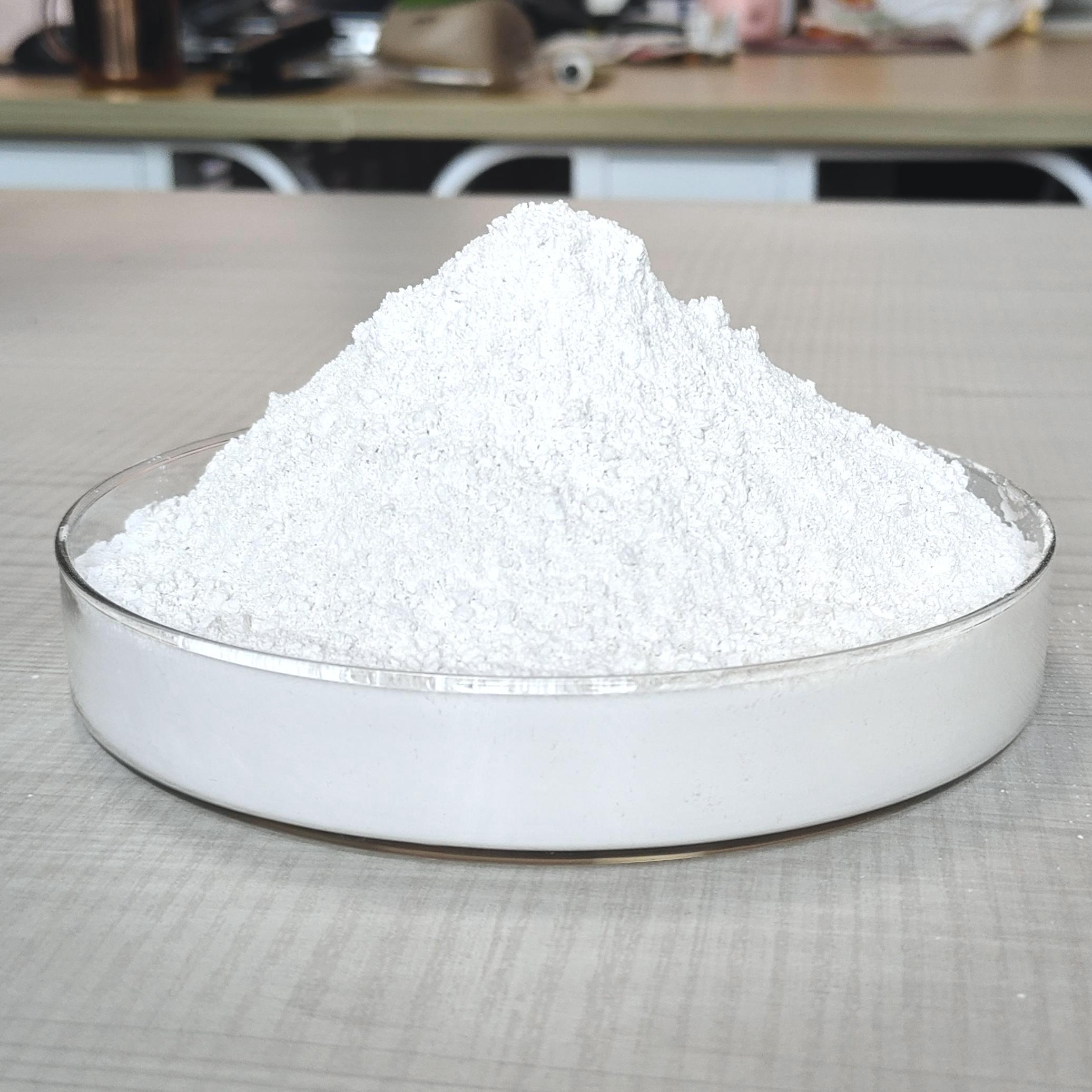
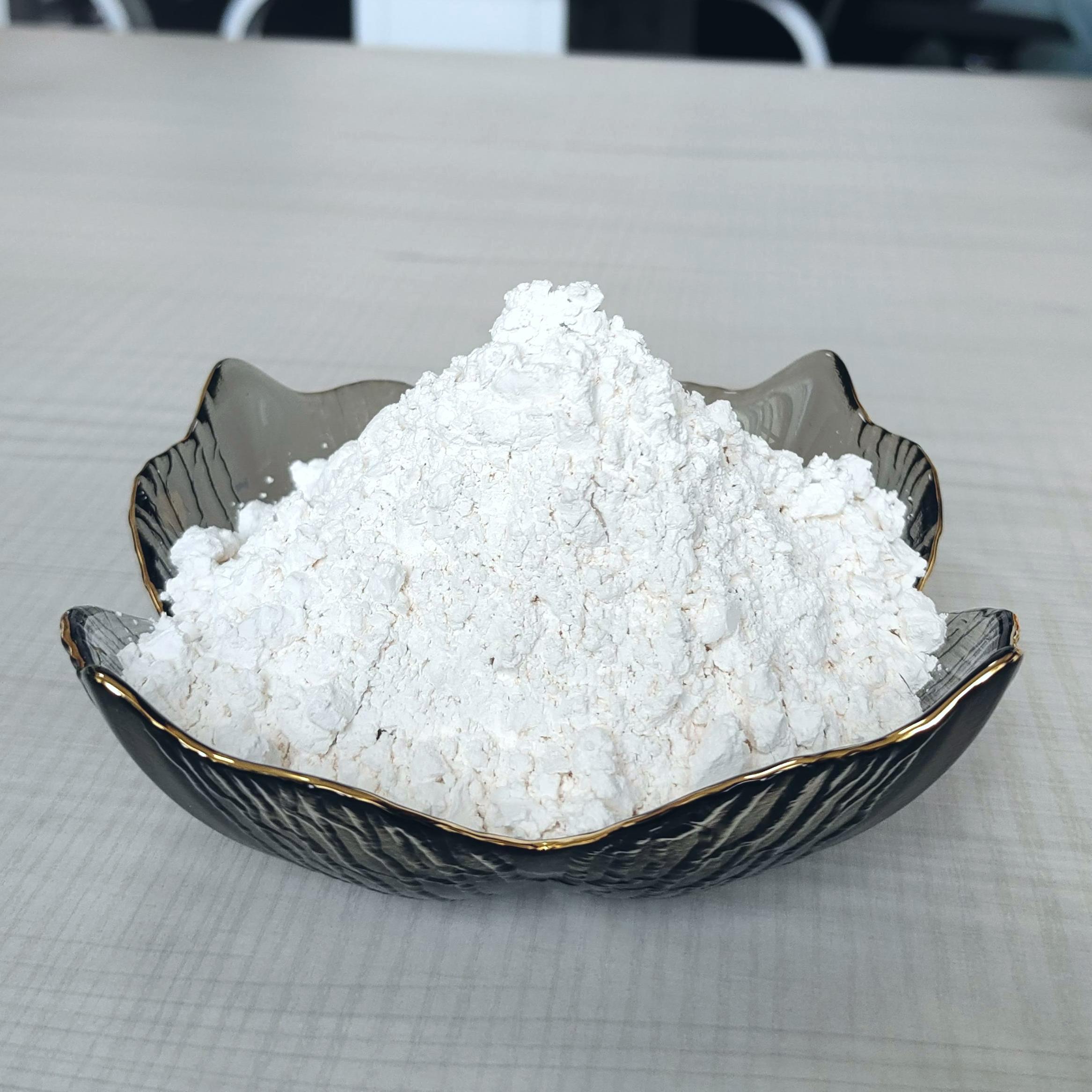
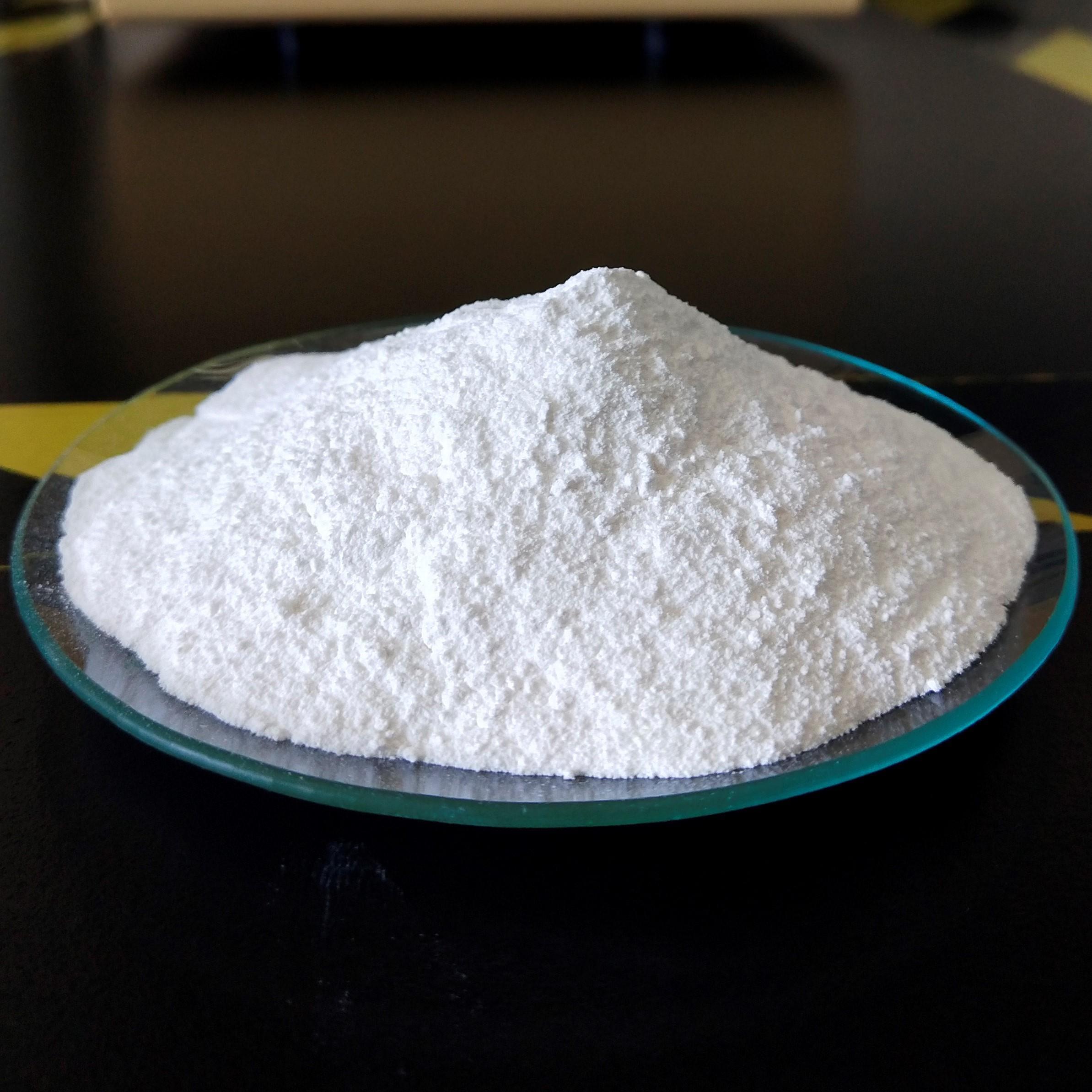
Fine calcium carbonate is a naturally occurring mineral composed primarily of calcium carbonate (CaCO₃). It is characterized by its fine particle size, often ranging from 2 to 50 microns, which grants it special properties suitable for various applications. Fine calcium carbonate can be sourced from several geological formations, making it widely available and economically viable.
2.2 Production and Sourcing of Fine Calcium Carbonate
The production of fine calcium carbonate typically involves crushing, grinding, and classifying the raw limestone. This process can be further refined through controlled milling and air classification, resulting in a product that meets specific particle size and purity requirements. The accessibility of limestone deposits worldwide ensures a stable supply of FCC for industrial applications.
3. Industrial Applications of Fine Calcium Carbonate
3.1 Role in Paints and Coatings
Fine calcium carbonate plays a crucial role in the paint and coatings industry. It serves as a filler, enhancing the opacity, brightness, and texture of paints. Moreover, FCC improves the durability of coatings by providing excellent weather resistance and mechanical strength. The ability to reduce production costs while maintaining high-quality standards makes fine calcium carbonate an attractive option for paint manufacturers.
3.2 Importance in Plastics and Polymers
In the plastics and polymers sector, fine calcium carbonate acts as a cost-effective filler that enhances the mechanical properties of plastic products. Its use results in improved stiffness, tensile strength, and impact resistance, allowing manufacturers to produce high-quality goods with reduced material costs. Additionally, FCC can help in reducing the carbon footprint of plastic production by replacing more expensive polymers without sacrificing performance.
3.3 Contribution to the Paper Industry
Fine calcium carbonate is extensively used in the paper industry as a filler and coating pigment. It enhances the brightness, smoothness, and printability of paper products. By incorporating FCC into the papermaking process, manufacturers can achieve better ink receptivity and reduce the consumption of more expensive materials, ultimately driving down production costs.
3.4 Utilization in the Construction Sector
Fine calcium carbonate is a key ingredient in many construction materials, including cement, mortar, and concrete. Its use improves the workability and durability of these products, leading to longer-lasting structures. Moreover, FCC can contribute to eco-friendly construction practices by reducing the carbon footprint associated with traditional building materials.
4. Advantages of Using Fine Calcium Carbonate
4.1 Enhanced Material Properties
One of the primary benefits of fine calcium carbonate is its ability to enhance the physical and chemical properties of various materials. By improving the mechanical strength, opacity, and surface finish, FCC plays a vital role in producing high-performance products across industries.
4.2 Cost-Effectiveness and Efficiency
Fine calcium carbonate is a cost-effective solution for manufacturers looking to improve their product quality without inflating production costs. By substituting more expensive materials, FCC allows for cost savings while maintaining desired performance metrics.
4.3 Environmental Benefits and Sustainability
As industries strive to adopt more sustainable practices, fine calcium carbonate provides a way to reduce environmental impact. Its natural abundance and ability to replace synthetic additives contribute to greener manufacturing processes, aligning with global sustainability goals.
5. Future Trends in Fine Calcium Carbonate Applications
The future of fine calcium carbonate looks promising, with ongoing research aimed at expanding its applications. Innovations in processing technology may lead to even finer particle sizes and enhanced properties, opening doors for FCC in new sectors such as pharmaceuticals and food additives. Additionally, increasing regulatory pressures for sustainable practices will likely drive further adoption of fine calcium carbonate as a preferred material.
6. Common FAQs about Fine Calcium Carbonate
Q1: What are the primary uses of fine calcium carbonate in industry?
Fine calcium carbonate is widely used in paints, plastics, paper, and construction materials due to its unique properties and cost-effectiveness.
Q2: How does fine calcium carbonate improve the quality of paints?
By enhancing opacity, brightness, and durability, fine calcium carbonate contributes to higher-quality paint formulations.
Q3: Is fine calcium carbonate an environmentally friendly product?
Yes, fine calcium carbonate is a natural mineral that can help reduce the environmental impact of various manufacturing processes.
Q4: Can fine calcium carbonate replace other materials in plastic production?
Absolutely. Fine calcium carbonate can serve as a cost-effective filler, substituting more expensive polymers while maintaining product quality.
Q5: What are the future prospects for fine calcium carbonate in industrial applications?
The future looks bright, with innovations in processing and growing demand for sustainable materials likely to drive increased usage across new sectors.
7. Conclusion
Fine calcium carbonate is a versatile and essential component in many industrial applications. Its numerous benefits, including enhanced material properties, cost-effectiveness, and environmental sustainability, make it a preferred choice for manufacturers across various sectors. As industries evolve and prioritize sustainable practices, the role of fine calcium carbonate is expected to expand, paving the way for innovative applications and further advancements in technology. Embracing fine calcium carbonate can lead to significant improvements in product quality and efficiency, ultimately contributing to a more sustainable future.
fine calcium carbonate

Get in Touch with Us Today

EZ Chemical is one of the best suppliers of calcium carbonate series products in China.
CONTACT US
E-mail: kevin_song@ezchemical.cn
ADD:Room 2008, Building 8, Jinse Yangguang, Xin'an East Road, Xin'anjiang Street, Jiande City, Zhejiang Province, China.