19
2026
-
01
Calcium Carbonate: The Unsung Hero in Eco-Friendly Solutions
Calcium Carbonate: The Unsung Hero in Eco-Friendly Solutions Table of Contents What is Calcium Carbonate? History and Discovery of Calcium Carbonate Properties and Types of Calcium Carbonate Applications of Calcium Carbonate in Various Industries The Role of Calcium Carbonate in Eco-Friendly Solutions Benefits of Using Calcium Carbonate Challenges and Misconceptions Ab
Calcium Carbonate: The Unsung Hero in Eco-Friendly Solutions
Table of Contents
- What is Calcium Carbonate?
- History and Discovery of Calcium Carbonate
- Properties and Types of Calcium Carbonate
- Applications of Calcium Carbonate in Various Industries
- The Role of Calcium Carbonate in Eco-Friendly Solutions
- Benefits of Using Calcium Carbonate
- Challenges and Misconceptions About Calcium Carbonate
- The Future of Calcium Carbonate in Sustainable Practices
- FAQs
What is Calcium Carbonate?
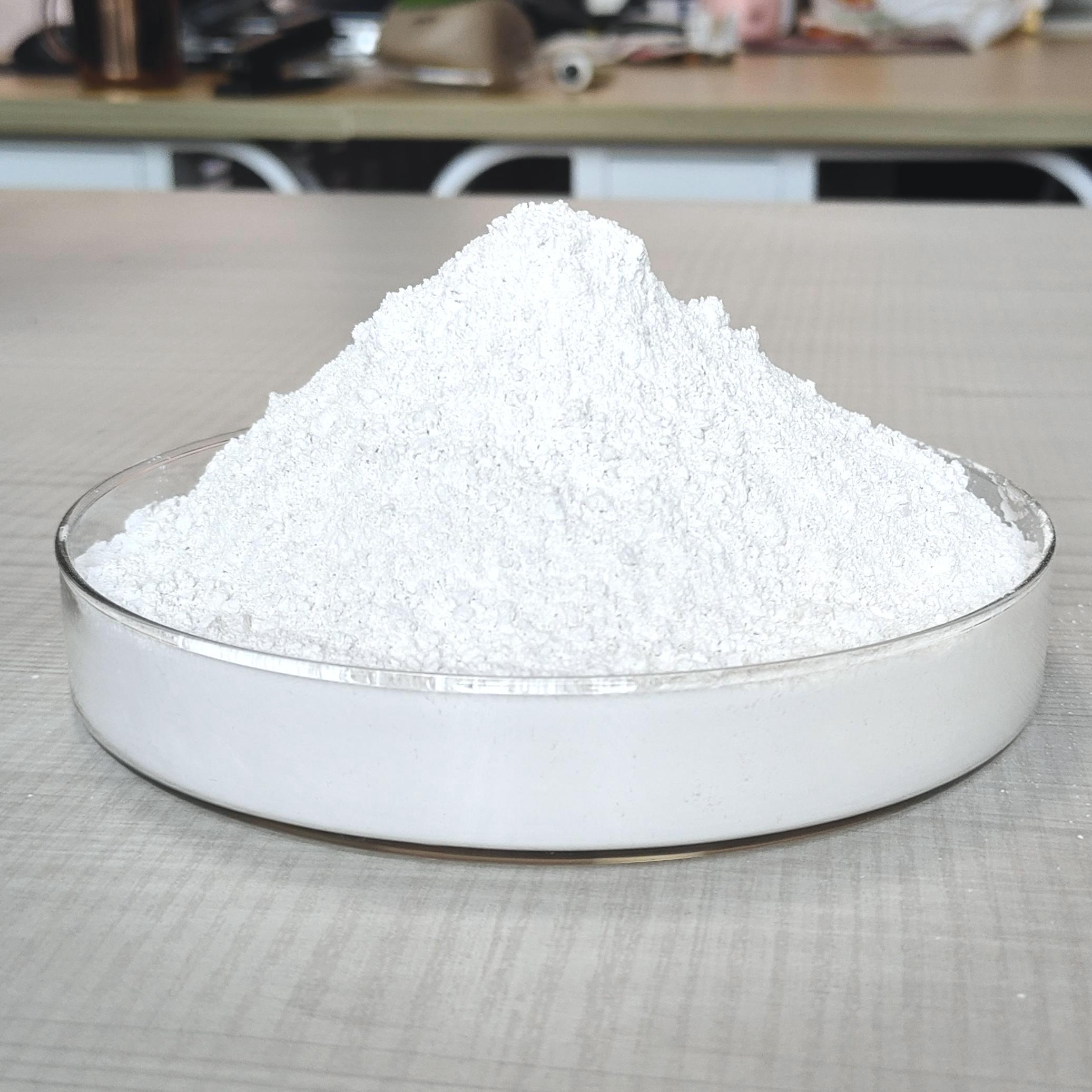
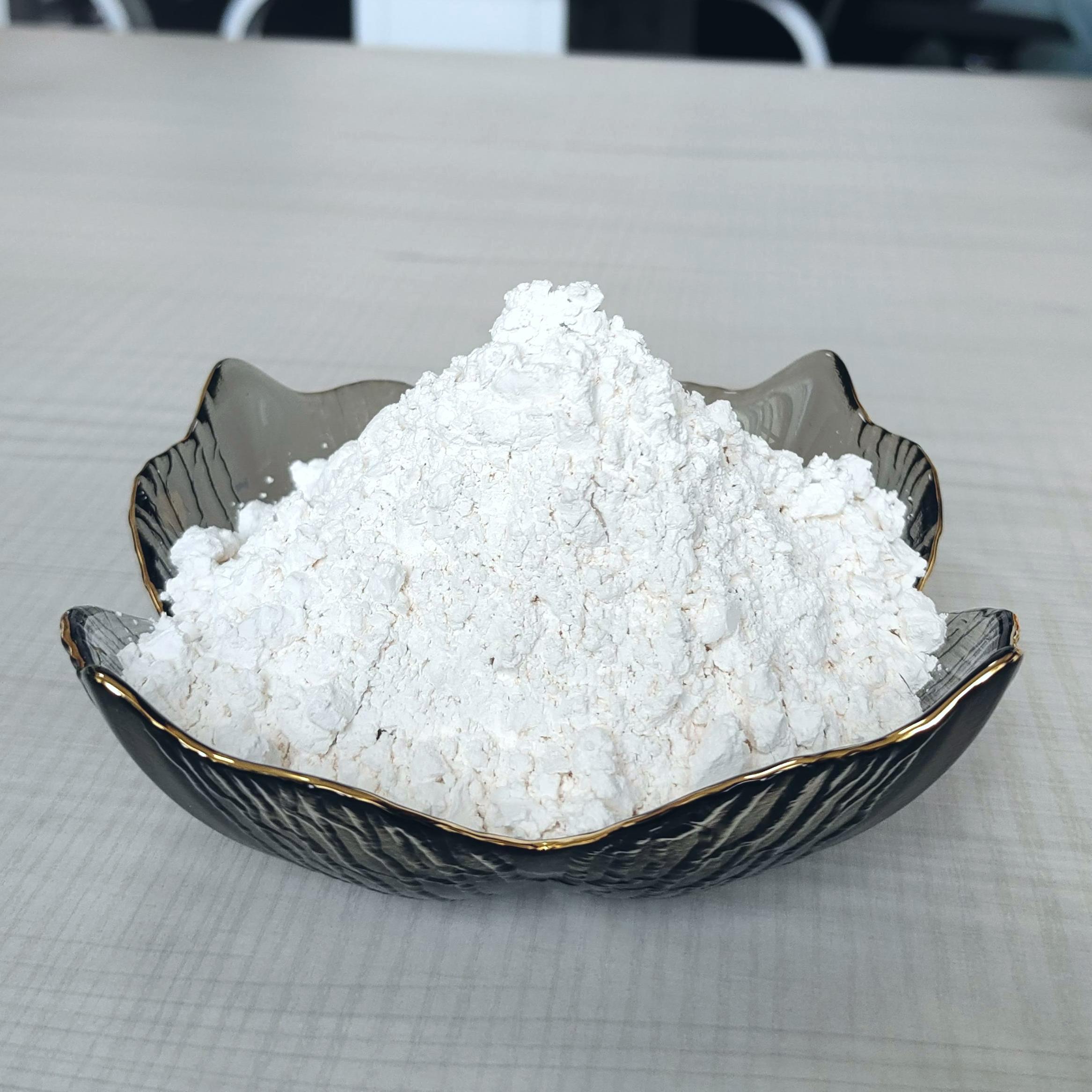
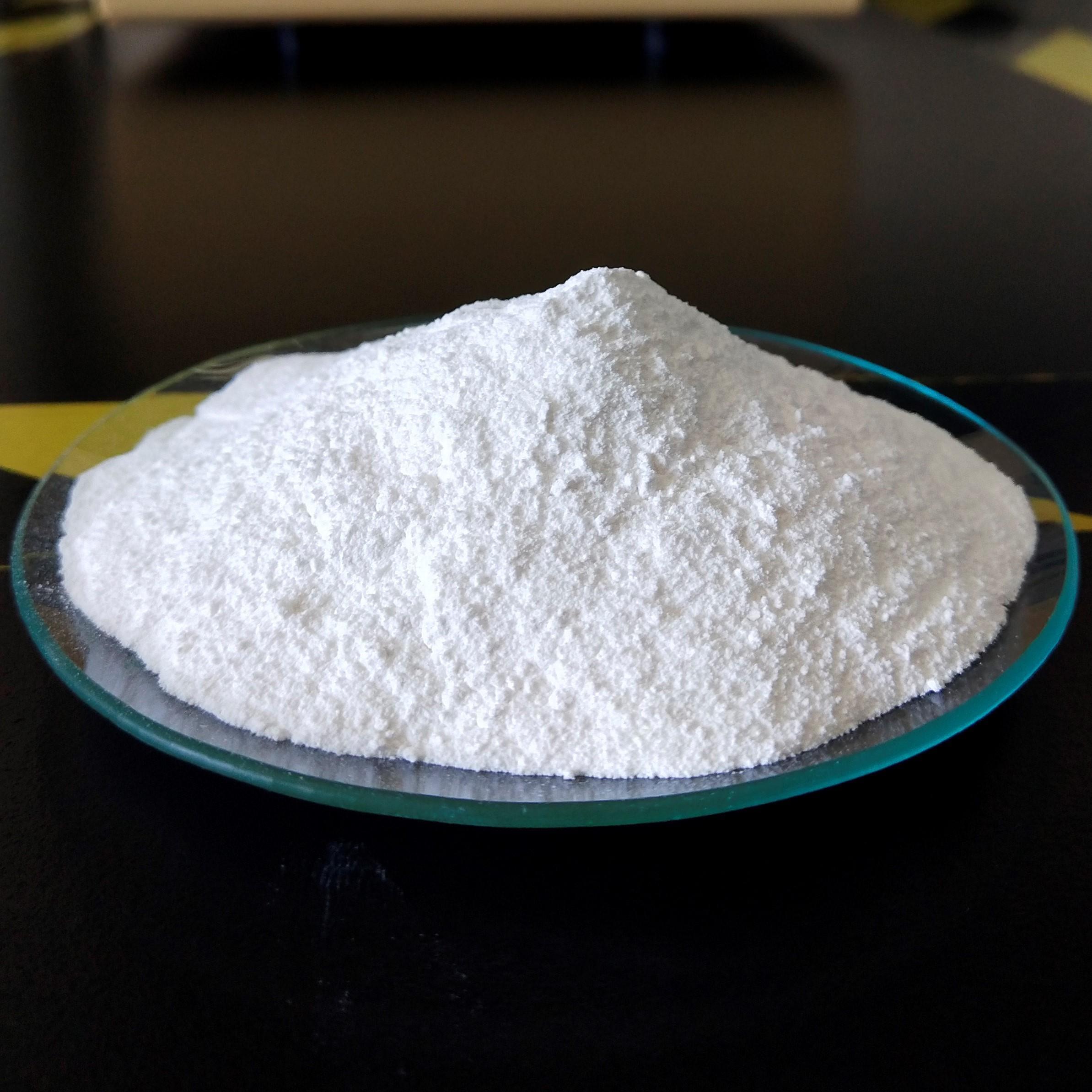
Calcium carbonate is a **naturally occurring mineral** composed of calcium, carbon, and oxygen. It is found in rocks, shells of marine organisms, and even in the human body. This versatile compound has a wide range of applications, making it an essential component in various industries, including construction, agriculture, and food processing.
History and Discovery of Calcium Carbonate
The history of calcium carbonate dates back to ancient times, where it was used in construction materials like limestone and marble. The **first documented use** of calcium carbonate can be traced to the Egyptians, who utilized it to create structures and monuments that still stand today. Over the centuries, the compound has been studied extensively, leading to the development of various processing methods that enhance its usability in modern applications.
Properties and Types of Calcium Carbonate
Calcium carbonate exists in several forms, including **calcite, aragonite, and vaterite**, each with unique properties.
1. Calcite
Calcite is the most stable and common form of calcium carbonate. It is characterized by its rhombohedral crystal structure and is widely used in products such as paint, plastics, and rubber.
2. Aragonite
Aragonite, while less stable than calcite, is often found in marine organisms' shells. Its unique crystal structure makes it valuable in the production of high-end ceramics and in environmental applications.
3. Vaterite
Vaterite is the least stable form of calcium carbonate, often occurring in biominerals. Due to its solubility and bioavailability, it holds potential in the **pharmaceutical industry** and as a supplement in agriculture.
Applications of Calcium Carbonate in Various Industries
Calcium carbonate's versatility allows it to be utilized in numerous sectors.
1. Construction Industry
In the construction industry, calcium carbonate serves as a **primary raw material** in cement and concrete production. Its use enhances the durability and strength of construction materials, contributing to sustainable building practices.
2. Agriculture and Soil Treatment
Calcium carbonate is vital in agriculture as a soil amendment. It helps neutralize acidic soils and provides essential calcium to plants, promoting healthier growth and yield.
3. Food and Beverage Industry
In the food sector, calcium carbonate acts as a **calcium supplement** and a food additive. It is used in fortified foods and beverages, ensuring consumers receive adequate calcium for their health.
4. Pharmaceutical Applications
Calcium carbonate is a common ingredient in antacids and dietary supplements, helping to alleviate digestive issues and promote bone health.
5. Environmental Applications
In environmental management, calcium carbonate is employed in water treatment processes. It helps neutralize acidic water and remove contaminants, playing a significant role in protecting aquatic ecosystems.
The Role of Calcium Carbonate in Eco-Friendly Solutions
As sustainability becomes increasingly crucial, calcium carbonate stands out as a **key player** in eco-friendly solutions.
1. Reducing Carbon Footprint
Calcium carbonate can be produced from carbon dioxide, thus sequestering CO2 and reducing greenhouse gas emissions. This process not only helps mitigate climate change but also contributes to the creation of sustainable products.
2. Biodegradable Alternatives
With the rise of environmental concerns, calcium carbonate serves as a biodegradable alternative to conventional plastics. Its application in biodegradable composites helps reduce plastic waste and promotes a circular economy.
3. Resource Efficiency
Utilizing calcium carbonate in various applications reduces the dependence on non-renewable resources. By exploiting this abundant mineral, industries can transition to more sustainable practices while maintaining efficiency.
Benefits of Using Calcium Carbonate
The benefits of calcium carbonate extend beyond its applications.
1. Cost-Effectiveness
Calcium carbonate is readily available and relatively inexpensive, making it a cost-effective choice for industries seeking sustainable materials without compromising quality.
2. Non-Toxic and Safe
As a non-toxic substance, calcium carbonate poses minimal risk to human health and the environment. This safety profile makes it an ideal ingredient across various sectors.
3. Enhancing Product Performance
In many applications, calcium carbonate enhances product performance. It improves the texture of paints, adds gloss to plastics, and increases the nutritional value of food products.
Challenges and Misconceptions About Calcium Carbonate
Despite its many advantages, misconceptions about calcium carbonate persist.
1. Environmental Concerns
Some critics argue that the mining of calcium carbonate can lead to environmental degradation. However, responsible sourcing and sustainable mining practices can mitigate these impacts.
2. Limited Awareness of Its Benefits
Many industries still overlook the potential of calcium carbonate in eco-friendly solutions. Increasing awareness through education and advocacy can help promote its advantages.
The Future of Calcium Carbonate in Sustainable Practices
The future of calcium carbonate looks promising, especially as industries aim for more sustainable practices.
1. Innovations in Processing Technology
Advancements in processing technologies will enhance the efficiency and eco-friendliness of calcium carbonate production, paving the way for new applications.
2. Increased Adoption in Green Buildings
As green building practices gain traction, calcium carbonate will likely see increased adoption in construction due to its sustainable properties.
3. Expansion into New Markets
Emerging markets for calcium carbonate, particularly in developing countries, offer opportunities for growth. As these regions prioritize sustainability, the demand for calcium carbonate in eco-friendly solutions will increase.
FAQs
1. What are the main uses of calcium carbonate?
Calcium carbonate is primarily used in construction materials, agriculture, food, pharmaceuticals, and environmental applications.
2. Is calcium carbonate environmentally friendly?
Yes, calcium carbonate is considered environmentally friendly due to its natural abundance, non-toxic properties, and potential to sequester carbon dioxide.
3. How does calcium carbonate benefit agriculture?
Calcium carbonate helps neutralize acidic soils and provides essential calcium, promoting healthy plant growth and improving crop yields.
4. Can calcium carbonate be used as a plastic alternative?
Calcium carbonate can be incorporated into biodegradable composites, making it a sustainable alternative to traditional plastics.
5. What are the health benefits of calcium carbonate?
Calcium carbonate is a common dietary supplement that supports bone health and can alleviate digestive issues when used in antacids.
Conclusion
Calcium carbonate is undoubtedly an unsung hero in the realm of eco-friendly solutions. Its diverse applications across various industries, coupled with its environmental benefits, position it as a crucial player in the pursuit of sustainability. As we continue to seek greener alternatives and practices, calcium carbonate will undoubtedly play an integral role in shaping a more sustainable future for all. Embracing this versatile mineral can lead to innovative solutions that benefit both industries and the environment, ensuring a healthier planet for generations to come.
calcium carbonate

Get in Touch with Us Today

EZ Chemical is one of the best suppliers of calcium carbonate series products in China.
CONTACT US
E-mail: kevin_song@ezchemical.cn
ADD:Room 2008, Building 8, Jinse Yangguang, Xin'an East Road, Xin'anjiang Street, Jiande City, Zhejiang Province, China.