20
2025
-
12
How Precipitated Calcium Carbonate Enhances Product Quality in Manufacturing
How Precipitated Calcium Carbonate Enhances Product Quality in Manufacturing Table of Contents 1. Introduction to Precipitated Calcium Carbonate 2. What is Precipitated Calcium Carbonate (PCC)? 3. Properties of Precipitated Calcium Carbonate 4. Role of PCC in Various Manufacturing Industries 4.1 Plastics and Polymer Applications 4.2 Paints and Coatings 4.3 Food and Pharmaceuticals 5. How PCC Enhan
How Precipitated Calcium Carbonate Enhances Product Quality in Manufacturing
Table of Contents
1. Introduction to Precipitated Calcium Carbonate
2. What is Precipitated Calcium Carbonate (PCC)?
3. Properties of Precipitated Calcium Carbonate
4. Role of PCC in Various Manufacturing Industries
4.1 Plastics and Polymer Applications
4.2 Paints and Coatings
4.3 Food and Pharmaceuticals
5. How PCC Enhances Product Quality
5.1 Improving Mechanical Properties
5.2 Enhancing Opacity and Brightness
5.3 Reducing Production Costs
6. Environmental Benefits of Using PCC
7. Key Considerations When Using PCC
8. Conclusion
9. FAQs
1. Introduction to Precipitated Calcium Carbonate
In the fast-evolving world of manufacturing, the materials we choose can have a profound impact on product quality and operational efficiency. One such material that has garnered attention is **precipitated calcium carbonate (PCC)**. This versatile compound has demonstrated remarkable capabilities in enhancing the quality of various products, making it a staple across multiple industries.
In this article, we will explore how PCC enhances product quality in manufacturing, providing insights into its properties, applications, and benefits.
2. What is Precipitated Calcium Carbonate (PCC)?
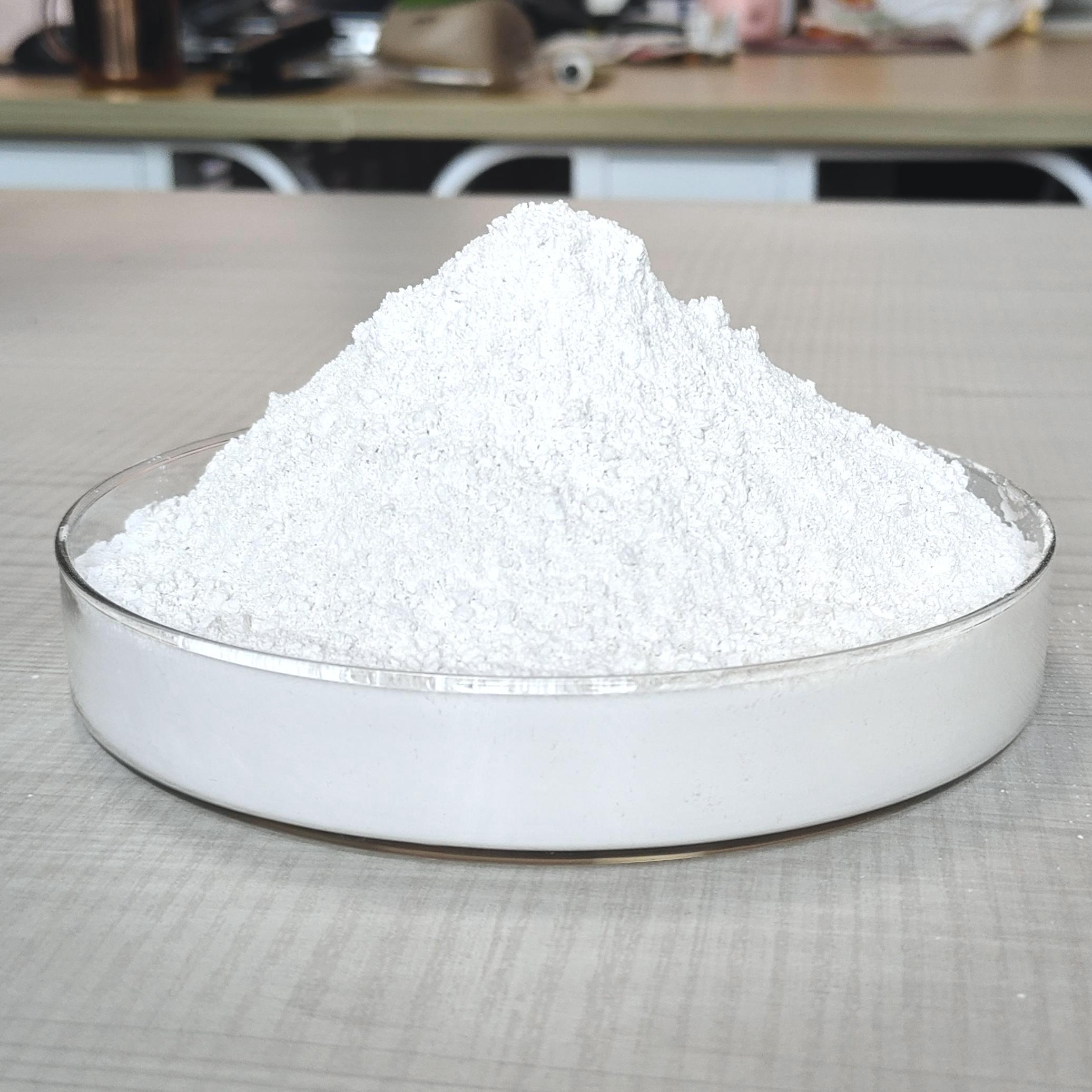
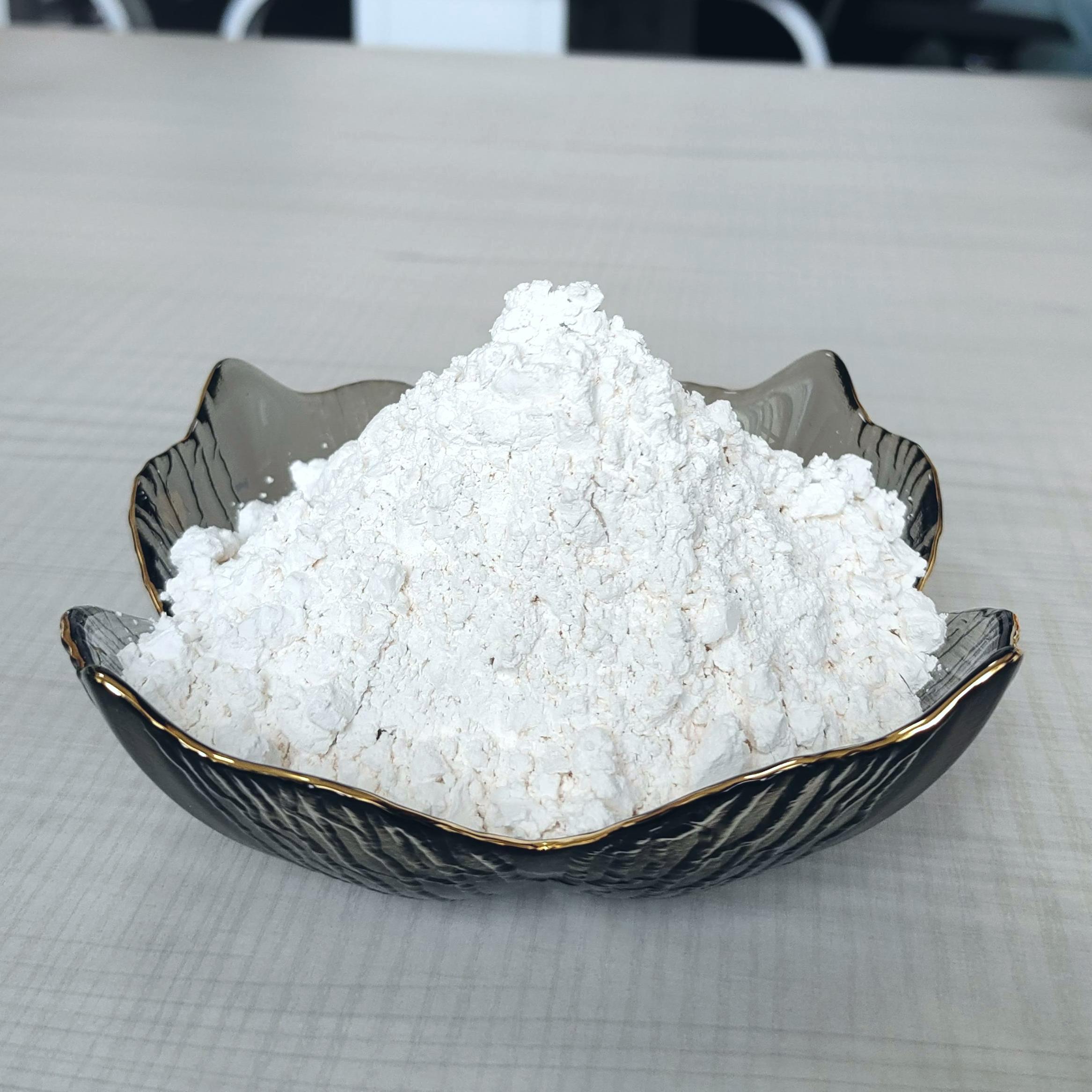
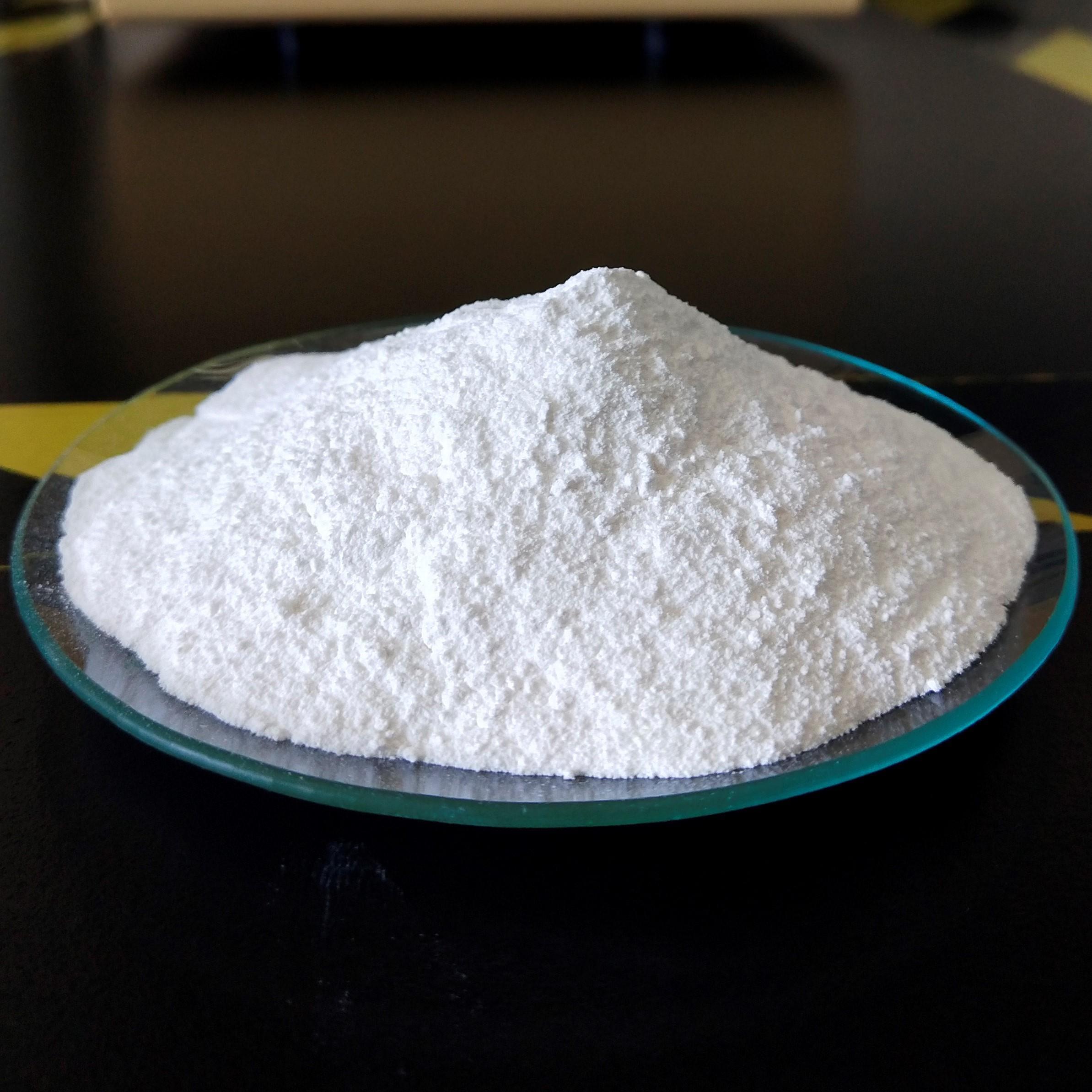
**Precipitated calcium carbonate (PCC)** is a refined form of calcium carbonate produced through a controlled chemical reaction. Unlike natural limestone, which is mined and crushed, PCC is synthesized through a process that involves the carbonation of calcium hydroxide. This meticulous production method results in a fine, white powder with specific properties that can be tailored to various applications.
PCC is known for its high purity levels, consistent particle size, and excellent white color, making it an ideal additive for many industries.
3. Properties of Precipitated Calcium Carbonate
The distinctive properties of PCC contribute significantly to its effectiveness in enhancing product quality:
- **High Purity**: PCC typically contains more than 98% calcium carbonate, ensuring minimal impurities that could affect product performance.
- **Controlled Particle Size**: The production process allows for precise control over the particle size and distribution, enabling manufacturers to select the optimal characteristics for their specific applications.
- **Surface Area**: PCC has a high surface area, which improves its effectiveness as a filler or coating agent.
- **Chemical Stability**: Its chemical stability ensures that products remain consistent over time, minimizing variations in quality.
These properties make PCC a valuable component in manufacturing processes.
4. Role of PCC in Various Manufacturing Industries
Precipitated calcium carbonate finds applications across a diverse range of manufacturing sectors due to its beneficial properties. Let’s explore some of these industries in detail.
4.1 Plastics and Polymer Applications
In the **plastics industry**, PCC is widely used as a filler to enhance the mechanical properties of polymers. By incorporating PCC into plastic formulations, manufacturers can achieve improved tensile strength, impact resistance, and durability. This results in products that outperform their competitors while reducing overall production costs.
Additionally, PCC helps reduce the density of plastic products, making them lighter without compromising quality. This is particularly beneficial for applications in automotive and packaging industries, where weight reduction is crucial.
4.2 Paints and Coatings
In the **paints and coatings industry**, PCC serves as a key ingredient that enhances opacity, brightness, and coverage. Its fine particle size allows for smoother application and better adhesion to surfaces.
Moreover, PCC acts as a matting agent, providing desired aesthetic effects without sacrificing performance. By improving these key characteristics, manufacturers can produce paints that have superior quality and longer-lasting finishes.
4.3 Food and Pharmaceuticals
In the **food and pharmaceutical sectors**, PCC is used as a dietary supplement and an excipient. Its high purity levels make it safe for consumption, and its properties can aid in improving the texture and stability of food products.
In pharmaceuticals, PCC is utilized as a filler and binding agent in tablet formulations, ensuring uniformity and stability throughout the product's shelf life.
5. How PCC Enhances Product Quality
The incorporation of PCC into manufacturing processes leads to significant improvements in product quality. Below are some of the key benefits that PCC provides.
5.1 Improving Mechanical Properties
One of the most notable advantages of using PCC is its ability to enhance the mechanical properties of materials. When added to compounds, PCC can improve tensile strength, elongation, and impact resistance. This is particularly valuable for products that require enhanced durability while maintaining a specific weight or texture.
5.2 Enhancing Opacity and Brightness
PCC is renowned for its exceptional whiteness and brightness, making it an ideal choice for applications requiring high opacity. In coatings and paints, PCC helps achieve superior coverage, allowing manufacturers to produce high-quality products that meet customer expectations.
This quality of PCC not only improves aesthetics but also enhances product perception in the marketplace.
5.3 Reducing Production Costs
Incorporating PCC into manufacturing processes can lead to significant cost savings. As a lightweight filler, PCC can replace more expensive materials, thus reducing raw material costs. Additionally, its excellent processing characteristics can minimize the energy required during production, leading to lower operational costs.
By optimizing formulations and reducing expenses, manufacturers can enhance their competitiveness in the market.
6. Environmental Benefits of Using PCC
The use of PCC in manufacturing also brings several environmental benefits. As a sustainable material, PCC can help reduce the carbon footprint of various products. Its natural abundance and ability to replace more harmful substances contribute to greener manufacturing processes.
Moreover, PCC can be produced from industrial by-products, promoting a circular economy by recycling materials that would otherwise contribute to waste.
7. Key Considerations When Using PCC
While the benefits of PCC are substantial, there are essential considerations manufacturers must keep in mind when incorporating it into their processes:
- **Compatibility**: Ensure that PCC is compatible with other materials in the formulation to avoid adverse effects on product performance.
- **Particle Size**: Select the appropriate particle size for specific applications to achieve desired results.
- **Cost Implications**: Analyze the cost-effectiveness of using PCC against other materials to make informed decisions.
By carefully evaluating these factors, manufacturers can effectively utilize PCC to maximize product quality.
8. Conclusion
Precipitated calcium carbonate is a versatile and invaluable addition to the manufacturing landscape. Its ability to enhance product quality, reduce production costs, and provide environmental benefits makes it a top choice across various industries.
As we continue to innovate and seek ways to improve manufacturing processes, incorporating PCC can lead to superior products and increased competitiveness in the market.
Understanding the role of PCC in enhancing product quality empowers manufacturers to make informed decisions that positively impact their operations and the environment.
9. FAQs
1. What is the difference between PCC and GCC?
PCC (precipitated calcium carbonate) is a refined form produced through a chemical process, resulting in controlled particle size and higher purity compared to GCC (ground calcium carbonate), which is sourced from natural limestone.
2. How is PCC produced?
PCC is produced by the carbonation of calcium hydroxide, where carbon dioxide is bubbled through a calcium hydroxide slurry, precipitating calcium carbonate.
3. What industries benefit from using PCC?
Industries such as plastics, paints, food, pharmaceuticals, and personal care products benefit significantly from incorporating PCC due to its unique properties and performance enhancements.
4. Is PCC safe for use in food products?
Yes, PCC is generally recognized as safe (GRAS) for use in food products, as it meets high purity standards and is non-toxic.
5. Can PCC improve the sustainability of manufacturing processes?
Yes, PCC can improve sustainability by reducing reliance on non-renewable resources, promoting recycling, and lowering the carbon footprint of products.
By utilizing precipitated calcium carbonate effectively, manufacturers can achieve superior product quality while also embracing sustainability and efficiency.
precipitated calcium carbonate

Get in Touch with Us Today

EZ Chemical is one of the best suppliers of calcium carbonate series products in China.
CONTACT US
E-mail: kevin_song@ezchemical.cn
ADD:Room 2008, Building 8, Jinse Yangguang, Xin'an East Road, Xin'anjiang Street, Jiande City, Zhejiang Province, China.