31
2025
-
10
How Nano Precipitated Calcium Carbonate is Revolutionizing Manufacturing Processes
How Nano Precipitated Calcium Carbonate is Revolutionizing Manufacturing Processes In recent years, **nano precipitated calcium carbonate (NPCC)** has emerged as a game-changer in the manufacturing sector. Its unique properties and versatile applications have made it an essential component in various industries, from plastics and paints to pharmaceuticals and food. This article explores the remark
How Nano Precipitated Calcium Carbonate is Revolutionizing Manufacturing Processes
In recent years, **nano precipitated calcium carbonate (NPCC)** has emerged as a game-changer in the manufacturing sector. Its unique properties and versatile applications have made it an essential component in various industries, from plastics and paints to pharmaceuticals and food. This article explores the remarkable features of NPCC, its role in revolutionizing manufacturing processes, and the reasons behind its growing popularity.
The Science Behind Nano Precipitated Calcium Carbonate
To understand the impact of NPCC on manufacturing, we first need to delve into the science behind it. NPCC is a form of calcium carbonate that is produced through a controlled precipitation process. This method results in particles that are significantly smaller than those found in conventional calcium carbonate. The nanoscale size of these particles contributes to their unique properties, such as increased surface area, enhanced reactivity, and improved dispersion in various mediums.
Properties of Nano Precipitated Calcium Carbonate
Some key properties of NPCC that make it particularly advantageous in manufacturing include:
- High Purity: NPCC is produced using high-quality raw materials, ensuring minimal impurities and consistent quality.
- Fine Particle Size: With particle sizes typically ranging from 50 to 500 nanometers, NPCC offers enhanced performance in applications requiring fine fillers and extenders.
- Surface Modification: The surface of NPCC can be easily modified to enhance its compatibility with other materials, facilitating better adhesion and dispersion.
- Low Density: NPCC has a lower density compared to other fillers, allowing manufacturers to reduce the weight of their products without compromising quality.
- Cost-Effectiveness: NPCC is often more economical than other fillers, providing significant cost savings for manufacturers.
Applications of Nano Precipitated Calcium Carbonate in Manufacturing
The versatility of NPCC allows it to be utilized in a wide range of applications across various industries. Here are some of the prominent uses:
1. Plastics and Polymers
In the plastics industry, NPCC serves as a valuable filler that enhances the physical properties of products. Its fine particle size improves the mechanical strength and thermal stability of plastic materials. Moreover, NPCC can reduce production costs by replacing more expensive polymers without compromising performance. Manufacturers are increasingly incorporating NPCC into polypropylene, polyethylene, and PVC to achieve better flow properties and surface finish.
2. Paints and Coatings
NPCC plays a crucial role in the formulation of paints and coatings. Its high brightness and white color contribute to improved opacity and coverage, allowing manufacturers to create vibrant and long-lasting finishes. Additionally, NPCC enhances the durability and resistance of coatings to wear and tear, making it a preferred choice for both interior and exterior applications.
3. Pharmaceuticals and Nutraceuticals
In the pharmaceutical sector, NPCC is utilized as an excipient in the formulation of tablets and capsules. Its inert nature ensures that it does not interfere with the active ingredients, while its fine particle size aids in the uniform distribution of the drug. Furthermore, NPCC is used in nutraceuticals as a calcium source, promoting healthier dietary supplements.
4. Food Industry
In the food industry, NPCC serves as a food additive, enhancing the texture and stability of various products. It is commonly used in dairy products, sauces, and confectioneries, where it contributes to improved mouthfeel and consistency. The safety profile of NPCC also makes it an attractive option for food manufacturers seeking to comply with regulatory standards.
5. Paper and Pulp Industry
NPCC is increasingly used in the paper and pulp industry as a filler and coating pigment. Its high brightness and opacity enhance the quality of paper products, resulting in smoother finishes and improved printability. Furthermore, utilizing NPCC can lead to reduced production costs while maintaining the desired characteristics of paper.
The Benefits of Using Nano Precipitated Calcium Carbonate in Manufacturing
Integrating NPCC into manufacturing processes offers a myriad of benefits that can significantly enhance product quality and operational efficiency. Here are some of the key advantages:
1. Enhanced Product Quality
NPCC contributes to improved product quality across various applications. Its fine particle size and surface properties ensure better dispersion and uniformity, resulting in a more consistent end product. This enhanced quality can lead to increased customer satisfaction and brand loyalty.
2. Cost Reduction
By replacing more expensive raw materials or reducing the overall weight of products, NPCC can help manufacturers lower production costs. This cost-effectiveness allows companies to remain competitive in the market while maintaining high standards of quality.
3. Environmental Sustainability
Using NPCC can also promote sustainability in manufacturing processes. Its low carbon footprint and ability to replace synthetic materials make it an attractive alternative for environmentally-conscious companies. Furthermore, many NPCC production processes generate minimal waste, contributing to a more sustainable manufacturing framework.
4. Improved Processing Efficiency
NPCC can enhance processing efficiency by improving the flow properties of materials, facilitating easier handling and mixing. This efficiency can lead to shorter production cycles and decreased downtime, ultimately boosting overall productivity.
5. Versatile Application Potential
The versatility of NPCC allows it to be used in diverse applications, making it an ideal choice for manufacturers looking to innovate and expand their product offerings. This adaptability ensures that NPCC remains relevant across various sectors and technologies.
Challenges and Considerations in Using Nano Precipitated Calcium Carbonate
While the benefits of NPCC are compelling, there are challenges and considerations that manufacturers must address when integrating it into their processes:
1. Sourcing Quality NPCC
Not all NPCC is created equal. Manufacturers need to ensure that they source high-quality NPCC from reputable suppliers. Quality control measures should be implemented to verify the purity and consistency of the product.
2. Compatibility with Other Materials
Compatibility with other materials is crucial for achieving desired performance outcomes. Manufacturers should conduct thorough testing to determine how NPCC interacts with various additives, polymers, and compounds in their formulations.
3. Regulatory Compliance
In industries such as food and pharmaceuticals, regulatory compliance is paramount. Manufacturers must ensure that the NPCC they use meets all relevant safety and quality standards set by governing bodies.
4. Technical Expertise
Integrating NPCC into existing manufacturing processes may require technical expertise and adjustments in formulation and processing techniques. Companies may need to invest in training and development to fully leverage the advantages of NPCC.
Future Trends in Nano Precipitated Calcium Carbonate Manufacturing
The future of NPCC in manufacturing looks promising, with several emerging trends shaping its development and application:
1. Innovations in Production Techniques
Advancements in production techniques will likely lead to even finer control over NPCC properties, allowing for tailored solutions that meet specific industry needs. Innovations in technology may enhance efficiency and reduce costs associated with NPCC production.
2. Expansion into New Markets
As awareness of the benefits of NPCC grows, manufacturers are likely to explore its potential in new markets and applications. This expansion could drive increased demand and innovation in product formulations.
3. Sustainable Production Practices
With the increasing emphasis on sustainability, manufacturers will likely prioritize eco-friendly production practices. This shift may include using renewable resources and minimizing waste in the NPCC production process.
4. Advanced Research and Development
Ongoing research and development efforts will continue to uncover new applications and benefits of NPCC. As industries evolve, NPCC is poised to play a critical role in developing high-performance materials across various sectors.
Frequently Asked Questions (FAQs)
1. What is nano precipitated calcium carbonate?
Nano precipitated calcium carbonate (NPCC) is a finely milled form of calcium carbonate produced through a controlled precipitation process, characterized by its nano-scale particle size and unique properties.
2. How is NPCC used in manufacturing?
NPCC is used as a filler and extender in various industries, including plastics, paints, pharmaceuticals, food, and paper, enhancing product quality and reducing production costs.
3. What are the benefits of using NPCC over traditional fillers?
NPCC offers several advantages, including enhanced product quality, cost reduction, environmental sustainability, improved processing efficiency, and versatile application potential.
4. Are there any challenges associated with using NPCC?
Challenges include sourcing quality NPCC, ensuring compatibility with other materials, meeting regulatory compliance, and requiring technical expertise for integration into manufacturing processes.
5. What future trends should manufacturers expect regarding NPCC?
Future trends include innovations in production techniques, expansion into new markets, sustainable production practices, and ongoing research and development to uncover new applications and benefits.
Conclusion
Nano precipitated calcium carbonate is undoubtedly revolutionizing manufacturing processes across numerous industries. Its unique properties and versatility make it an invaluable resource for manufacturers seeking to enhance product quality, reduce costs, and promote sustainability. As innovations continue to emerge, NPCC will likely play a pivotal role in shaping the future of manufacturing, presenting exciting opportunities for growth and development. Embracing NPCC can lead businesses to not only improve their offerings but also contribute to a more sustainable and efficient manufacturing landscape.
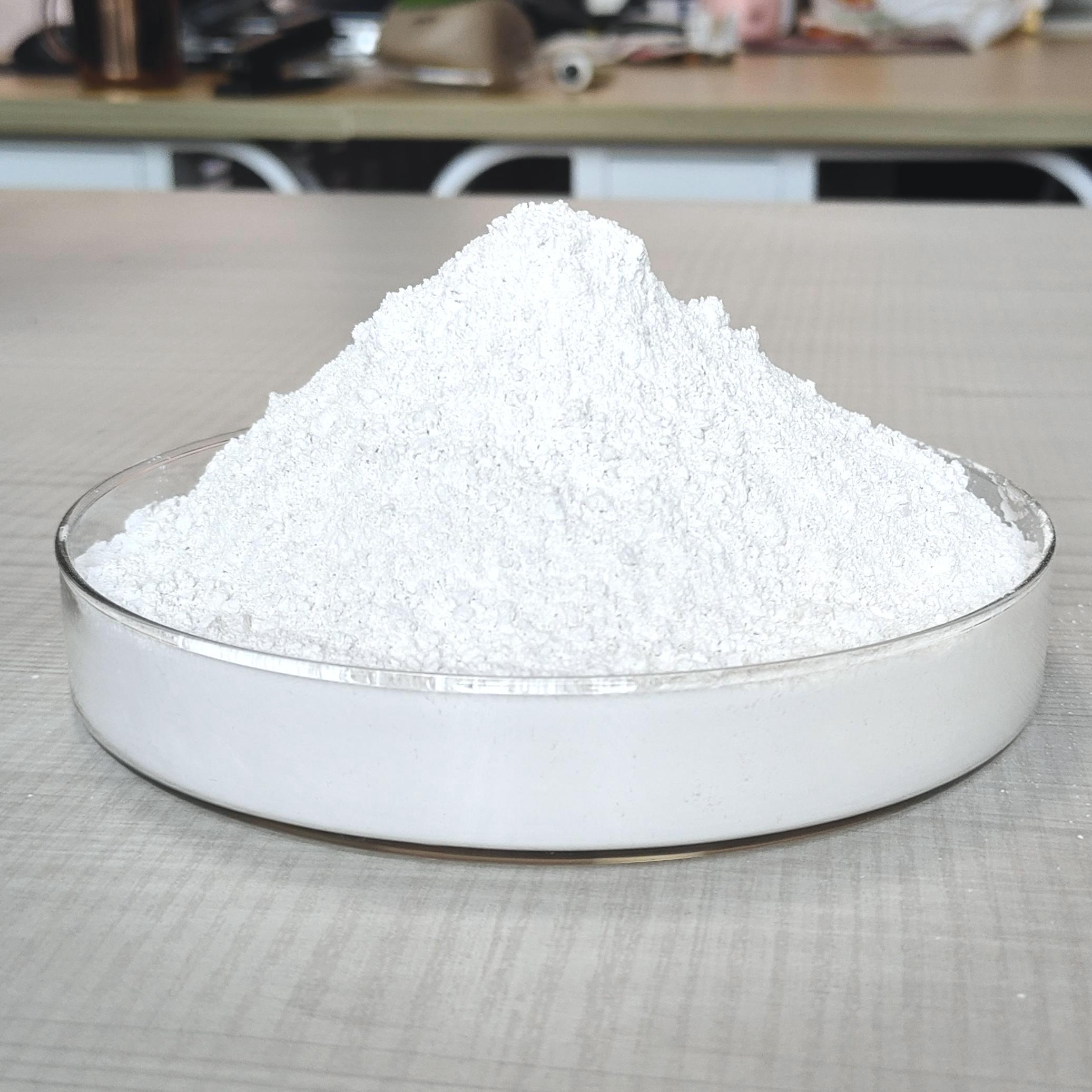
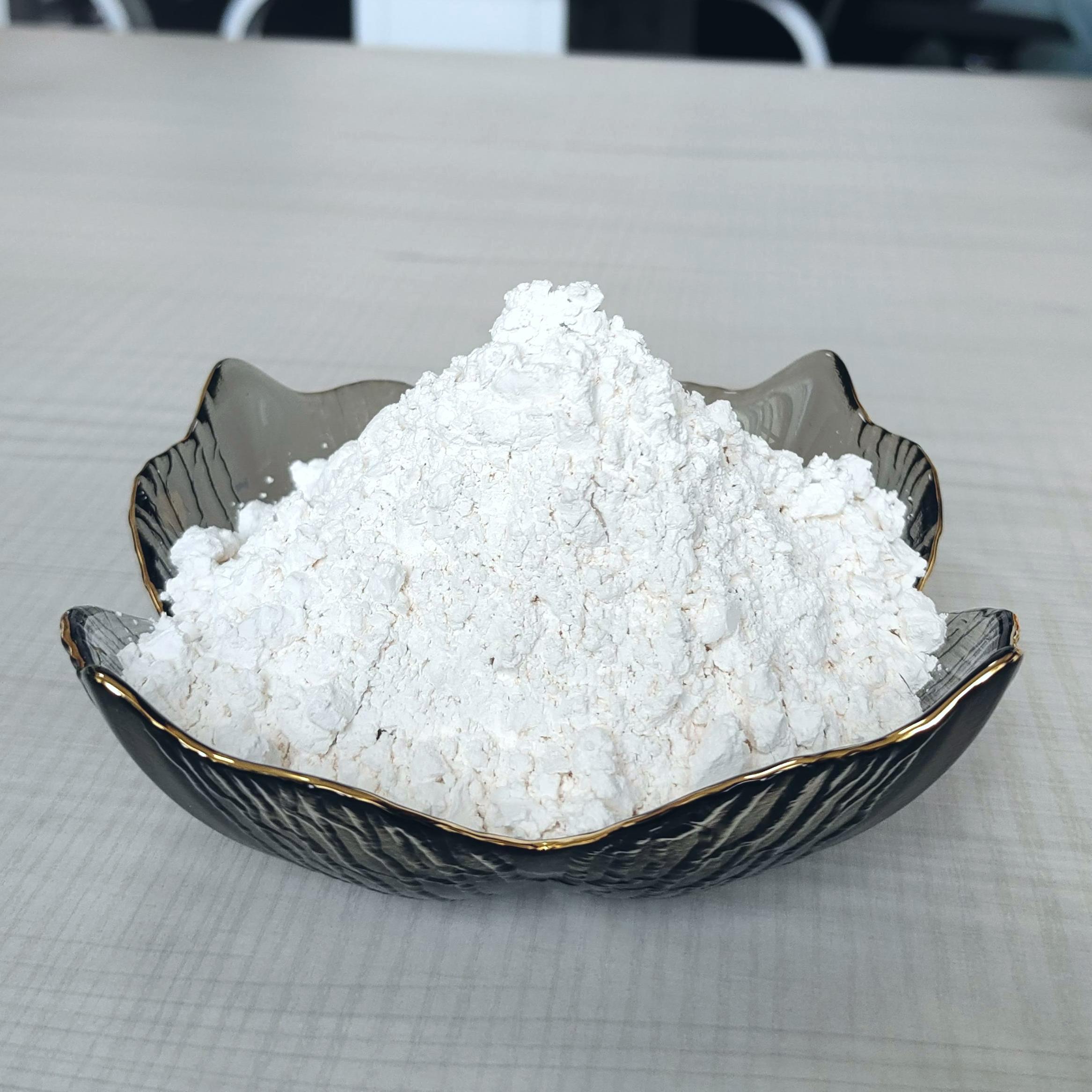
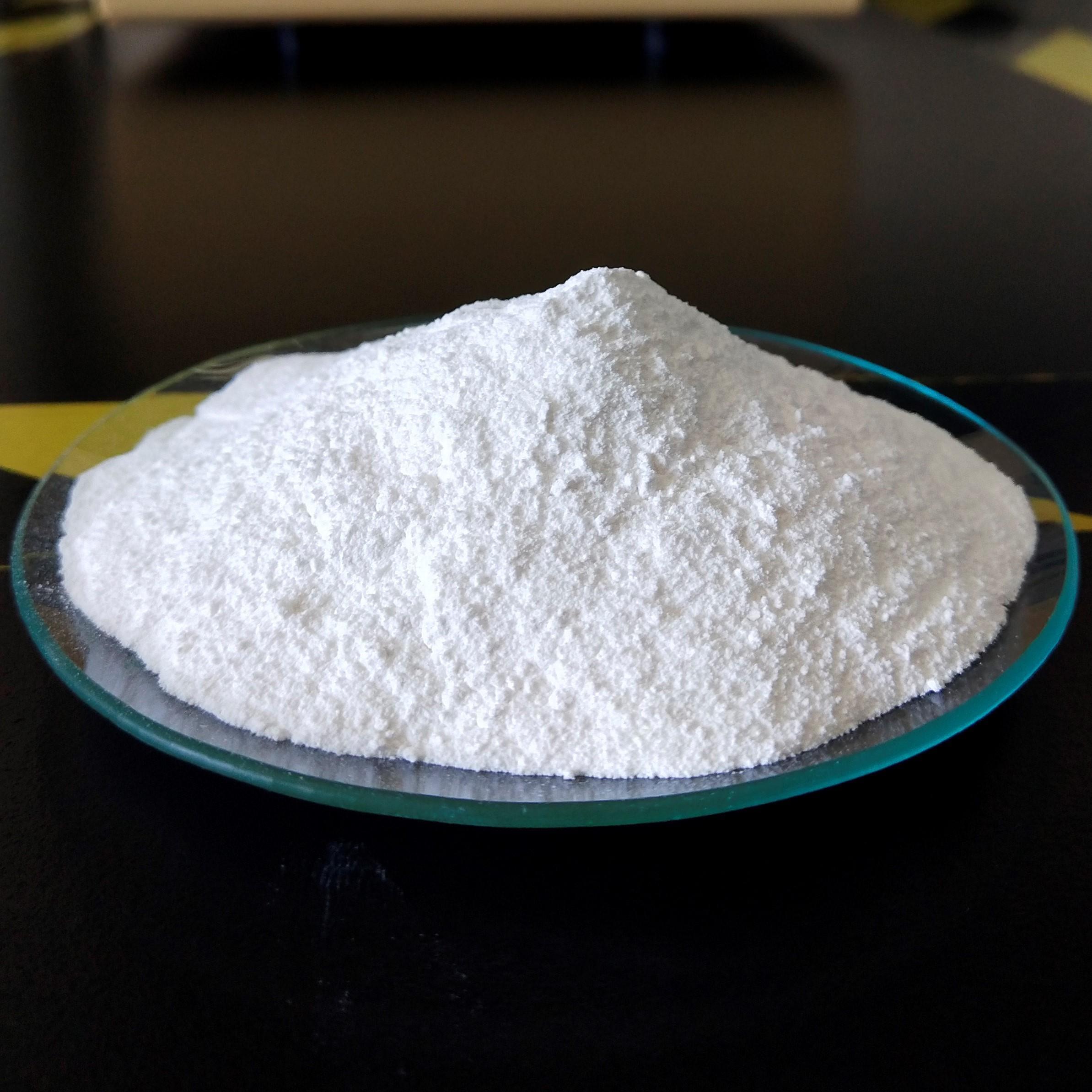
nano precipitated calcium carbonate

Get in Touch with Us Today

EZ Chemical is one of the best suppliers of calcium carbonate series products in China.
CONTACT US
E-mail: kevin_song@ezchemical.cn
ADD:Room 2008, Building 8, Jinse Yangguang, Xin'an East Road, Xin'anjiang Street, Jiande City, Zhejiang Province, China.