21
2025
-
10
Unlocking the Benefits of Nano Precipitated Calcium Carbonate in Industries
Unlocking the Benefits of Nano Precipitated Calcium Carbonate in Industries Table of Contents 1. Introduction to Nano Precipitated Calcium Carbonate (NPCC) 2. Key Properties of Nano Precipitated Calcium Carbonate 3. Applications of NPCC in Various Industries 3.1 Role of NPCC in the Plastics Industry 3.2 Enhancing Paints and Coatings with NPCC
Unlocking the Benefits of Nano Precipitated Calcium Carbonate in Industries
Table of Contents
- 1. Introduction to Nano Precipitated Calcium Carbonate (NPCC)
- 2. Key Properties of Nano Precipitated Calcium Carbonate
- 3. Applications of NPCC in Various Industries
- 3.1 Role of NPCC in the Plastics Industry
- 3.2 Enhancing Paints and Coatings with NPCC
- 3.3 The Impact of NPCC on Rubber Products
- 3.4 NPCC in Pharmaceuticals and Food Products
- 4. Benefits of Using NPCC in Industrial Applications
- 5. NPCC and Environmental Sustainability
- 6. The Future of Nano Precipitated Calcium Carbonate
- 7. Frequently Asked Questions (FAQs)
- 8. Conclusion
1. Introduction to Nano Precipitated Calcium Carbonate (NPCC)
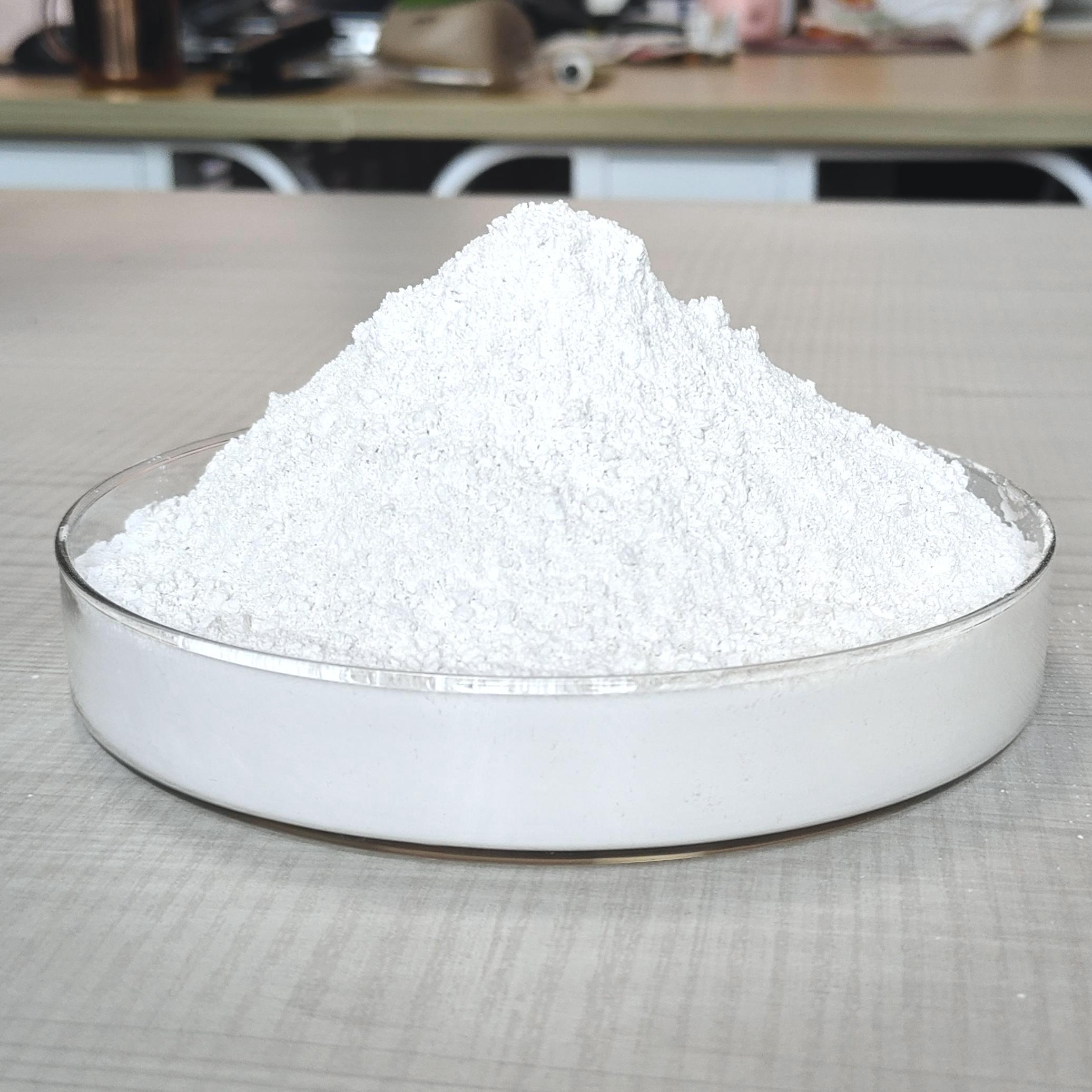
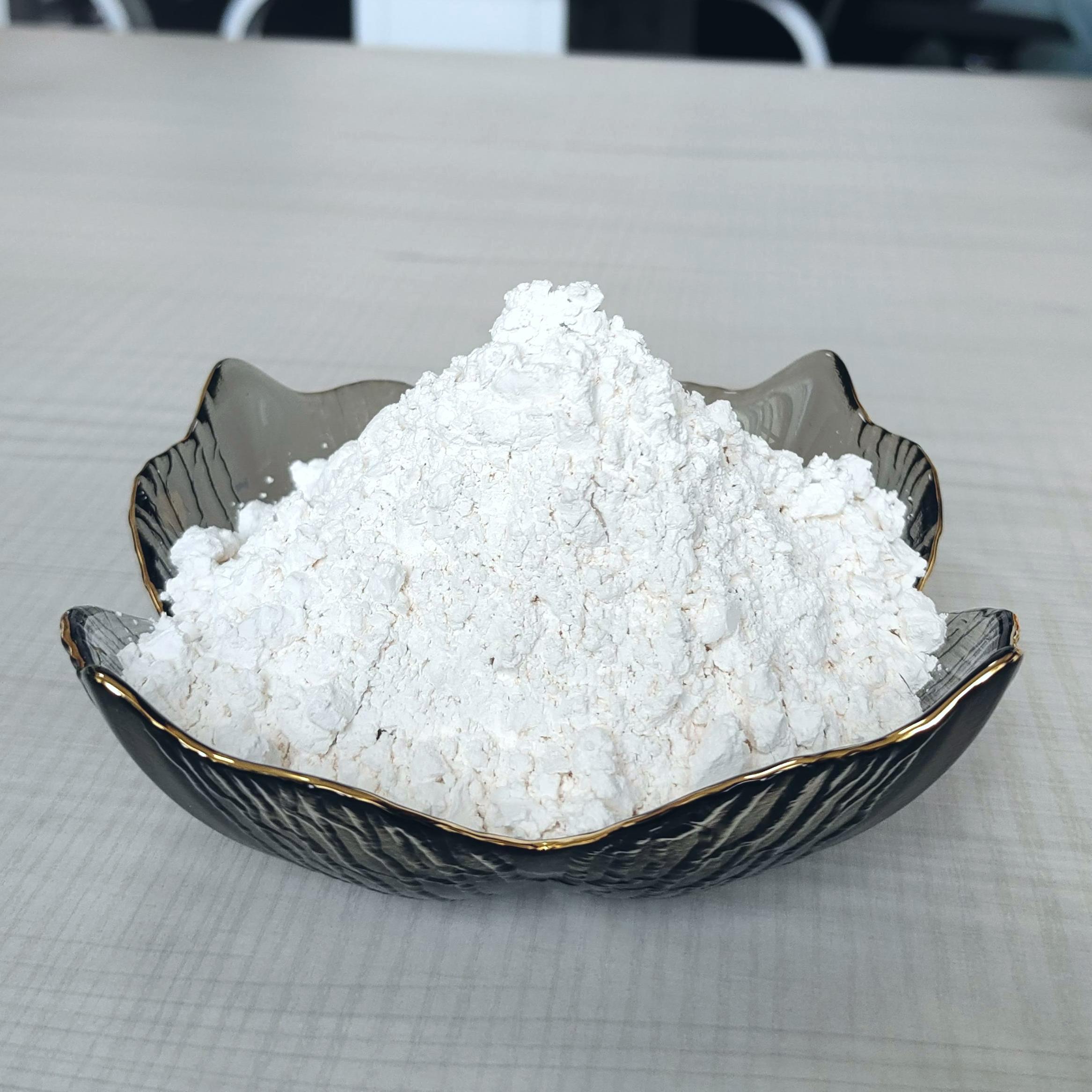
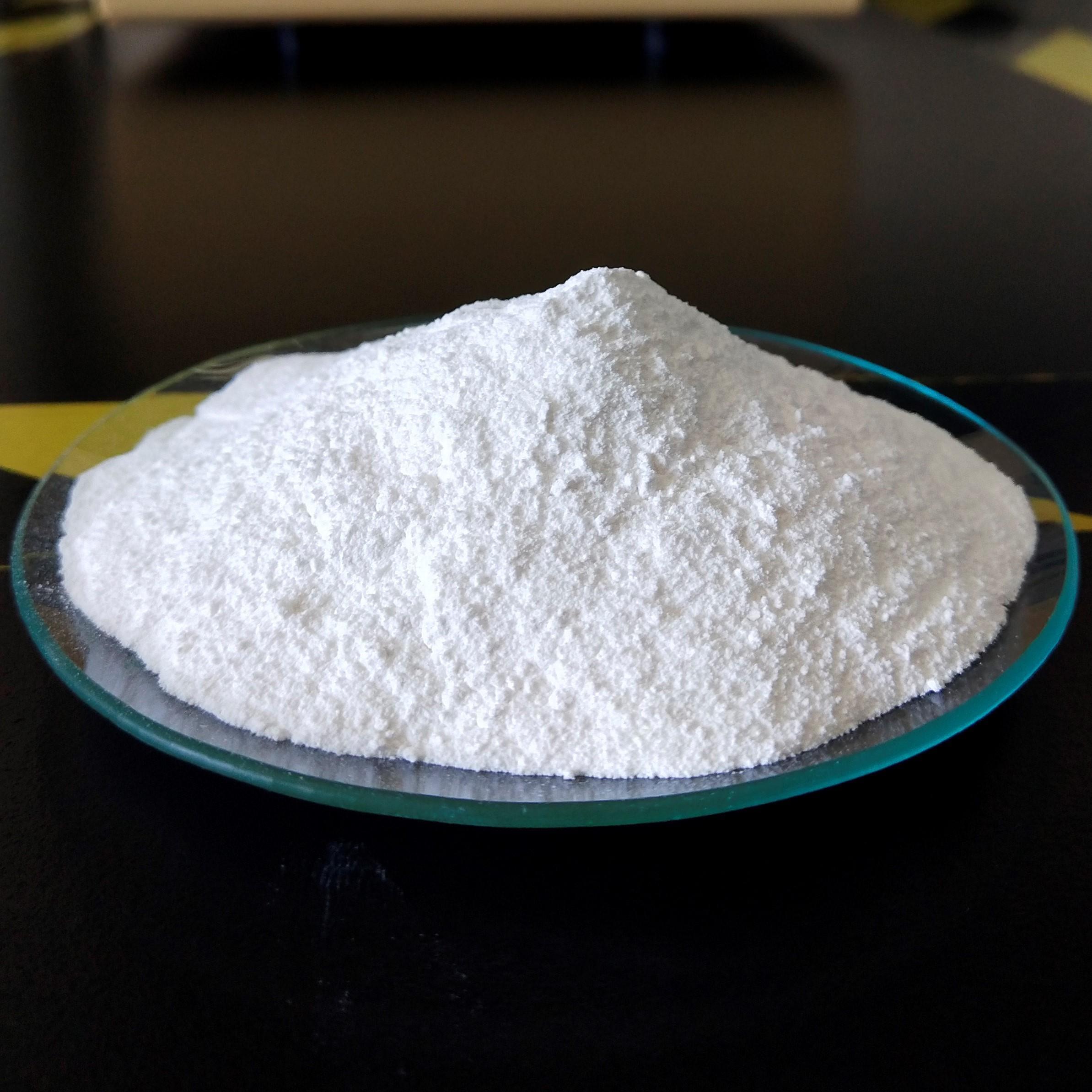
Nano Precipitated Calcium Carbonate (NPCC) is a finely structured material derived from calcium carbonate, which undergoes a unique precipitation process. This process creates particles that are significantly smaller than traditional calcium carbonate, often measuring in the nanoscale range. As a result, NPCC offers superior properties, such as enhanced dispersibility, improved brightness, and increased surface area, making it a valuable additive across various industries.
In recent years, industries have recognized the potential of NPCC in enhancing product performance. From plastics to pharmaceuticals, the versatility of NPCC makes it an essential component in the formulation of high-quality products. This article will explore the myriad benefits and applications of NPCC, providing insights into how it can be leveraged for improved efficiency and sustainability.
2. Key Properties of Nano Precipitated Calcium Carbonate
Understanding the unique properties of NPCC is crucial for leveraging its benefits effectively. Below are some of the key properties that distinguish NPCC from traditional calcium carbonate:
2.1 Particle Size and Morphology
The particle size of NPCC typically ranges from 20 to 200 nanometers, which allows for a larger surface area-to-volume ratio. This fine particle size enhances the material's reactivity and dispersibility in various formulations.
2.2 High Purity and Brightness
NPCC boasts high purity levels, which contribute to its exceptional brightness and whiteness. This makes it an ideal filler for applications where aesthetic quality is vital, such as in paints and coatings.
2.3 Enhanced Mechanical Properties
The addition of NPCC can improve the mechanical strength of composite materials. Its nanoscale particles interlock within the matrix of polymers, contributing to increased tensile strength and durability.
2.4 Non-toxic and Safe for Use
Being a naturally occurring mineral, NPCC is non-toxic and environmentally friendly. This characteristic makes it suitable for applications in the food and pharmaceutical industries, where safety is paramount.
3. Applications of NPCC in Various Industries
The versatility of NPCC allows it to be utilized in a wide range of applications across different industries. Here, we explore some of the most prominent uses of NPCC.
3.1 Role of NPCC in the Plastics Industry
In the plastics industry, NPCC serves as an effective filler that not only reduces production costs but also enhances the mechanical properties of plastic products. By incorporating NPCC, manufacturers can achieve lighter and stronger materials, which are essential for automotive and consumer goods applications.
3.2 Enhancing Paints and Coatings with NPCC
NPCC is increasingly popular in the formulation of paints and coatings due to its high brightness and opacity. Its fine particle size allows for better dispersion, leading to smoother finishes and improved coverage. Additionally, NPCC contributes to the overall durability of paint products, making them more resistant to wear and environmental factors.
3.3 The Impact of NPCC on Rubber Products
When used in rubber products, NPCC improves the physical properties and processing characteristics of rubber compounds. The incorporation of NPCC enhances the elasticity and flexibility of rubber, making it ideal for applications in tires, seals, and gaskets.
3.4 NPCC in Pharmaceuticals and Food Products
The pharmaceutical and food industries benefit from NPCC’s purity and non-toxic nature. It is often used as a filler in tablets and capsules, providing bulk while ensuring safety for consumers. Moreover, NPCC can enhance the bioavailability of certain compounds, making medications more effective.
4. Benefits of Using NPCC in Industrial Applications
The adoption of NPCC in various industrial applications offers several significant benefits:
4.1 Cost-Effectiveness
NPCC acts as a cost-effective substitute for more expensive additives. By reducing the amount of costly raw materials needed, manufacturers can lower production costs while maintaining product quality.
4.2 Improved Performance
The unique properties of NPCC contribute to superior performance in applications where mechanical strength, durability, and aesthetic quality are essential. This leads to higher customer satisfaction and increased market competitiveness.
4.3 Versatility
NPCC can be tailored for specific industrial needs, allowing for customization in applications. This versatility makes it an appealing choice for manufacturers looking to enhance their product offerings.
4.4 Environmentally Friendly
As industries increasingly focus on sustainability, the non-toxic nature of NPCC aligns with environmental goals. Its use can contribute to greener production processes, making it an attractive option for eco-conscious companies.
5. NPCC and Environmental Sustainability
The role of NPCC in promoting sustainability cannot be overstated. As industries strive to reduce their environmental footprint, NPCC offers several advantages:
5.1 Biodegradability
NPCC is derived from natural sources, making it biodegradable and safe for the environment. Its incorporation into products can help reduce reliance on synthetic additives that may pose environmental hazards.
5.2 Energy Efficiency
By enhancing the properties of materials, NPCC can lead to more energy-efficient production processes. For example, lighter materials often require less energy during transportation, contributing to lower greenhouse gas emissions.
5.3 Supporting Circular Economy
The use of NPCC in recyclable products supports the principles of a circular economy. By incorporating sustainable materials, manufacturers can contribute to waste reduction and resource conservation.
6. The Future of Nano Precipitated Calcium Carbonate
The future of NPCC is bright, with emerging trends indicating increased adoption across various sectors. As research continues to unlock new applications and benefits, we can anticipate several developments:
6.1 Innovations in Manufacturing
Advancements in manufacturing technologies will likely improve the production processes of NPCC, enhancing quality and reducing costs further. This could broaden its applicability across even more industries.
6.2 Expanding Applications
As industries continue to innovate, new applications for NPCC may emerge, particularly in advanced materials and nanotechnology. Its potential in electronics, construction, and renewable energy sectors is particularly promising.
6.3 Focus on Sustainability
With the growing emphasis on sustainable practices, NPCC's role will increasingly be recognized as vital for achieving environmental goals. Manufacturers are likely to prioritize its use to align with global sustainability initiatives.
7. Frequently Asked Questions (FAQs)
7.1 What is Nano Precipitated Calcium Carbonate (NPCC)?
NPCC is a form of calcium carbonate characterized by its nanoscale particle size, resulting in enhanced properties such as increased surface area, improved dispersibility, and high purity.
7.2 What industries use NPCC?
NPCC is utilized across various industries, including plastics, paints and coatings, rubber, pharmaceuticals, and food products due to its versatile properties.
7.3 How does NPCC improve product performance?
By enhancing mechanical strength, durability, and aesthetic qualities, NPCC contributes to superior product performance and customer satisfaction.
7.4 Is NPCC environmentally friendly?
Yes, NPCC is a natural mineral, making it biodegradable and non-toxic, which aligns with environmentally sustainable practices.
7.5 What are the future trends for NPCC?
Future trends for NPCC include increased adoption in advanced applications, innovations in manufacturing processes, and a stronger focus on sustainability within various industries.
8. Conclusion
In conclusion, Nano Precipitated Calcium Carbonate (NPCC) represents a remarkable advancement in material science, offering a spectrum of benefits across various industries. Its unique properties, including high purity, fine particle size, and enhanced mechanical characteristics, make it an indispensable additive. As industries seek to improve product performance while adhering to environmental sustainability, NPCC stands at the forefront, poised to revolutionize manufacturing processes. By unlocking the benefits of NPCC, companies can not only enhance their product offerings but also contribute to a more sustainable future. Embracing NPCC is not merely a choice; it is a strategic decision that can drive innovation, efficiency, and sustainability in an ever-evolving industrial landscape.
nano precipitated calcium carbonate

Get in Touch with Us Today

EZ Chemical is one of the best suppliers of calcium carbonate series products in China.
CONTACT US
E-mail: kevin_song@ezchemical.cn
ADD:Room 2008, Building 8, Jinse Yangguang, Xin'an East Road, Xin'anjiang Street, Jiande City, Zhejiang Province, China.