01
2025
-
10
How Heavy Calcium Carbonate Enhances Product Quality in Various Industries
How Heavy Calcium Carbonate Enhances Product Quality in Various Industries Table of Contents 1. Introduction to Heavy Calcium Carbonate 2. Understanding Heavy Calcium Carbonate 3. Applications of Heavy Calcium Carbonate in Industries 3.1 Heavy Calcium Carbonate in the Construction Industry 3.2 Heavy Calcium Carbonate in the Plastics Industry
How Heavy Calcium Carbonate Enhances Product Quality in Various Industries
Table of Contents
- 1. Introduction to Heavy Calcium Carbonate
- 2. Understanding Heavy Calcium Carbonate
- 3. Applications of Heavy Calcium Carbonate in Industries
- 3.1 Heavy Calcium Carbonate in the Construction Industry
- 3.2 Heavy Calcium Carbonate in the Plastics Industry
- 3.3 Heavy Calcium Carbonate in the Paper Industry
- 3.4 Heavy Calcium Carbonate in the Paints and Coatings Industry
- 3.5 Heavy Calcium Carbonate in the Food Industry
- 4. Benefits of Using Heavy Calcium Carbonate
- 5. How Heavy Calcium Carbonate Enhances Product Quality
- 6. Case Studies: Success Stories of Heavy Calcium Carbonate Use
- 7. Future Trends in Heavy Calcium Carbonate Usage
- 8. Frequently Asked Questions
- 9. Conclusion
1. Introduction to Heavy Calcium Carbonate
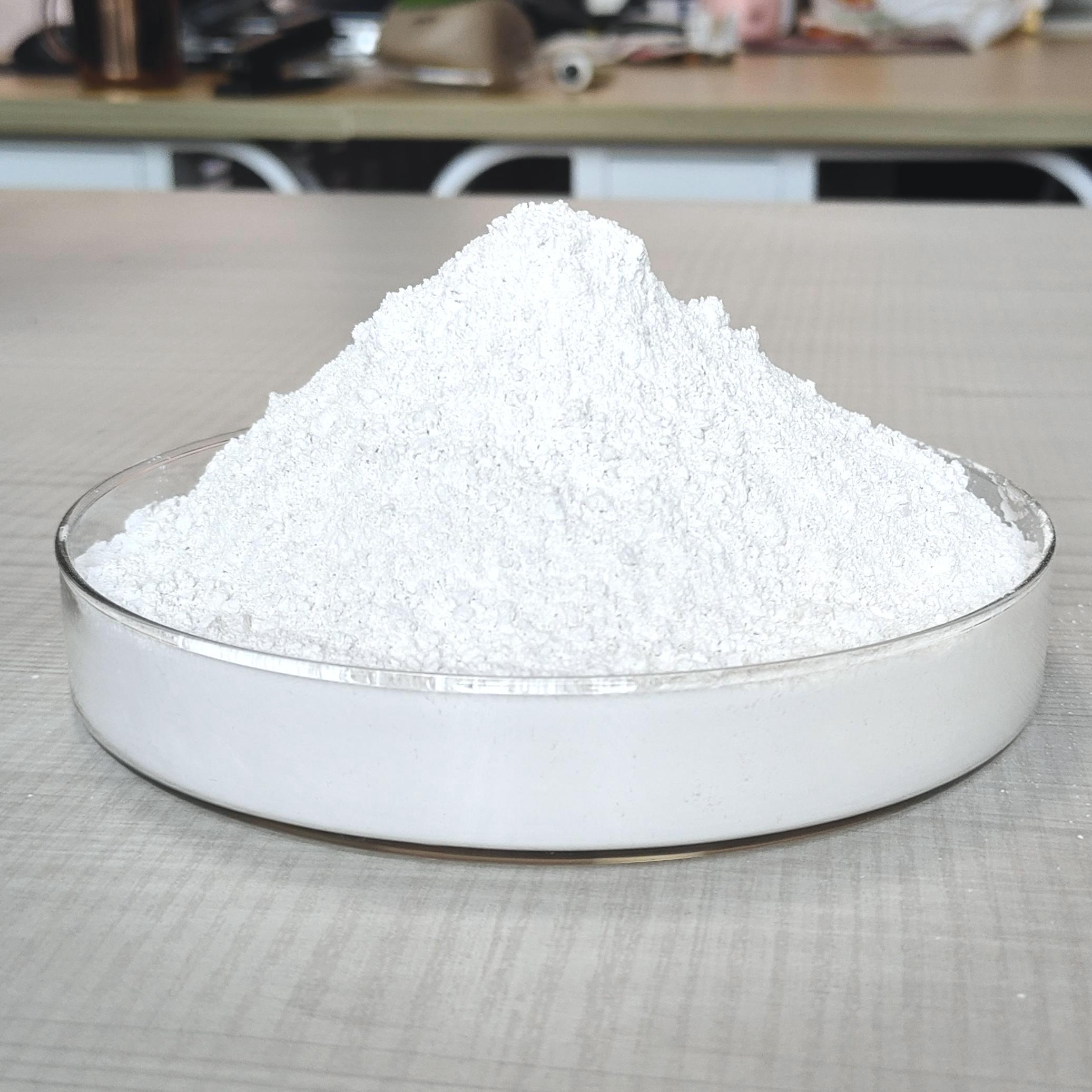
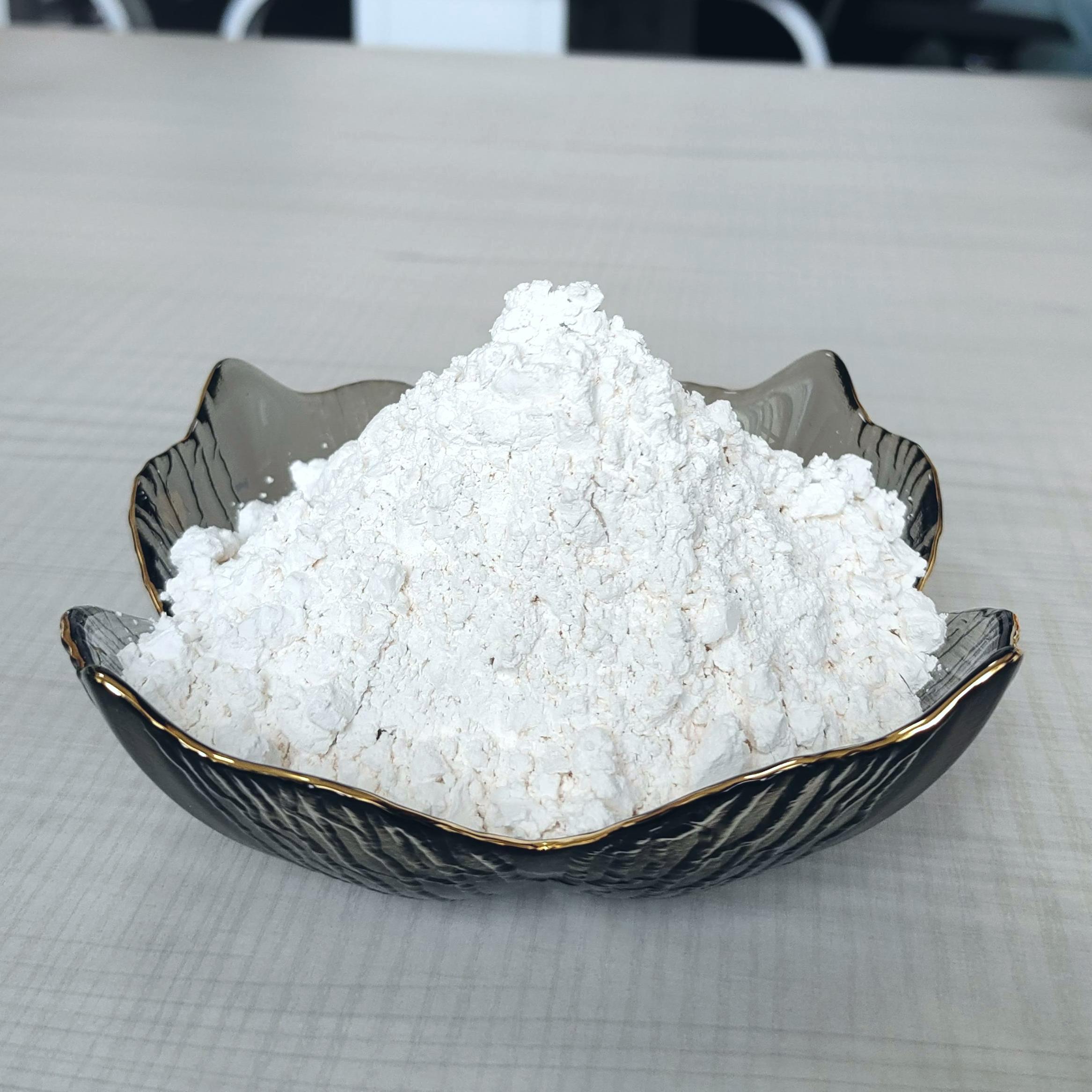
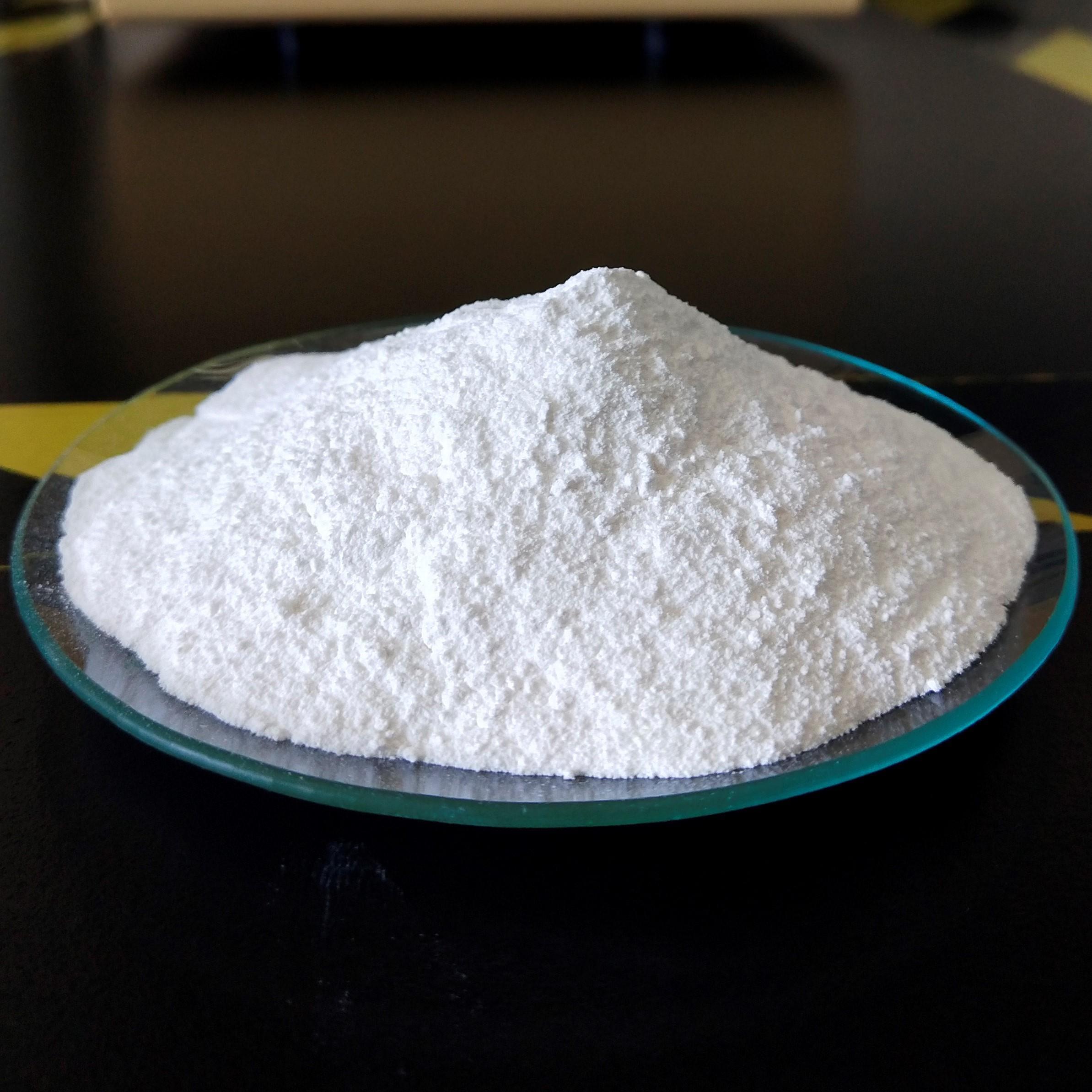
Heavy calcium carbonate (HCC) is a versatile mineral that plays a vital role in enhancing the quality of products across various industries. Often referred to as precipitated calcium carbonate, it is derived from quarried limestone and ground into a fine white powder. The unique properties of HCC, such as its brightness, particle size, and purity, make it an essential additive in numerous manufacturing processes. As industries continue to pursue higher quality standards, the significance of heavy calcium carbonate becomes increasingly apparent.
2. Understanding Heavy Calcium Carbonate
Heavy calcium carbonate is primarily composed of calcium carbonate (CaCO3) and is produced through the mechanical grinding of limestone. This process results in a finer particle size, allowing for better dispersion in various matrices. Key characteristics that define heavy calcium carbonate include:
- **High Purity:** Heavy calcium carbonate typically boasts a purity level exceeding 95%, making it suitable for high-quality applications.
- **Fine Particle Size:** The fine particle size ensures a larger surface area, enhancing its reactivity and effectiveness in diverse applications.
- **Versatility:** Its versatility allows it to serve multiple functions, including as a filler, coater, and reinforcing agent.
The increasing demand for high-performance materials has driven the growth of the heavy calcium carbonate market, with applications stretching across a spectrum of industries.
3. Applications of Heavy Calcium Carbonate in Industries
Heavy calcium carbonate finds its utility across various sectors, significantly enhancing product quality while providing cost-effective solutions. Below, we explore its application in several key industries.
3.1 Heavy Calcium Carbonate in the Construction Industry
In the construction sector, heavy calcium carbonate is utilized as a key ingredient in cement and concrete formulations. Its role includes:
- **Improved Workability:** HCC enhances the workability of concrete, allowing for easier mixing and application.
- **Sustainable Practices:** The use of heavy calcium carbonate can reduce the carbon footprint associated with cement production by replacing a portion of cement with HCC.
- **Strength Enhancement:** It contributes to the overall strength and durability of concrete, making structures more resilient.
The trend towards sustainable construction practices has led to increased reliance on heavy calcium carbonate to enhance both the environmental and structural integrity of construction materials.
3.2 Heavy Calcium Carbonate in the Plastics Industry
Heavy calcium carbonate serves as a crucial filler in the plastic manufacturing process, specifically in products such as:
- **Polyethylene (PE) and Polypropylene (PP):** By incorporating HCC, manufacturers can achieve better mechanical properties and reduced production costs.
- **Improved Aesthetics:** HCC contributes to the brightness and opacity of plastic products, enhancing their visual appeal.
- **Reduced Density:** The addition of heavy calcium carbonate lowers the density of plastics, making them lighter without compromising strength.
This application is particularly beneficial in the production of consumer goods, where product quality and cost-effectiveness are paramount.
3.3 Heavy Calcium Carbonate in the Paper Industry
The paper industry extensively employs heavy calcium carbonate as a filler and coating pigment. Key benefits include:
- **Enhanced Brightness:** HCC improves the brightness of paper products, leading to a more appealing final output.
- **Better Printability:** The fine particle size of heavy calcium carbonate provides a smooth surface for printing, enhancing the quality of printed materials.
- **Cost Efficiency:** Using HCC can reduce production costs by replacing more expensive materials without sacrificing quality.
The integration of heavy calcium carbonate in the paper-making process is a testament to its role in achieving high-quality paper products.
3.4 Heavy Calcium Carbonate in the Paints and Coatings Industry
In the paints and coatings sector, heavy calcium carbonate is valued for its ability to modify the properties of the final product. Benefits include:
- **Increased Opacity:** HCC enhances the opacity of paints, requiring less pigment for a vibrant color.
- **Improved Texture:** The mineral contributes to a smoother texture, enhancing the application experience and finish.
- **Cost-Effectiveness:** Replacing more expensive fillers with heavy calcium carbonate can significantly reduce production costs.
These advantages make heavy calcium carbonate an essential component in formulating high-quality paints and coatings.
3.5 Heavy Calcium Carbonate in the Food Industry
Heavy calcium carbonate serves various functions in the food industry, including:
- **Calcium Fortification:** HCC is often added to food products to enhance their calcium content, promoting better health and nutrition.
- **pH Regulation:** It can be used to regulate acidity levels in various food products, ensuring stability and quality.
- **Texture Enhancement:** HCC improves the texture of certain food items, making them more appealing to consumers.
The use of heavy calcium carbonate in food products highlights its versatility and importance in meeting health standards.
4. Benefits of Using Heavy Calcium Carbonate
The incorporation of heavy calcium carbonate in various industrial applications offers numerous benefits:
- **Cost Reduction:** HCC can substitute more expensive materials, leading to overall cost savings without compromising quality.
- **Product Enhancement:** Its unique properties improve the performance and aesthetic qualities of end products.
- **Sustainability:** Utilizing HCC can reduce environmental impact, especially in construction and manufacturing processes.
- **Versatility:** HCC can be adapted for use in various applications, making it a valuable asset across multiple sectors.
These benefits reinforce the importance of heavy calcium carbonate in modern manufacturing and its potential to drive innovation.
5. How Heavy Calcium Carbonate Enhances Product Quality
The enhancement of product quality through heavy calcium carbonate occurs through several mechanisms:
- **Physical Properties Improvement:** HCC contributes to improved mechanical strength, stability, and durability in various materials.
- **Aesthetic Enhancement:** The brightness and opacity provided by HCC enhance the visual appeal of products, making them more marketable.
- **Functional Benefits:** In applications such as food and pharmaceuticals, the use of HCC can improve the overall functionality of products, making them safer and more effective.
By leveraging the unique properties of heavy calcium carbonate, industries can achieve higher quality standards in their products, ultimately leading to greater customer satisfaction.
6. Case Studies: Success Stories of Heavy Calcium Carbonate Use
Several companies have successfully implemented heavy calcium carbonate to enhance their product quality. Here are a few notable examples:
- **Construction Company X:** By incorporating HCC into their concrete formulations, this company improved the overall strength of their structures while reducing the environmental impact of their processes.
- **Plastic Manufacturer Y:** This company utilized heavy calcium carbonate as a filler in their polyethylene products, achieving significant cost savings while enhancing product durability and aesthetics.
- **Paper Mill Z:** By adding heavy calcium carbonate to their paper-making process, this mill improved the brightness and printability of their paper, resulting in higher customer satisfaction and increased sales.
These case studies illustrate the tangible benefits of using heavy calcium carbonate in various industries, showcasing its impact on product quality and business success.
7. Future Trends in Heavy Calcium Carbonate Usage
As industries continue to evolve, several trends are shaping the future of heavy calcium carbonate usage:
- **Sustainable Practices:** There is a growing emphasis on reducing environmental impact, leading to increased adoption of HCC as a sustainable alternative in multiple applications.
- **Innovative Applications:** Researchers are exploring new uses for heavy calcium carbonate, particularly in advanced materials and nanotechnology.
- **Growing Demand in Emerging Markets:** As developing economies expand, the demand for high-quality materials incorporating HCC will continue to rise.
These trends indicate that heavy calcium carbonate will remain an integral part of industrial processes, driving innovation and sustainability.
8. Frequently Asked Questions
1. What is heavy calcium carbonate?
Heavy calcium carbonate is a fine white powder derived from limestone, primarily composed of calcium carbonate. It is used as a filler and pigment in various industries.
2. How does heavy calcium carbonate enhance product quality?
HCC improves mechanical properties, aesthetic qualities, and functional benefits in products, contributing to higher quality standards and customer satisfaction.
3. What industries use heavy calcium carbonate?
Heavy calcium carbonate is widely used in the construction, plastics, paper, paints, coatings, and food industries, among others.
4. Is heavy calcium carbonate environmentally friendly?
Yes, using heavy calcium carbonate can promote sustainability by reducing the carbon footprint of manufacturing processes and substituting more harmful materials.
5. Can heavy calcium carbonate be used in dietary supplements?
Yes, heavy calcium carbonate is often used to fortify food products with calcium, enhancing nutritional content.
9. Conclusion
Heavy calcium carbonate is a crucial mineral that significantly enhances product quality across various industries. Its unique properties allow manufacturers to improve mechanical strength, aesthetic appeal, and environmental sustainability. As industries continue to seek innovative solutions to meet rising quality standards, the role of heavy calcium carbonate is expected to grow. By leveraging its benefits, companies can not only optimize their processes but also contribute to a more sustainable future. Embracing heavy calcium carbonate is not just a strategic choice but a path toward achieving excellence in product quality and customer satisfaction.
heavy calcium carbonate

Get in Touch with Us Today

EZ Chemical is one of the best suppliers of calcium carbonate series products in China.
CONTACT US
E-mail: kevin_song@ezchemical.cn
ADD:Room 2008, Building 8, Jinse Yangguang, Xin'an East Road, Xin'anjiang Street, Jiande City, Zhejiang Province, China.