01
2025
-
09
The Unmatched Advantages of Coated Calcium Carbonate Across Diverse Industries
The Unmatched Advantages of Coated Calcium Carbonate Across Diverse Industries Table of Contents Introduction to Coated Calcium Carbonate What is Coated Calcium Carbonate? The Production Process of Coated Calcium Carbonate Key Benefits of Using Coated Calcium Carbonate Improved Dispersion Properties Enhanced Product Performance Cost-Eff
The Unmatched Advantages of Coated Calcium Carbonate Across Diverse Industries
Table of Contents
- Introduction to Coated Calcium Carbonate
- What is Coated Calcium Carbonate?
- The Production Process of Coated Calcium Carbonate
- Key Benefits of Using Coated Calcium Carbonate
- Improved Dispersion Properties
- Enhanced Product Performance
- Cost-Effectiveness
- Environmental Benefits
- Applications of Coated Calcium Carbonate in Various Industries
- Future Trends in Coated Calcium Carbonate Use
- Conclusion
- FAQs
Introduction to Coated Calcium Carbonate
Coated calcium carbonate (CaCO3) has emerged as a crucial additive in various industries due to its unique properties and versatility. By enhancing product characteristics and improving manufacturing processes, coated calcium carbonate plays an essential role in modern production methods. This article delves into the numerous advantages of using coated calcium carbonate and its applications across different sectors.
What is Coated Calcium Carbonate?
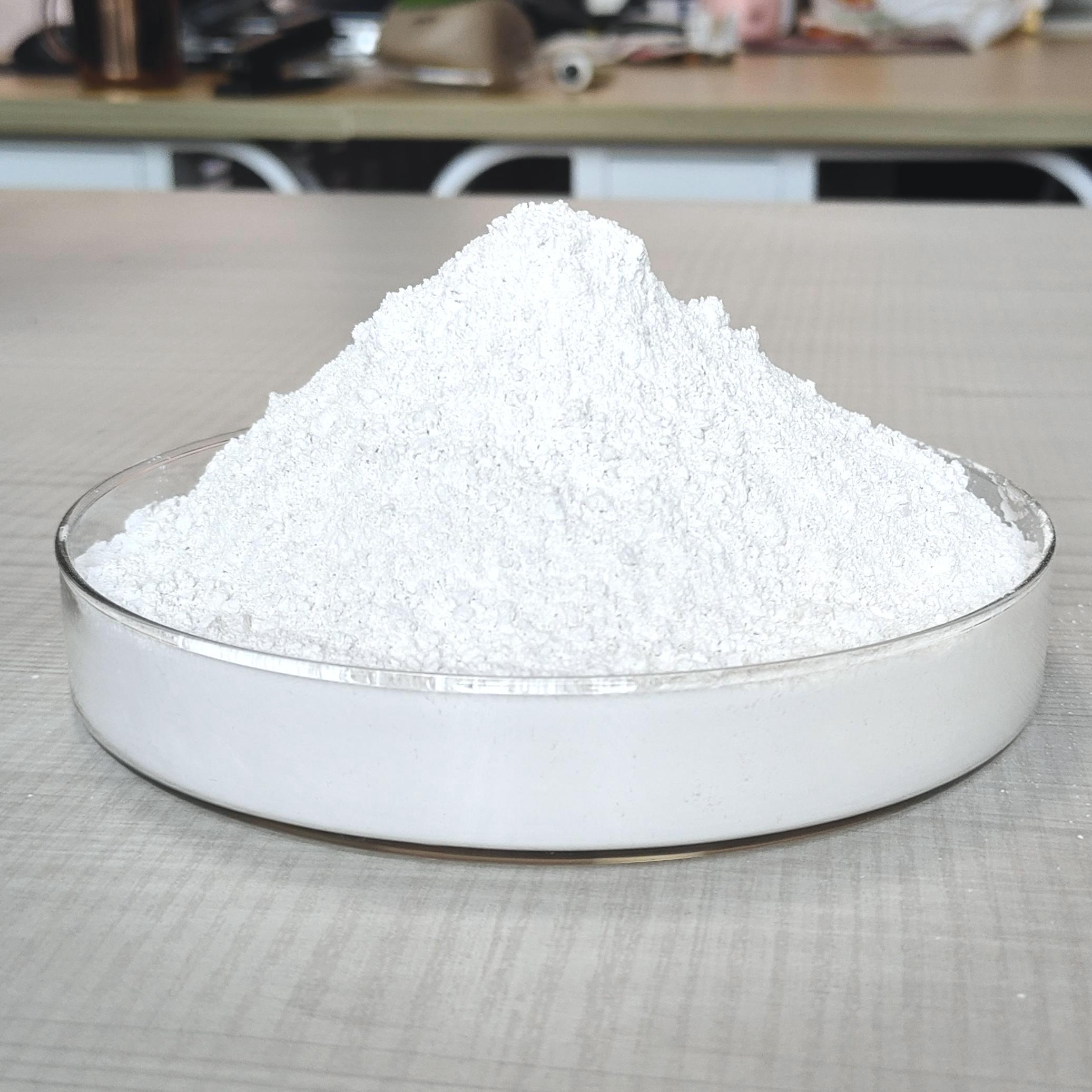
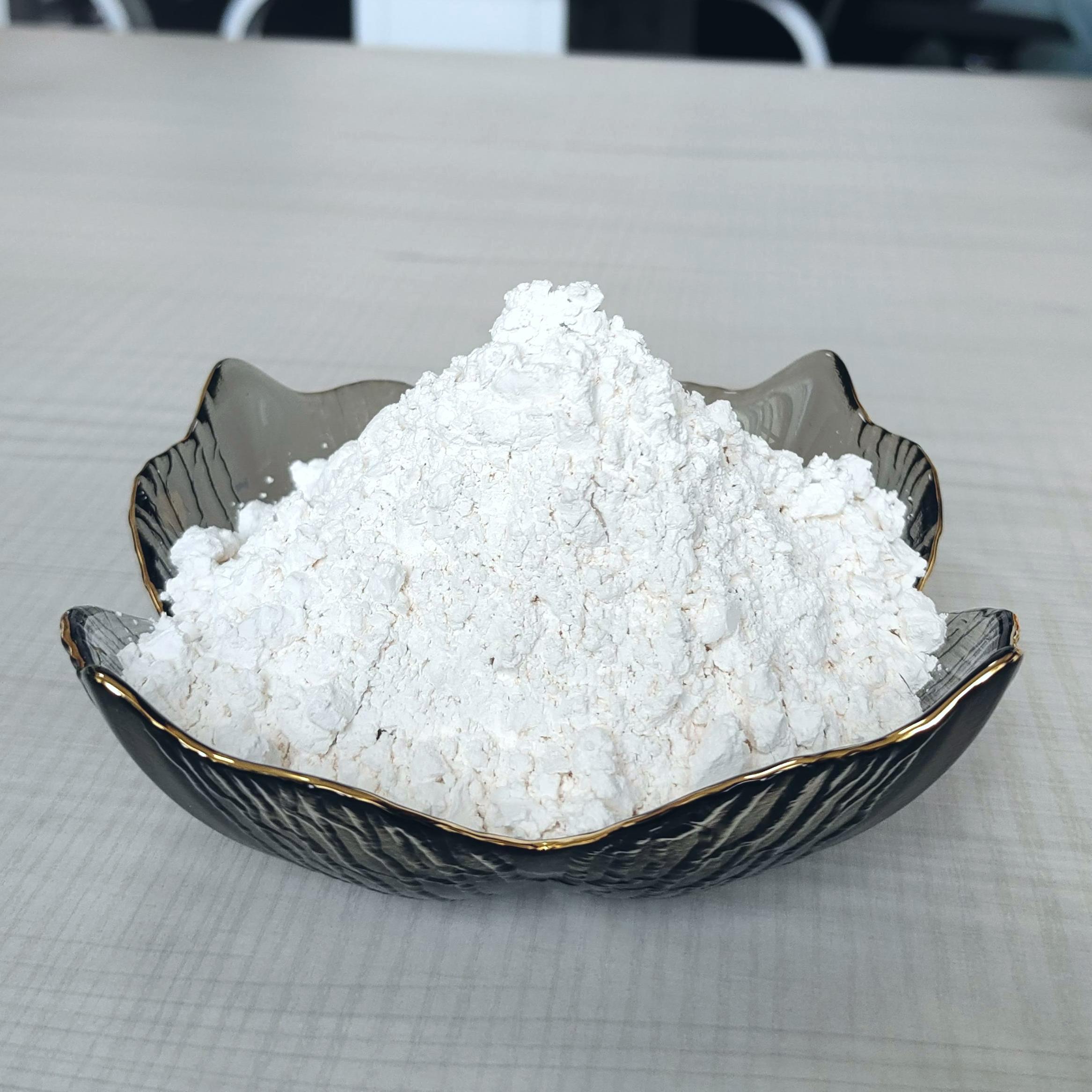
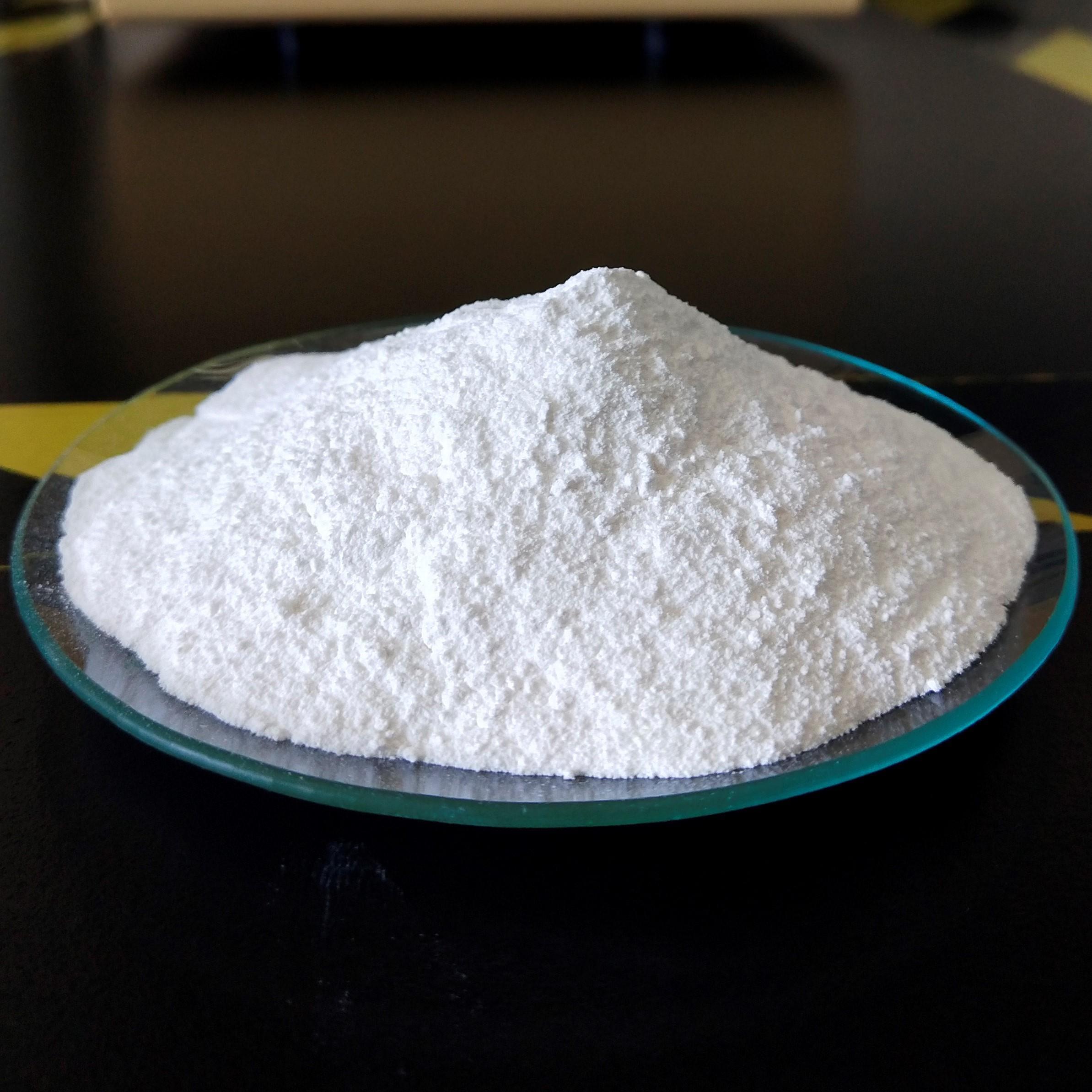
Coated calcium carbonate refers to calcium carbonate particles that have undergone a surface modification process. This coating, typically comprised of stearic acid or other organic compounds, alters the surface properties of the calcium carbonate, making it more suitable for use in various applications. The coating process not only improves the dispersion and compatibility of the calcium carbonate in various matrices but also enhances its performance characteristics.
The Production Process of Coated Calcium Carbonate
The production of coated calcium carbonate involves several critical steps. Initially, high-purity calcium carbonate is sourced. Following this, the calcium carbonate is subjected to a coating process where it is mixed with a coating agent, often in a controlled environment. This process ensures uniform coverage of the particles, enhancing their surface properties. Finally, the coated particles are dried and processed to achieve the desired particle size and distribution.
Key Benefits of Using Coated Calcium Carbonate
Improved Dispersion Properties
One of the main advantages of coated calcium carbonate is its excellent dispersion properties. The coating process reduces agglomeration, allowing for a more uniform distribution within various matrices. This property is particularly beneficial in industries such as plastics and paints, where even dispersion is crucial for maintaining product quality.
Enhanced Product Performance
Coated calcium carbonate enhances the performance of end products by improving their mechanical and physical properties. For instance, in the plastics industry, it can increase tensile strength and impact resistance. In coatings, it enhances gloss and durability, making it an indispensable additive for manufacturers aiming for high-quality products.
Cost-Effectiveness
Using coated calcium carbonate can lead to significant cost savings for manufacturers. Its ability to replace more expensive raw materials without compromising quality allows companies to optimize their production costs. Furthermore, the improved performance characteristics often lead to lower rejection rates and reduced rework, further enhancing cost efficiency.
Environmental Benefits
Coated calcium carbonate is an environmentally friendly alternative to synthetic additives. As a naturally occurring mineral, its use in various applications can reduce reliance on petrochemical products. Moreover, many coated calcium carbonate products are biodegradable, making them a sustainable choice for environmentally conscious manufacturers.
Applications of Coated Calcium Carbonate in Various Industries
1. Plastics Industry
In the plastics industry, coated calcium carbonate serves as a filler and a reinforcing agent. It improves the mechanical properties of plastic products while reducing production costs. The coated particles enhance the overall quality by providing better impact resistance and a smoother finish.
2. Paints and Coatings
Coated calcium carbonate is widely used in paints and coatings, where it contributes to improved opacity, gloss, and durability. The unique dispersion properties of coated calcium carbonate allow for smoother application and better adhesion, resulting in high-quality finished products.
3. Paper Industry
In the paper industry, coated calcium carbonate is used as a filler and coating material. It enhances the brightness and smoothness of paper products, leading to better printing quality. The use of coated calcium carbonate can also reduce the amount of expensive white pigments needed, contributing to cost savings.
4. Pharmaceuticals
The pharmaceutical industry utilizes coated calcium carbonate as an excipient in formulations. Its properties contribute to improved bioavailability and stability of active ingredients, making it a valuable component in tablet and powder formulations.
5. Food Additives
In the food industry, coated calcium carbonate is often used as a food additive and a calcium supplement. Its non-toxic nature, along with its ability to enhance the texture and stability of food products, makes it an ideal choice for manufacturers seeking quality and safety in their offerings.
Future Trends in Coated Calcium Carbonate Use
As industries continue to evolve, the demand for coated calcium carbonate is expected to grow. Innovations in coating technologies and formulations will likely lead to enhanced performance characteristics, opening new applications in various sectors. Additionally, the increasing focus on sustainability and eco-friendliness will drive manufacturers to adopt coated calcium carbonate as a viable alternative to synthetic additives.
Conclusion
Coated calcium carbonate offers unparalleled benefits across multiple industries, including enhanced product performance, cost-effectiveness, and environmental sustainability. Its versatile applications in plastics, paints, paper, pharmaceuticals, and food industries highlight its significance as a crucial additive. As companies strive for superior quality and efficiency, the adoption of coated calcium carbonate is poised to increase, paving the way for future innovations and advancements.
FAQs
1. What is coated calcium carbonate used for?
Coated calcium carbonate is used across various industries as a filler and reinforcing agent, enhancing product performance in plastics, paints, paper, pharmaceuticals, and food products.
2. How does coated calcium carbonate improve product quality?
The unique properties of coated calcium carbonate, such as improved dispersion and mechanical strength, contribute to better product quality by enhancing characteristics like gloss, durability, and stability.
3. Is coated calcium carbonate environmentally friendly?
Yes, coated calcium carbonate is a naturally occurring mineral, making it a more sustainable alternative to synthetic additives. Many coated products are also biodegradable.
4. Can coated calcium carbonate help reduce production costs?
Absolutely. Its ability to replace more expensive raw materials while maintaining product quality leads to significant cost savings in manufacturing processes.
5. Are there any health concerns related to coated calcium carbonate?
Coated calcium carbonate is generally recognized as safe for use in food and pharmaceuticals. It is non-toxic and widely used as an excipient and food additive. However, it's always best to consult safety data sheets for specific applications.
coated calcium carbonate

Get in Touch with Us Today

EZ Chemical is one of the best suppliers of calcium carbonate series products in China.
CONTACT US
E-mail: kevin_song@ezchemical.cn
ADD:Room 2008, Building 8, Jinse Yangguang, Xin'an East Road, Xin'anjiang Street, Jiande City, Zhejiang Province, China.