11
2025
-
10
The Role of Heavy Calcium Carbonate in Eco-Friendly Manufacturing Processes
The Role of Heavy Calcium Carbonate in Eco-Friendly Manufacturing Processes Table of Contents Introduction to Heavy Calcium Carbonate What is Heavy Calcium Carbonate? Benefits of Heavy Calcium Carbonate in Manufacturing Applications of Heavy Calcium Carbonate in Eco-Friendly Manufacturing Production Methods of Heavy Calcium Carbonate
The Role of Heavy Calcium Carbonate in Eco-Friendly Manufacturing Processes
Table of Contents
- Introduction to Heavy Calcium Carbonate
- What is Heavy Calcium Carbonate?
- Benefits of Heavy Calcium Carbonate in Manufacturing
- Applications of Heavy Calcium Carbonate in Eco-Friendly Manufacturing
- Production Methods of Heavy Calcium Carbonate
- Environmental Impact of Heavy Calcium Carbonate
- Case Studies: Heavy Calcium Carbonate in Action
- Future Outlook for Heavy Calcium Carbonate in Sustainable Manufacturing
- Frequently Asked Questions
- Conclusion
Introduction to Heavy Calcium Carbonate
Heavy calcium carbonate, often referred to as precipitated calcium carbonate (PCC) or ground calcium carbonate (GCC), has carved out a significant niche in the realm of eco-friendly manufacturing. With increasing environmental concerns, manufacturers are continuously seeking sustainable materials that can maintain product quality while reducing ecological footprints. Heavy calcium carbonate presents a viable solution, merging performance with environmental responsibility.
What is Heavy Calcium Carbonate?
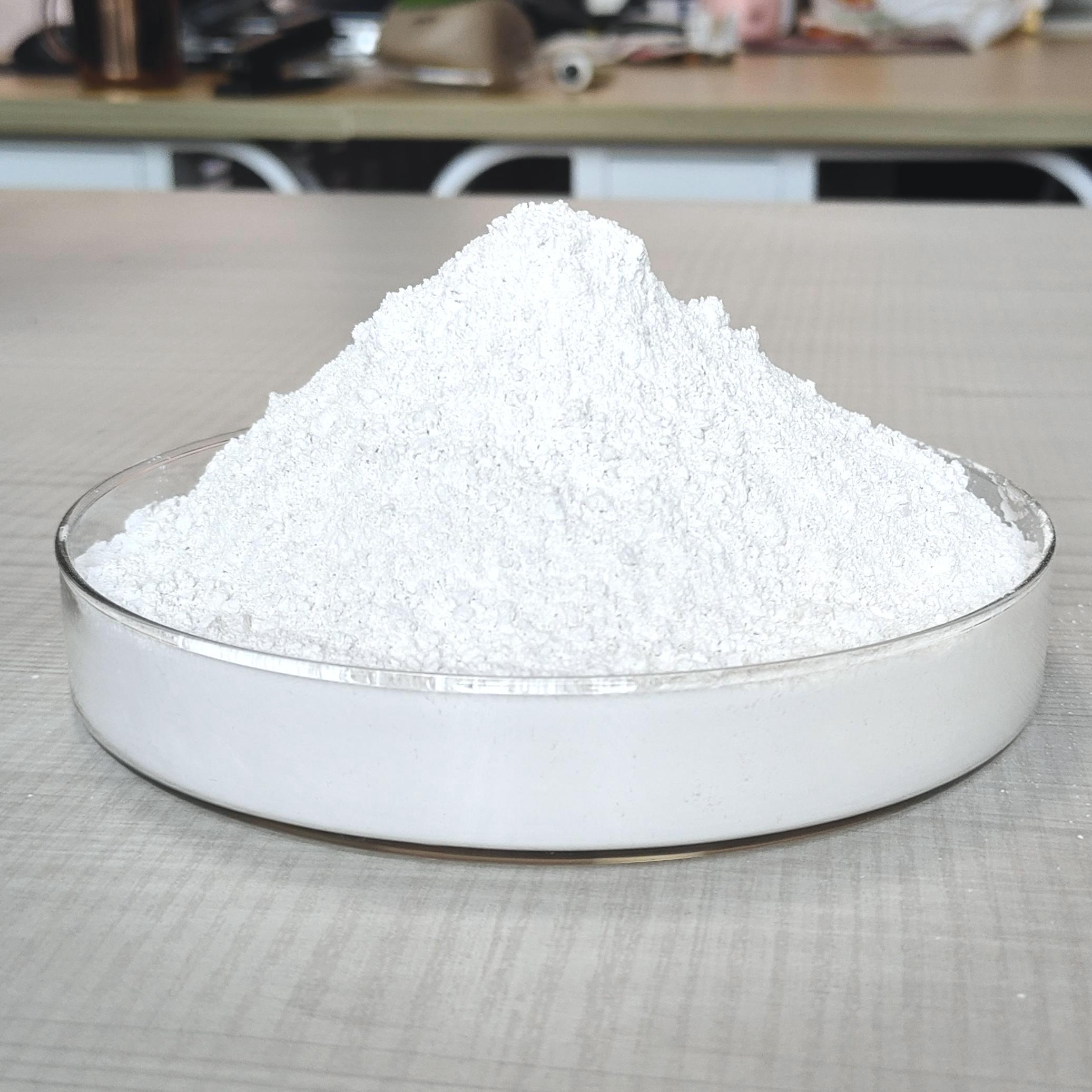
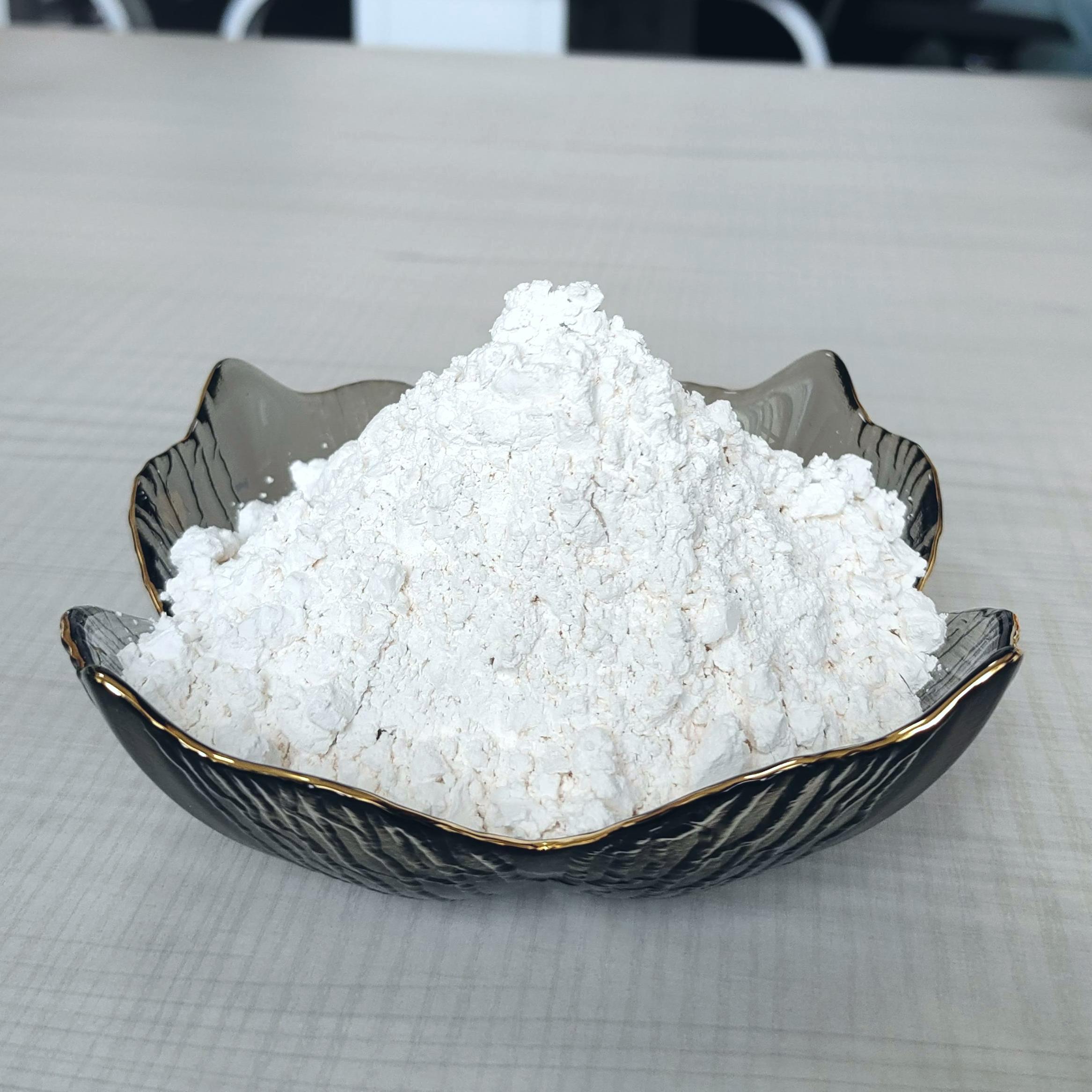
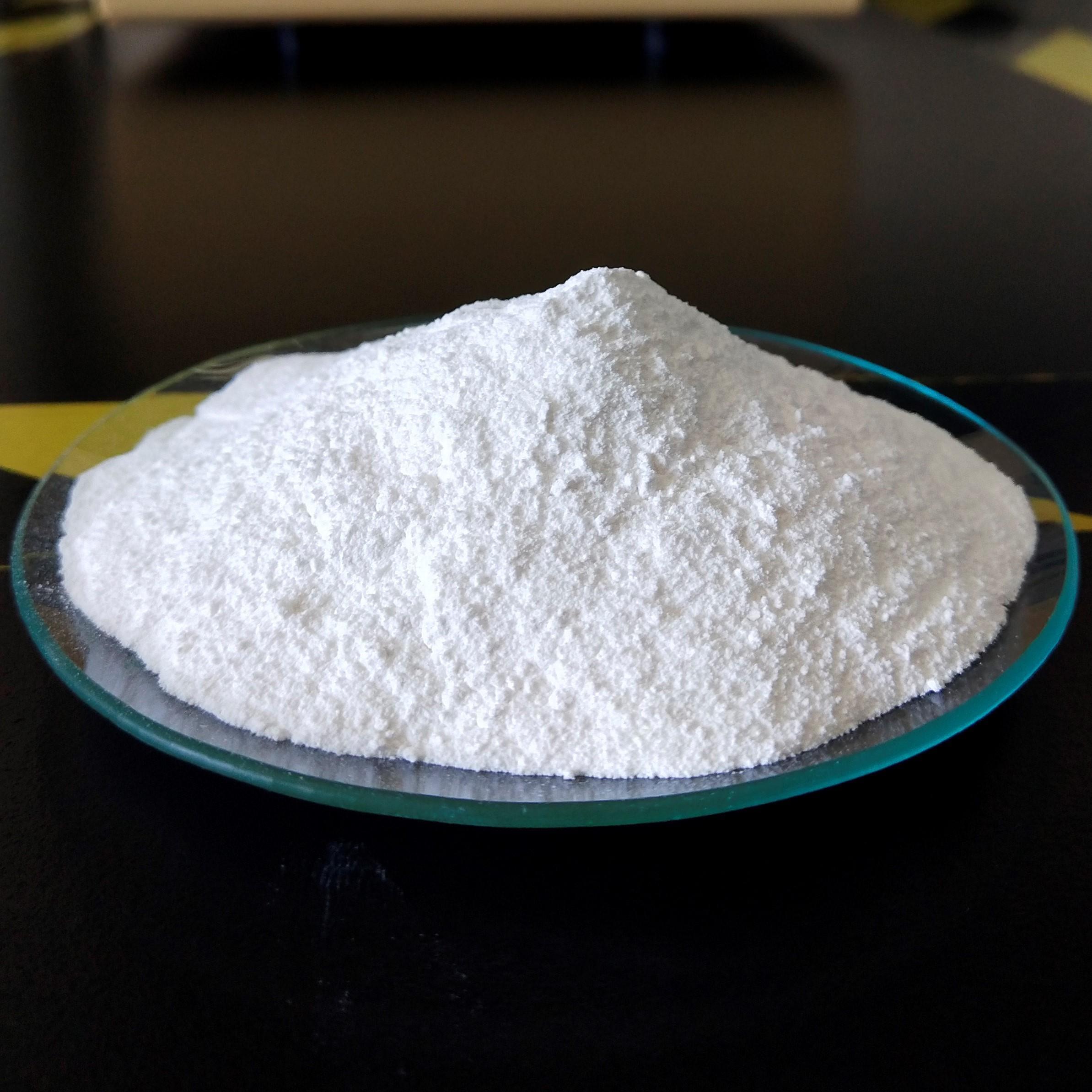
Heavy calcium carbonate is a white powder made from high-purity limestone through various processes such as crushing, grinding, and classification. Unlike other forms of calcium carbonate, heavy calcium carbonate is characterized by its larger particle size and higher density, making it suitable for various industrial applications. This versatile material is commonly used in the production of plastics, paints, rubber, and paper, offering unique properties such as opacity, brightness, and improved mechanical performance.
Properties of Heavy Calcium Carbonate
Heavy calcium carbonate boasts several important properties that contribute to its effectiveness in eco-friendly manufacturing:
- **High Purity**: Heavy calcium carbonate is typically produced from high-quality limestone, making it free from impurities that could affect product quality.
- **Particle Size Variability**: The ability to control the particle size allows manufacturers to tailor heavy calcium carbonate for specific applications.
- **Chemical Stability**: Its stability ensures that it retains its properties throughout the manufacturing process, leading to consistent product quality.
Benefits of Heavy Calcium Carbonate in Manufacturing
Utilizing heavy calcium carbonate in manufacturing processes offers numerous benefits, particularly in promoting sustainability. Here are some of the key advantages:
1. Eco-Friendly Nature
Heavy calcium carbonate is derived from a natural mineral source, making it a more eco-friendly alternative compared to synthetic additives. Its use helps reduce the reliance on petroleum-based materials, contributing to a lower carbon footprint.
2. Cost-Effectiveness
Heavy calcium carbonate is typically less expensive than many alternative materials. Its affordability allows manufacturers to reduce production costs while maintaining product quality.
3. Improved Product Performance
Incorporating heavy calcium carbonate into formulations enhances the physical properties of end products. This includes improved opacity, brightness, and consistency, all of which contribute to better customer satisfaction.
4. Versatile Applications
The versatility of heavy calcium carbonate allows it to be utilized across various industries, including automotive, construction, and food packaging. This adaptability makes it an essential component in many manufacturing processes.
Applications of Heavy Calcium Carbonate in Eco-Friendly Manufacturing
Heavy calcium carbonate finds extensive applications in several eco-friendly manufacturing sectors. Below are some prominent uses:
1. Plastics Industry
In the plastics industry, heavy calcium carbonate serves as a filler that enhances tensile strength while reducing resin usage. This not only makes plastic products lighter but also minimizes material waste.
2. Paints and Coatings
Heavy calcium carbonate is a popular choice in paints and coatings due to its excellent opacity and whiteness. By using heavy calcium carbonate, manufacturers can create environmentally friendly formulations that emit fewer volatile organic compounds (VOCs).
3. Paper Industry
In paper manufacturing, heavy calcium carbonate improves brightness and printability. Its use allows for the production of high-quality paper with reduced environmental impact.
4. Rubber Manufacturing
Heavy calcium carbonate enhances the elasticity and durability of rubber products. By incorporating it into rubber formulations, manufacturers can produce eco-friendly rubber with improved performance characteristics.
Production Methods of Heavy Calcium Carbonate
The production of heavy calcium carbonate involves several methods, each contributing to its final quality and characteristics. The most common production methods include:
1. Dry Process
In the dry process, limestone is crushed and ground into fine particles. This method is simple and cost-effective, but it may result in a product with lower purity compared to other methods.
2. Wet Process
The wet process involves reacting limestone with hydrochloric acid to produce calcium chloride, which is then precipitated to form heavy calcium carbonate. This method yields a higher purity product, making it suitable for applications where quality is paramount.
3. Surface Modification
To enhance the properties of heavy calcium carbonate, manufacturers often employ surface modification techniques. This includes coating the particles with surfactants to improve dispersion, compatibility, and performance in various applications.
Environmental Impact of Heavy Calcium Carbonate
Heavy calcium carbonate plays a significant role in minimizing the environmental impact of manufacturing processes. Here are some key aspects to consider:
1. Reduced Carbon Emissions
By substituting synthetic additives with heavy calcium carbonate, manufacturers can significantly lower greenhouse gas emissions associated with production. This transition supports global efforts to mitigate climate change.
2. Sustainable Resource Management
Heavy calcium carbonate is derived from abundant natural resources. Its responsible extraction and use promote sustainable industrial practices, ensuring that future generations can benefit from these materials.
3. Waste Reduction
Incorporating heavy calcium carbonate into manufacturing processes can lead to reduced waste generation. Its use as a filler material allows for a decrease in the overall quantity of raw materials needed, minimizing waste production.
Case Studies: Heavy Calcium Carbonate in Action
Examining real-world examples can provide insights into how heavy calcium carbonate is being successfully integrated into sustainable manufacturing processes.
1. Case Study: Eco-Friendly Paints
A leading paint manufacturer implemented heavy calcium carbonate as a primary filler in its eco-friendly product line. The result was a significant reduction in VOC emissions and improved product performance, meeting stringent environmental regulations and consumer demands.
2. Case Study: Sustainable Plastics
A company in the plastics industry utilized heavy calcium carbonate to enhance the properties of its biodegradable plastics. The incorporation of this natural filler reduced the reliance on petroleum-based materials, leading to a more sustainable product offering.
Future Outlook for Heavy Calcium Carbonate in Sustainable Manufacturing
The future of heavy calcium carbonate in eco-friendly manufacturing appears promising. As industries continue to prioritize sustainability, we can expect:
1. Increased Demand
With growing environmental consciousness, the demand for sustainable materials like heavy calcium carbonate is likely to increase across various sectors.
2. Innovation in Applications
Ongoing research and development will likely lead to new and innovative applications for heavy calcium carbonate, expanding its role in eco-friendly manufacturing processes.
3. Enhanced Production Techniques
Advancements in production technologies may further enhance the quality and characteristics of heavy calcium carbonate, making it an even more attractive option for manufacturers focused on sustainability.
Frequently Asked Questions
1. What are the main uses of heavy calcium carbonate in manufacturing?
Heavy calcium carbonate is widely used in plastics, paints, rubber, and paper industries, where it acts as a filler and enhances product performance.
2. Is heavy calcium carbonate environmentally friendly?
Yes, heavy calcium carbonate is derived from natural resources and helps reduce reliance on synthetic materials, making it an eco-friendly choice in manufacturing.
3. How does heavy calcium carbonate improve product quality?
It enhances properties such as opacity, brightness, and tensile strength, contributing to better overall product performance.
4. What production methods are used for heavy calcium carbonate?
Heavy calcium carbonate can be produced through dry and wet processes, with surface modification techniques often applied to enhance its properties.
5. What is the future of heavy calcium carbonate in manufacturing?
With increasing sustainability efforts, the demand for heavy calcium carbonate is expected to grow, leading to new applications and advancements in production techniques.
Conclusion
Heavy calcium carbonate is paving the way for more eco-friendly manufacturing processes across various industries. Its natural origins, cost-effectiveness, and versatility make it an invaluable resource in the quest for sustainable solutions. As we move towards a greener future, the role of heavy calcium carbonate will only become more critical, enabling manufacturers to meet both environmental and product quality standards. By integrating this vital material into their processes, industries can significantly reduce their ecological impact while enhancing the functionality and performance of their products.
heavy calcium carbonate

Get in Touch with Us Today

EZ Chemical is one of the best suppliers of calcium carbonate series products in China.
CONTACT US
E-mail: kevin_song@ezchemical.cn
ADD:Room 2008, Building 8, Jinse Yangguang, Xin'an East Road, Xin'anjiang Street, Jiande City, Zhejiang Province, China.