09
2026
-
04
Discover the Remarkable Benefits of Food-Grade Calcium Carbonate in Your Diet
Discover the Remarkable Benefits of Food-Grade Calcium Carbonate in Your Diet Table of Contents 1. Understanding Calcium Carbonate: A Natural Mineral 2. The Role of Calcium in Our Bodies 3. What is Food-Grade Calcium Carbonate? 4. Health Benefits of Food-Grade Calcium Carbonate 4.1 Promoting Bone Health 4.2 Supporting Digestive Health 4.3 Enhancing Nutrient Absorption 4.4 Acting as a Natural Antac
Discover the Remarkable Benefits of Food-Grade Calcium Carbonate in Your Diet
Table of Contents
1. Understanding Calcium Carbonate: A Natural Mineral
2. The Role of Calcium in Our Bodies
3. What is Food-Grade Calcium Carbonate?
4. Health Benefits of Food-Grade Calcium Carbonate
4.1 Promoting Bone Health
4.2 Supporting Digestive Health
4.3 Enhancing Nutrient Absorption
4.4 Acting as a Natural Antacid
4.5 Contributing to Heart Health
5. How to Incorporate Food-Grade Calcium Carbonate into Your Diet
6. Safety and Dosage Considerations
7. Frequently Asked Questions
8. Conclusion
1. Understanding Calcium Carbonate: A Natural Mineral
Calcium carbonate is a **naturally occurring mineral** that is found in various geological formations, including limestone and marble. It plays a crucial role in environmental and biological processes. In the context of human health, calcium carbonate serves as a vital source of calcium, an essential nutrient required for numerous bodily functions.
2. The Role of Calcium in Our Bodies
Calcium is fundamental to maintaining **strong bones and teeth**, facilitating muscle function, and regulating nerve transmission. In fact, nearly 99% of the body’s calcium is stored in the bones, while the remaining 1% circulates in the blood, where it is necessary for critical physiological functions. Adequate calcium intake is essential for preventing osteoporosis and other bone-related issues.
3. What is Food-Grade Calcium Carbonate?
Food-grade calcium carbonate is a **purified form** of calcium carbonate that meets safety standards for human consumption. Unlike industrial-grade calcium carbonate, which may contain impurities and is unsuitable for dietary use, food-grade calcium carbonate is processed to remove contaminants. This makes it a suitable option for fortifying foods and supplements.
4. Health Benefits of Food-Grade Calcium Carbonate
The incorporation of food-grade calcium carbonate in one's diet can yield numerous health benefits. Below are some of the key advantages:
4.1 Promoting Bone Health
Calcium is crucial for **bone development and maintenance**. By providing the body with an adequate supply of calcium through food-grade calcium carbonate, individuals can help prevent bone density loss, particularly as they age. Regular consumption contributes to stronger bones and reduces the risk of fractures.
4.2 Supporting Digestive Health
Food-grade calcium carbonate can also improve digestive health. It assists in neutralizing stomach acids, making it an effective remedy for **acid reflux and indigestion**. By alleviating symptoms associated with hyperacidity, it promotes a more comfortable digestive process.
4.3 Enhancing Nutrient Absorption
Calcium plays a significant role in the **absorption of other nutrients**, such as vitamin D and magnesium. By incorporating food-grade calcium carbonate into your diet, you may enhance your body’s ability to absorb these essential vitamins and minerals, leading to improved overall health.
4.4 Acting as a Natural Antacid
Food-grade calcium carbonate serves as a powerful **natural antacid**. It helps to neutralize stomach acid, providing quick relief for individuals suffering from heartburn or indigestion. Unlike over-the-counter antacids, which may have side effects, food-grade calcium carbonate is a safer alternative for managing occasional digestive discomfort.
4.5 Contributing to Heart Health
Calcium is vital for maintaining a healthy cardiovascular system. Adequate calcium intake through food-grade calcium carbonate can help regulate blood pressure and support **heart function**. Some studies suggest that a balanced intake of calcium contributes to lower risks of cardiovascular diseases.
5. How to Incorporate Food-Grade Calcium Carbonate into Your Diet
Integrating food-grade calcium carbonate into your daily routine can be easy and effective. Here are several ways to do so:
1. **Calcium-Fortified Foods**: Look for calcium-fortified beverages, like orange juice or plant-based milks, which often contain food-grade calcium carbonate as an additive.
2. **Supplements**: Calcium carbonate supplements are widely available. However, it is essential to consult with a healthcare professional before starting any supplement regimen to ensure appropriate dosage and safety.
3. **Baking**: Food-grade calcium carbonate can be used in baking as a leavening agent. It reacts with acidic components in recipes, producing carbon dioxide that helps baked goods rise.
4. **Smoothies**: Adding a small amount of food-grade calcium carbonate powder to smoothies can boost calcium content without altering the taste significantly.
5. **Culinary Uses**: It can also be added to certain recipes, such as soups and sauces, where it can dissolve without changing the food's flavor.
6. Safety and Dosage Considerations
While food-grade calcium carbonate is generally safe for consumption, it is crucial to adhere to recommended guidelines. The **recommended dietary allowance (RDA)** for calcium varies by age and gender, with adults typically needing 1,000 mg per day. Excessive calcium intake can lead to health issues, including kidney stones and impaired absorption of other minerals. Always consult a healthcare professional before starting any new supplement.
7. Frequently Asked Questions
What is the difference between food-grade and industrial-grade calcium carbonate?
Food-grade calcium carbonate is processed and purified for human consumption, while industrial-grade calcium carbonate contains impurities and is unsuitable for dietary use.
Can food-grade calcium carbonate help with weight loss?
While food-grade calcium carbonate can support overall health, it is not a weight-loss supplement. A balanced diet and regular exercise remain essential for effective weight management.
Is food-grade calcium carbonate safe for children?
Yes, food-grade calcium carbonate can be safe for children when used in appropriate amounts. However, it is advisable to consult a pediatrician before giving calcium supplements to children.
How can I tell if I need more calcium in my diet?
Signs of calcium deficiency may include brittle nails, muscle cramps, and dental issues. A healthcare professional can provide personalized advice based on dietary habits and health status.
Are there any side effects associated with food-grade calcium carbonate?
Consumption of food-grade calcium carbonate is generally safe, but excessive intake may lead to gastrointestinal discomfort, constipation, or kidney stones. Moderation is key.
8. Conclusion
Incorporating food-grade calcium carbonate into your diet is a simple yet effective way to enhance your overall health. From promoting bone strength to supporting digestive well-being, the benefits of this essential mineral are significant. By understanding how to safely include food-grade calcium carbonate in your nutrition, you can take proactive steps toward a healthier lifestyle. Always remember to consult healthcare professionals regarding dietary changes or supplementation to ensure your health needs are adequately met.
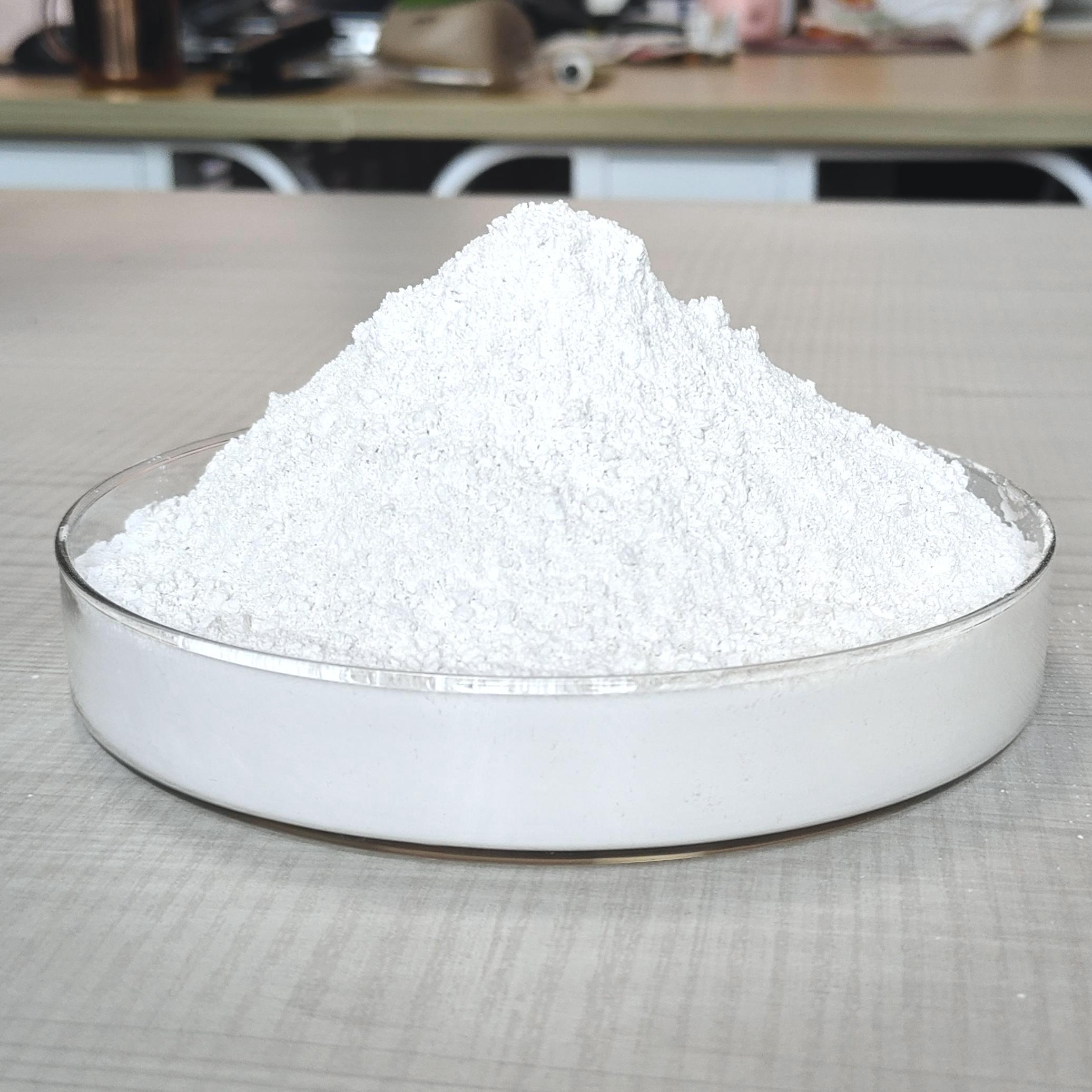
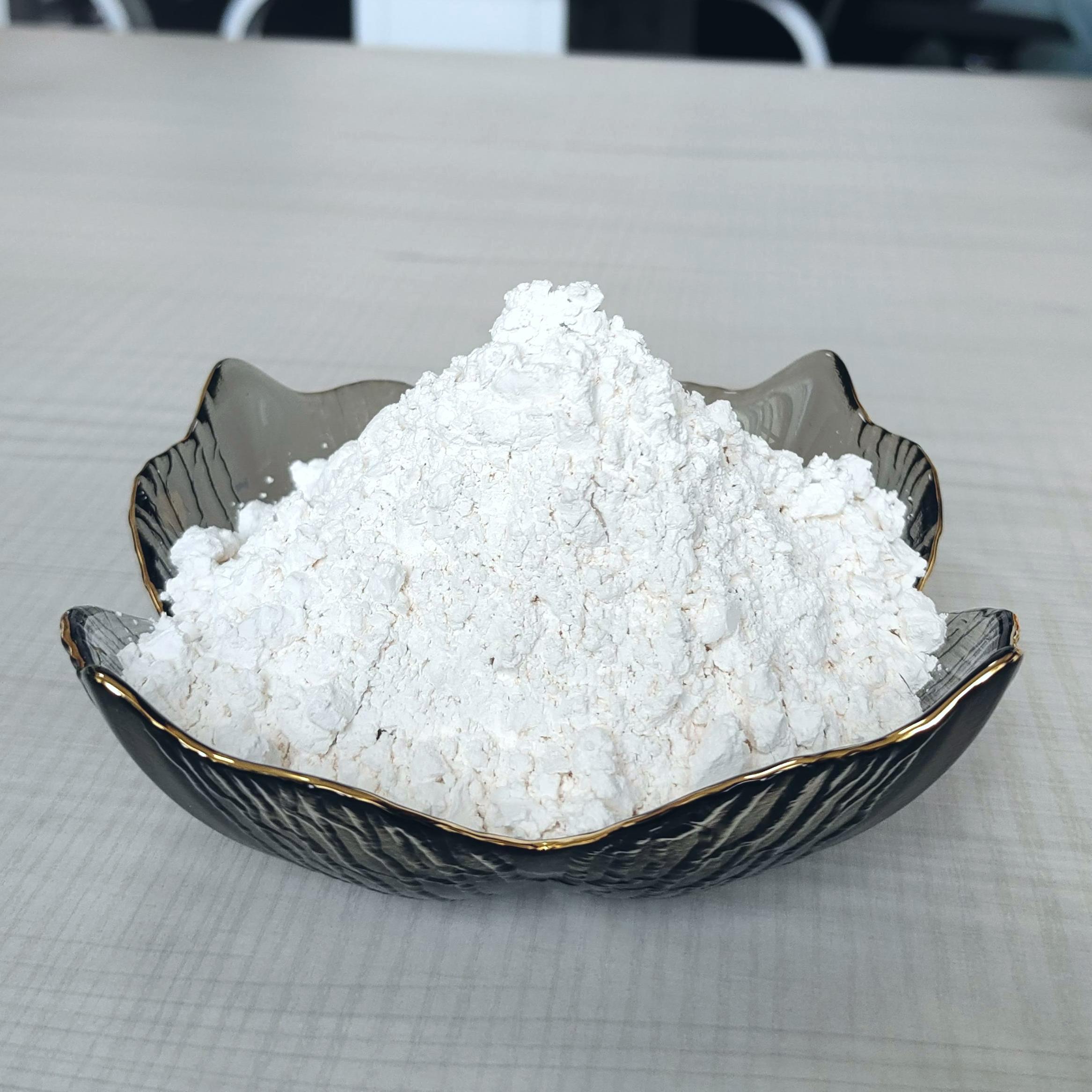
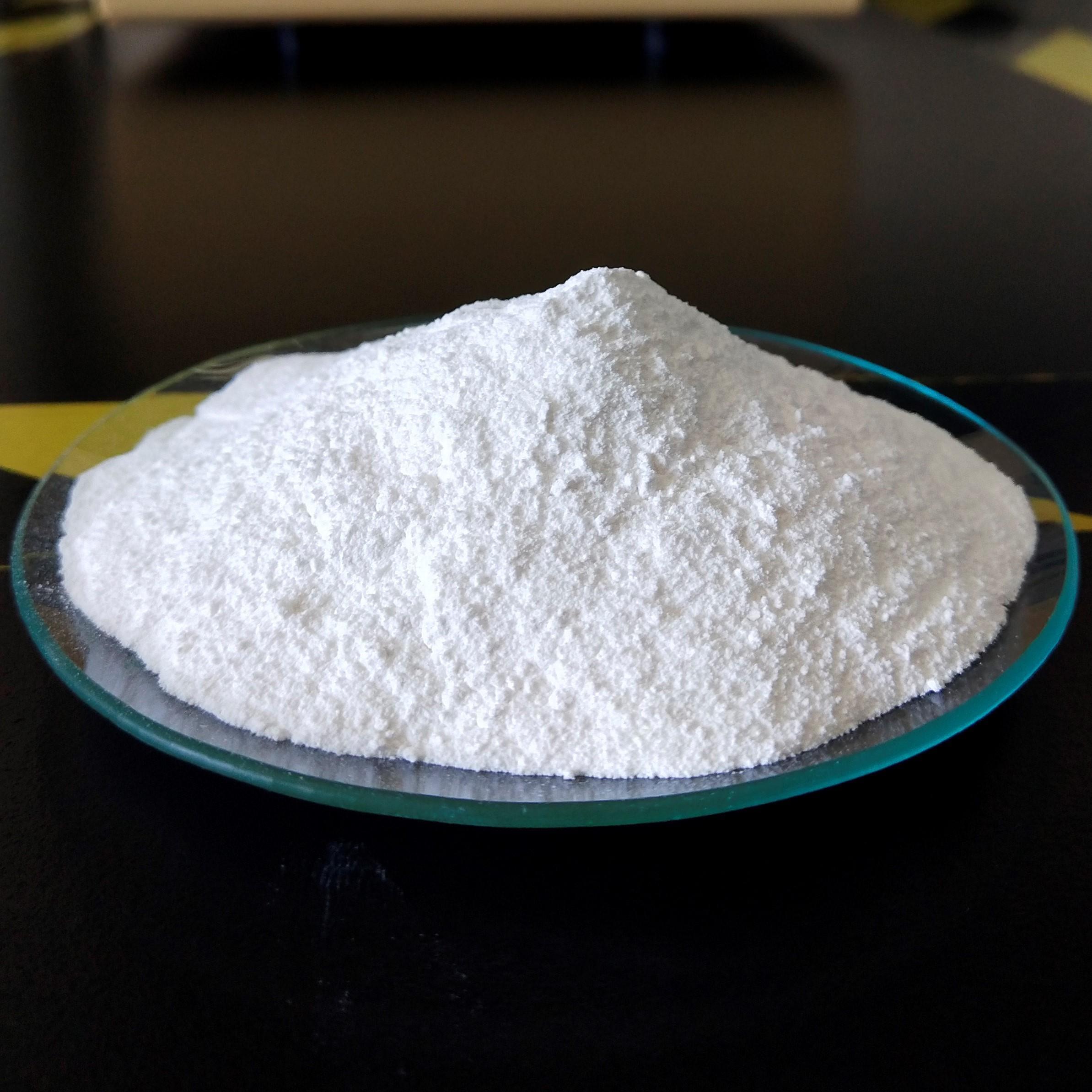
food-grade calcium carbonate

Get in Touch with Us Today

EZ Chemical is one of the best suppliers of calcium carbonate series products in China.
CONTACT US
E-mail: kevin_song@ezchemical.cn
ADD:Room 2008, Building 8, Jinse Yangguang, Xin'an East Road, Xin'anjiang Street, Jiande City, Zhejiang Province, China.