09
2026
-
05
The Role of Coated Precipitated Calcium Carbonate in Enhancing Product Durability
The Role of Coated Precipitated Calcium Carbonate in Enhancing Product Durability Table of Contents 1. Introduction to Coated Precipitated Calcium Carbonate 2. Properties of Coated Precipitated Calcium Carbonate 2.1 Physical Properties 2.2 Chemical Properties 3. Benefits of Using Coated Precipitated Calcium Carbonate 3.1 E
The Role of Coated Precipitated Calcium Carbonate in Enhancing Product Durability
Table of Contents
- 1. Introduction to Coated Precipitated Calcium Carbonate
- 2. Properties of Coated Precipitated Calcium Carbonate
- 3. Benefits of Using Coated Precipitated Calcium Carbonate
- 4. Applications of Coated Precipitated Calcium Carbonate
- 5. Sustainability Aspects of Coated Precipitated Calcium Carbonate
- 6. Future Prospects of Coated Precipitated Calcium Carbonate
- 7. Frequently Asked Questions
- 8. Conclusion
1. Introduction to Coated Precipitated Calcium Carbonate
Coated precipitated calcium carbonate (CPCC) has emerged as a pivotal ingredient in a wide range of industrial applications. Unlike traditional calcium carbonate, CPCC is treated with surfactants, enhancing its performance characteristics. This enhanced form of calcium carbonate not only improves the physical properties of materials but also plays a crucial role in increasing their durability.
The increasing demand for durable products has motivated manufacturers to explore innovative materials like CPCC. This article examines how CPCC contributes to product longevity, focusing on its properties, benefits, applications, and sustainability.
2. Properties of Coated Precipitated Calcium Carbonate
Understanding the properties of CPCC is essential for appreciating its role in enhancing product durability.
2.1 Physical Properties
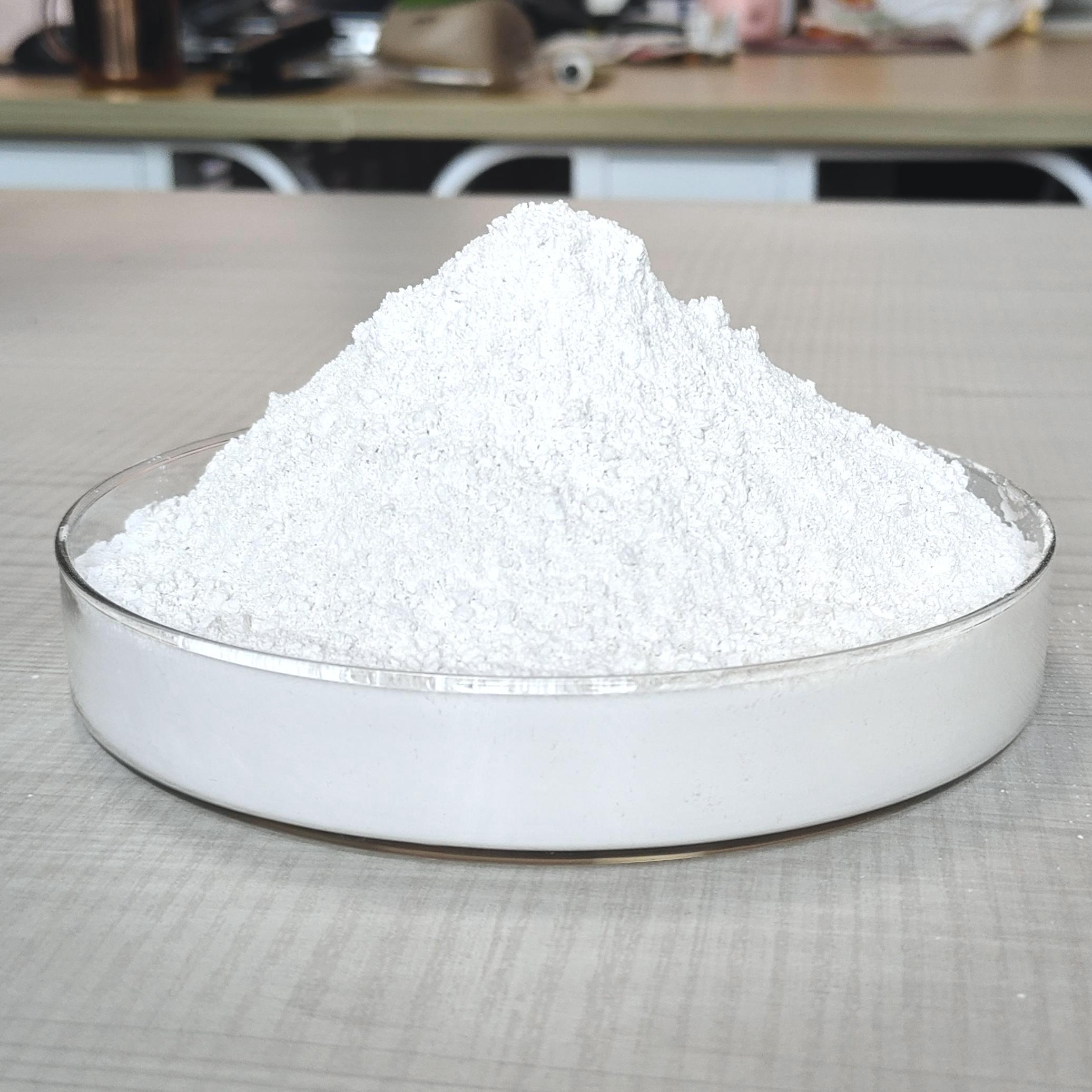
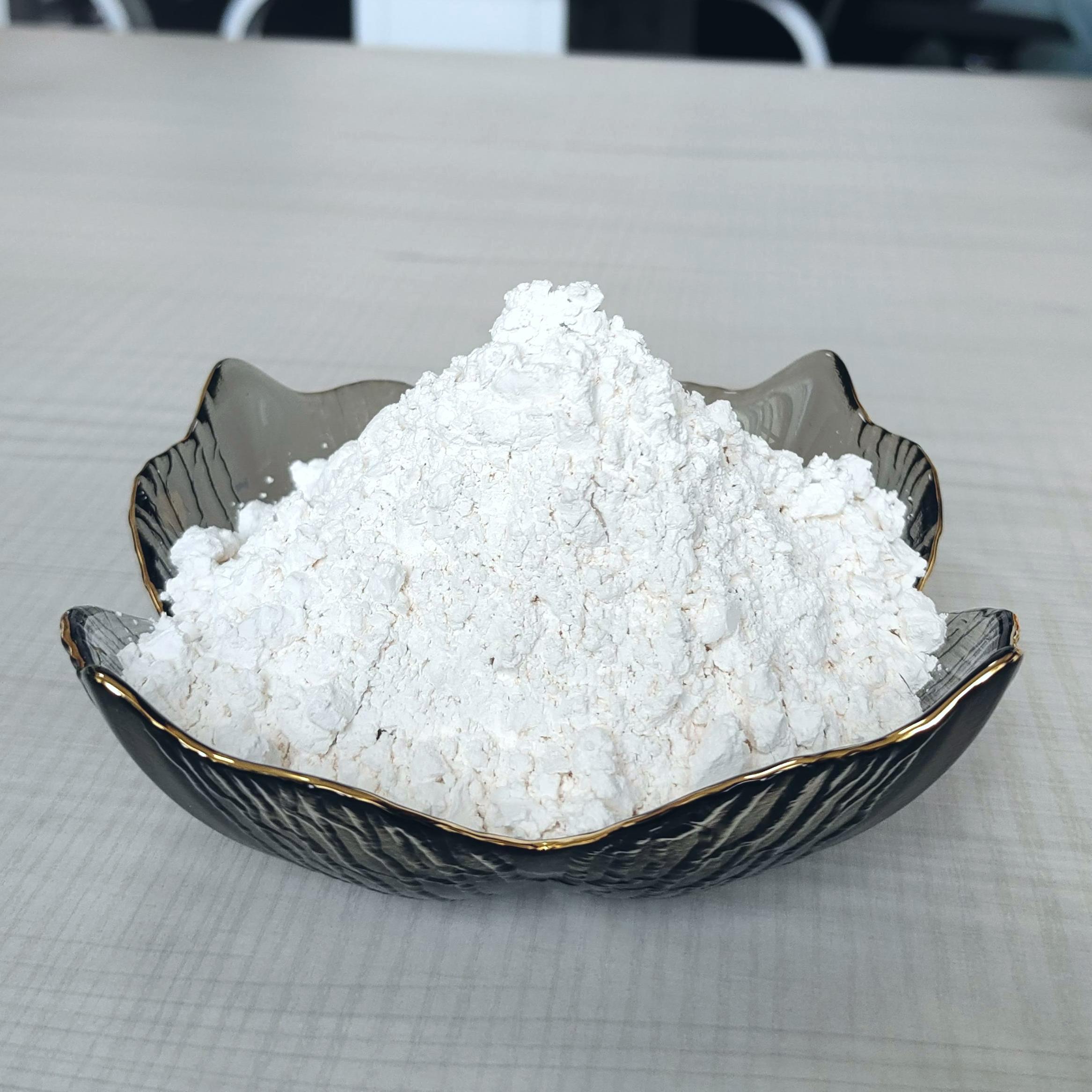
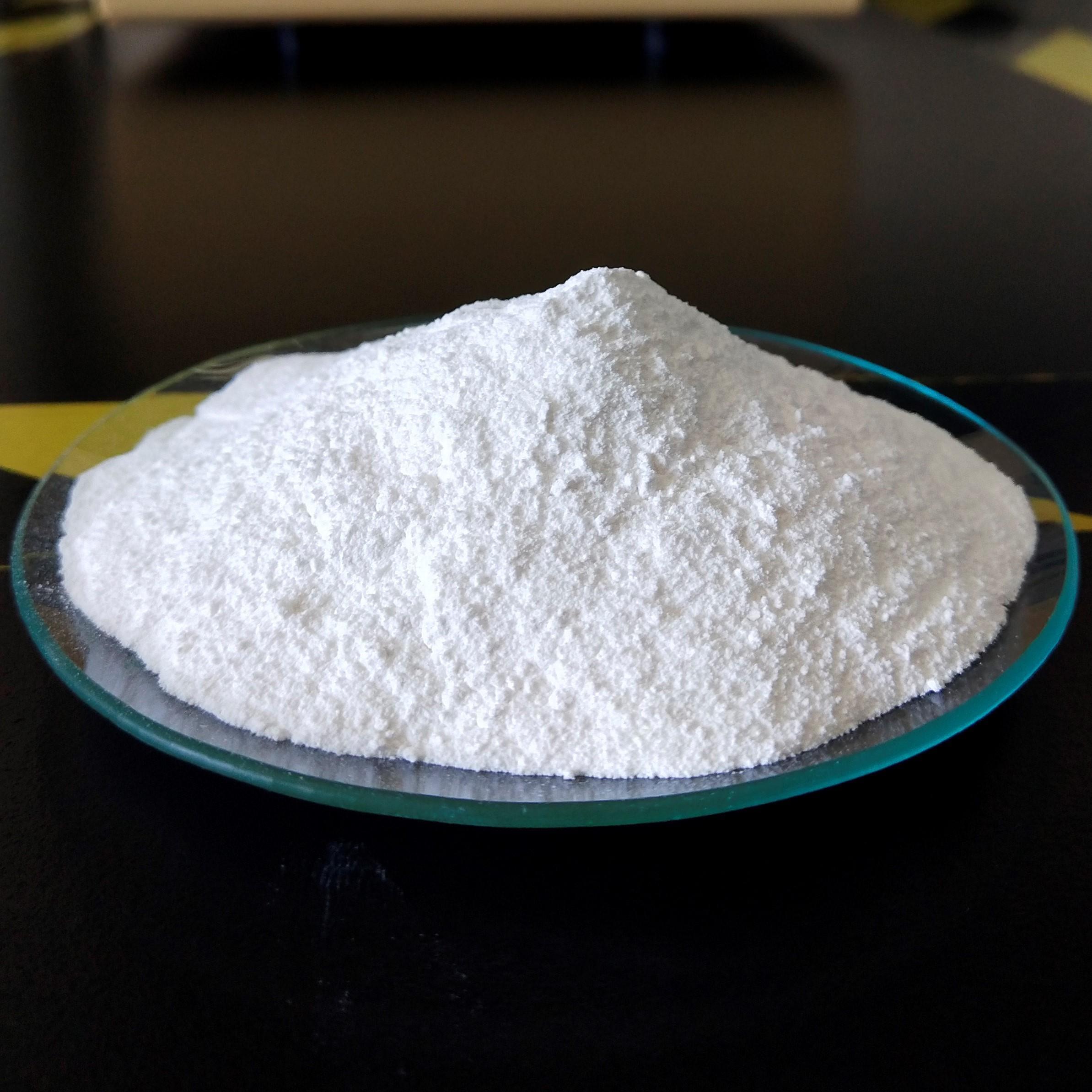
Coated precipitated calcium carbonate is characterized by its fine particle size and high purity. The coating on the carbonate improves its dispersibility in various matrices, ensuring an even distribution throughout the product. This property is vital in applications such as paints and coatings, where uniformity is key to performance.
Moreover, CPCC exhibits excellent opacity and whiteness, making it an attractive filler in products that require aesthetic appeal. The low density of CPCC also allows for lightweight formulations, which is particularly beneficial in the plastics industry.
2.2 Chemical Properties
CPCC possesses remarkable chemical stability, which contributes to its durability-enhancing properties. It is inert in various chemical environments, making it suitable for use in products exposed to harsh conditions. The surface modification of CPCC through coating enhances its compatibility with different polymers and resins, thereby improving adhesion and overall product performance.
3. Benefits of Using Coated Precipitated Calcium Carbonate
Integrating CPCC into product formulations offers numerous benefits that directly relate to durability and performance.
3.1 Enhancements in Durability
One of the primary advantages of using CPCC is its ability to enhance the durability of products. The improved mechanical strength and impact resistance provided by CPCC make products more resilient to wear and tear. This is particularly crucial in industries such as construction and automotive, where material integrity is paramount.
Additionally, the use of CPCC can lead to improved weather resistance in outdoor applications, extending the lifespan of coatings and finishes. This durability not only benefits manufacturers but also provides consumers with reliable products that require less frequent replacement.
3.2 Cost Efficiency
Utilizing CPCC can lead to significant cost savings for manufacturers. By incorporating a less expensive filler like CPCC, companies can reduce the overall material costs without compromising on quality. Furthermore, the enhanced durability of products means fewer returns and replacements, leading to additional savings over time.
4. Applications of Coated Precipitated Calcium Carbonate
Coated precipitated calcium carbonate finds extensive application across various industries due to its unique properties.
4.1 Paints and Coatings
In the paints and coatings industry, CPCC is utilized for its opacity, whiteness, and improved weather resistance. It acts as an excellent filler that enhances the performance of paints while reducing costs. The uniform dispersion of CPCC in paint formulations ensures consistent texture and finish, which is crucial for aesthetic appeal.
4.2 Plastics and Polymers
In the plastics industry, CPCC serves as a lightweight filler that enhances the mechanical properties of polymers. Its compatibility with various plastic resins allows for better processing and improved end-product performance. Additionally, CPCC helps in reducing the cost of plastic formulations without sacrificing quality.
4.3 Adhesives and Sealants
Coated precipitated calcium carbonate is also widely used in adhesives and sealants. Its surface modifications enhance adhesion properties, ensuring better bonding between materials. The improved durability of adhesives containing CPCC translates to longer-lasting applications in construction and automotive industries.
5. Sustainability Aspects of Coated Precipitated Calcium Carbonate
Sustainability is a critical consideration in today's manufacturing processes, and CPCC aligns well with eco-friendly practices.
5.1 Eco-Friendly Material
CPCC is derived from natural sources, making it a more environmentally friendly alternative to synthetic fillers. Its use reduces the reliance on non-renewable resources, contributing to a more sustainable manufacturing approach.
5.2 Recyclability
The recyclability of coated precipitated calcium carbonate adds another layer of sustainability. Products incorporating CPCC can often be recycled, reducing waste and promoting a circular economy. This aspect is increasingly important for companies looking to minimize their environmental footprint.
6. Future Prospects of Coated Precipitated Calcium Carbonate
As industries continue to prioritize sustainability and durability, the demand for coated precipitated calcium carbonate is expected to rise. Ongoing research and development efforts aim to enhance its properties further and explore new applications. Innovations in coating technologies may lead to even better performance characteristics, driving its adoption across various sectors.
7. Frequently Asked Questions
What is coated precipitated calcium carbonate?
Coated precipitated calcium carbonate is a modified form of calcium carbonate treated with surfactants to enhance its performance characteristics in various applications.
How does CPCC improve product durability?
CPCC improves product durability through its enhanced mechanical strength, impact resistance, and weather resistance, making materials more resilient to wear and tear.
What industries benefit from CPCC?
Industries such as paints and coatings, plastics, and adhesives and sealants significantly benefit from the use of coated precipitated calcium carbonate.
Is CPCC environmentally friendly?
Yes, CPCC is derived from natural sources and is considered an eco-friendly material that can help reduce reliance on non-renewable resources.
Can products with CPCC be recycled?
Yes, many products incorporating coated precipitated calcium carbonate can be recycled, promoting a more sustainable life cycle.
8. Conclusion
Coated precipitated calcium carbonate plays an integral role in enhancing product durability across various industries. Its unique properties, combined with significant benefits such as cost efficiency and sustainability, make it a preferred choice for manufacturers looking to improve their products. As the demand for durable and environmentally friendly products grows, the importance of CPCC in advancing these goals is undeniable. By embracing the potential of CPCC, businesses can not only enhance their product offerings but also align with the evolving market landscape focused on sustainability and durability.
coated precipitated calcium carbonate

Get in Touch with Us Today

EZ Chemical is one of the best suppliers of calcium carbonate series products in China.
CONTACT US
E-mail: kevin_song@ezchemical.cn
ADD:Room 2008, Building 8, Jinse Yangguang, Xin'an East Road, Xin'anjiang Street, Jiande City, Zhejiang Province, China.