06
2026
-
10
Transforming Chemical Processes with Fine Calcium Hydroxide: A Comprehensive Guide
Transforming Chemical Processes with Fine Calcium Hydroxide Table of Contents 1. Introduction to Fine Calcium Hydroxide 2. What is Fine Calcium Hydroxide? 3. Chemical Properties of Fine Calcium Hydroxide 4. Applications of Fine Calcium Hydroxide in Industry 5. Benefits of Using Fine Calcium Hydroxide 6. Environmental Impact of Fine Calcium Hydroxide 7. Future Trends in
Transforming Chemical Processes with Fine Calcium Hydroxide
Table of Contents
- 1. Introduction to Fine Calcium Hydroxide
- 2. What is Fine Calcium Hydroxide?
- 3. Chemical Properties of Fine Calcium Hydroxide
- 4. Applications of Fine Calcium Hydroxide in Industry
- 5. Benefits of Using Fine Calcium Hydroxide
- 6. Environmental Impact of Fine Calcium Hydroxide
- 7. Future Trends in Fine Calcium Hydroxide Utilization
- 8. Frequently Asked Questions
- 9. Conclusion
1. Introduction to Fine Calcium Hydroxide
Fine calcium hydroxide, also known as slaked lime, is increasingly becoming a focal point in the chemical industry. This versatile compound is not only a key player in various chemical processes but also contributes to advancements in sustainability and efficiency. With its fine particle size, it offers superior reactivity and performance, making it essential in modern chemical applications.
2. What is Fine Calcium Hydroxide?
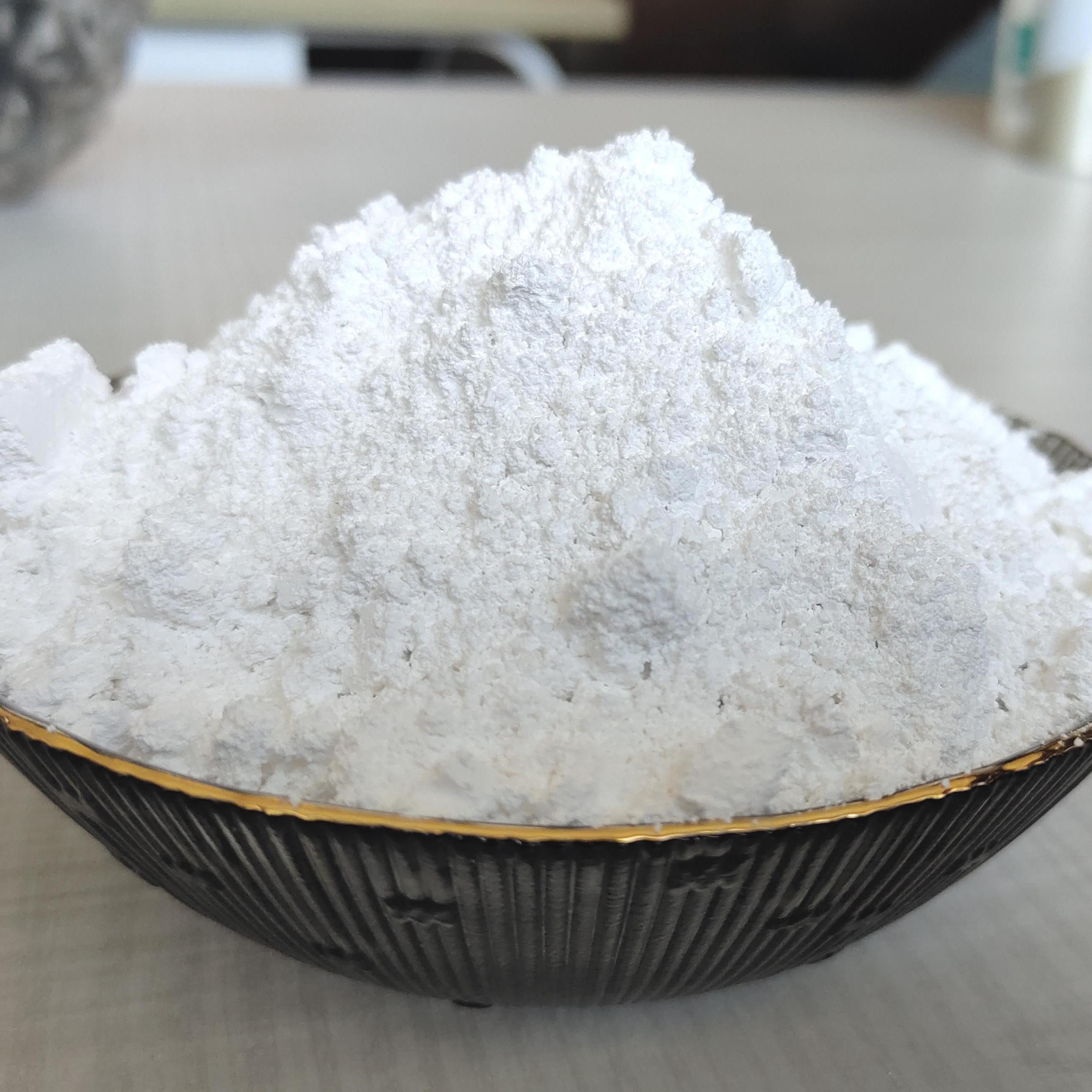
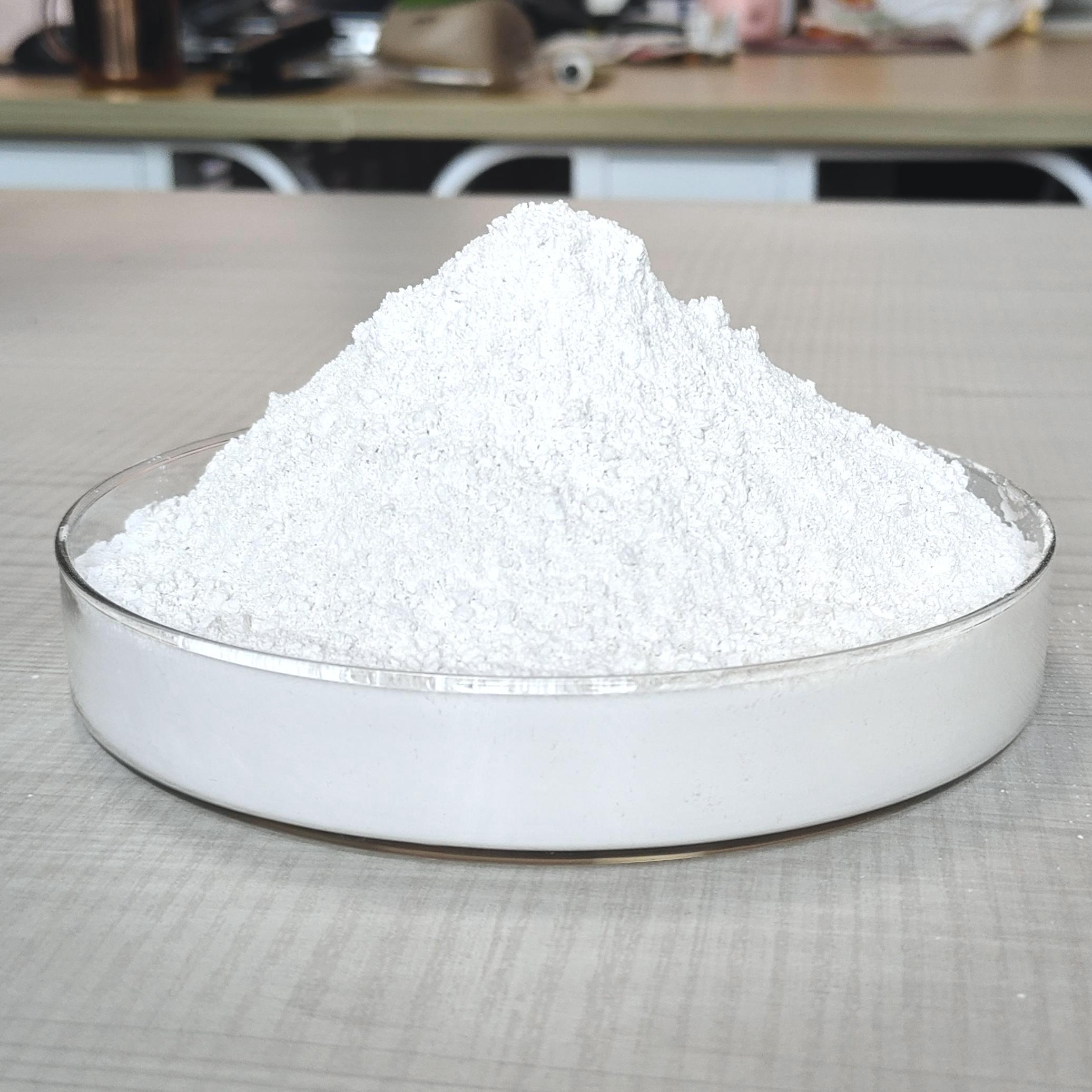
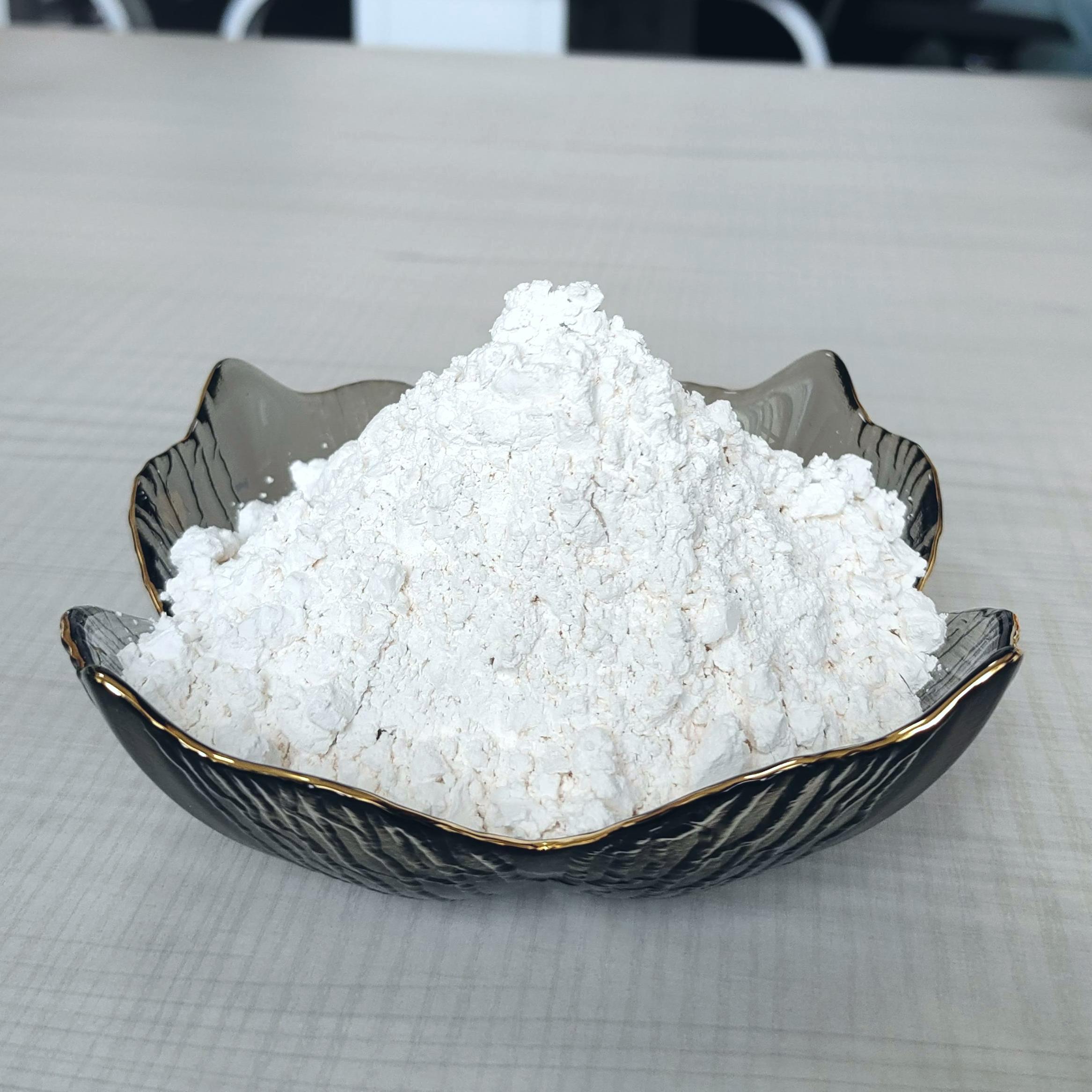
Fine calcium hydroxide (Ca(OH)₂) is produced through the hydration of calcium oxide (CaO), commonly known as quicklime. The fine variation possesses a smaller particle size, which significantly enhances its reactivity in chemical processes. This compound is characterized by its white powdery appearance and is soluble in water to form a basic solution, known as limewater.
2.1 Properties of Fine Calcium Hydroxide
The properties of fine calcium hydroxide that make it so valuable include:
- **High Purity**: Typically, fine calcium hydroxide is produced to high purity standards, ensuring it meets stringent industrial requirements.
- **Fine Particle Size**: The fine nature of the calcium hydroxide allows for better dispersion in solutions and enhances its effectiveness in reactions.
- **Basicity**: With a pH greater than 12, it serves as a strong base in various chemical reactions.
3. Chemical Properties of Fine Calcium Hydroxide
Understanding the chemical properties of fine calcium hydroxide is crucial for its application in industrial processes. Some notable properties include:
3.1 Reactivity
Fine calcium hydroxide exhibits high reactivity with acids, leading to the formation of salts and water. This characteristic makes it ideal for neutralization processes in various chemical industries.
3.2 Stability
It is relatively stable under standard conditions but can decompose at high temperatures. Its ability to maintain structure and reactivity under varying conditions makes it indispensable in many applications.
4. Applications of Fine Calcium Hydroxide in Industry
Fine calcium hydroxide is utilized across multiple industries due to its advantageous properties. Key applications include:
4.1 Water Treatment
In water treatment, fine calcium hydroxide is used to adjust pH levels, remove impurities, and precipitate heavy metals, ensuring clean and safe drinking water.
4.2 Construction
In the construction industry, it is employed in mortars and plasters. Its properties enhance the durability and workability of these materials.
4.3 Agriculture
Fine calcium hydroxide serves as a soil amendment, correcting acidity and providing essential calcium to crops, which promotes healthy growth.
4.4 Chemical Manufacturing
In chemical manufacturing, it acts as a reagent in the production of various compounds, such as calcium carbonate and calcium phosphates, crucial for numerous applications.
4.5 Food Industry
Approved for food use, fine calcium hydroxide serves as a pickling agent and pH regulator, ensuring food safety and quality.
5. Benefits of Using Fine Calcium Hydroxide
The utilization of fine calcium hydroxide offers numerous benefits that enhance operational efficiency and product quality.
5.1 Cost-Effectiveness
Fine calcium hydroxide is relatively inexpensive compared to other chemical alternatives, making it a cost-effective solution for many industrial applications.
5.2 Enhanced Performance
The fine particle size allows for greater surface area, leading to improved reactivity and performance in chemical processes.
5.3 Environmental Benefits
As a natural product, fine calcium hydroxide contributes to sustainable practices by reducing the need for synthetic chemicals that may pose environmental risks.
6. Environmental Impact of Fine Calcium Hydroxide
Fine calcium hydroxide's environmental impact is predominantly positive, contributing to sustainability in various sectors.
6.1 Low Toxicity
It poses minimal toxicity to human health and the environment when used appropriately, making it a safer alternative to harsh chemicals.
6.2 Carbon Neutrality Potential
When produced from sourced limestone, fine calcium hydroxide can contribute to carbon neutrality efforts in industrial processes, aiding in mitigating climate change.
6.3 Resource Efficiency
The use of fine calcium hydroxide in processes such as water treatment ensures efficient use of resources by enabling the recycling and purification of water.
7. Future Trends in Fine Calcium Hydroxide Utilization
As industries continue to evolve, the role of fine calcium hydroxide is likely to expand. Key trends shaping its future include:
7.1 Innovations in Production
Advancements in production technologies may lead to even finer particle sizes, enhancing the reactivity and effectiveness of calcium hydroxide in various applications.
7.2 Sustainable Practices
The push towards sustainability will drive the adoption of fine calcium hydroxide in green chemistry and eco-friendly formulations.
7.3 Increased Demand in Emerging Markets
With the growth of industries in emerging economies, the demand for fine calcium hydroxide is expected to rise, opening new markets for manufacturers.
8. Frequently Asked Questions
8.1 What are the main uses of fine calcium hydroxide?
Fine calcium hydroxide is primarily used in water treatment, construction, agriculture, chemical manufacturing, and the food industry.
8.2 Is fine calcium hydroxide safe for the environment?
Yes, fine calcium hydroxide is considered environmentally friendly due to its low toxicity and natural origins.
8.3 How does fine calcium hydroxide improve water quality?
It helps to neutralize acidity, remove heavy metals, and precipitate impurities, ensuring safer drinking water.
8.4 Can fine calcium hydroxide be used in food applications?
Yes, it is approved for food use, primarily as a pickling agent and pH regulator.
8.5 What advantages does fine calcium hydroxide have over other chemical alternatives?
Fine calcium hydroxide is more cost-effective, environmentally friendly, and offers enhanced performance due to its fine particle size.
9. Conclusion
Fine calcium hydroxide stands as a transformative agent in chemical processes across diverse industries. Its unique properties, coupled with its environmental benefits, position it as a vital component in achieving efficiency and sustainability in chemical applications. As we move forward, embracing innovations in its production and utilization will unlock new possibilities and reinforce its role in shaping the future of the chemical industry. Integrating fine calcium hydroxide into processes not only enhances performance but also supports a more sustainable approach to industrial practices.
fine calcium hydroxide

Get in Touch with Us Today

EZ Chemical is one of the best suppliers of calcium carbonate series products in China.
CONTACT US
E-mail: kevin_song@ezchemical.cn
ADD:Room 2008, Building 8, Jinse Yangguang, Xin'an East Road, Xin'anjiang Street, Jiande City, Zhejiang Province, China.